Why Counting Shoe Mold Factories in Putian Is the Wrong Question
I have been standing behind my counter at the Anfu E-Commerce City for over fifteen years, watching the dust settle on the concrete floors and seeing thousands of foreign buyers walk through those heavy metal doors. You come to me asking, "How many shoe mold factories are there in Putian, Fujian?" Honestly, that is a question I hear every single day from guys who think they can just Google a number and get a direct line to the source. Let me tell you something straight from the street: nobody actually counts them anymore, and if you try to find a specific list of "mold factories," you will end up wasting weeks of your time and money.
The reality of the Putian supply chain is messy, fluid, and deeply interconnected. What you call a "shoe mold factory" is often just a small workshop with three injection machines tucked away in a residential building in Xuefeng Village, or a larger operation in the industrial park near the airport that also does assembly. The molds themselves—the steel tools that shape the rubber and foam—are rarely sold as standalone products by big companies. Instead, they are the lifeblood of hundreds of tiny, specialized shops that feed into the massive sneaker production lines. When you ask about the quantity, you are really asking about the capacity of the entire ecosystem, which is impossible to pin down with a single integer because new workshops open and close faster than you can blink.
The Hidden World Behind the Anfu Showroom
From Front Desk to Back Alley
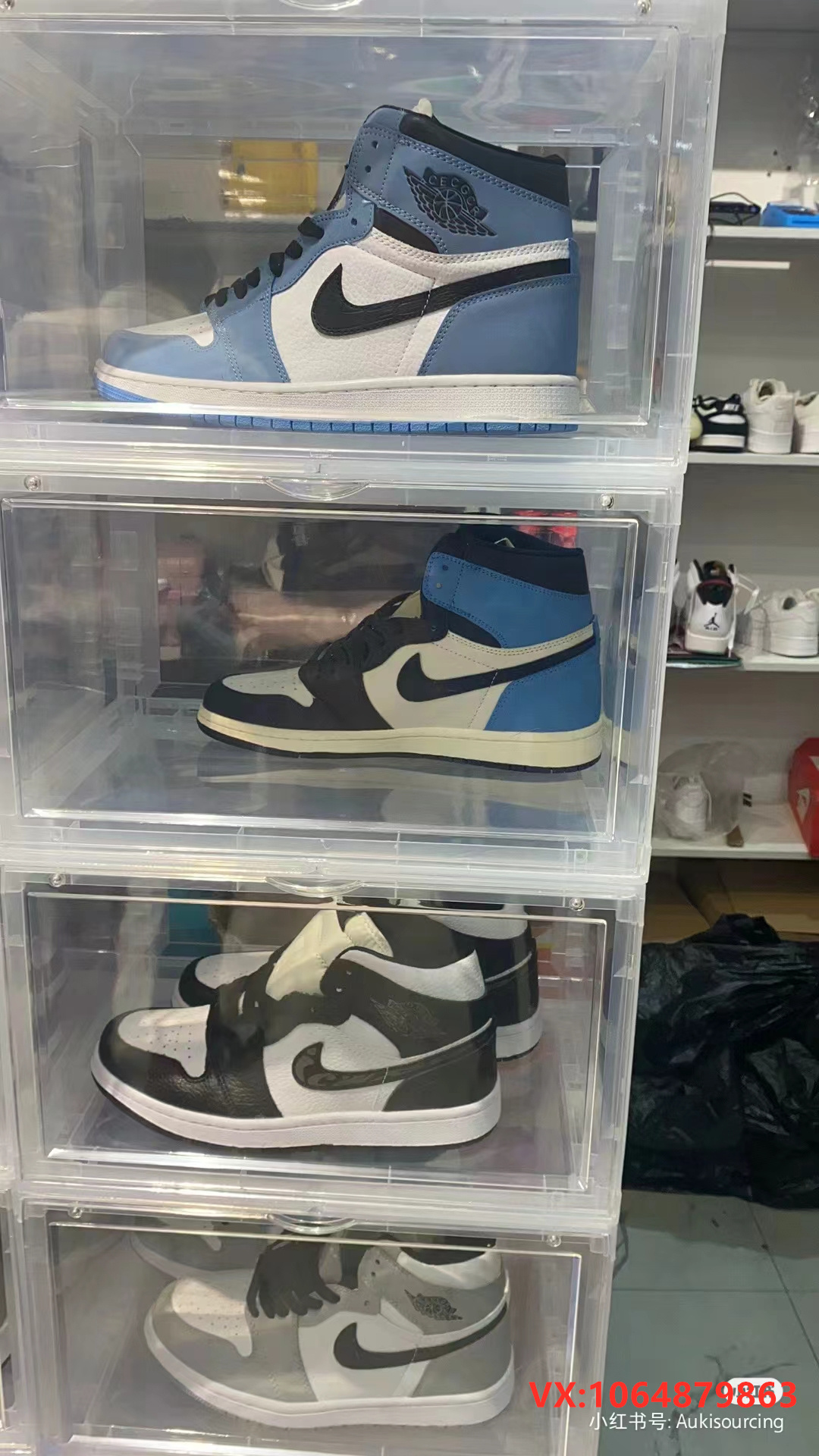
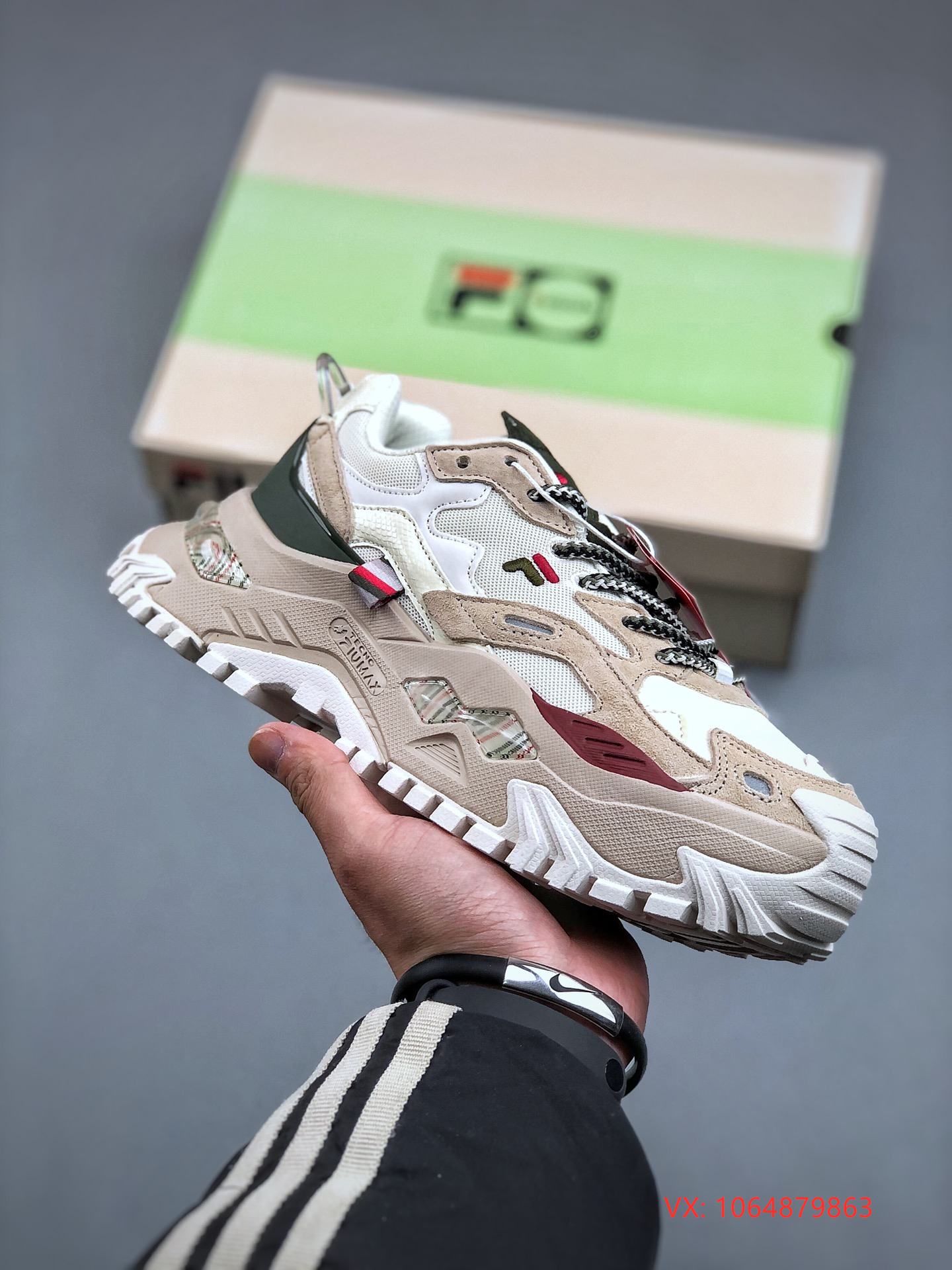
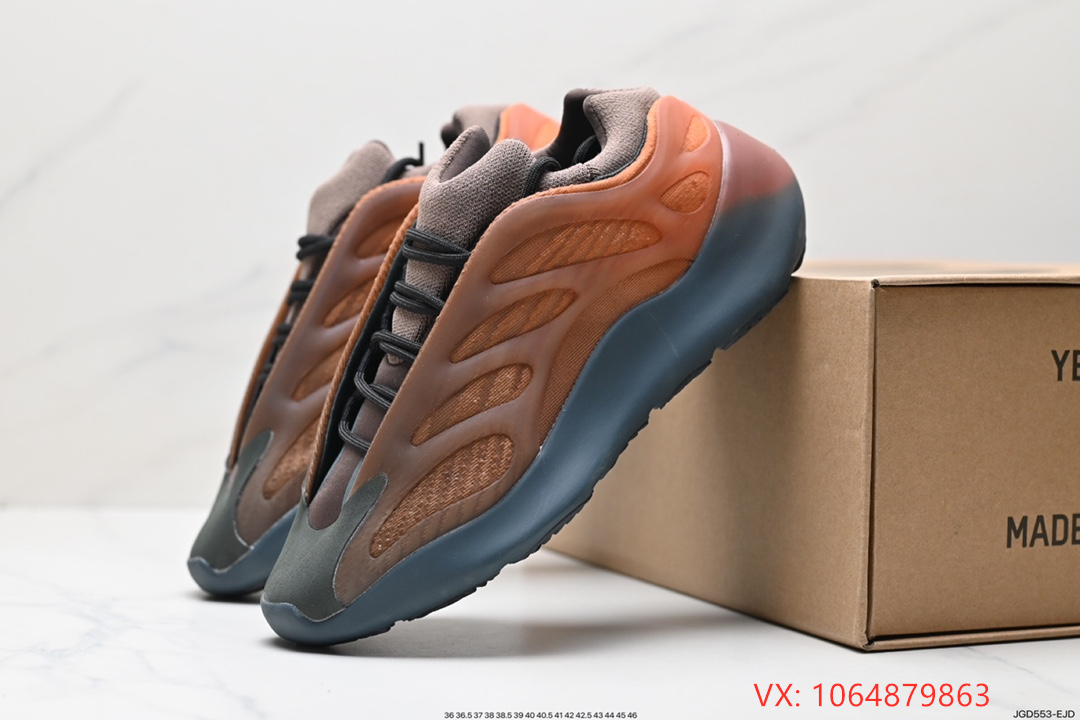
If you walk into the main corridors of Anfu Market today, you see rows of flashy displays with the latest Jordan 4s, Yeezys, and Dunks. These are the showrooms where we sell the finished goods. But the real magic, the place where the molds live, is hidden. Most of these mold makers are not even listed on any official directory. They operate out of the back alleys of the surrounding villages like Zhonghua and Fenghuang. I remember when I first started sourcing, I had to drive around with a local guide for three days just to find a guy who could make a mold for a specific sole pattern. There isn't a central office; it's a network of trust.
When you are looking for suppliers, do not look for a "factory" in the traditional sense. Look for the people who know how to fix a broken mold or tweak a design overnight. In Putian, the distinction between a mold maker and a shoe manufacturer is blurry. Many of the same owners run both. They cast the mold in the morning and stitch the upper in the afternoon. This vertical integration is why Putian dominates the market. If you want to source high-quality replicas or custom designs, you need to understand that the "mold factory" is just one link in a chain that includes leather tanneries, glue suppliers, and stitching teams all within a five-mile radius.
How Foreign Buyers Actually Find the Real Source
Navigating the Digital Fog
Many of you arrive here thinking you can find a supplier on Alibaba or via a simple Google search for "Putian shoe mold manufacturers." That is a trap. The algorithms are filled with middlemen who claim to be factories but are just drop-shippers sitting in offices in Guangzhou or Shenzhen. They take your order, send it to Putian, mark up the price, and then ship it to you. By the time you get the product, you have lost your margin. To find the real deal, you have to get your boots on the ground.
The best way to connect with the actual mold makers is through word of mouth and physical presence. When you are in Anfu, don't just look at the shoes on the rack. Ask the shop owner, "Who made this mold? Can I visit their workshop?" Most honest vendors will point you to a contact in the next building or a village nearby. They know exactly who has the tooling for that specific silhouette. This personal connection is what separates a successful buyer from a tourist. You build relationships with the guys who hold the keys to the molds. once you establish trust, they will let you see their inventory of steel tools, which is usually kept in locked rooms or basements.
Inspection and Quality Control on the Floor
Let me give you some practical advice on what to look for when you finally meet a mold maker. First, check the steel. A cheap mold will wear out after a few thousand pairs, leading to inconsistent sizing and rough edges on the soles. A good mold, made from high-grade steel, lasts for tens of thousands of cycles. When you visit the workshop, look for the smell of burning rubber and the sound of hydraulic presses. If the place is too clean and quiet, you might be in a sales office, not a production floor. Ask to see the "trial runs"—the first few pairs produced from a new mold. If the alignment is off or the glue lines are messy, the mold needs adjustment. Don't be afraid to negotiate the mold fee. In Putian, everything is negotiable, especially if you commit to a large volume of orders.
Avoiding Pitfalls and Securing Your Supply Chain
The Risks of Remote Sourcing
One of the biggest mistakes foreign buyers make is trying to manage the mold-making process entirely from overseas. They send a picture of a shoe, pay a deposit, and wait months for samples that never match the original. The issue is communication. Without being there to see the prototype, misunderstandings happen constantly. The mold might look right in the photo but feel wrong in the hand. Or worse, the mold is slightly off, and you end up with thousands of defective units. I have seen buyers lose thousands of dollars because they didn't verify the mold before mass production started.
To avoid this, always insist on visiting the site before placing a bulk order. If you cannot travel immediately, hire a trusted third-party inspector or a local agent who knows the terrain. Do not rely on video calls alone; the lighting and camera angles can hide defects. When you are in Putian, spend time in the mold workshops. Watch the workers. See how they handle the steel. Feel the temperature of the room. This sensory experience tells you more about the quality of the operation than any certificate ever could. It builds confidence that the person holding the mold is serious about their craft.
Building Long-Term Partnerships
Ultimately, success in Putian is about relationships, not transactions. The market is competitive, and the best mold makers are busy. They don't waste time on one-off orders from unreliable clients. If you treat them with respect, pay on time, and communicate clearly, they will prioritize your orders. They will even help you improve your designs to save costs or enhance durability. Remember, the goal is not just to find a "shoe mold factory" but to become part of the local ecosystem. Whether you are looking for "Putian sneaker molds" or "custom footwear tooling," the answer lies in the people, not the numbers. Go to Anfu, walk the streets, talk to the shop owners, and you will find the real source. That is the only way to win in this game.