What We Actually Make: Beyond the "Fake" Label
Welcome to Anfu, the beating heart of our city. If you are reading this, chances are you have heard the whispers about "Pute shoes" from your friends or seen them on social media, but you probably don't know what goes on behind those heavy steel doors. I have been standing in this exact spot for over fifteen years, watching trucks come and go, seeing new brands rise and fall, and most importantly, helping foreign buyers navigate the chaos of the wholesale market. Let me be clear right out of the gate: when people ask what Pute shoes are made of, they usually expect a simple answer like "replicas." But that is a lazy question. The reality here is far more complex and fascinating.
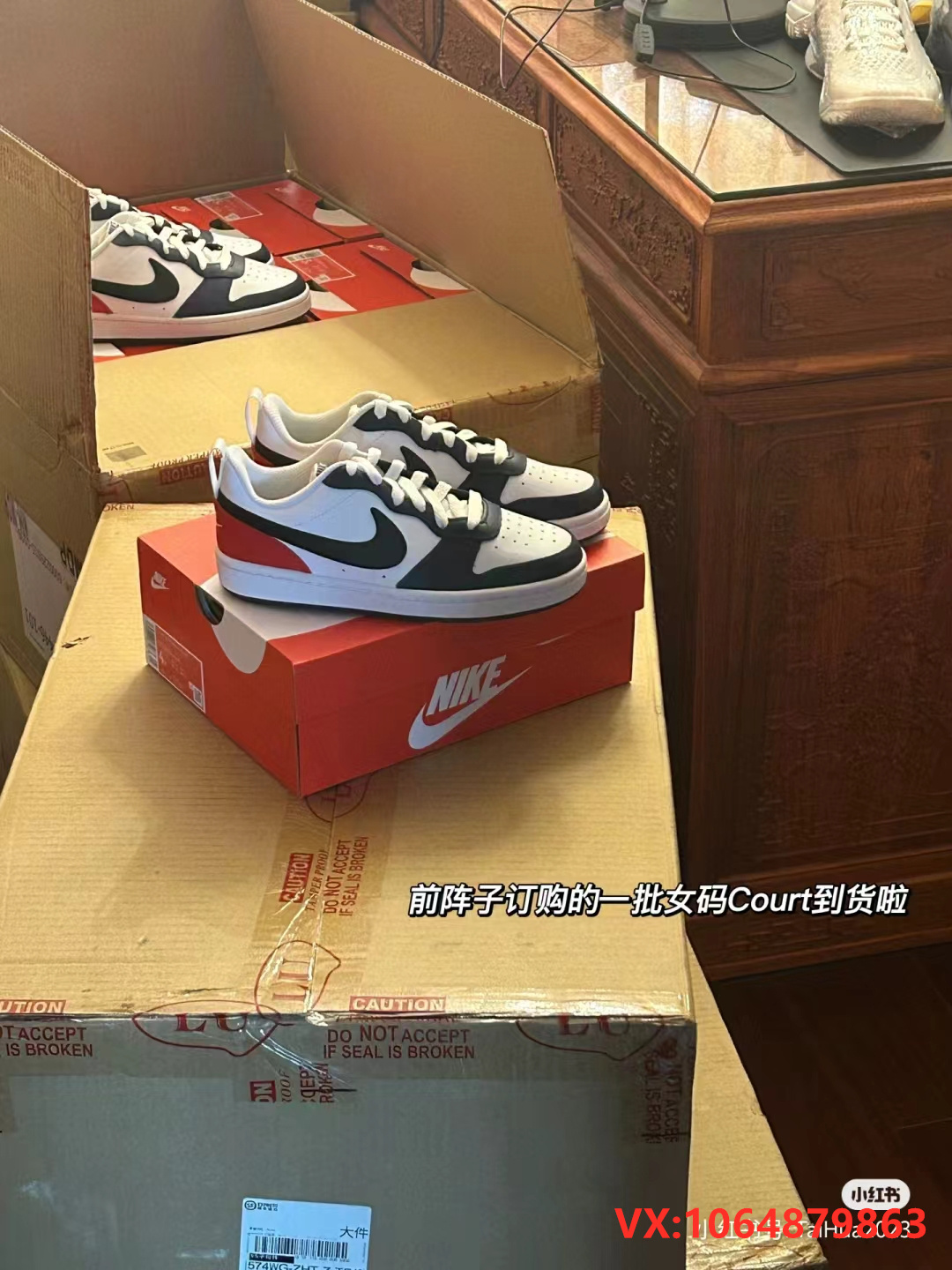
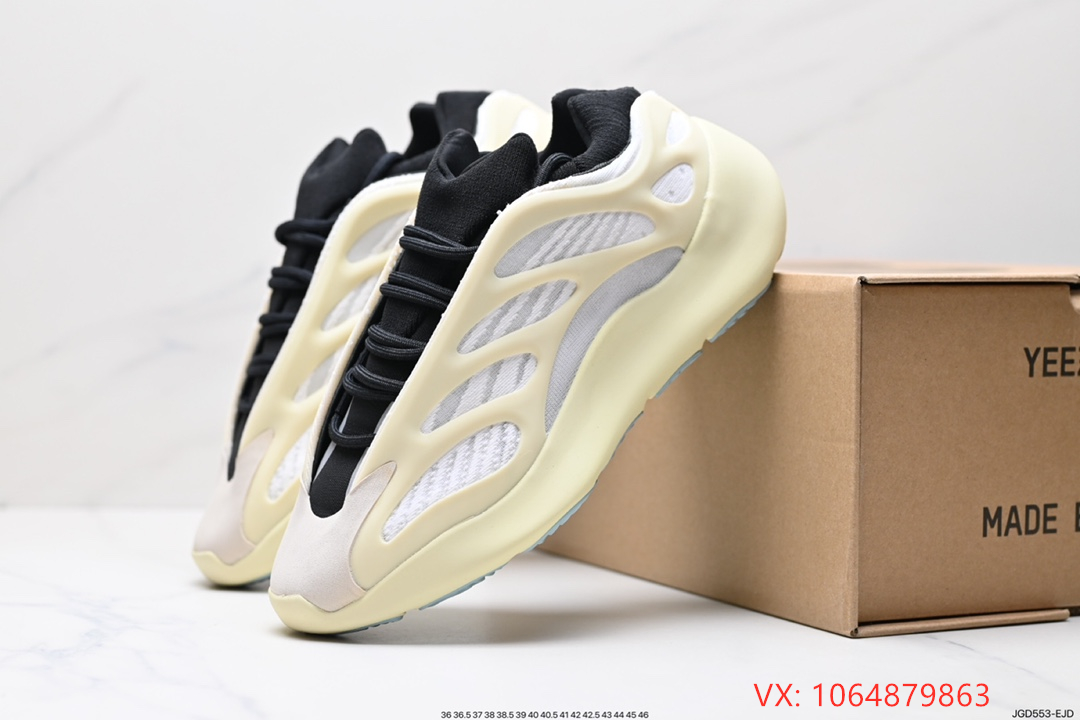
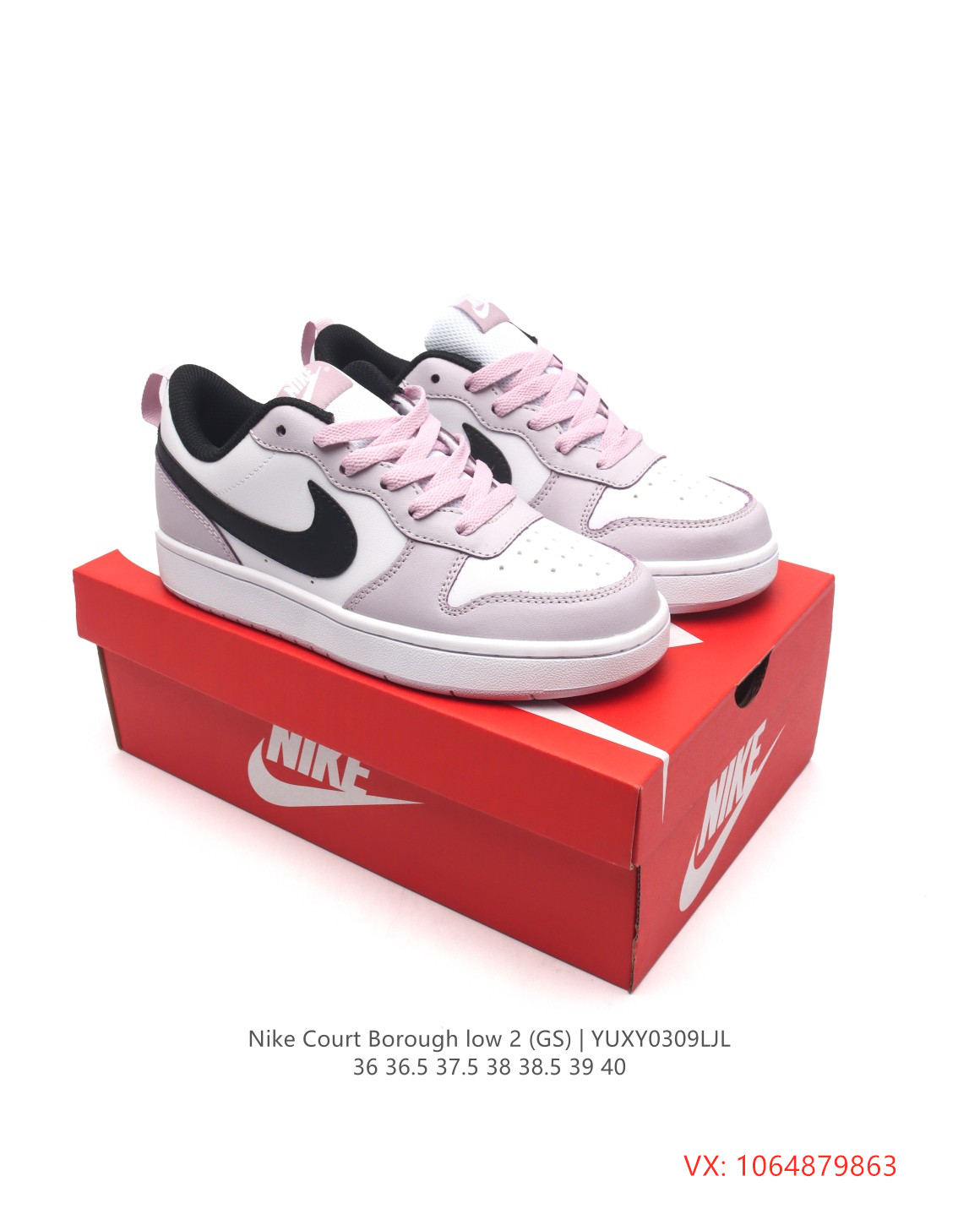
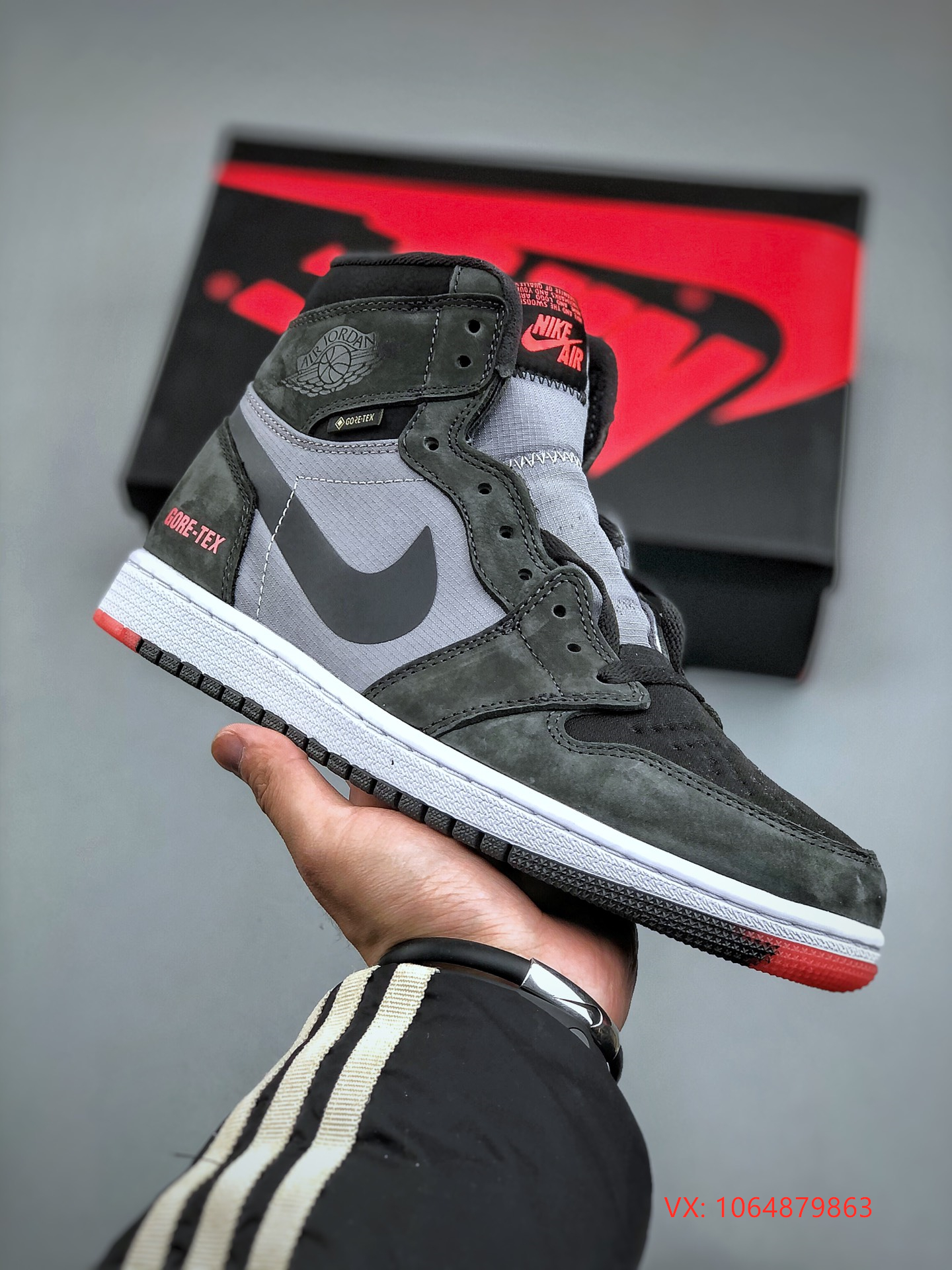
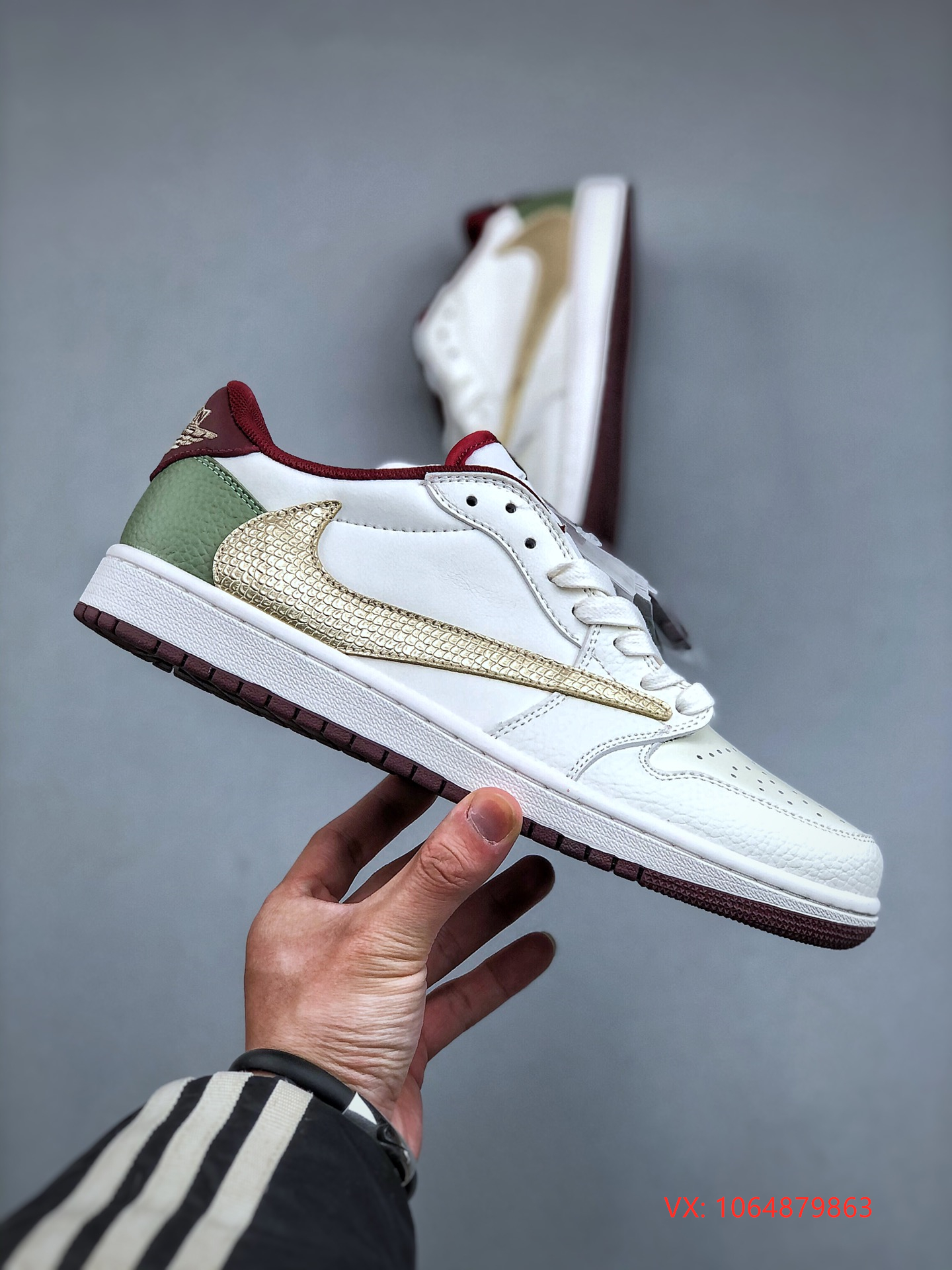
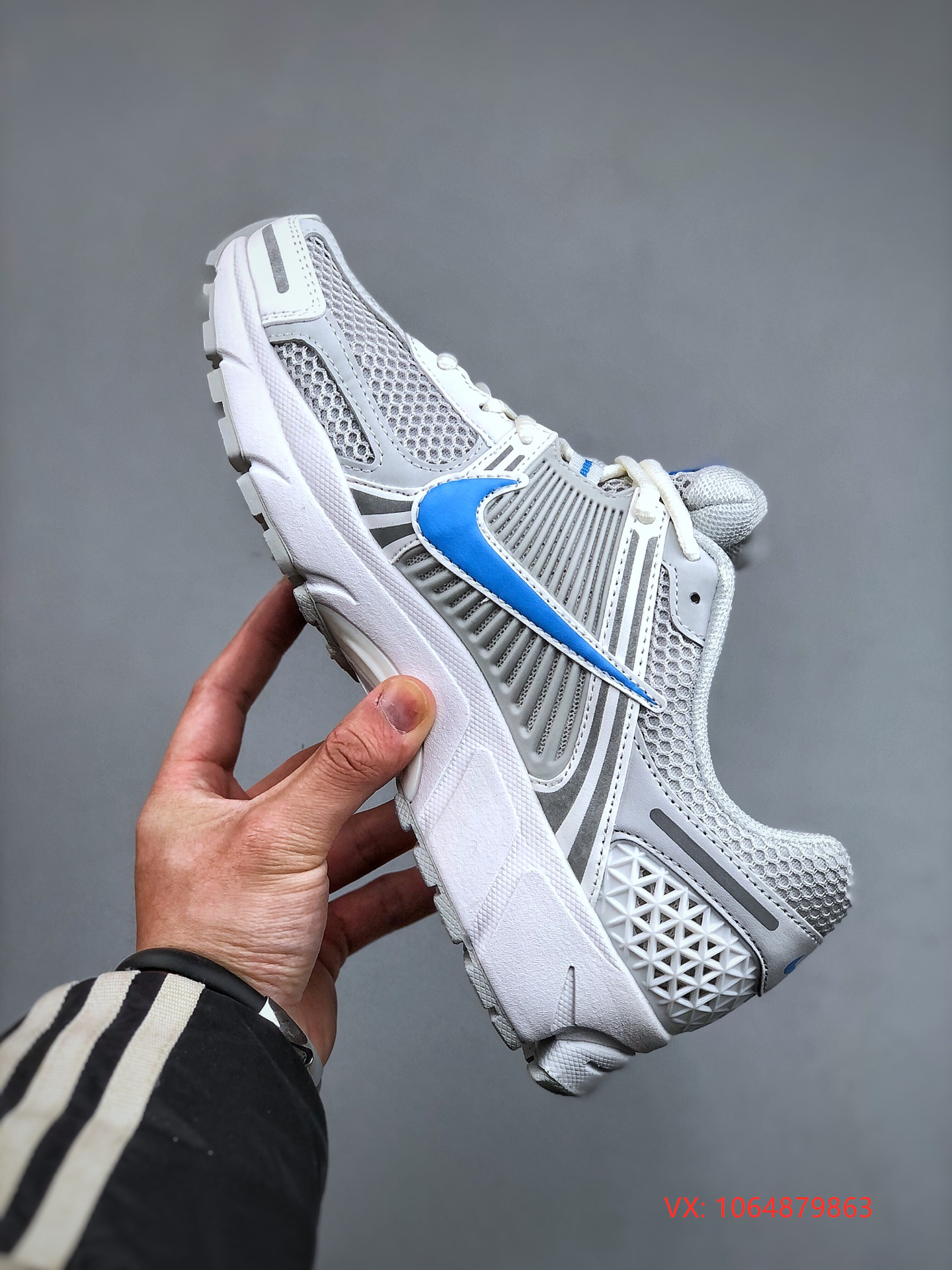
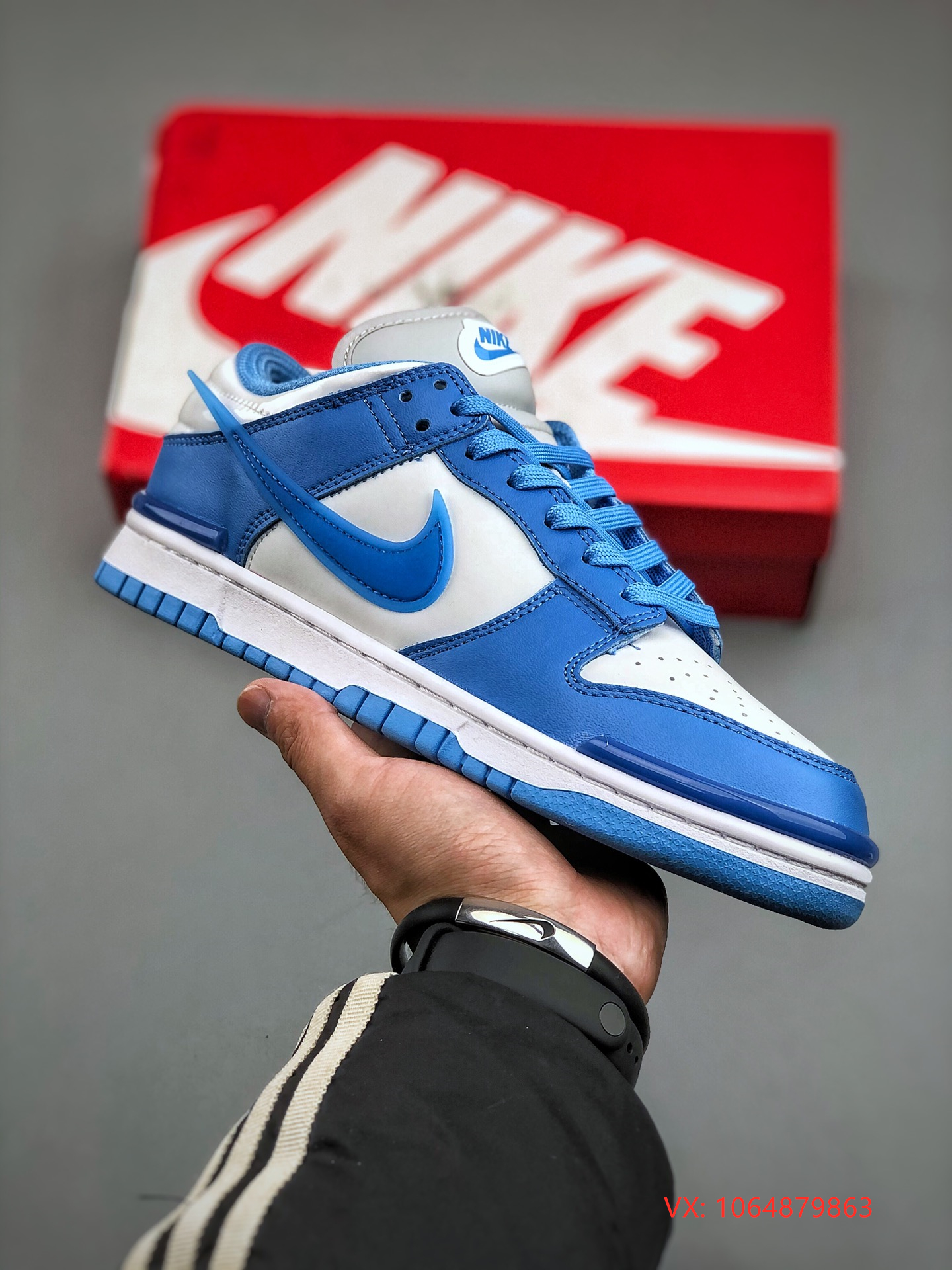
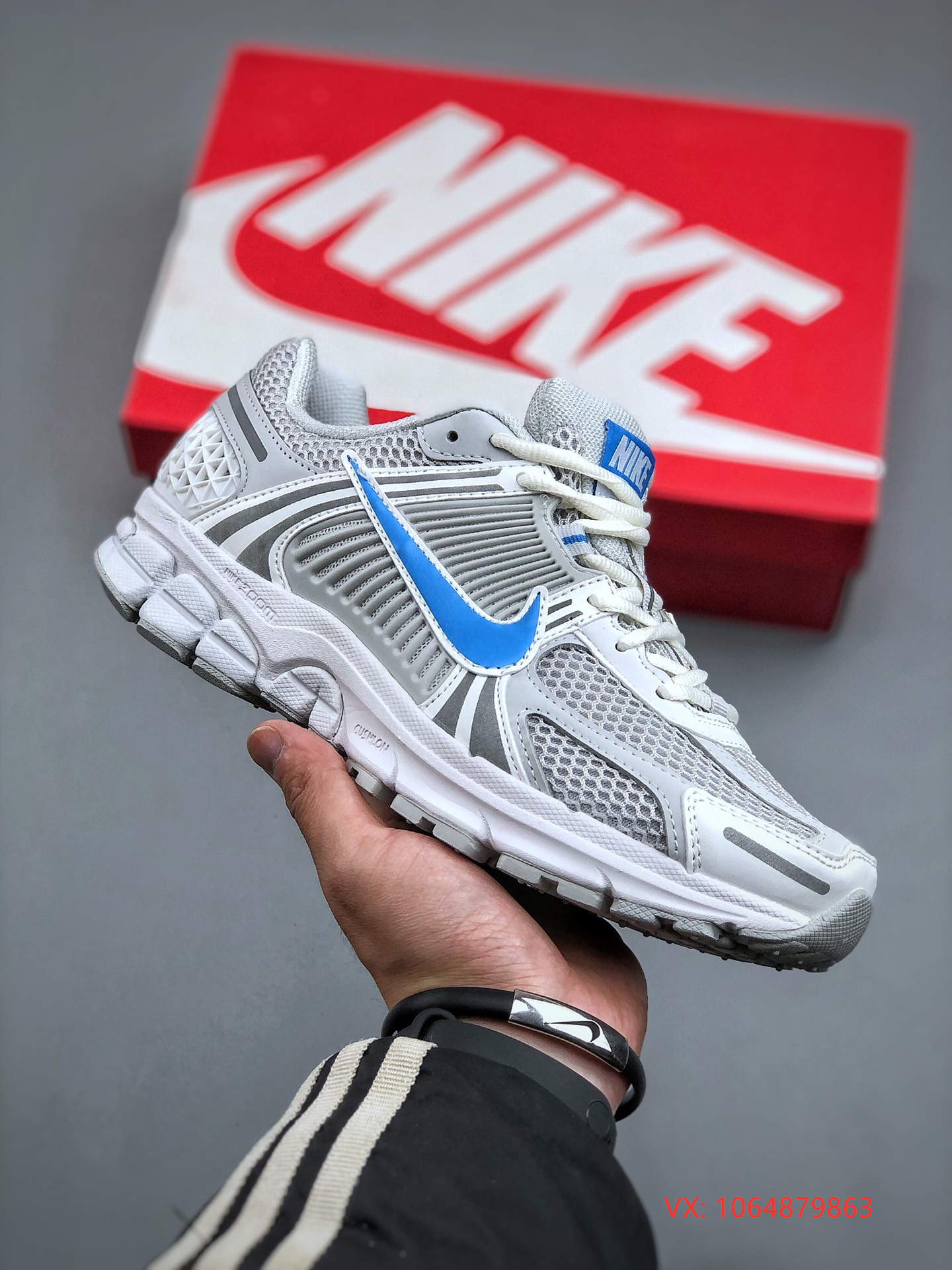
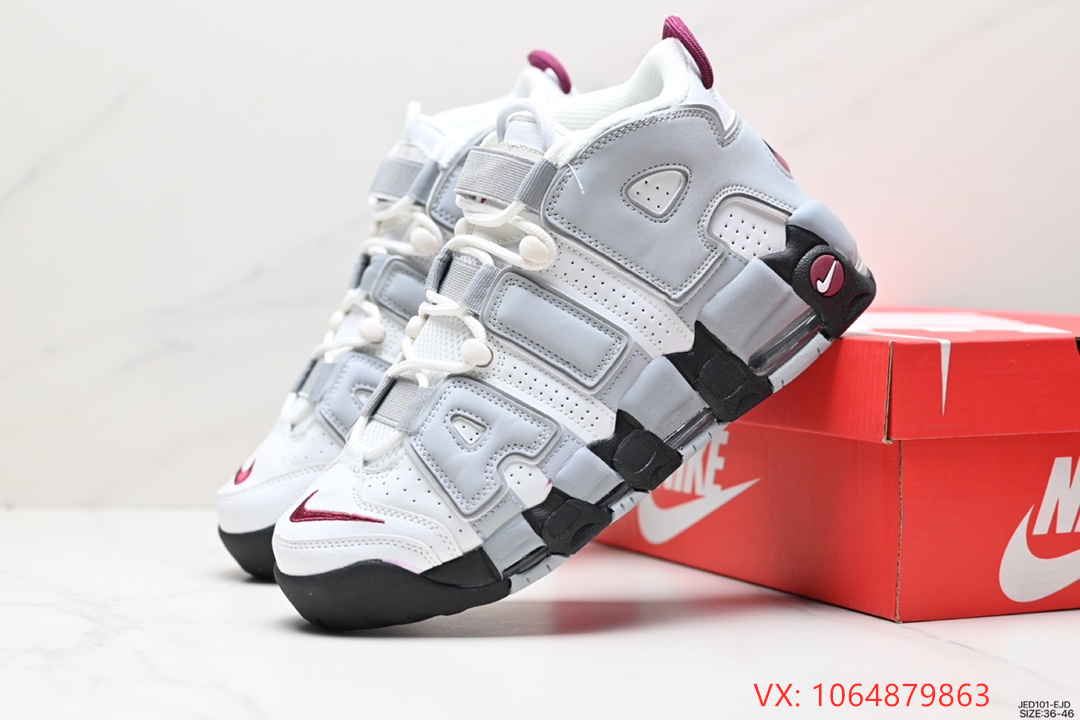
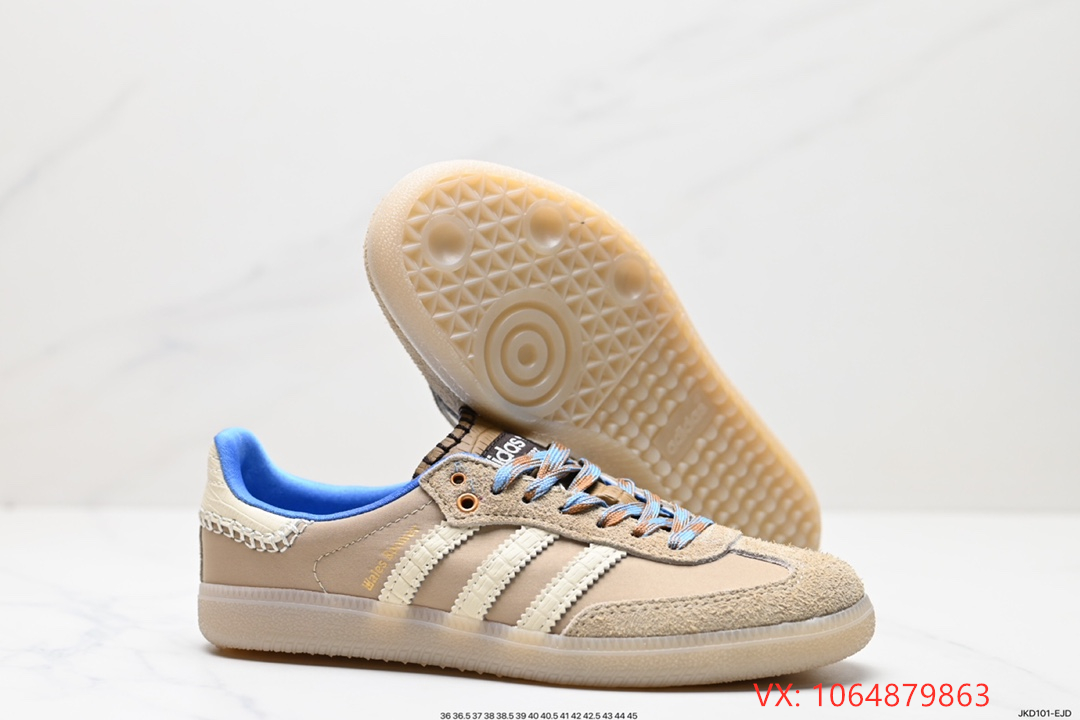
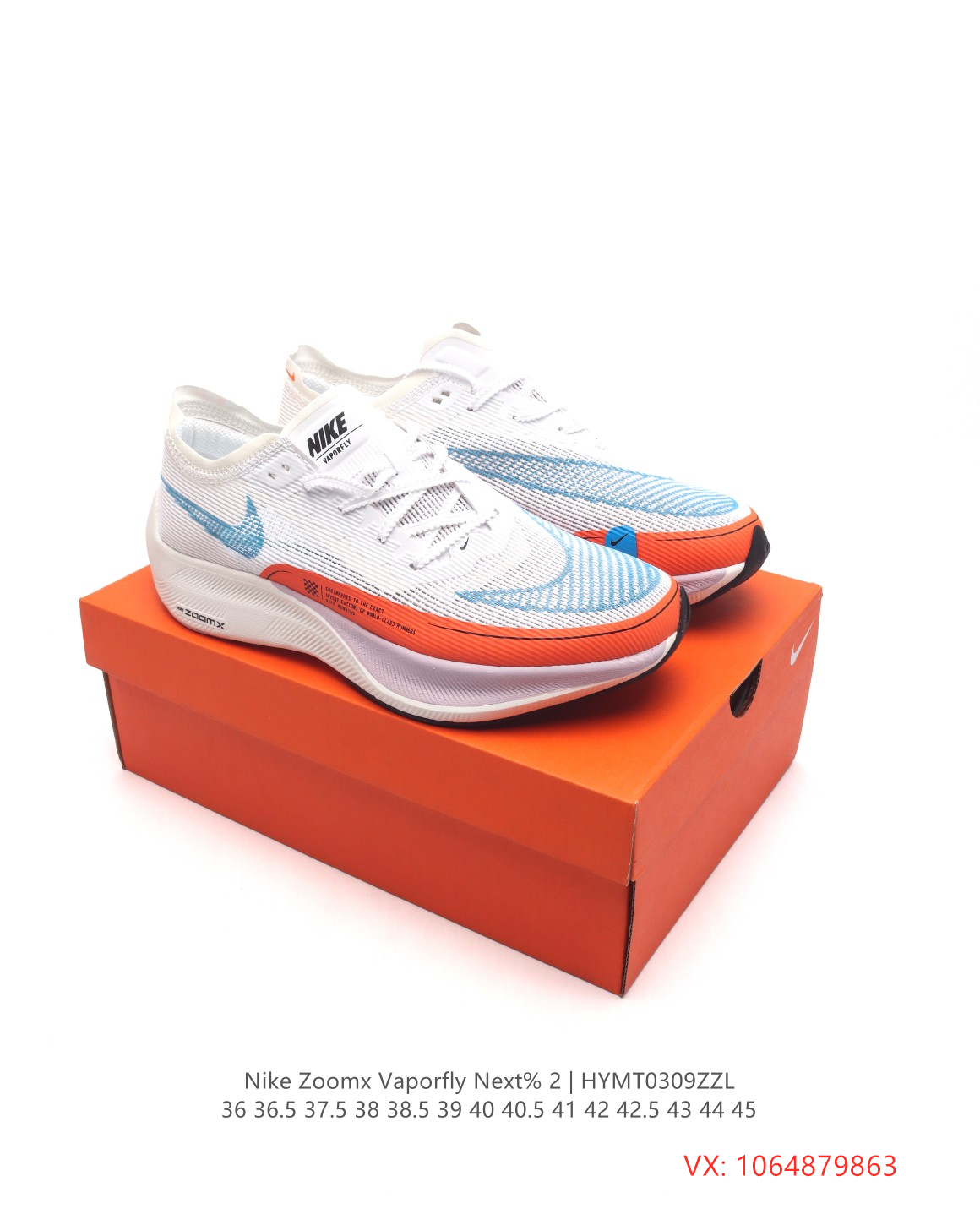
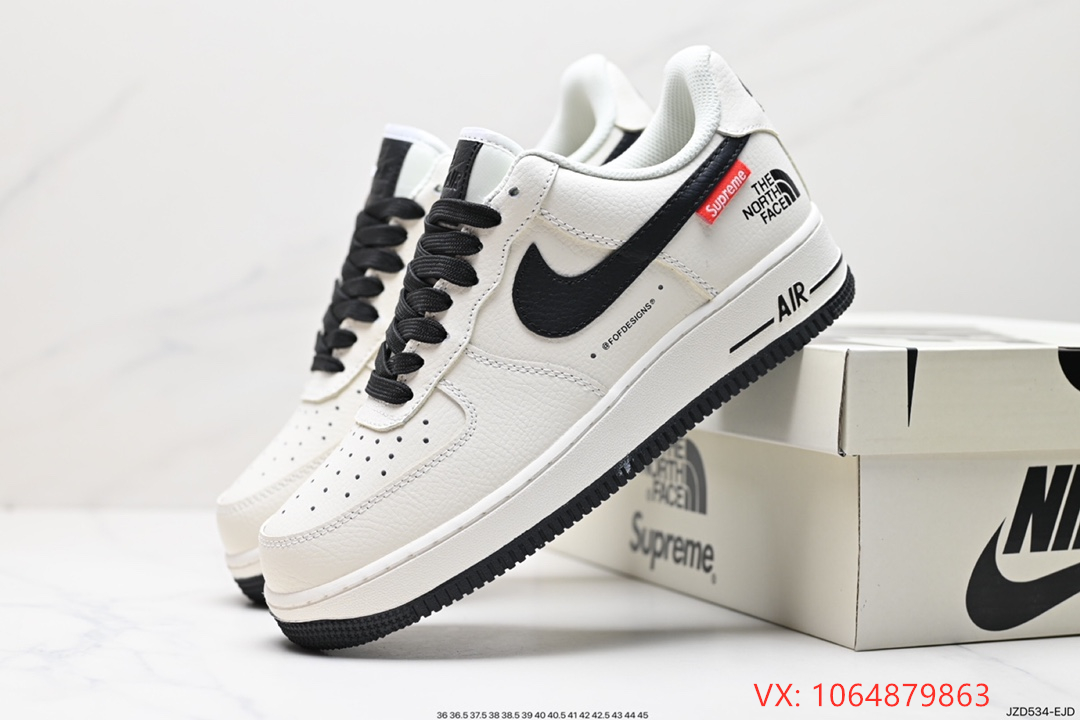
We do not just make copies of Nike or Adidas. Our factories produce everything from high-end replicas that fool even experts, to OEM products for small Western streetwear brands that you might never see in a big department store. Some of our clients want the "1:1" quality, where the glue lines are invisible and the foam feels exactly like the original. Others want us to design something unique using our molds but with their own branding. The diversity of products we handle is staggering. You will find basketball shoes, running sneakers, lifestyle classics, and even niche skate shoes all under one roof. The key is knowing which factory speaks your language and understands your specific vision.
Navigating the Anfu Market: A Buyer's Reality Check
If you decide to fly here to source directly, forget the idea of walking into a clean showroom and signing a contract immediately. The Anfu E-commerce City is a maze of narrow corridors, flashing neon signs, and endless rows of shoe boxes stacked floor-to-ceiling. It looks chaotic to an outsider, but it is a well-oiled machine if you know how to move through it. When I meet a new buyer, my first piece of advice is always to leave your expectations at the door. Do not look for a single shop that sells everything; instead, treat this as a scavenger hunt.
The Art of the Walk-Through
When you step onto the ground floor, ignore the flashy displays. Those are often just samples meant to catch the eye of tourists. Real action happens on the upper floors or in the back rooms where the actual inventory is stored. I tell my foreign partners to walk the aisles without saying a word first. Look at the stitching, feel the leather grain, and check the sole flexibility. In this market, quality varies wildly between shops. One stall might sell top-tier "Pure Originals," while the next door down sells low-grade knockoffs that fall apart after two weeks. You need to train your eyes to spot the difference before you even open your mouth to negotiate.
Reading the Room: Who Are You Talking To?
Not every person behind the counter is a factory owner. Many are middlemen who buy from the real producers and resell to you at a markup. This is why finding the right contact is crucial. If you are looking for Pute high-quality sneakers, you need to find the guys who have the factory tags hanging around their necks or who can show you the production line photos on their phones. Ask them direct questions about their supply chain. Do they control the molds? Do they import the raw materials themselves? If they hesitate or give vague answers, walk away. The best deals come from direct connections with the source, not intermediaries trying to pad their profit margins.
From Sample to Shipment: The Sourcing Process
once you have identified a few promising stalls, the real work begins. This is where many overseas buyers get stuck because they try to rush the process. In Pute, speed is good, but precision is better. We start with sampling. Never place a bulk order based on a photo sent via WhatsApp. Photos can be edited, colors can be skewed, and textures can be faked in images. You must see the physical product.
Inspecting the Details
When we sit down to inspect a sample, I guide my clients to look at the "small details" that define quality. Check the alignment of the logo, the density of the midsole foam, and the smell of the glue. High-quality Pute shoes should not smell like chemical solvents; they should smell neutral or like fresh rubber. Also, pay attention to the packaging. While some buyers prefer plain boxes to save costs, others want the full experience with dust bags and extra laces. Be specific about what you want. If you are sourcing for a boutique brand, tell them you need custom branding options. If you are a dropshipper, tell them you need fast shipping and no branding on the box. Clarity prevents mistakes.
Negotiating and Securing the Deal
Talk is cheap, but numbers speak louder. When we discuss pricing, remember that the lowest price is rarely the best value. In the world of wholesale Chinese sneakers, there is a direct correlation between cost and material quality. A pair selling for $15 is likely made with inferior glue and synthetic leather that cracks easily. A pair selling for $40-$60 might use premium TPU and genuine suede. Don't be afraid to haggle, but do it respectfully. Show them you understand the market. Mention that you plan to return for repeat orders if the quality holds up. Long-term relationships are the currency of this market. once we agree on the price and the sample approval, we move to payment and logistics. Always use secure payment methods and insist on a detailed invoice that matches the shipment contents.
Avoiding Pitfalls and Building Trust
Finally, let's talk about the risks. The internet is full of horror stories about scams, but the truth is that most issues arise from poor communication or unrealistic expectations. One common mistake is assuming that "Pute" means "cheap junk." That stereotype is outdated. Today, many of our factories produce shoes that rival the major global brands in comfort and durability. However, you must verify the reputation of the seller. Ask for references from other international clients. Check their history on platforms like Alibaba or rely on word-of-mouth recommendations from trusted agents.
The importance of Patience
Patience is your greatest asset here. Shipping times can vary, customs inspections happen, and sometimes production delays occur due to material shortages. Do not panic if a shipment takes a week longer than expected. Build a buffer into your timeline. Also, be wary of sellers who promise miracles—like same-day delivery of thousands of pairs. That simply does not exist in the manufacturing world. By taking the time to visit the market, inspect the goods personally, and build a genuine relationship with the local merchants, you transform from a naive tourist into a savvy buyer. The Pute market is vast, but with the right approach, it offers opportunities that no other supplier in the world can match.