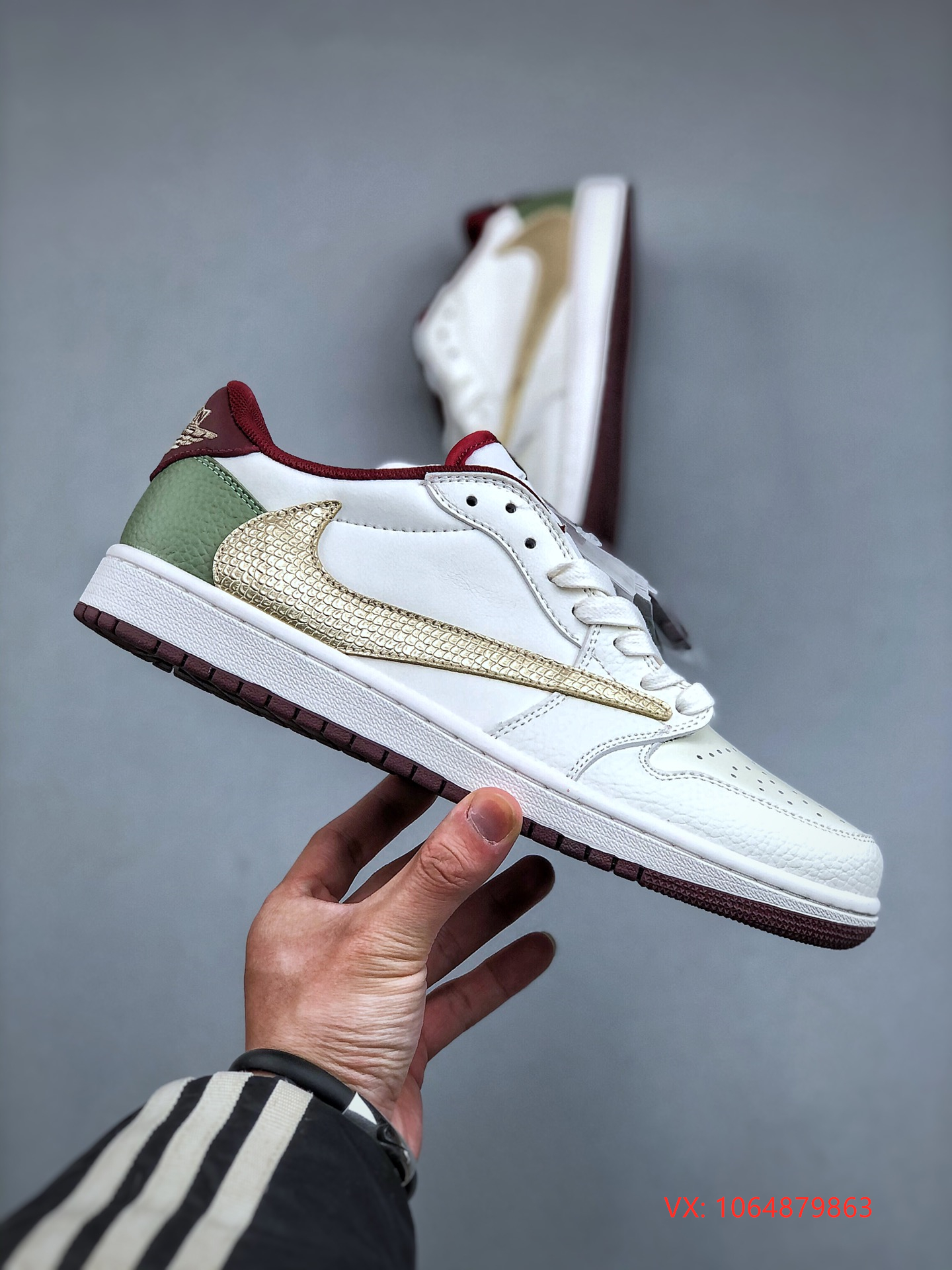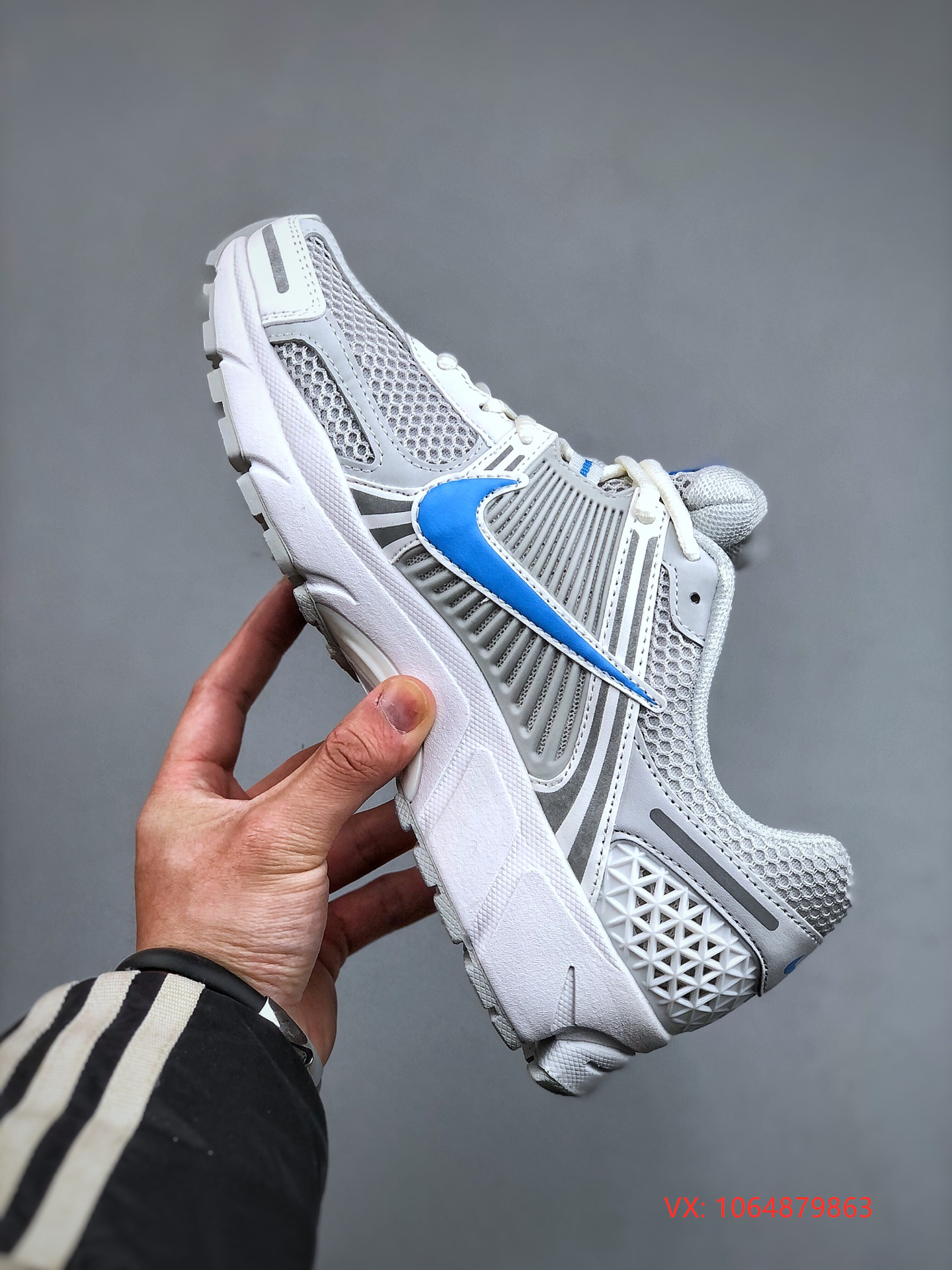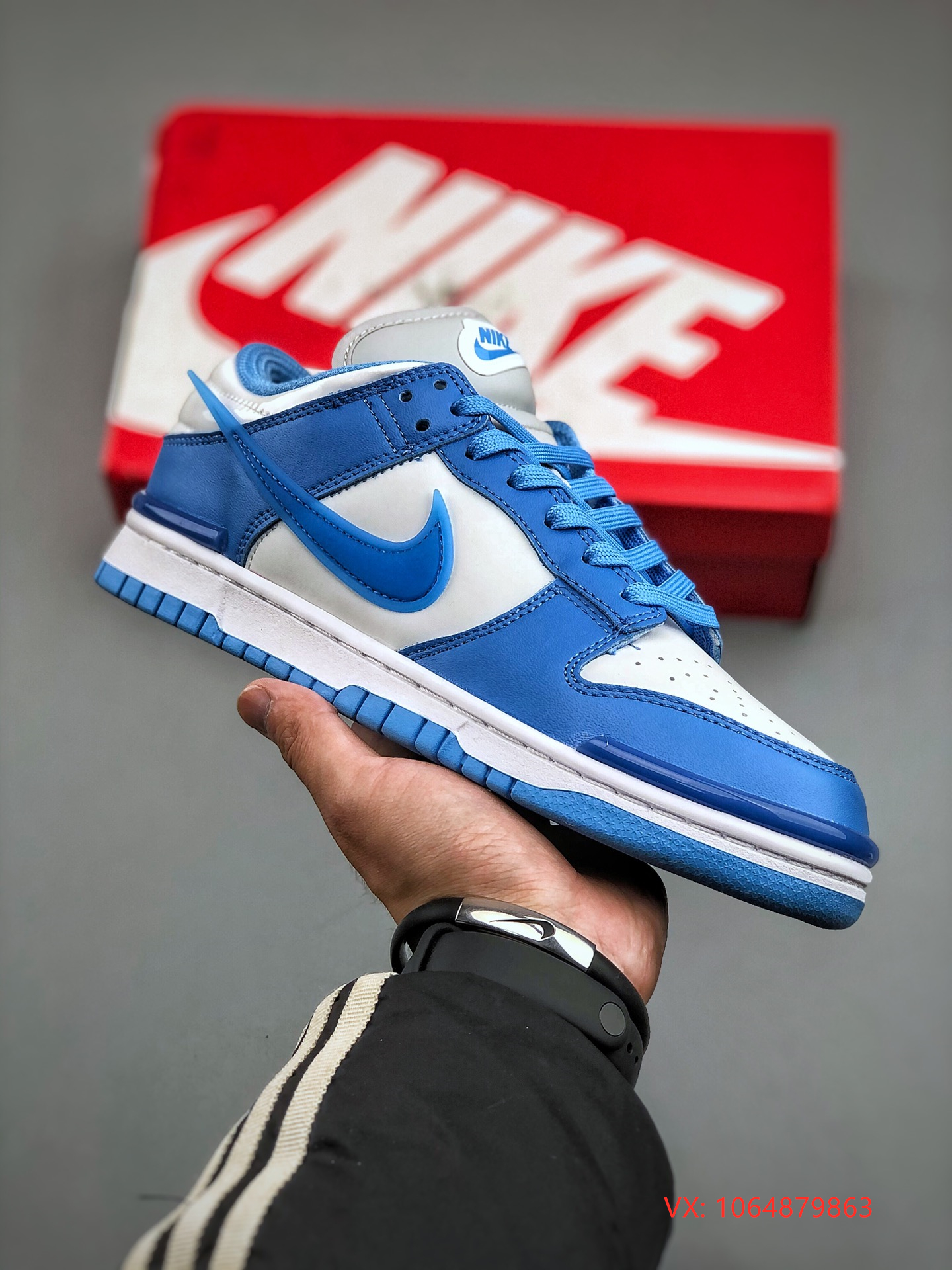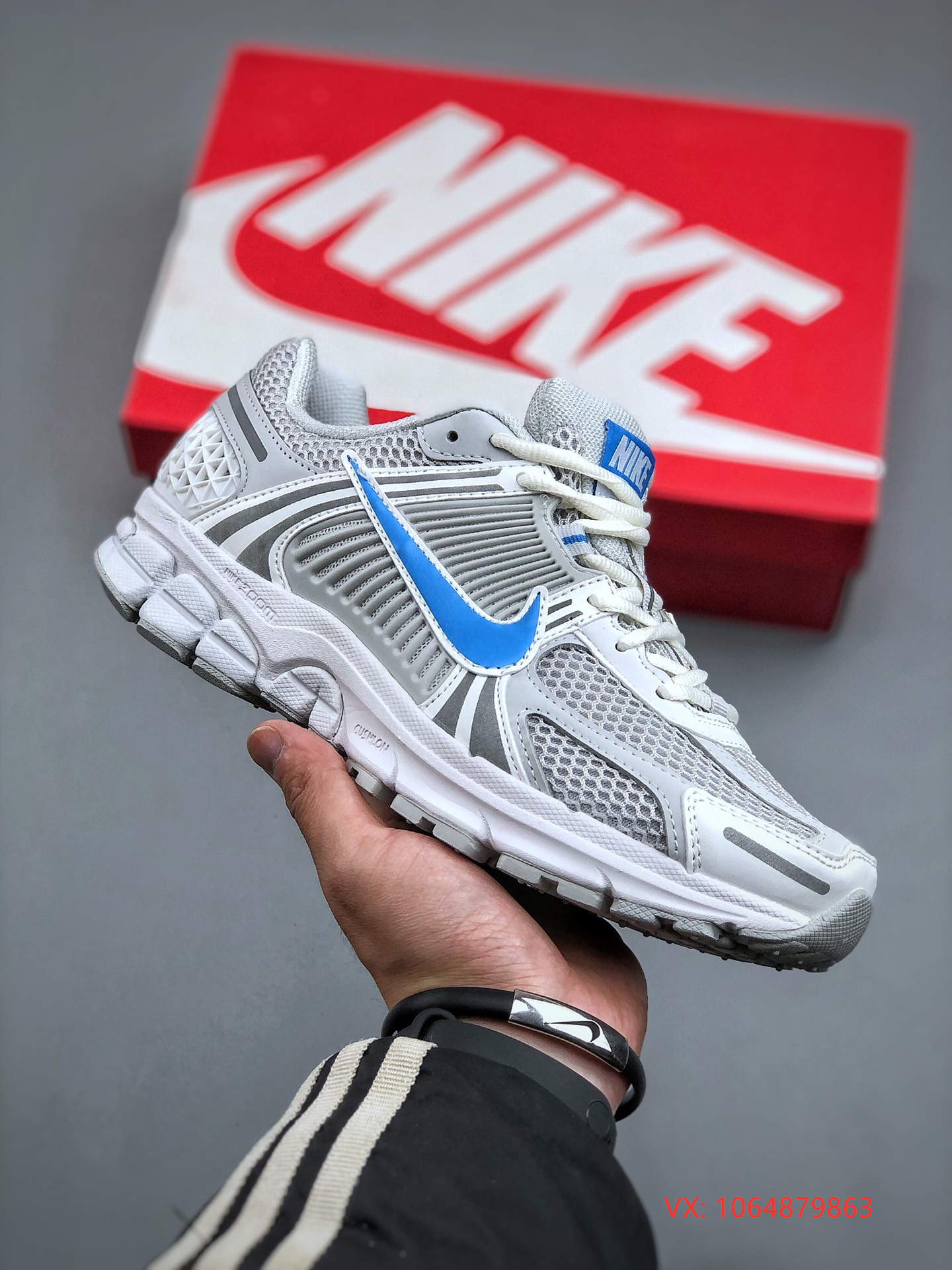
What's Actually Under the Sole? The Real Talk on Putian Shoe Materials
Welcome to the real deal. I've been standing in the Anfu E-Commerce City, that chaotic maze of corridors and neon lights, for over fifteen years. While the internet is flooded with generic articles claiming to know everything about "Putian shoes," most of them are written by people who have never touched a single pair of sneakers in this market. They don't understand the smell of fresh glue, the heat of the injection machines, or the specific way a buyer from New York or London tries to negotiate when they walk into my booth. Today, I want to cut through the noise and answer your burning question: what exactly are these soles made of?
The Myth of the "Fake" Material
First, let's clear up a massive misconception. When you ask foreign buyers what material is used, many assume it's cheap plastic or toxic rubber because it's not Nike or Adidas. That is completely wrong. In the high-end tiers of our market, we use the exact same raw materials as the big brands. If you are looking for the top-tier replicas, often called "L4" or "Pure Original" quality, the sole compound is usually TPU (Thermoplastic Polyurethane) or high-density EVA foam. These are the same materials sourced from suppliers like Sinopec or imported directly from Japan and South Korea.
I remember a client from Germany last year who was skeptical. He brought a sample from a local factory and asked me to compare it with his supplier's batch. We sat right here in my office, cutting open the midsoles side by side. The density, the rebound, even the chemical composition were identical. The difference wasn't the material; it was the molding process and the QC standards. If you buy the lowest tier, yes, you get hard, brittle rubber that cracks after a week. But if you know how to pick the right vendor, the base material is premium.
Navigating the Anfu Market: How to Spot Quality Soles
Walking through the corridors of Anfu can be overwhelming. There are hundreds of booths, each shouting different prices. As an old shop owner, I tell my international friends: do not trust the photos on WhatsApp alone. You need to see the physical product. When you come to visit, look at the texture of the outsole. High-quality PU (Polyurethane) has a fine, uniform grain. Cheap versions often have visible bubbles or a rough, uneven surface because the mixing ratio was off.
Reading the Mold and the Weight
One trick I teach every buyer is checking the weight. A genuine Air Max 90 sole unit weighs a specific amount. If you hold two pairs, one from a "premium" booth and one from a discount stall, the lighter one might feel hollow. That's a sign of low-density EVA. We use a specific blend that mimics the air cushioning effect perfectly. Another thing to check is the mold lines. On the bottom of the shoe, near the heel, there should be no excess flash or rough edges. If the mold is dirty or worn out, the final product will have imperfections that ruin the look.
When you are negotiating with a supplier, ask specifically about the "midsole density." This is a term we use locally. If they hesitate or give you a vague answer, run. A confident boss will tell you, "We use 100% imported EVA from X brand, density is 35kg/m3." That level of detail shows they actually control their supply chain. Don't settle for "high quality" as a buzzword. Demand the specs.
From Factory Floor to Your Warehouse: The Procurement Reality
Many overseas buyers try to order via Alibaba or random agents without ever seeing the goods. This is where the biggest mistakes happen. The "Putian shoe" label covers everything from $5 fakes to $80 masterpieces. To get the latter, you need to build a relationship with a trusted source. I've seen too many clients lose money because they ordered based on a picture that was edited to hide the flaws in the sole bonding.
The Inspection Process You Can't Skip
Before you ship anything out of China, you must inspect the goods. In my shop, we have a dedicated area for this. We bend the shoe, twist the sole, and check the glue line between the upper and the midsole. If the glue isn't applied evenly, the sole will separate after a few runs. This is common in lower-tier production but rare in the high-end batches I manage. For serious buyers, I always recommend sending a third-party inspector or visiting personally during the peak season, which is usually before Chinese New Year or major holidays.
Also, pay attention to the packaging. Yes, it sounds silly, but the box and the dust bag matter. If the box is flimsy and the sole is premium, something feels off. Consistency is key. We ensure that the packaging matches the quality of the product inside. This builds trust with your end customers. If you are sourcing for a boutique store, you need consistency across thousands of units. One bad batch can ruin your reputation.
Building Trust in a Sea of Options
The market in Putian is evolving. It's no longer just about making cheap knockoffs. We are becoming a hub for high-quality manufacturing that rivals the giants. But the barrier to entry is still high for those who don't know the language or the culture. Communication is everything. When you talk to us, be direct. Tell us your target price, your volume, and your quality requirements. Don't try to play games. We appreciate honesty because it helps us match you with the right factory.
If you are looking for "Putian shoes wholesale" or "high quality replica sneakers supplier," remember that the best deals aren't found online. They are found in person, shaking hands, smelling the rubber, and testing the bounce. Come to Anfu, walk the floors, and talk to the bosses who have been here for decades. We know the materials, we know the molds, and we know how to deliver. Let's build a business that lasts, not just a quick transaction.