Walking the Streets of Anfu: Where Your "Putian Shoes" Are Actually Made
Listen, I've been standing in this exact spot for over fifteen years. While you might be scrolling through Google looking for "where are Putian shoes manufactured," the truth is a lot messier and more interesting than a simple factory address on a map. If you are an overseas buyer trying to source footwear from China, stop thinking about big corporate factories with neon signs. The heart of the Putian shoe industry beats in the narrow alleys and bustling corridors of the Anfu E-commerce City. That is where the magic happens, where the molds are hidden, and where the real deals get made.
The Myth of the Single Factory
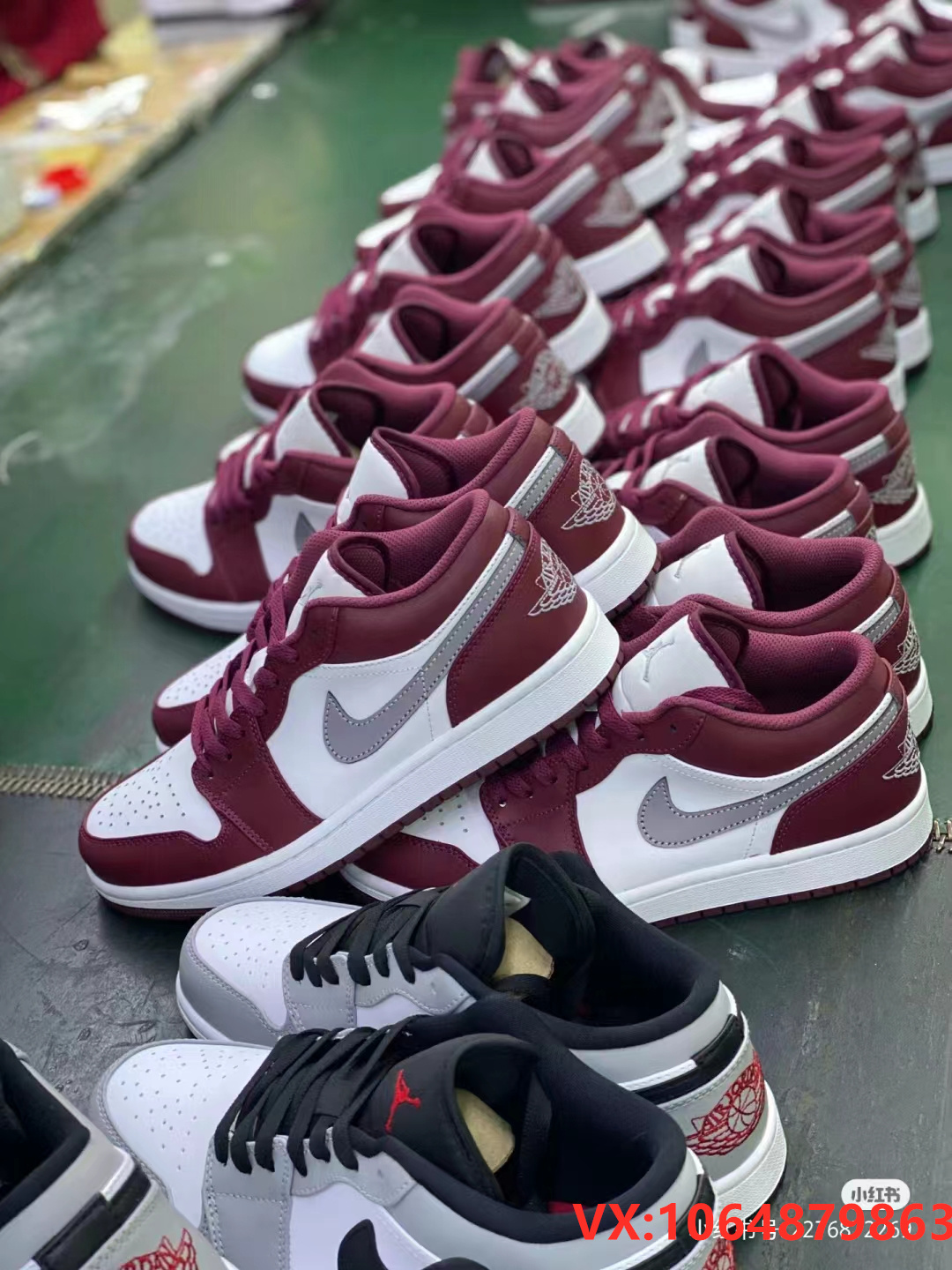
First, let's clear up a huge misconception. You won't find one giant building labeled "Putian Shoe Production." The ecosystem here is decentralized. When you ask me where they are produced, I have to tell you that the supply chain is scattered across the entire city, but the hub is undeniably Anfu. Most of the high-quality replicas or "super copies" you hear about start their journey in small workshops tucked away in residential compounds in the Chengxiang District. These aren't industrial parks; they are converted apartments and small garages where skilled craftsmen work late into the night.
Navigating the Anfu E-commerce City: A Local's Guide
If you want to see the product before you buy, you need to come to Anfu. It is not just a market; it is a living organism. For foreign buyers, the first time walking into Anfu can be overwhelming. The air smells like rubber and glue, and the noise level is deafening. But if you know how to navigate, it is the best place in the world to find your next inventory.
Understanding the Layout and Zones
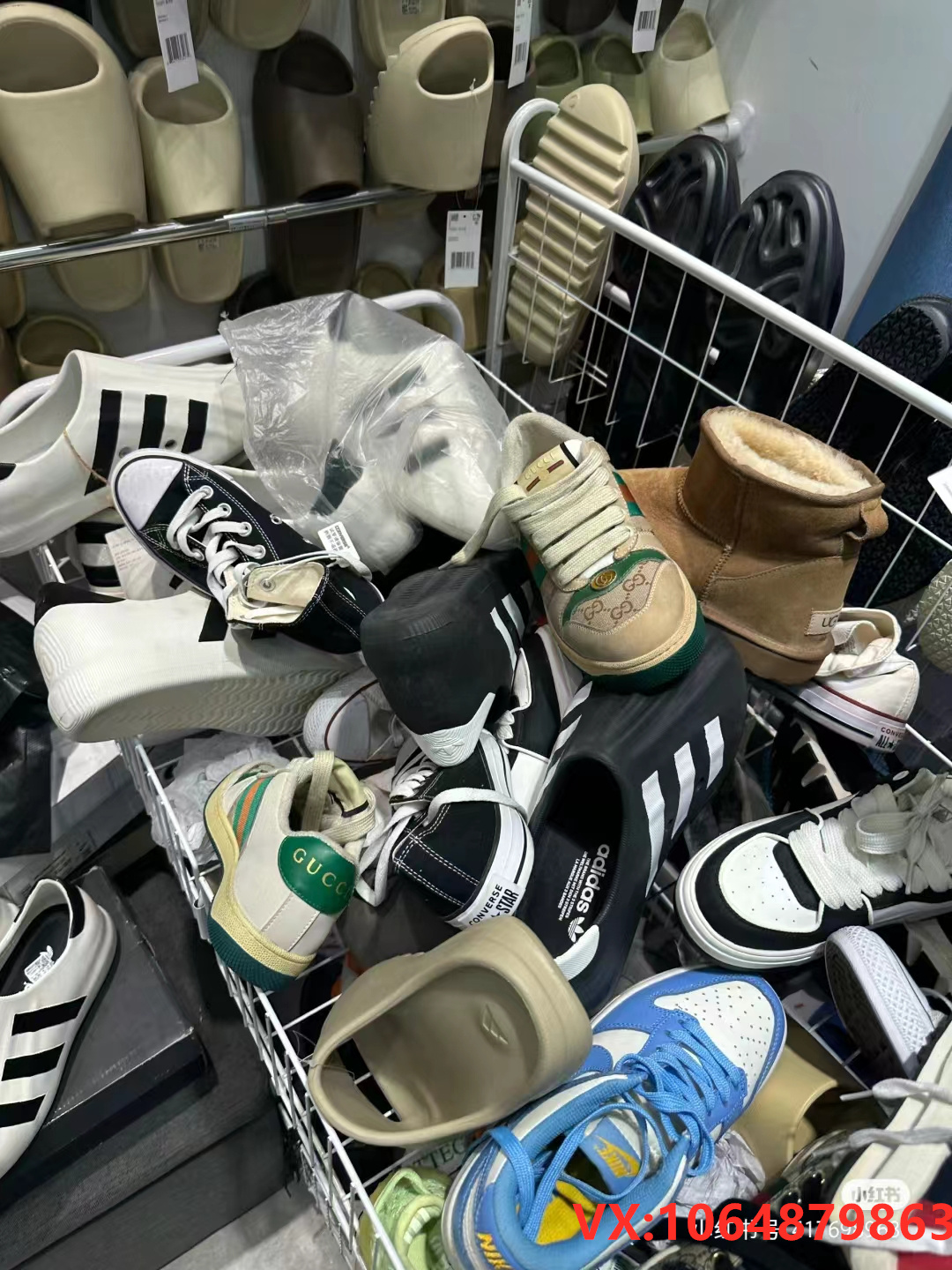
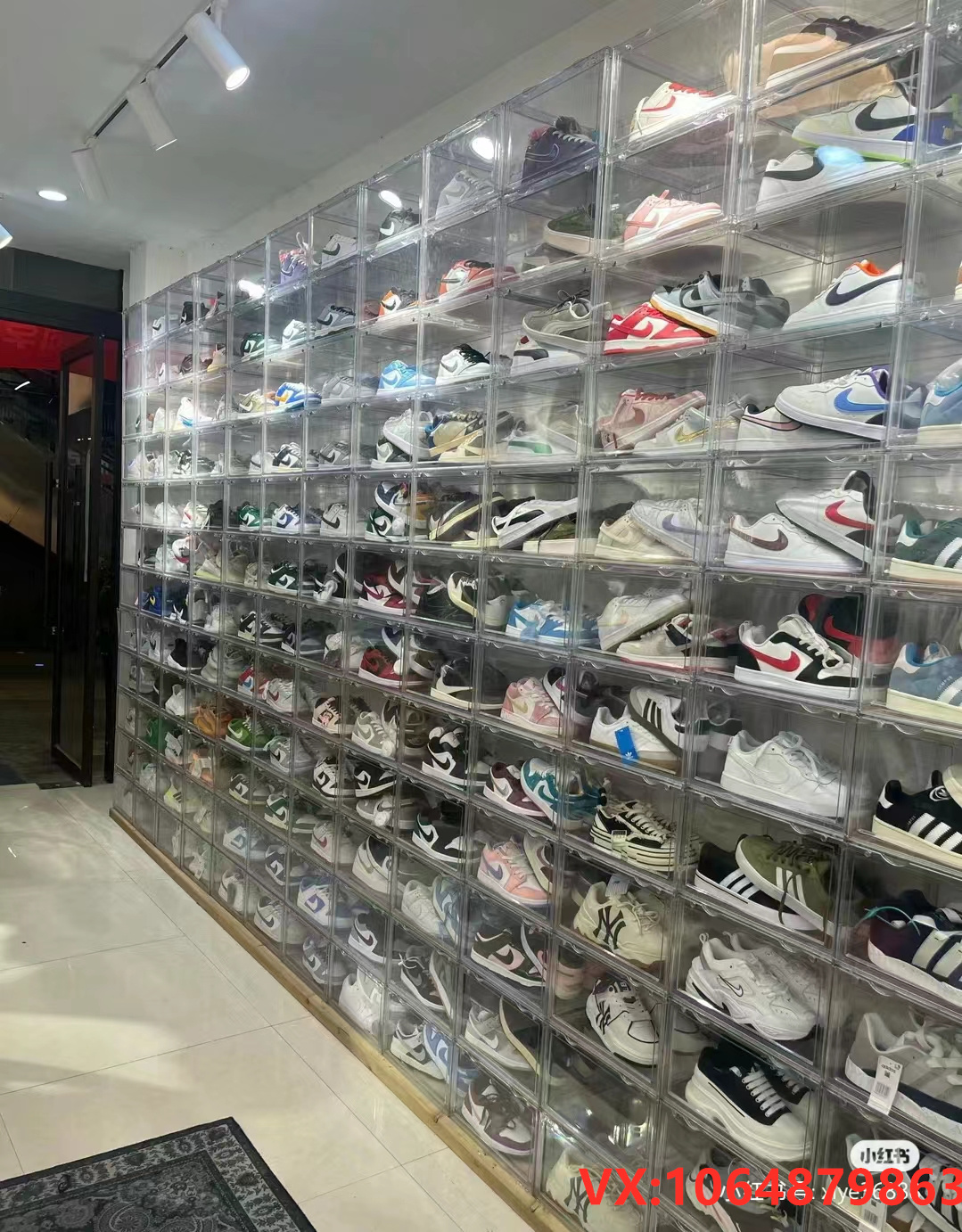
Anfu isn't a single room. It is a complex of several buildings connected by walkways. The ground floor is mostly for the tourists and casual shoppers, filled with flashy displays. But the real action—the wholesale sourcing—happens on the upper floors and in the back corridors. This is where the serious vendors operate. They don't put their best stock on the front counter. You have to build a relationship to get the keys to the back rooms where the latest molds are kept.
How to Spot the Real Vendors
When you walk in, ignore the guys shouting prices at you from the street. Those are middlemen. Look for the shops with glass doors that are slightly open, revealing stacks of boxes inside. These are the direct sources. In my experience, the best vendors for "high quality sneakers" often don't even have English signage. They rely on WeChat and word-of-mouth. If you see a shop with a computer setup showing detailed photos of soles and stitching, that is your target. They are the ones who understand the nuances of the "top tier" vs. "mid-tier" production.
The Art of Sourcing: What to Look For On the Floor
once you are inside a vendor's shop, the game changes. You aren't just buying shoes; you are evaluating craftsmanship. As a local boss, I always tell my international clients to look past the logo. The logo is easy to copy. The real value lies in the materials and the construction.
Inspecting the Materials and Molds
Ask to see the raw materials. Do they have access to genuine leather? Is the foam in the midsole the same density as the original brand? In Putian, we have different grades of production. Some workshops use cheap EVA foam that flattens after a week, while others use the same injection molding machines as the big brands. When you are picking your stock, run your fingers over the texture. Feel the weight. A good pair of "replica sneakers" should feel substantial, not flimsy. Don't be afraid to bend the sole; if it cracks or feels too stiff, it's low-grade production.
Verifying the "Top Tier" Quality
There is a specific term used in our circle: "1:1 quality." This means the mold is identical to the original. To verify this, compare the shoe in your hand with the official product images online. Check the alignment of the stripes, the shape of the heel tab, and the font on the tongue. In Anfu, the vendors pride themselves on these details. If a vendor hesitates when you ask for a comparison, walk away. The honest ones will pull out their own reference samples to show you exactly what they mean.
Dealing and Negotiation: Secrets of the Trade
Now, let's talk about the money. Pricing in Putian is not fixed. It is a dance. Foreigners often think they can just point at a shoe and say "how much?" That is a rookie mistake. The price depends on the quantity, the season, and the specific grade of the shoe.
Building Trust Before the Deal
You cannot negotiate effectively without trust. Start by asking questions about the production process. Ask where the molds come from. Ask about the lead time. When you show genuine interest in the craft, the vendor respects you. once they see you are serious, they will drop the initial markup. For bulk orders, the margins are tight, but the volume makes it worth it. Never pay the full amount upfront unless you have established a long-term relationship. Always ask for a deposit and balance upon inspection.
Avoiding Common Pitfalls
One of the biggest mistakes I see foreigners make is ignoring the shipping logistics. Putian has excellent logistics networks, but customs regulations vary wildly by country. Be very careful about what you declare. Also, beware of "sample traps." Sometimes a vendor will send you a perfect sample, but the bulk order will be inferior. My advice? Order a small trial batch first. Test the shoes yourself. Wear them. See if the glue holds up. If the trial batch passes, then scale up. This is the only way to ensure consistency in your supply chain.
Conclusion: Why Come to Putian?
So, where are Putian shoes produced? They are produced everywhere, but they are sourced, managed, and sold in the vibrant chaos of Anfu. It is a place where tradition meets modern e-commerce, where old-school craftsmanship blends with digital marketing. If you want to succeed in this business, you cannot do it from behind a screen alone. You need to get your hands dirty, meet the people, and understand the pulse of the market. The shoes here are not just products; they are a testament to a unique industrial ecosystem that no other city can replicate. Come visit, walk the streets, and you will see why Putian remains the capital of sneaker production in the world.