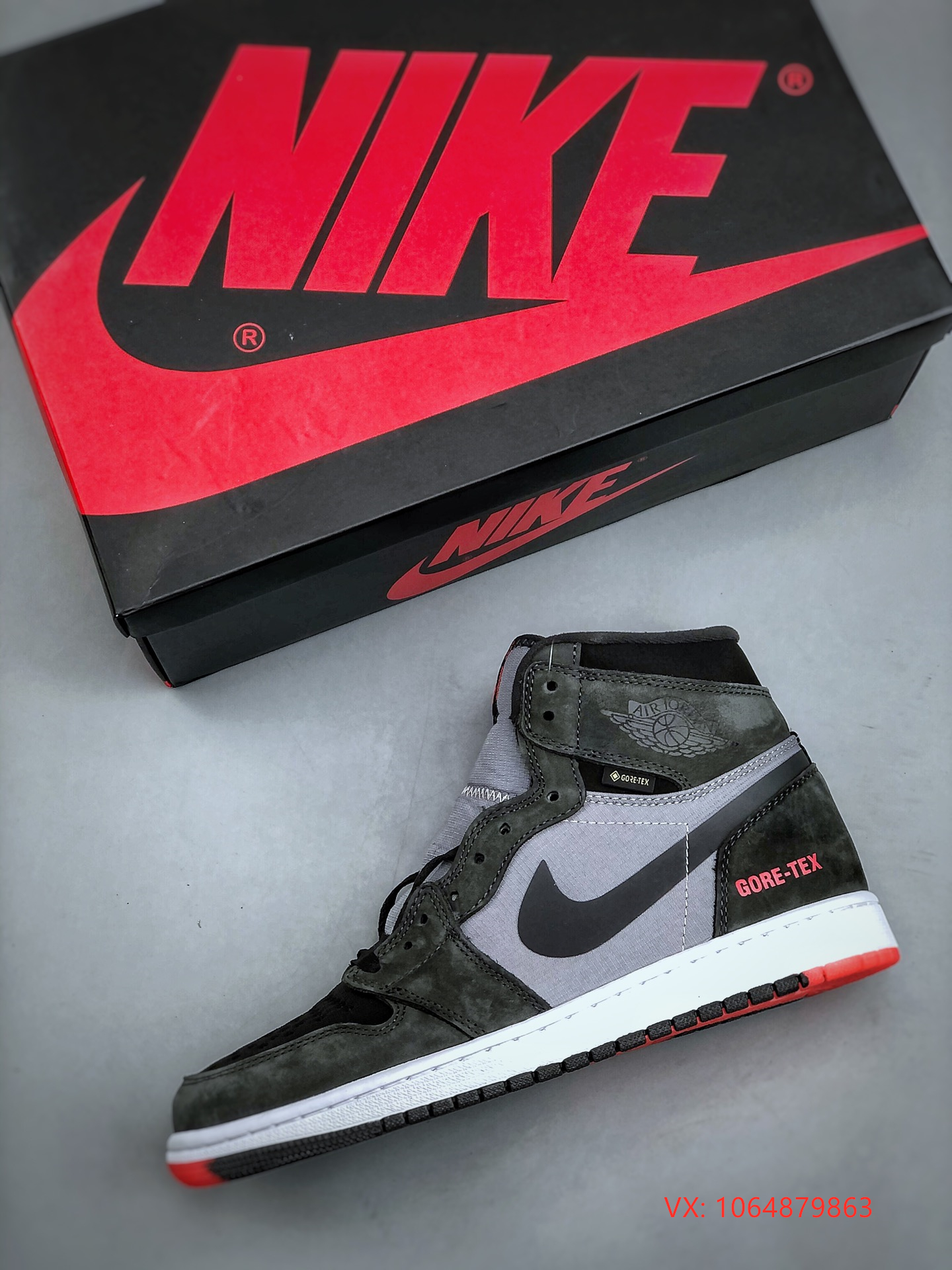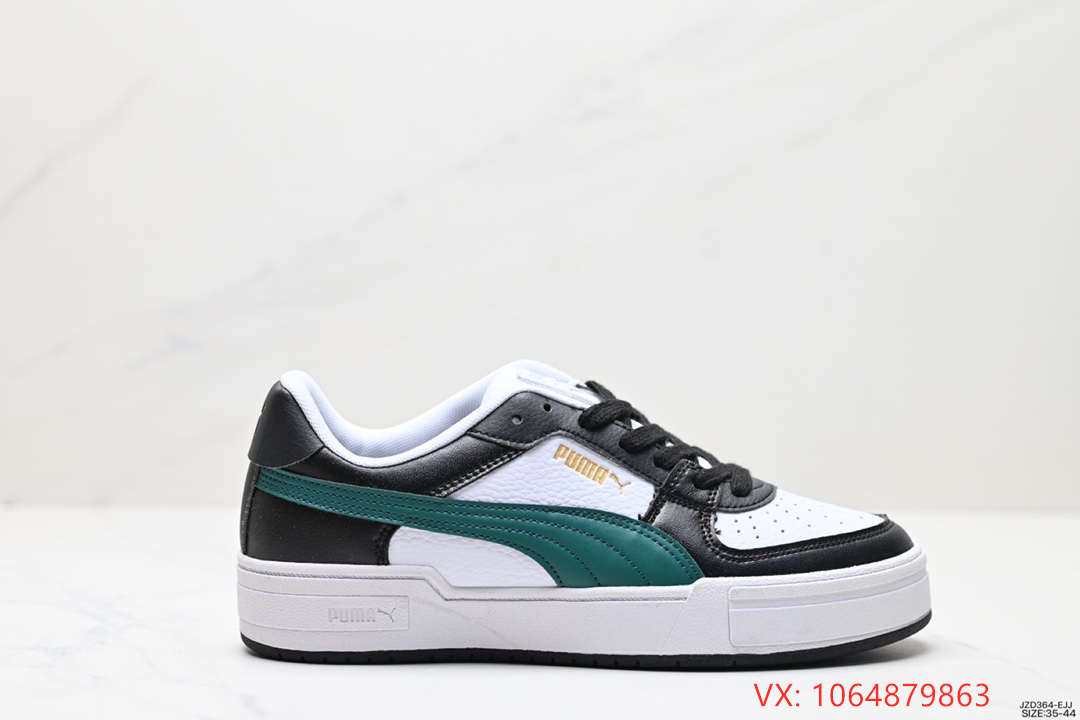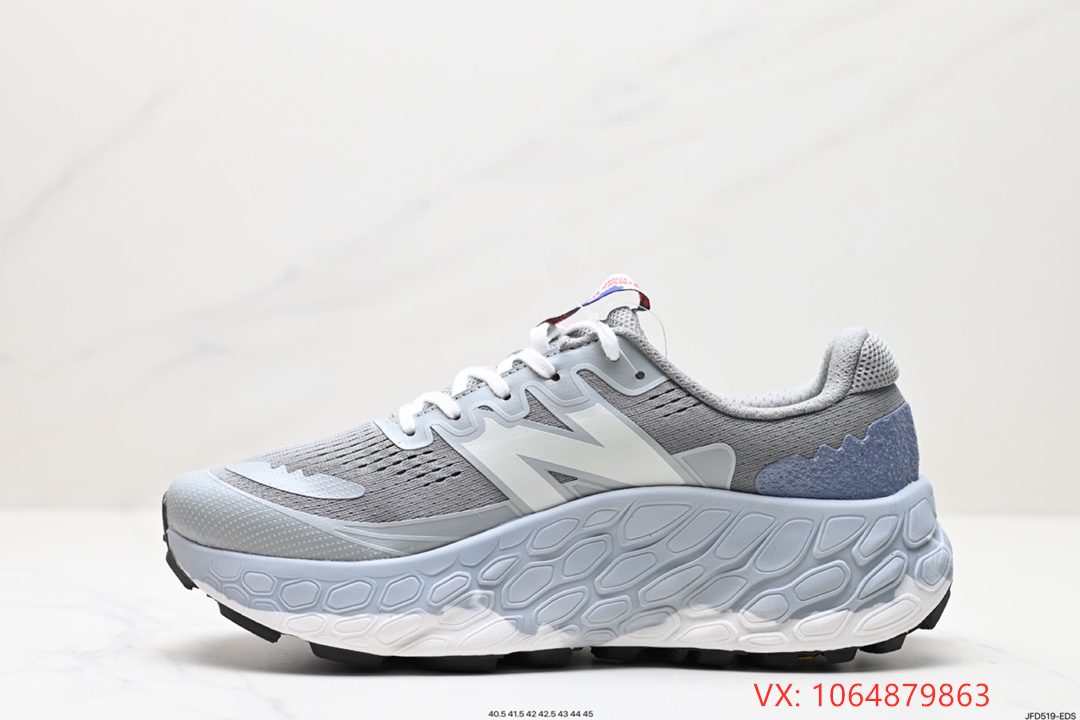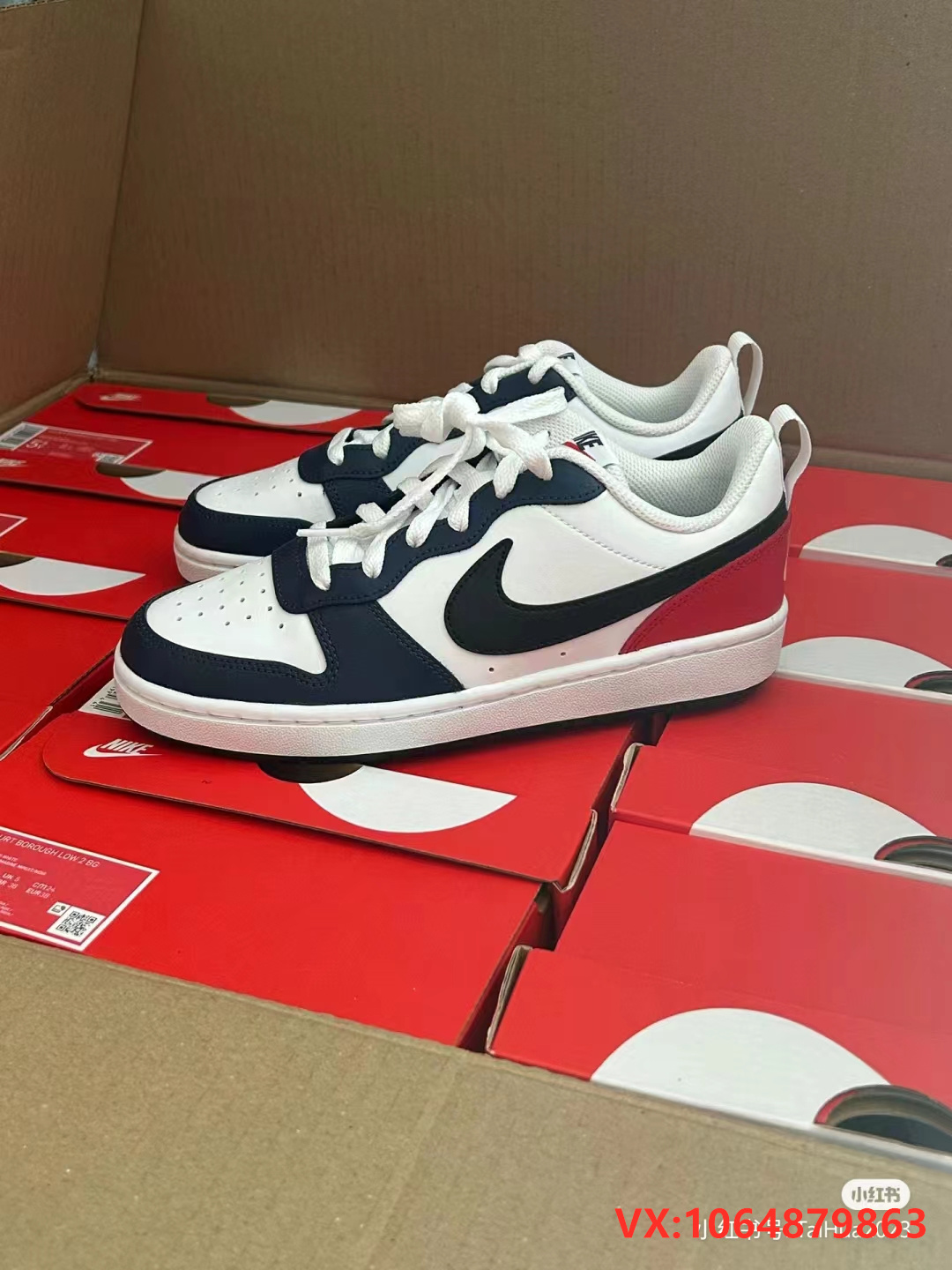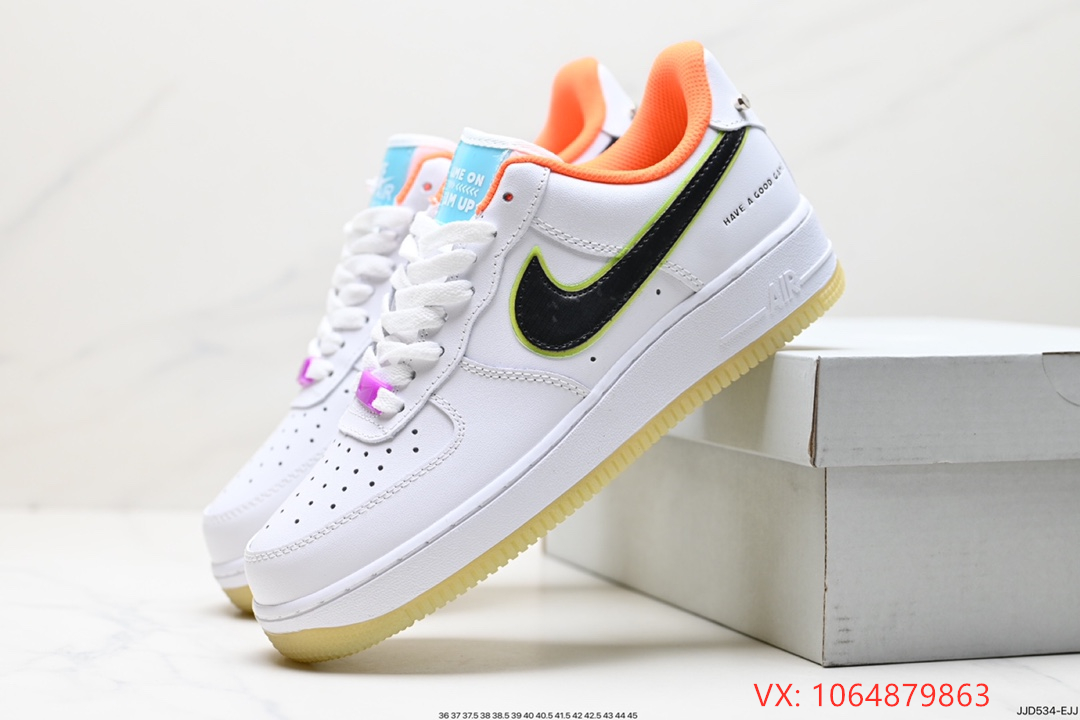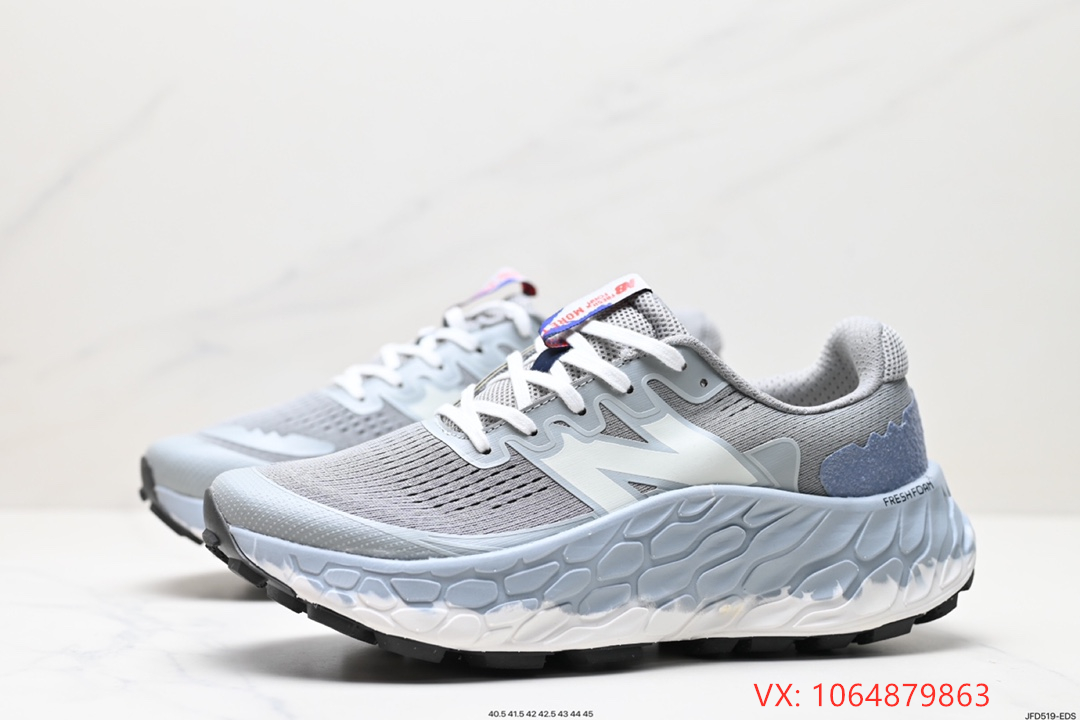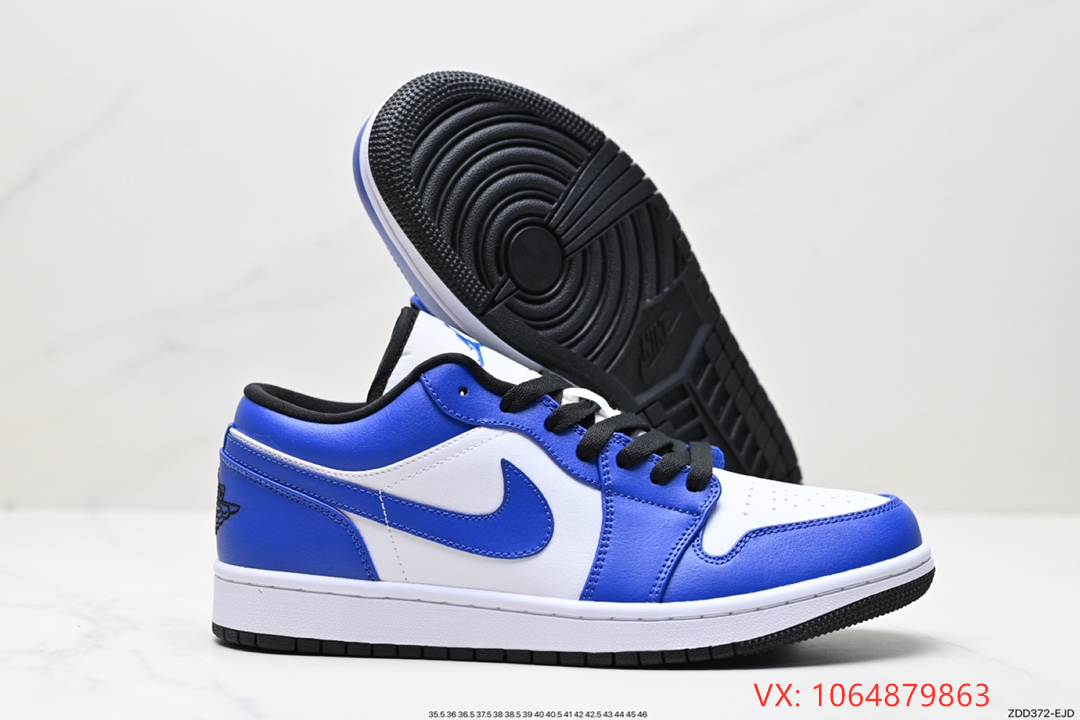
Real Talk: What You Actually Pay for "Putian Shoes" in the Market
Welcome to the floor. I've been standing behind this counter in Anfu Commercial City for over fifteen years, watching the same foreign faces come and go, asking me the same question with that hopeful glint in their eyes: "How much is a pair of Putian shoes?" Let's cut through the noise right now. If you are looking for a magic number like "$15" or "$30" that applies to everything, you are going to get ripped off before you even leave the hotel. The price isn't a single figure; it is a spectrum that depends entirely on what you want, how you want it, and who you are talking to.
In my experience dealing with international buyers, the biggest mistake is treating this market like Amazon. You cannot just click "buy." This is a physical ecosystem where relationships matter more than anything else. When you ask about the cost, you need to understand that we have different tiers of product. There is the "high copy" that looks okay from a distance but falls apart after two weeks, and then there is the "top version" that uses the same molds, materials, and sometimes even the same factory lines as the big brands. The price difference between these two can be double or triple. So, when I tell you the price, I am telling you based on the quality tier you are actually interested in.
Navigating the Chaos: Finding the Right Stall in Anfu
The First Step: Don't Trust Google Maps Alone
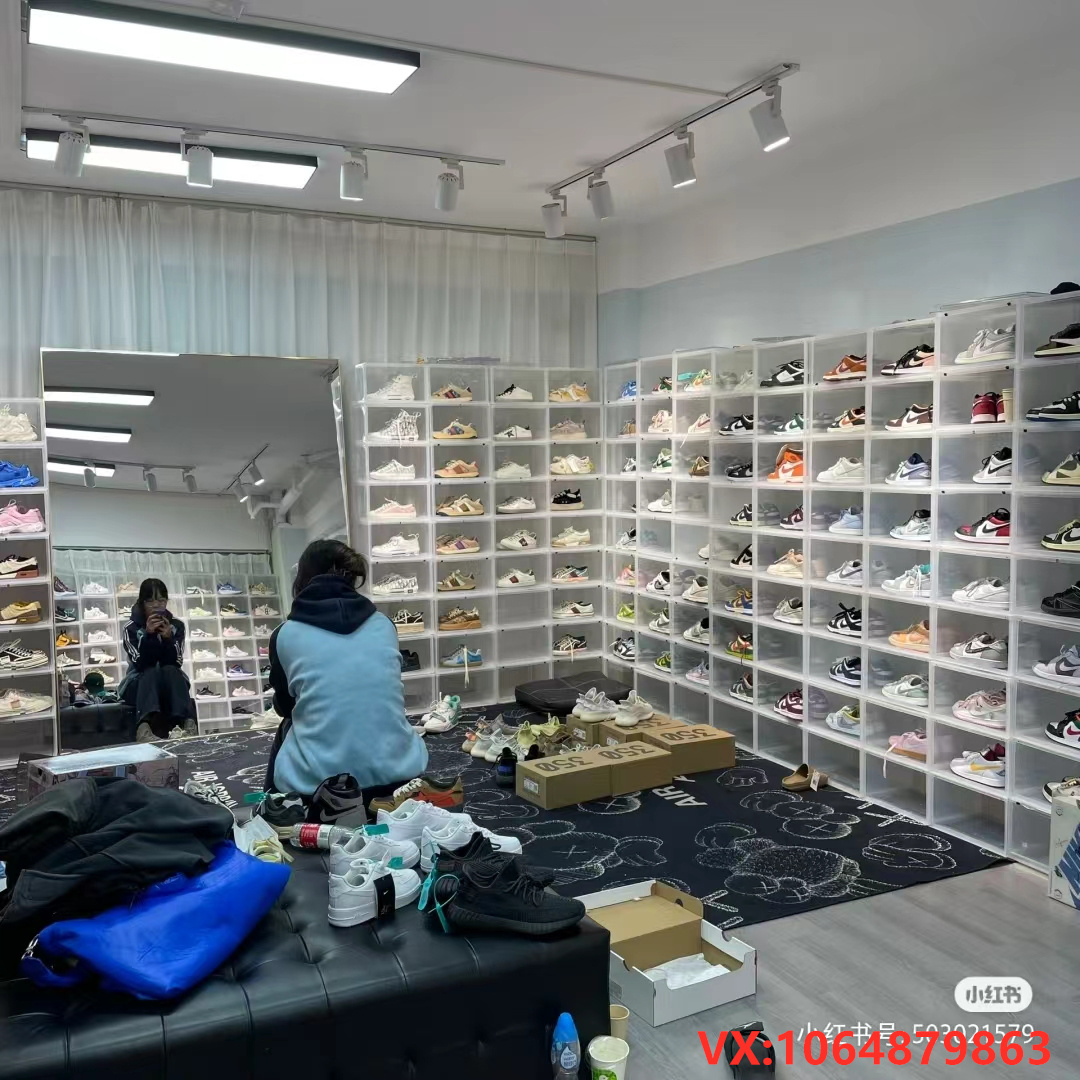
Many of my overseas friends try to find us using generic search terms like "Putian shoe wholesale supplier" or "China sneaker factory direct." They end up at hotels or small offices that look professional but have no stock. That is not where the real action is. To get the best price and the most authentic experience, you must come to Anfu. It is a massive maze of buildings, corridors, and stalls. If you walk in without a plan, you will get lost, and worse, you might get scammed by middlemen posing as factory owners.
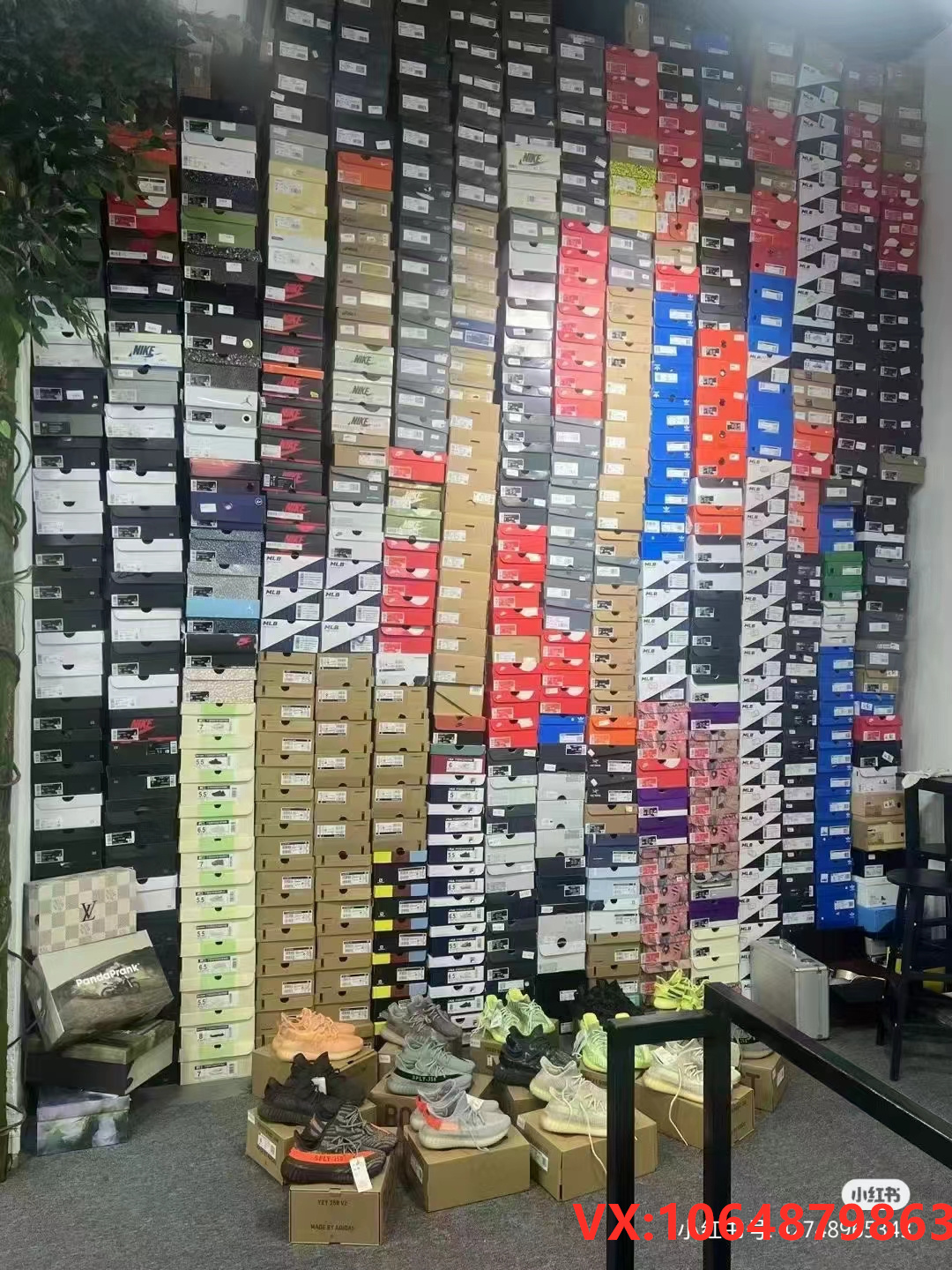
I always advise my clients to spend their first day just walking. Look at the foot traffic. Which stalls have boxes stacked high? Which ones have people trying on shoes right there on the spot? Those are the active sellers. Avoid the guys sitting behind glass counters who only show you photos on an iPad. Real inventory means you can touch, smell, and inspect the material. In Anfu, the best deals are found in the back rooms where the actual stock is kept, not in the front display areas designed for tourists.
Building Trust Before You Talk Price
Here is a secret that many SEO articles won't tell you: nobody gives you the "real" price until they trust you. In the beginning, I might quote you a higher number to see if you are a serious buyer or just a browser. If you push too hard on price immediately, you signal that you don't know the market value, and I will adjust my offer accordingly. Instead, ask about the materials. Ask about the sole rubber compound. Ask about the stitching count. When you speak the language of the product, I know you are a pro, and I will give you the wholesale rate that I reserve for my regular partners.
This is why I emphasize face-to-face meetings. We can sit down, open a box, and compare a pair of our shoes side-by-side with a genuine pair you brought from home. This level of transparency builds the foundation for a long-term business relationship. once we establish that trust, the pricing becomes transparent. You stop worrying about hidden fees because you know exactly what you are paying for.
The Pricing Tiers: Breaking Down the Costs
Understanding the "High Copy" vs. "Top Version"
Let's get specific about the numbers, because this is where the confusion lies. Generally, the entry-level "high copy" shoes, which use standard materials and basic molds, might range between $25 and $40 per pair depending on the model. These are good for casual wear, but the glue might separate, or the foam might compress quickly. Then you have the mid-range options, usually around $45 to $60, which feature better leather and improved cushioning technology.
But the real money is in the "Top Version" or "1:1" replicas. These are the ones that mimic the original brand's manufacturing process almost perfectly. For these, the price typically starts at $70 and can go up to $90 or more for limited edition models. Why so high? Because the molds cost thousands of dollars to create, and the materials are sourced from the same suppliers as the big brands. If someone offers you a "Top Version" for $30, run away. It is impossible. The raw material costs alone would eat up their profit margin. Always remember: if it sounds too good to be true, it is fake.
MOQ and Shipping: The Hidden Variables
Your final cost isn't just the unit price. You need to factor in the Minimum Order Quantity (MOQ). Most of my stalls require a mix of 10 pairs per style to get the best price. If you want just one pair, I can do it, but the price jumps significantly because I am packing and handling it individually. Also, shipping from China to your country adds another layer of cost. Air freight is fast but expensive, while sea freight is cheap but takes weeks. A savvy buyer calculates the total landed cost, including duties and taxes, before making a decision.
We often help our international clients arrange logistics. I have worked with several forwarders who specialize in sending goods to the US, Europe, and Southeast Asia. They know how to package the shoes securely to prevent damage during transit. When you buy in bulk, the shipping cost per unit drops dramatically, which is why I encourage buyers to start with a larger order once they are satisfied with the sample quality.
Inspection and Quality Control: Your Best Defense
The "Box Check" and Sole Inspection
When you are here in the market, never accept a deal without doing a thorough inspection. I teach my buyers to check the box labels first. Are the fonts correct? Is the barcode matching the size inside? Then, look at the sole. Press it. Does it bounce back? Smell the glue. If it smells chemical and harsh, it is likely low-quality adhesive that will fail. In the past, I had a client who ordered 500 pairs without checking the soles, only to find them peeling upon arrival. That was a costly lesson for both of us.
We have a strict quality control process here. Before any box leaves the stall, I personally check the stitching, the alignment of the logo, and the color consistency. But you should also do your own check. Bring a magnifying glass if you have to. Look at the tongue padding. Check the heel counter stiffness. These details separate the premium products from the junk. If you are buying online without visiting, insist on video calls where we show you the shoes live, zooming in on every detail.
Final Advice: How to Succeed in the Putian Market
So, to answer your original question: "How much is a pair of Putian shoes?" The honest answer is: it depends on your standards. If you want the absolute best quality that rivals the originals, expect to pay $70 to $90 per pair for top-tier models. If you are looking for budget-friendly options for mass distribution, you can find them for $25 to $40, but manage your expectations regarding durability.
My advice to all my foreign friends is simple: come to Anfu, meet me in person, and build a relationship. Don't rush. Take your time to explore the market, talk to different vendors, and compare samples. The Putian shoe market is vast, and the opportunities are endless, but only for those who approach it with patience and knowledge. We are not just selling shoes; we are building a supply chain that supports your business growth. Whether you are looking for "Putian sneakers wholesale," "China shoe factory direct," or "high quality replica shoes," the key is finding the right partner who values quality over quick sales. Come visit me, let's have a coffee, and let's discuss how we can make your business successful together.