Why "Grade" Matters More Than You Think in Putian
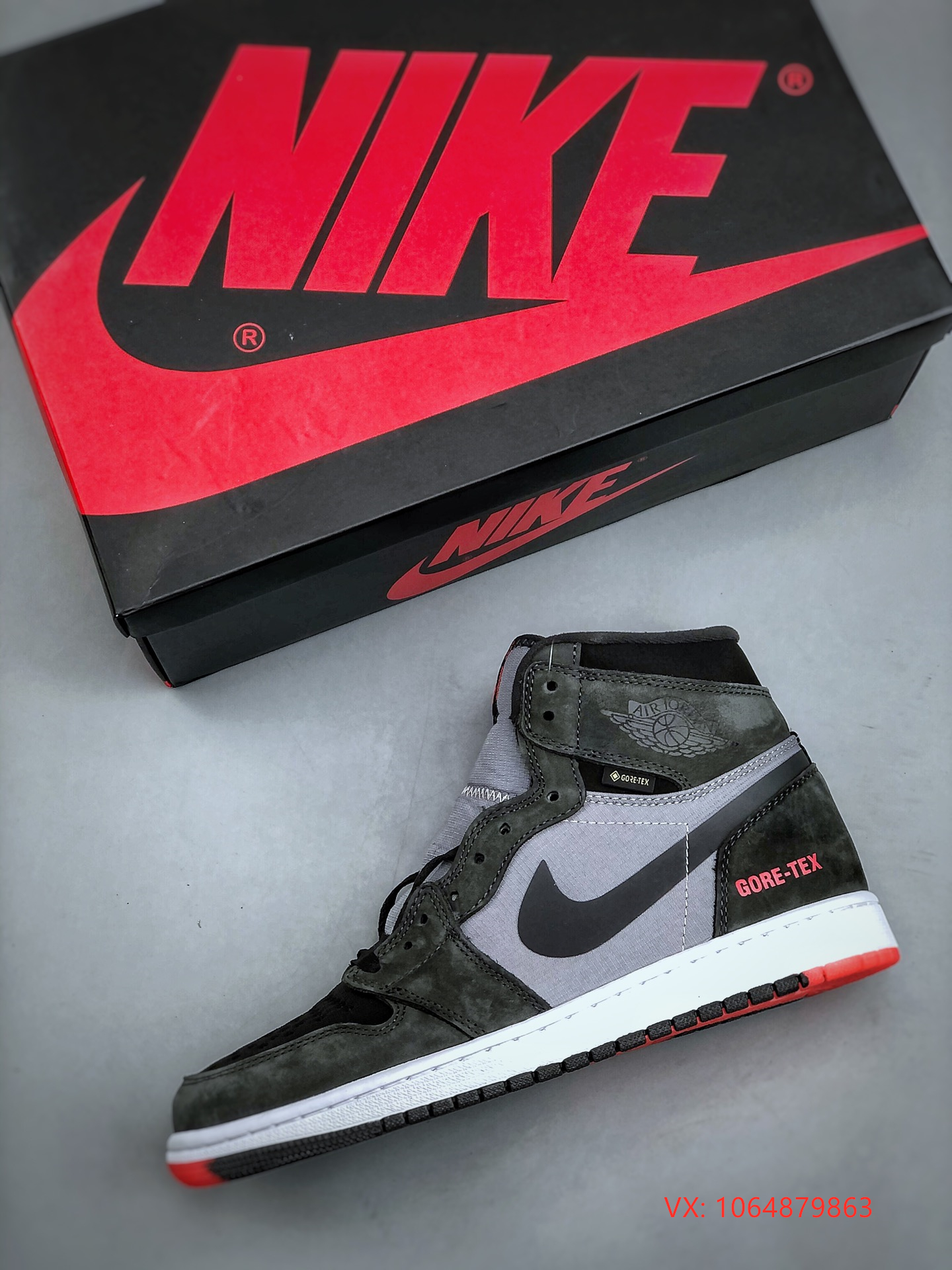
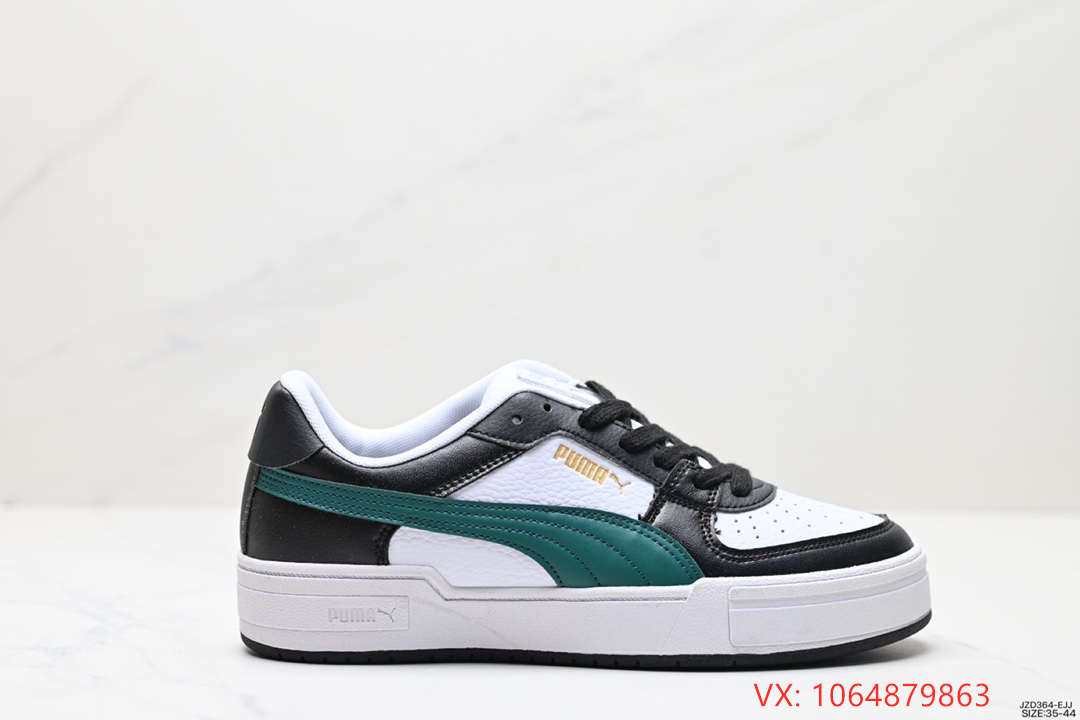
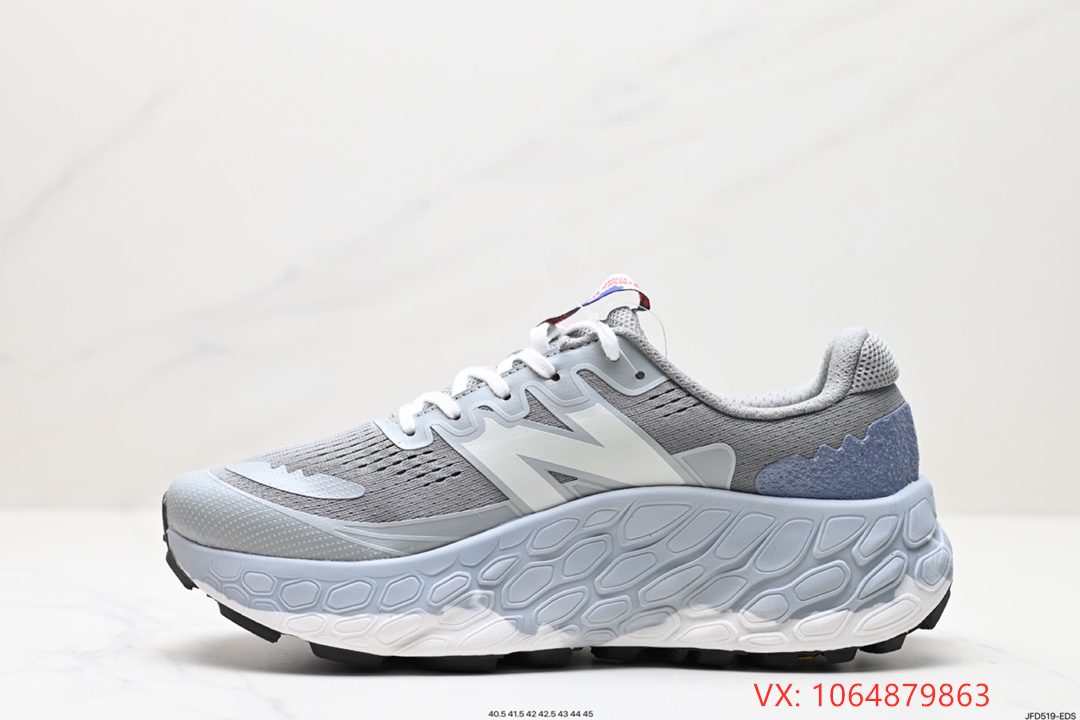
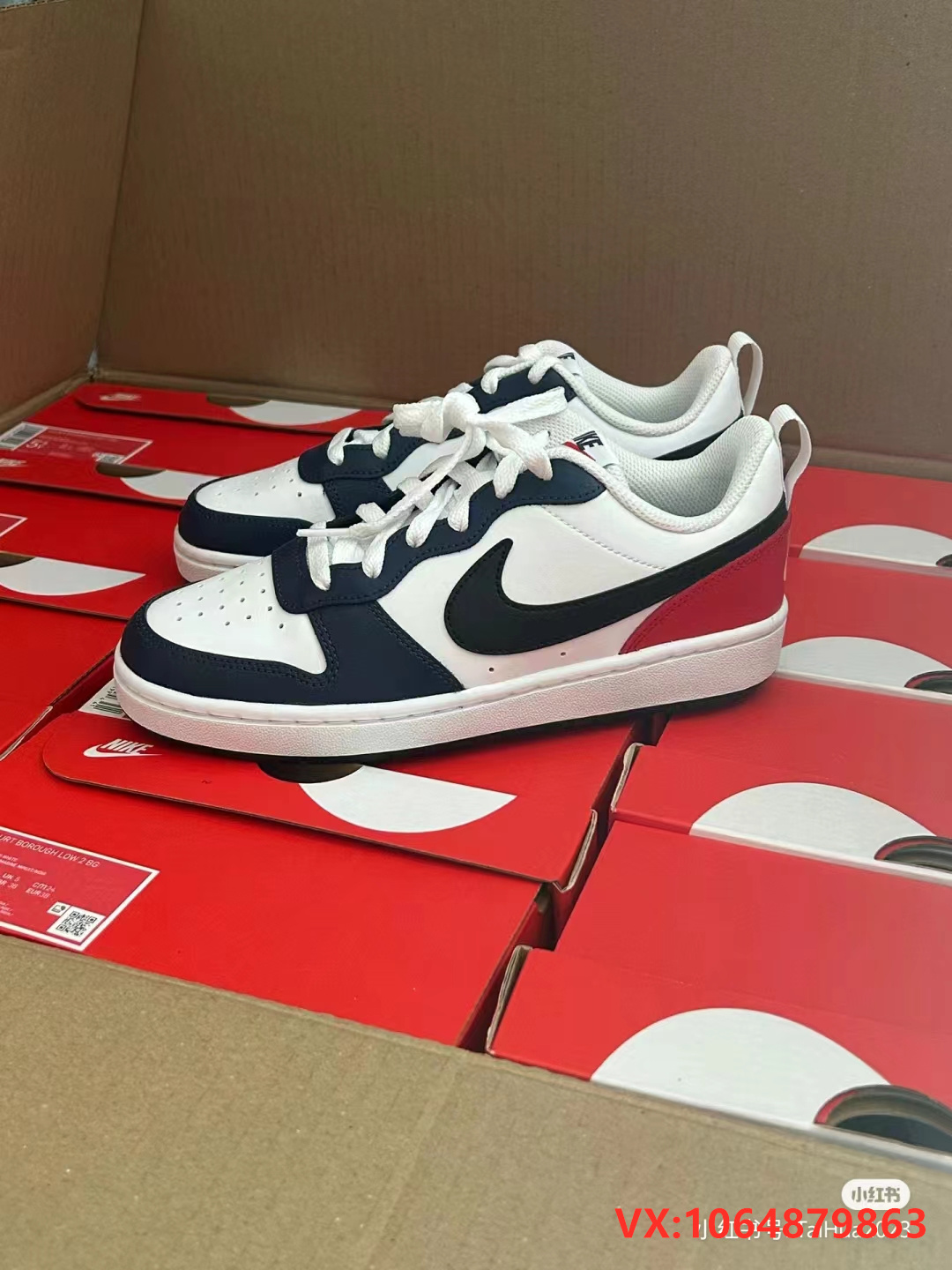
Welcome to the real world of Putian. I've been standing behind my counter in the Anfu Electronic Commerce City for over fifteen years, watching thousands of foreign buyers walk through those glass doors, eyes wide with a mix of excitement and confusion. If you are reading this, chances are you are trying to source sneakers from China but have been hit by the wall of terminology: "Top Version," "Pure Original," "1:1," "Market Grade." Let me tell you straight from the horse's mouth—there is no official government standard for these grades. These are slang terms created by the market itself to describe quality tiers that range from absolute trash to shoes so close to the original factory output that even the brand's own QC team might struggle to spot the difference.
The Myth of the "Official" Ranking
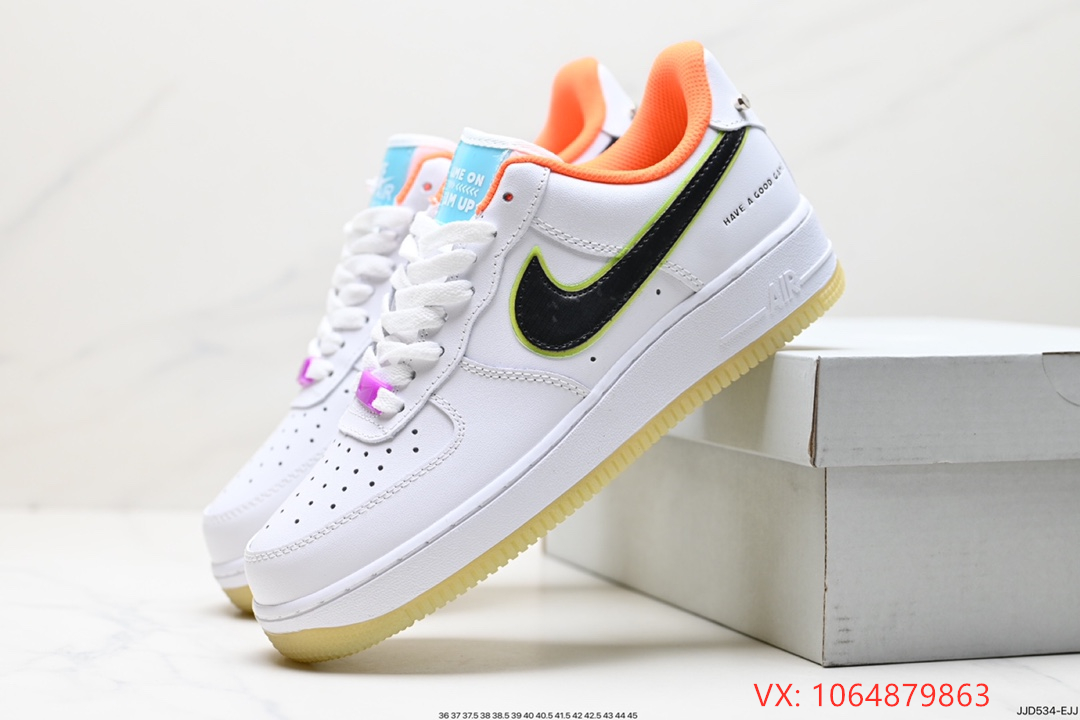
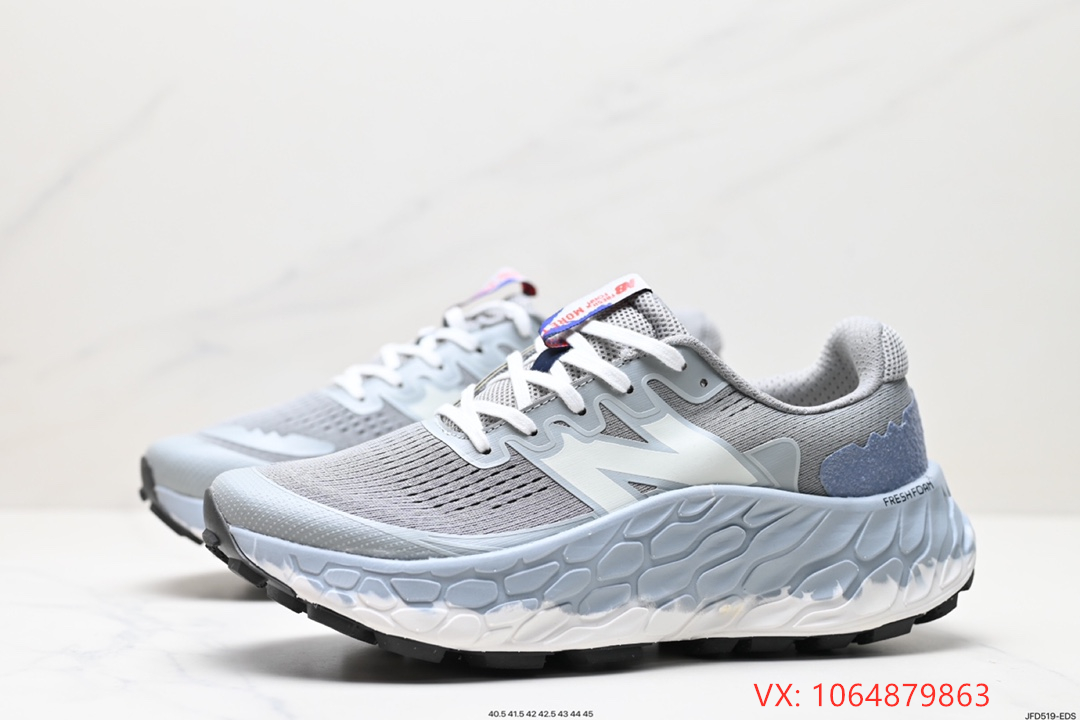
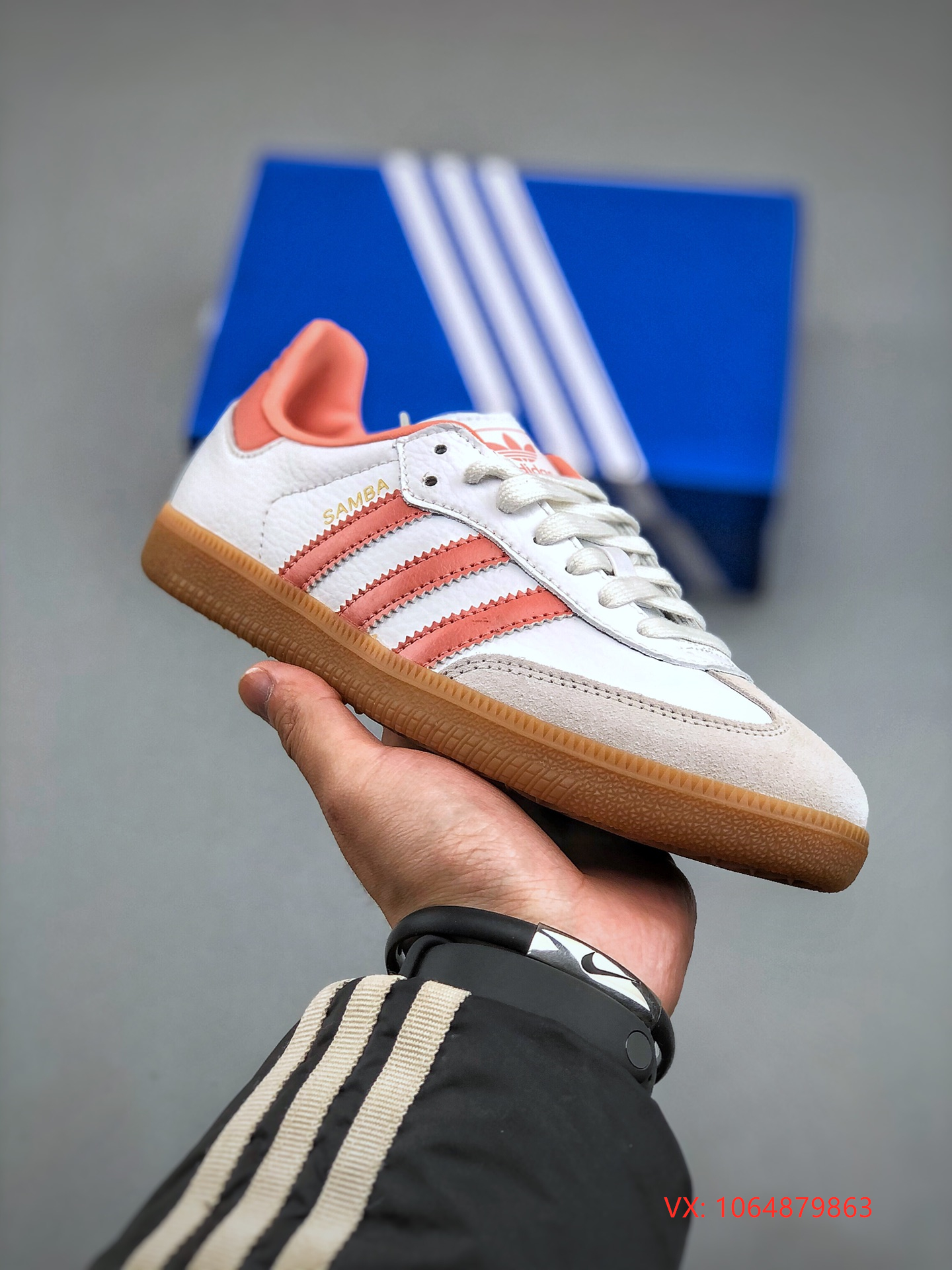
When foreigners ask me, "How many grades are there?" I usually laugh because the answer changes depending on who you talk to. Some sellers will tell you there are ten levels; others say five. In reality, it's a spectrum. The lowest tier is what we call "Market Grade" or sometimes just "A-grade." This is the shoe you see in street markets or cheap online listings. The glue smells strong, the stitching is sloppy, and the sole material feels like hard plastic. It costs maybe $20 to $30 wholesale. Then you have the "Mid-Grade," which is decent for casual wear but lacks the premium feel. Finally, we get to the high-end stuff—the "Top Version" or "S-Level." This is where the magic happens. These are made in the same factories as the big brands, often using the same molds and materials, but sold without the logo or with a subtle one. Understanding this hierarchy is the first step to not getting ripped off.
Navigating the Anfu Market: A Local's Guide
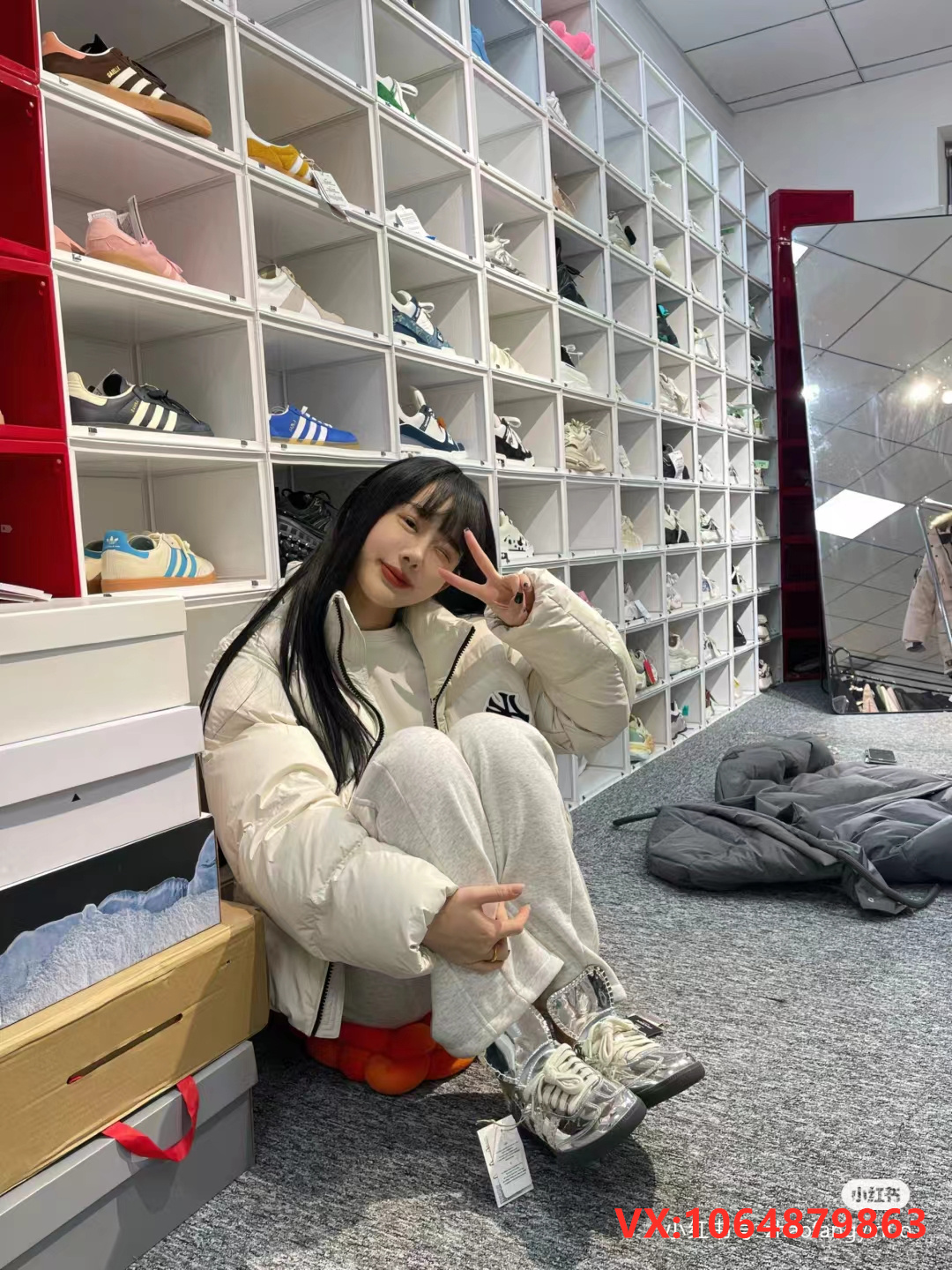
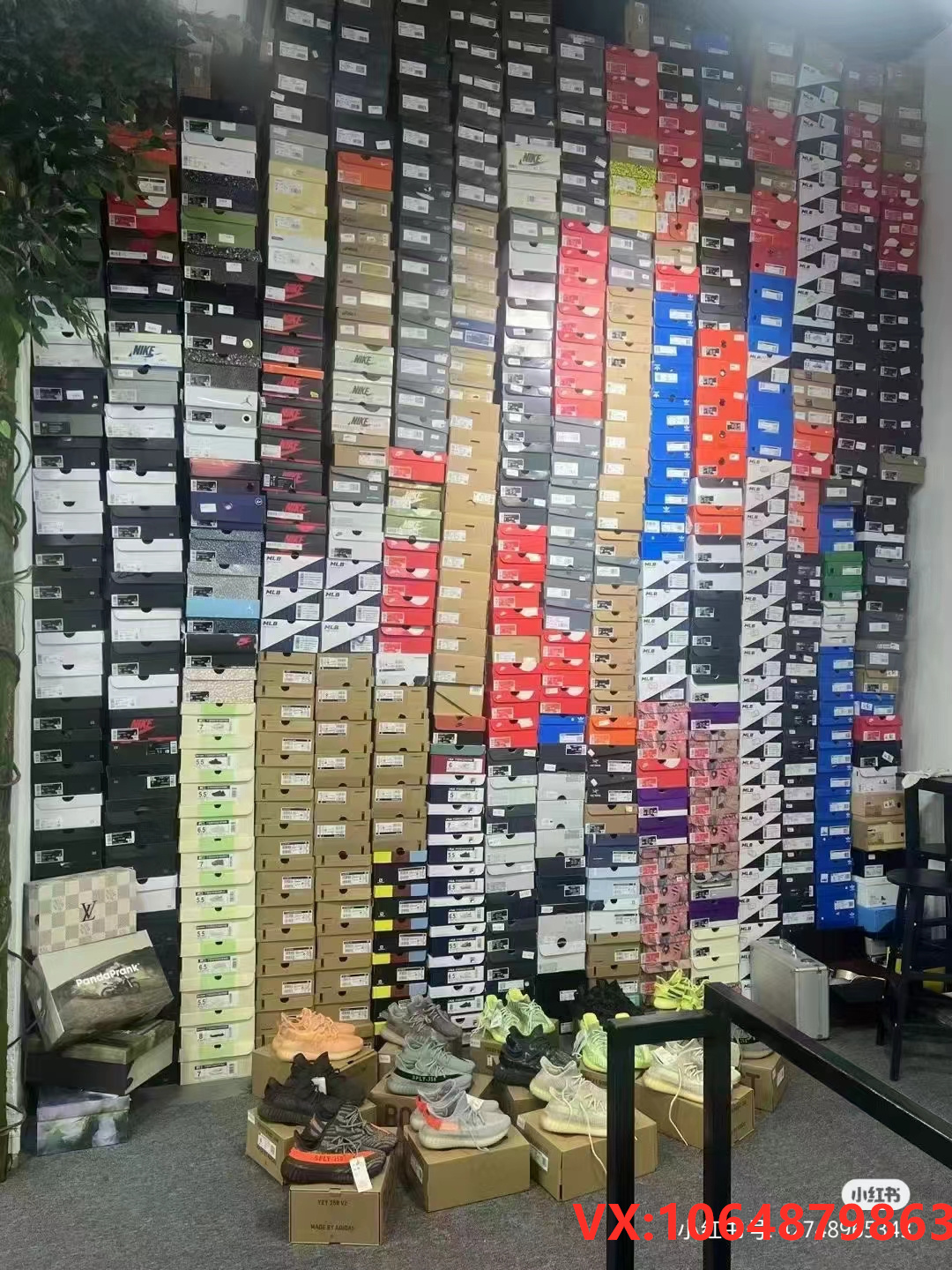
If you want to find the best货源 (source), you cannot rely solely on WeChat photos. That is how beginners lose money. You need to come here. The Anfu market is a maze of corridors filled with noise, flashing lights, and piles of boxes. When you walk in, ignore the flashy storefronts on the main street. They are mostly showrooms designed to trap tourists. The real action happens in the back alleys and the upper floors of the older buildings. I remember a buyer from New York last month who spent three days looking at photos online before coming here. He was shocked when he saw the actual texture of the leather on the "Top Version" compared to the glossy, fake-looking photos he had seen on Instagram.
On-Site Inspection: Touch, Smell, and Flex
Here is the secret sauce that separates the pros from the amateurs. When you are at my shop or any serious vendor's stall, do not just look at the box. Pick up the shoe. Feel the weight. The "Top Version" should feel substantial, not light and flimsy. Check the stitching. On a genuine high-quality replica, the thread count is tight, and there are no loose ends. Run your finger along the midsole; if it feels rough or uneven, put it down. Also, smell it. Cheap shoes have a chemical stench that lingers for days. Good ones smell like rubber and glue, nothing more. When I show a customer the "L4" or "S-Level" models, I always ask them to flex the sole. The carbon fiber plate in the midfoot should snap back instantly, not bend permanently. This physical inspection is the only way to verify the grade you are paying for.
Dealing with Vendors: Negotiation and Trust
once you know what you are looking for, the next challenge is finding a reliable partner. Many overseas buyers try to negotiate prices immediately upon arrival, thinking they can drive the cost down to zero. That is a mistake. In Putian, price reflects quality. If a seller offers you a "Nike Air Max 97" for $15, it is junk. Do not waste your time. Instead, focus on building a relationship. Come back to the same shop multiple times. Show them you are serious about long-term business. When I treat a buyer as a regular client, I don't just sell them shoes; I become their eyes and ears in the market. I tell them which batches are fresh, which molds are being updated, and which styles are about to go out of fashion.
Avoiding the Scams: Red Flags to Watch
There are a few traps that catch every new importer. The biggest one is the "Sample Trap." A vendor sends you a perfect sample via courier, and then when you place the bulk order, the quality drops significantly. To avoid this, always insist on seeing the actual stock before paying. Another red flag is the promise of "Original Factory Direct" without proof. No legitimate factory sells directly to individuals in small quantities without going through the proper channels. Be wary of vendors who refuse to meet in person or only communicate via text messages. Real business in Anfu involves face-to-face interaction. If someone claims they can ship "pure originals" with the original box and tags for a fraction of the retail price, run. Those are fakes of fakes. Stick to vendors who specialize in specific categories, like running shoes or basketball hoops, rather than generalists who claim to sell everything.
Logistics and Shipping: Getting Your Goods Home
After you have selected your inventory and negotiated the price, the final hurdle is shipping. This is where many people get confused about customs and duties. In Putian, we work with experienced freight forwarders who know exactly how to pack goods to minimize risk. For high-value items like the "Top Version" sneakers, we recommend using air express services like DHL or FedEx, but be aware that customs inspections are strict. Some buyers prefer sea freight for large orders to save costs, though it takes longer. The key is to declare the value correctly. Never lie about the contents; if the customs officer finds discrepancies, your entire shipment could be seized. I always advise my clients to keep their invoices clear and accurate. Furthermore, ensure your supplier provides tracking numbers immediately after dispatch. Transparency is crucial for maintaining trust between us and our international partners.
Building a Sustainable Supply Chain
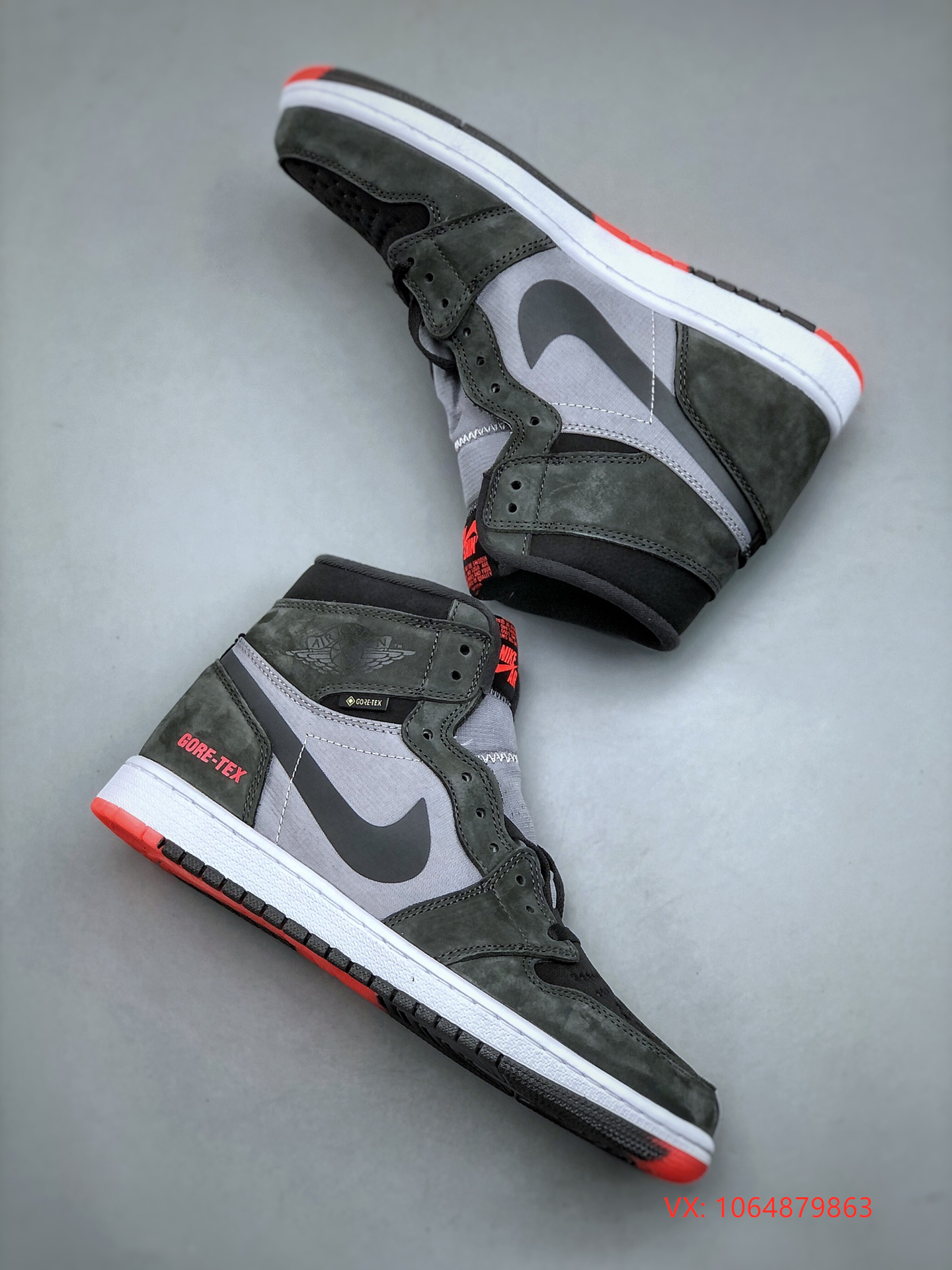
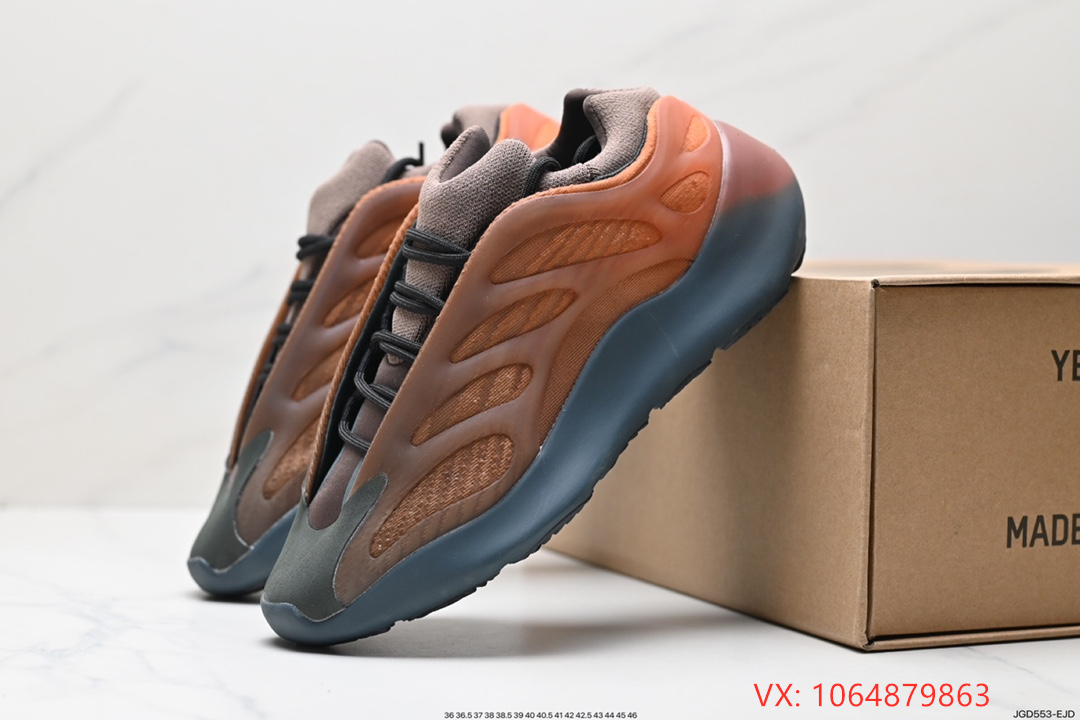
Ultimately, sourcing from Putian is not a one-time transaction; it is a partnership. The market evolves rapidly. Styles change, molds get updated, and new technologies emerge. By staying connected with local vendors like me, you stay ahead of the curve. Don't just chase the latest hype; understand the craftsmanship behind the shoe. Whether you are looking for Jordan retros, Yeezy clones, or Nike Dunks, the principles remain the same: inspect physically, negotiate fairly, and build trust. The "grades" are just labels, but the quality is real if you know where to look. So, next time you plan your trip to China, skip the generic travel guides and head straight to Anfu. Bring your friends, bring your questions, and let's talk business over a cup of tea. That is how we do things here in Putian.