Walking the Floors: A Local's Guide to Sourcing in Putian
I have been standing on these concrete floors of the Anfu E-commerce City for over fifteen years. While the world sees "fake shoes" or "replicas," I see a complex supply chain that rivals any major brand in terms of speed and logistics. You are likely here because you want to find the source, but let me tell you something straight from my experience: if you walk into Anfu looking for a specific factory name without knowing the layout, you will get lost within ten minutes. The market is not a single building; it is a sprawling ecosystem of warehouses, showrooms, and hidden workshops scattered across the streets surrounding the main plaza.
The Reality of Anfu E-commerce City
When foreigners ask me where to buy high-quality sneakers in Putian, I always take them to the Anfu area first, but with a warning. Do not expect to walk in and see rows of branded boxes like Nike or Adidas. That is illegal and impossible. Instead, you will see unbranded white boxes, generic packaging, or simply piles of shoes waiting to be shipped. The ground floor of the main buildings is often filled with tourists and casual buyers who don't know how to negotiate. The real action happens on the upper floors or in the back alleys where the "showrooms" operate more discreetly.
Navigating the Market: Where to Actually Stand
If you are serious about sourcing, you need to know which buildings hold the heavy hitters. Let's talk specifics. The most reliable tier-one goods are rarely advertised on Google Maps as "factories." They are located in specific blocks. For instance, the Anfu Building (Floor 4-5) is known for having some of the best "1:1" quality suppliers who cater to high-end clients. If you go to Building 6, you will find many mid-range sellers. But the real gems? They are often in the smaller residential-style buildings behind the main plaza, like the Xingfu Building or the Jinlong Building.
Specific Showrooms and Contacts
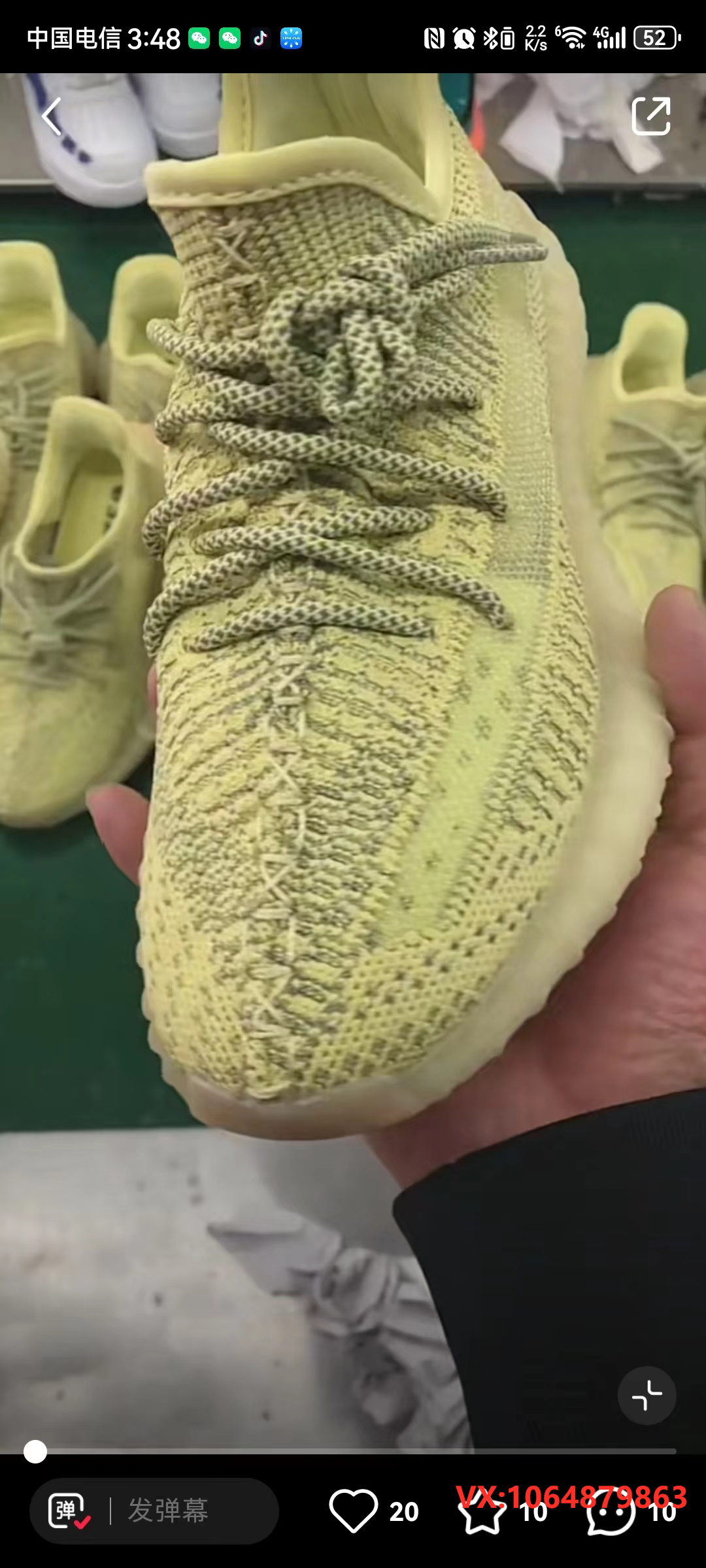
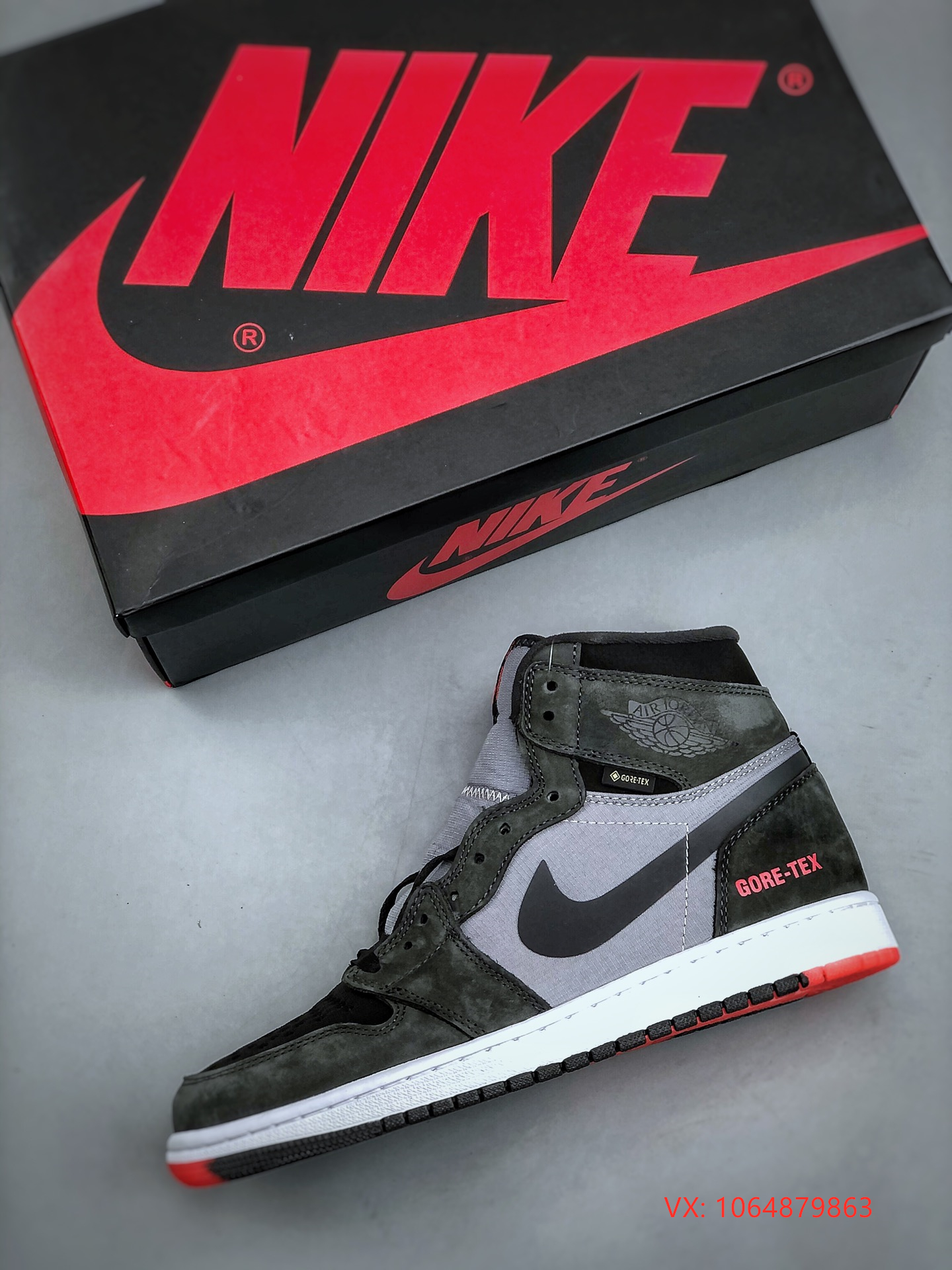
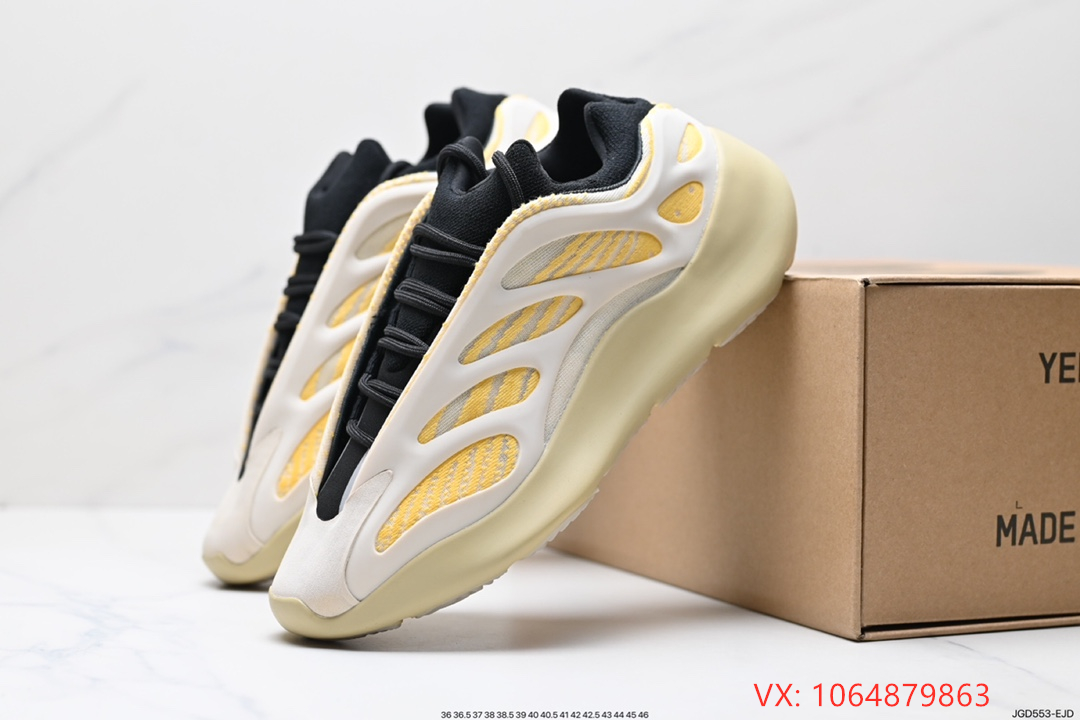
I cannot give you a list of every factory owner's phone number publicly, but I can guide you to the specific stalls that have proven track records. In the Anfu Plaza, look for the stall labeled "Top Quality" or "Original Mold" near the central elevator. These are usually run by veterans who have been there since 2010. Another spot worth mentioning is the Hongda Building, specifically the corridor leading to the stairwell on the third floor. There, you will find a shop called "King's Choice" (not an official brand, just their local nickname). They specialize in Jordan 1s and Yeezys with the correct leather texture. If you visit the Wanxiang Building, check out the corner unit on the second floor; they have a dedicated section for "Ultra Boost" replicas that use the actual TPU shell molds.
The Art of Inspection: Seeing What Others Miss
One of the biggest mistakes foreign buyers make is trusting photos sent via WhatsApp. I have seen too many people order based on a picture that looks perfect but arrives with glue stains and poor stitching. When you are physically here, you must inspect the shoe yourself. Here is my checklist. First, check the midsole density. High-quality Putian shoes use the same foam compounds as the originals. Press your thumb into the sole; if it feels hard and doesn't bounce back immediately, it's low grade. Second, look at the stitching pattern. On Air Jordans, the stitching should be tight and consistent. If you see loose threads or uneven spacing, walk away.
Price vs. Quality: The Real Data
Let's talk numbers so you don't get ripped off. A low-grade replica might cost you $30-$40 USD. This is the "market standard" stuff you see everywhere. However, if you want the "top tier" or "OG quality" that passes inspection, the price range is typically between $60 and $85 USD per pair. Why the difference? Because the top-tier versions use better materials, sometimes even sourced from the same factories that produce the genuine goods before the brands cancel orders. I once had a client who bought $35 shoes thinking they were premium. When he compared them side-by-side with the $75 version from my recommended supplier, the difference was night and day. The $35 pair smelled like cheap rubber and the sole separated after two weeks. The $75 pair lasted months.
Dealing with Suppliers: Negotiation Tactics
When you meet a seller, do not act like a tourist. Speak directly. Ask about the "mold" (the original tooling). If they hesitate, they probably don't have the real mold. A good seller will proudly show you the mold box or explain the differences between their "version A" and "version B." Never agree to pay 100% upfront unless you have a long-term relationship. The standard practice here is to pay a deposit, say 30%, and then pay the rest upon seeing the finished product photos or video proof. Some trusted shops even offer a "video call inspection" where you can watch them pack the shoes live.
Avoiding the Scams
There are scammers in this industry, just like anywhere else. Be wary of anyone who claims to be a "factory direct" but asks you to transfer money to a personal WeChat account without a contract. Always try to meet in person first. Also, be careful with shipping. Many sellers will ship via "grey channels" to avoid customs. If you are buying large quantities, insist on using a freight forwarder who specializes in China-to-US shipping. They know how to handle the paperwork so your package doesn't get seized at the border.
Summary of Key Locations and Tips
| Location / Building | Best For | Typical Price Range (USD) | Tip |
|---|---|---|---|
| Anfu Plaza (Floors 4-5) | High-end Jordan & Yeezy | $65 - $85 | Look for "Original Mold" signs. |
| Hongda Building (3rd Floor) | Mid-to-High Quality Sneakers | $55 - $75 | Check the corner units for variety. |
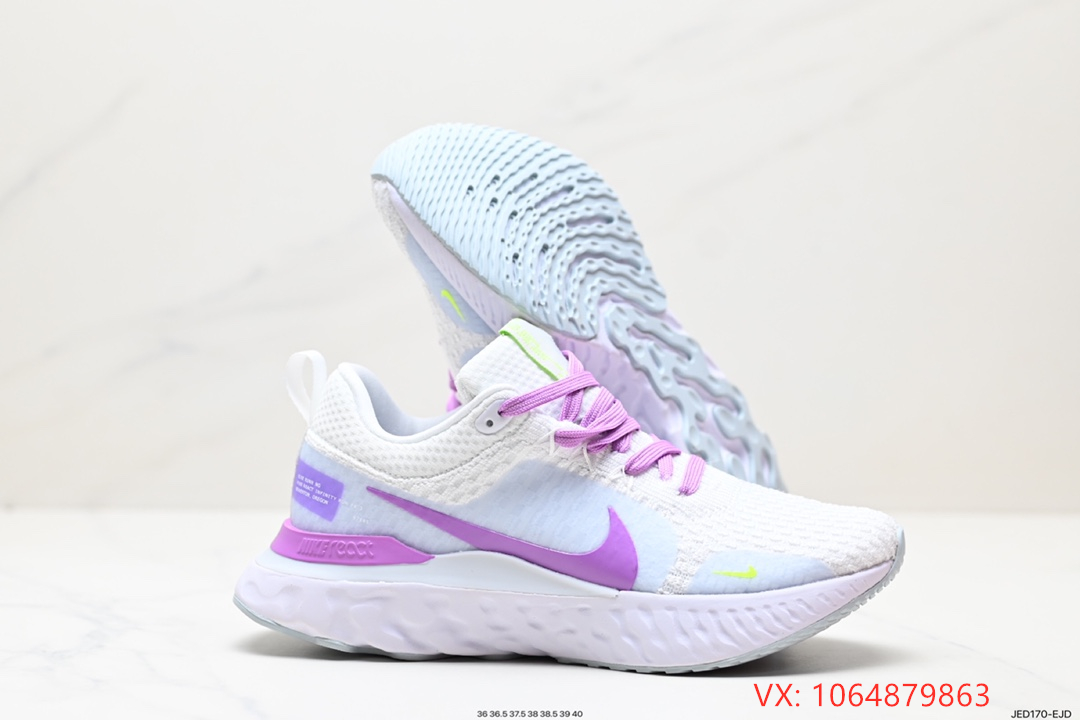
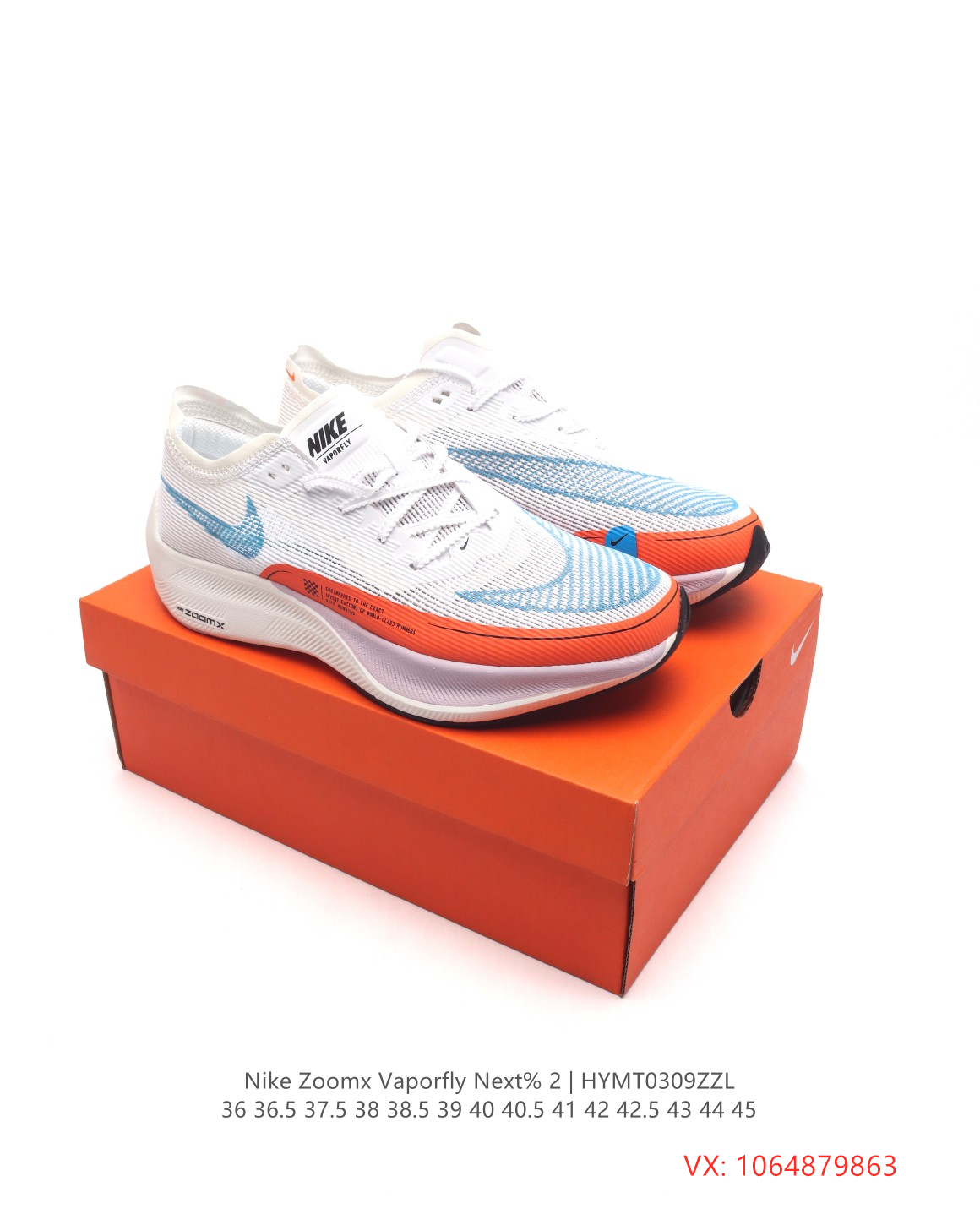
| Wanxiang Building (2nd Floor) | Running Shoes (Boost/React) | $50 - $70 | Test the sole flexibility personally. |
| Xingfu Building (Back Alley) | Budget Friendly Options | $35 - $50 | Good for testing the market, less durable. |
Finally, remember that the Putian market changes fast. New styles come out every week, and old suppliers disappear overnight. The key to success is building relationships. Don't just be a one-time buyer. Come back, bring friends, and treat the sellers like partners. If you respect the craft, they will respect you and give you access to the best stock before anyone else. This isn't just about selling shoes; it's about understanding a culture of manufacturing that has evolved over decades. Go to Anfu, walk the floors, touch the leather, and make your own decisions. That is the only way to truly succeed in sourcing from China.