Walking the Floors: A Veteran's Guide to Sourcing in Putian
Welcome to the real deal. I've been standing behind my counter in the Anfu E-Commerce City for over fifteen years, watching thousands of foreign buyers walk through those revolving doors. Some come with a clear plan, others wander around like lost tourists asking, "Where do you get the shoes? Where do you get the bags?" Let me tell you something straight from the horse's mouth: there is no single magic shop that sells everything perfectly. The secret isn't just finding a store; it's understanding the ecosystem.
When foreigners ask me about sourcing, they often think we are one giant factory. We aren't. We are a chaotic, vibrant network of specialized workshops, trading companies, and showrooms. If you want high-quality replicas or genuine OEM surplus, you need to know which floor holds which type of product. My advice? Stop looking for a "one-stop-shop" online and start walking the floors. The internet is full of scammers; the physical market is where the truth lives.
The Anatomy of Anfu: Where Shoes and Bags Actually Live
Anfu is not a single building; it is a cluster of connected structures. If you are hunting for footwear, your first stop must be the main commercial complex on the east side. This is the heart of the sneaker world. However, if you are looking for leather goods, handbags, and luxury accessories, you need to head towards the western annex and the smaller alleyways connecting to the main street. Many new buyers make the mistake of staying only in the main hall, missing out on the specialized bag vendors who operate in the quieter back alleys.
Shoe Sourcing: The Sneaker Capital
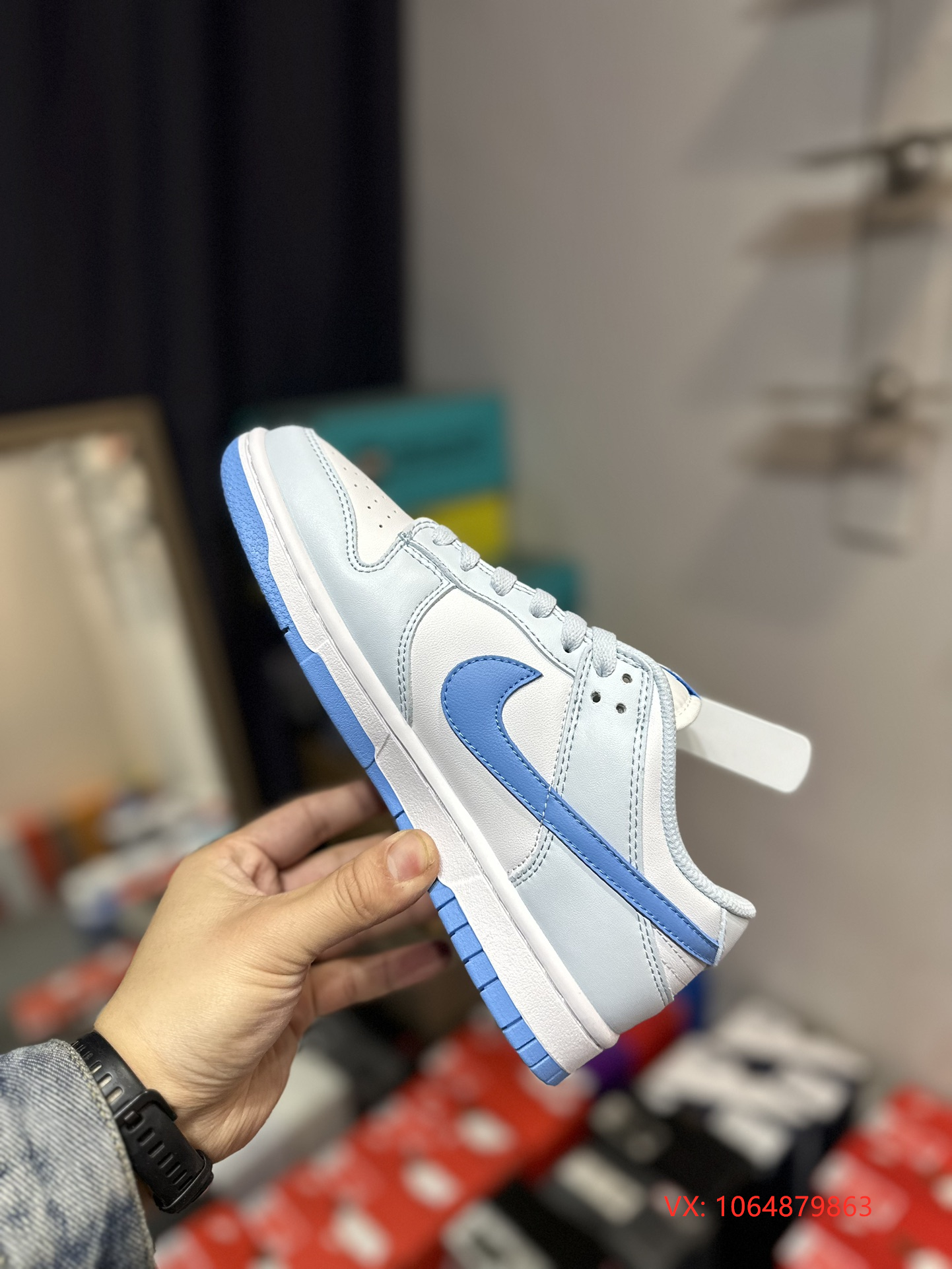
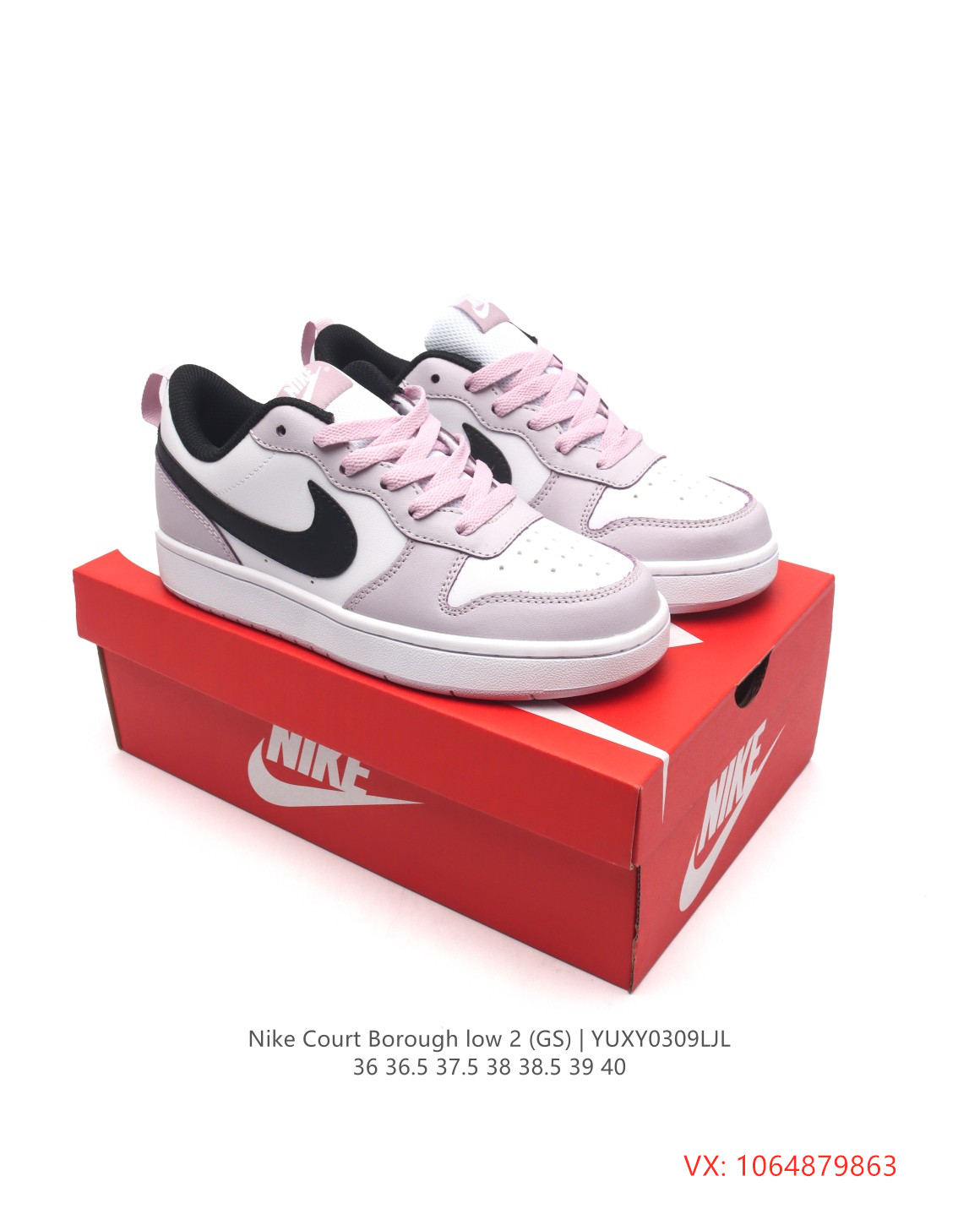
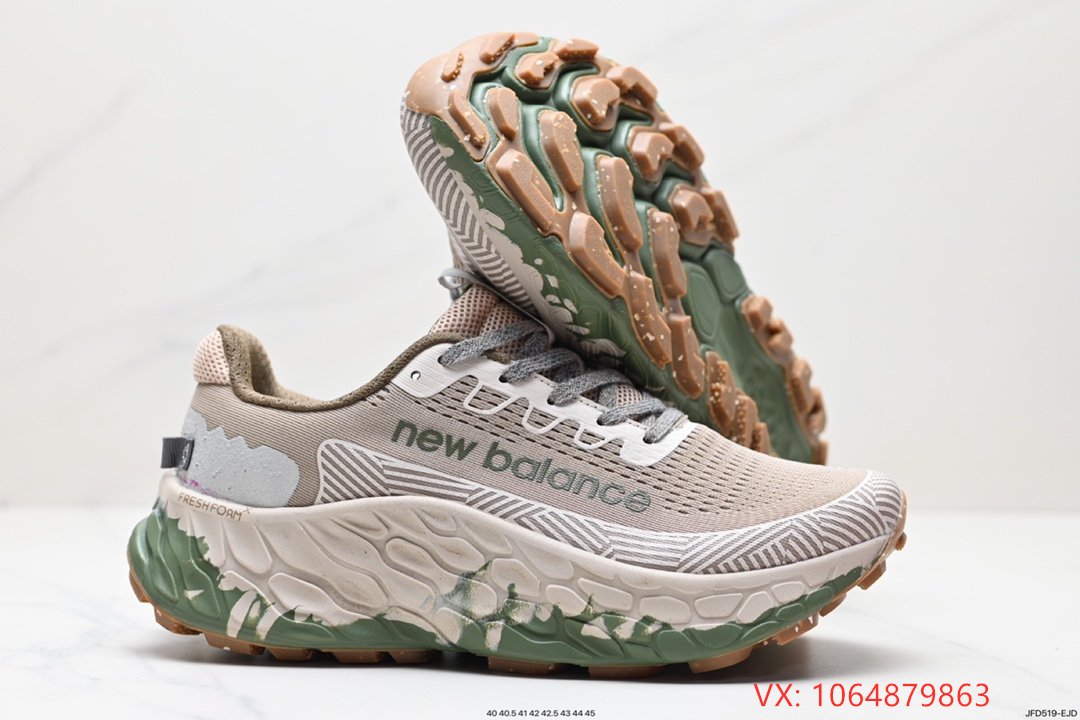
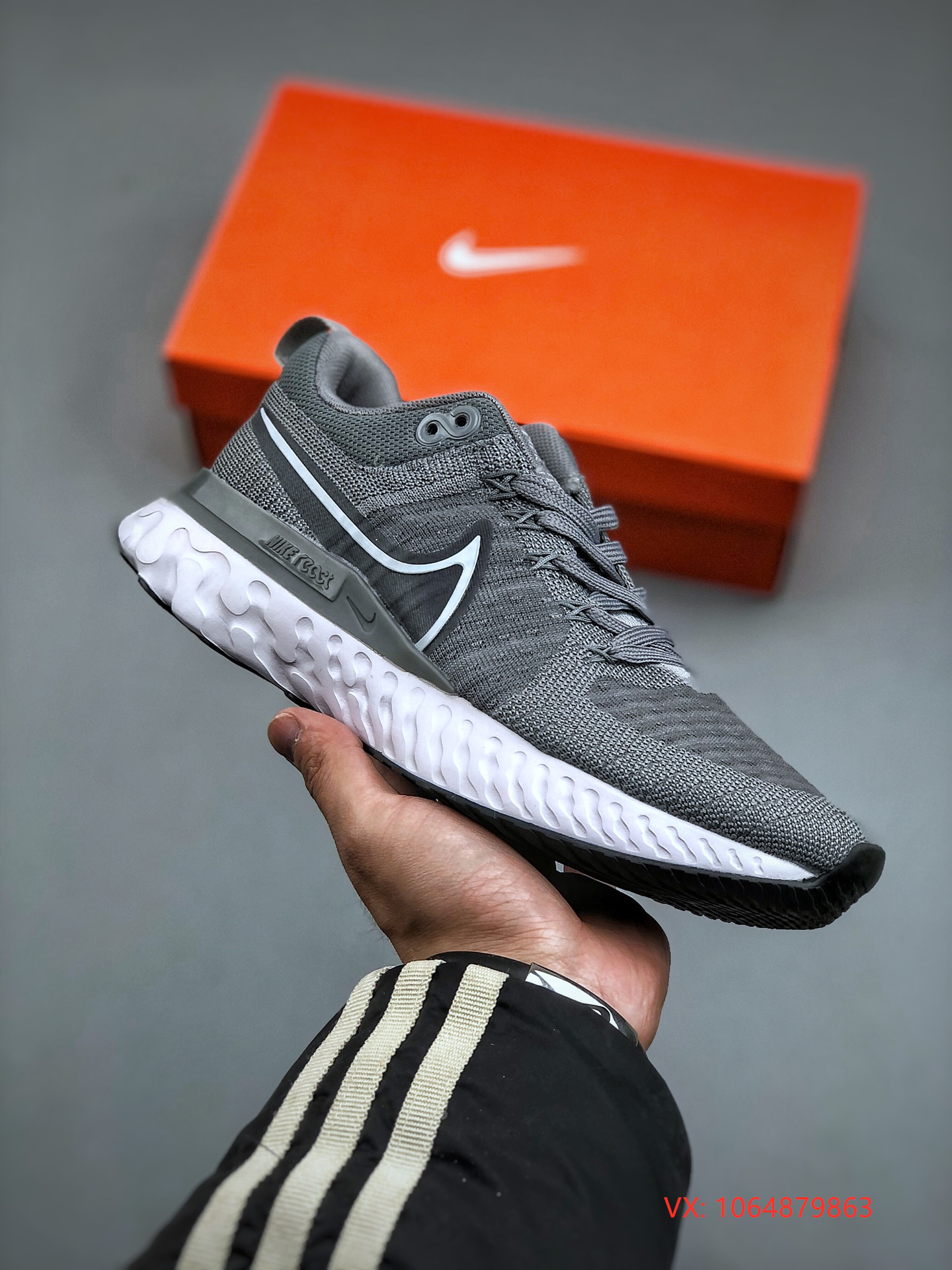
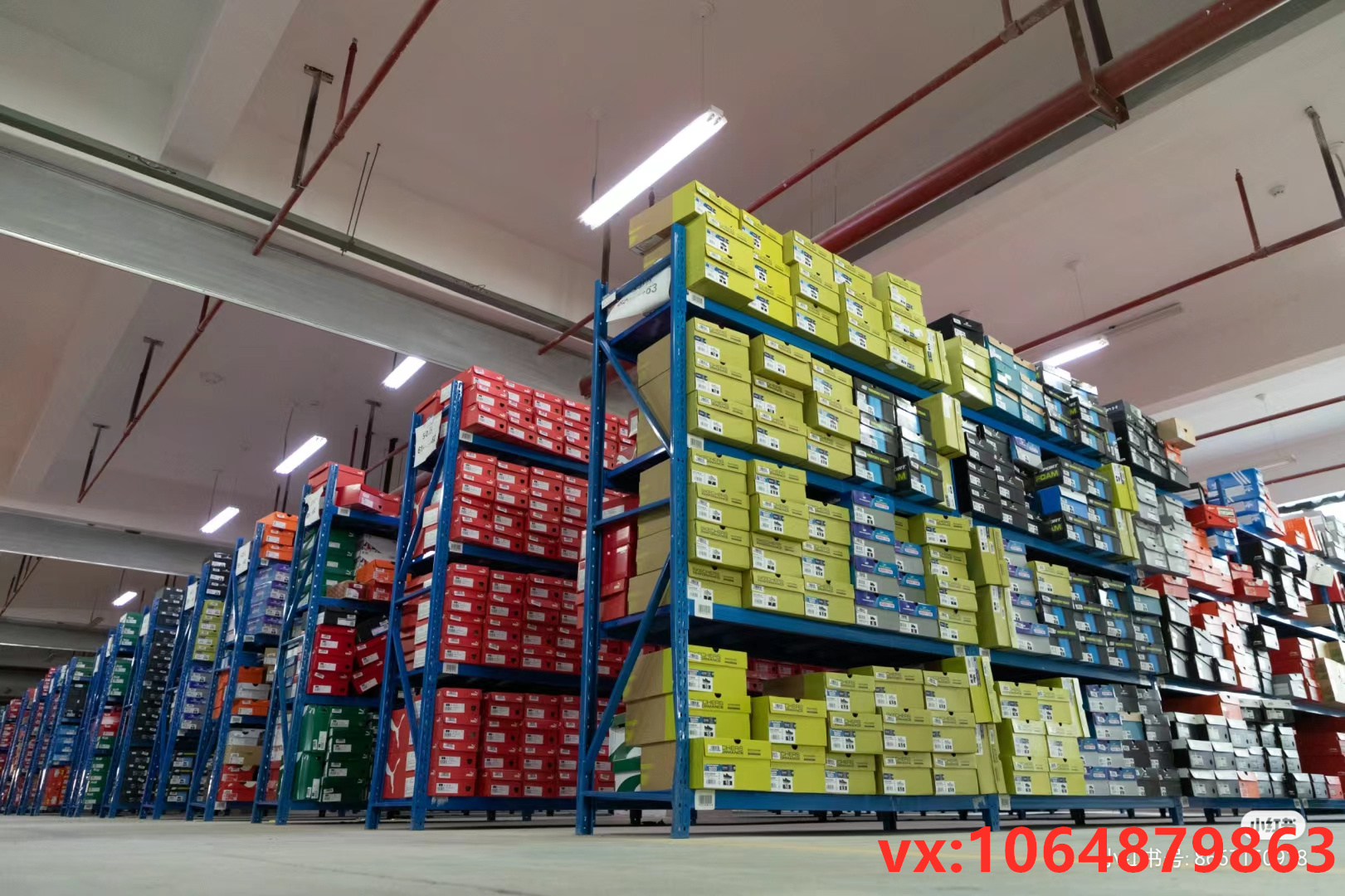
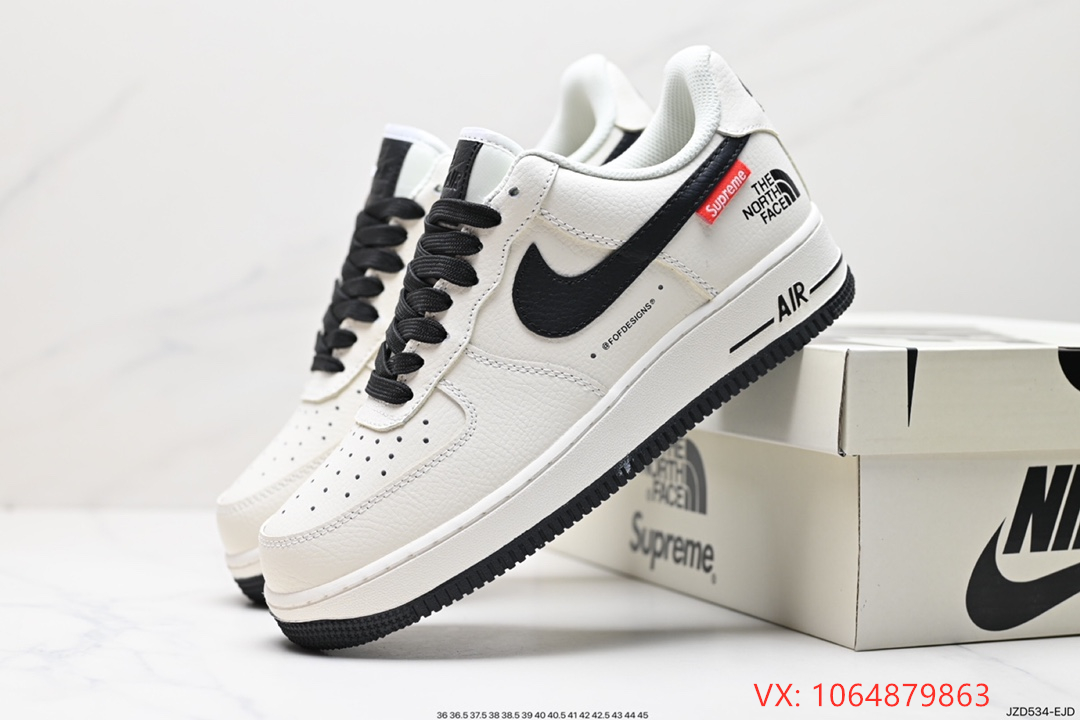
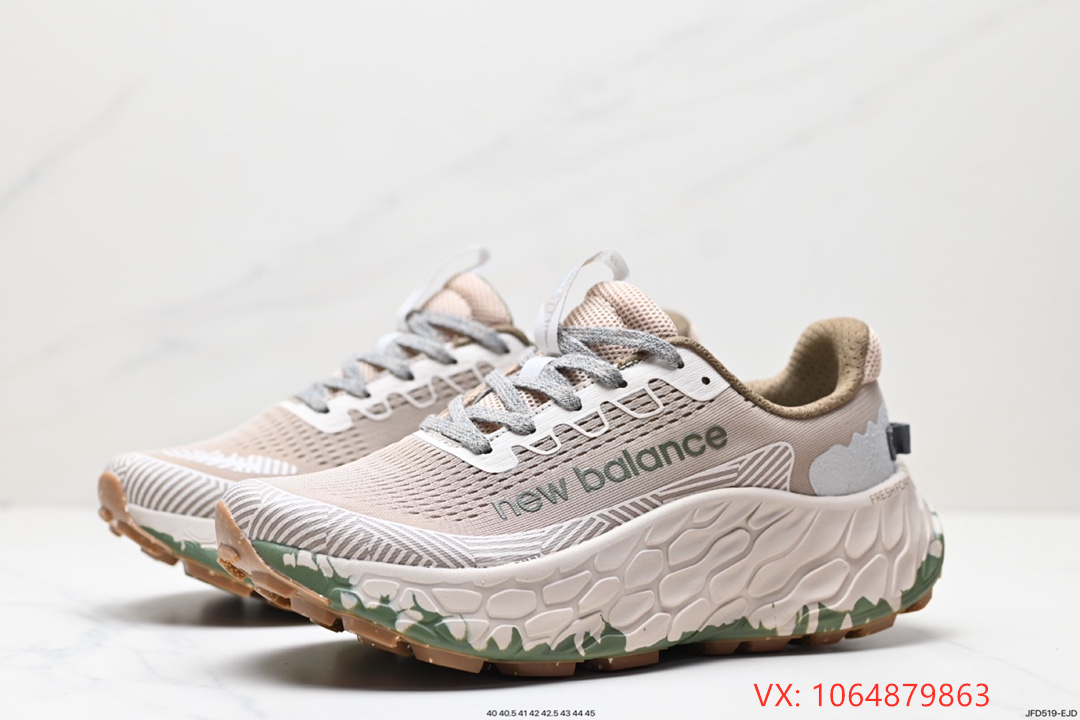
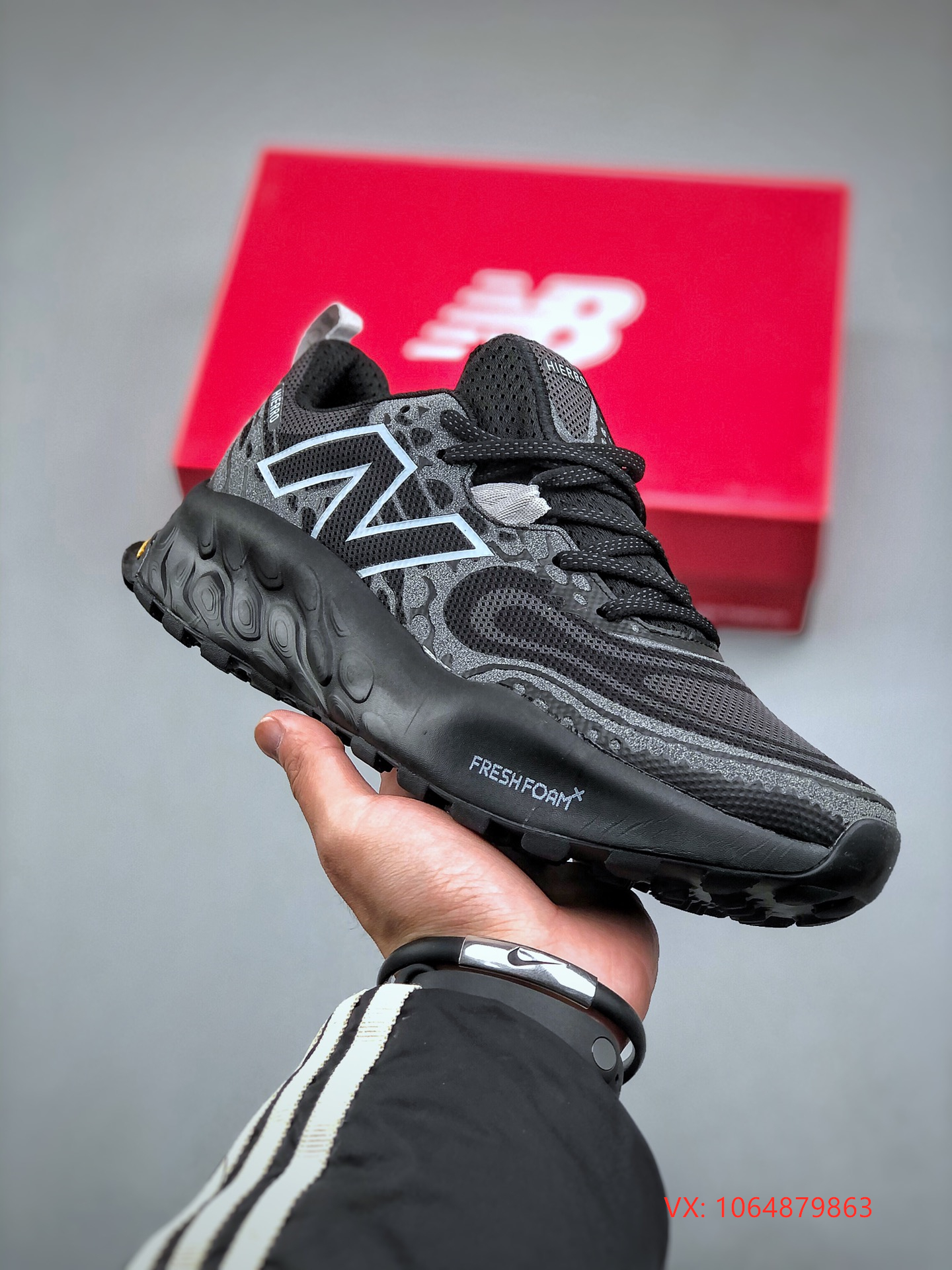
For sneakers, specifically the high-end replicas that mimic Nike, Adidas, and New Balance, the third and fourth floors of the main building are where the heavy hitters are. These aren't just stalls; they are mini-showrooms. You will see stacks of boxes labeled with specific factory codes. When I talk to overseas clients, I always tell them to look for shops that display the "1:1" versions prominently. These are the ones made in the same factories as the originals, using similar molds.
I have a friend who runs a stall on the 4th floor, near the escalator exit. He specializes in Jordan retros. His contact info is well-known among serious resellers. He doesn't advertise on social media much because he relies on word-of-mouth. If you visit, ask for the "top tier" stock. Do not settle for the middle-tier stuff unless you are testing the waters. The price difference between a $50 pair and a $80 pair might seem small, but the leather quality and sole durability are worlds apart.
Bags and Leather Goods: The Hidden Gems
Now, let's address the "where do you get bags" question. This is trickier. While shoes dominate the headlines, the bag market here is massive but more fragmented. You won't find a single "Bag Building." Instead, you need to look at the second-floor corridors of the adjacent commercial blocks. Several vendors specialize exclusively in luxury-style handbags, wallets, and belts.
One specific vendor I recommend is located in the back corridor of Block B, near the coffee shop. They focus on Italian calfskin textures. Unlike the shoe sellers who shout prices, these bag sellers prefer quiet negotiations. They understand that international buyers care about stitching density and hardware weight. If you ask for their "Gucci style" or "Hermes style," they will pull out samples from under the counter. Be prepared to inspect the zippers and the lining. In this market, the devil is in the details.
From Inquiry to Transaction: The On-Ground Strategy
once you are inside, how do you actually buy without getting ripped off? I see too many foreigners trying to negotiate via WhatsApp before ever stepping foot in Putian. That is a recipe for disaster. Here is my step-by-step field guide based on years of experience.
Step One: The Visual Inspection
Never buy based on photos sent by a stranger. Photos can be edited, and videos can be looped. When you arrive at the shop, demand to see the actual box and the shoe/bag inside. Look at the glue lines on the soles. Check the symmetry of the logo. For bags, check the alignment of the pattern. A good vendor will not mind if you spend ten minutes examining a single item. If they rush you or say "we don't have time," walk away. That is a sign of low confidence in their product.
Step Two: The Price Reality Check
Let's talk numbers. A top-tier Air Jordan 1 replica usually costs between $60 and $90 wholesale. If someone offers you a pair for $25, it is likely a "low quality" knockoff made with cheap rubber that smells like chemicals. Conversely, if they ask $150, they are trying to scam you. For bags, a high-quality tote should range from $40 to $70 depending on the complexity. I once had a client try to buy a "premium" bag for $15. I showed him the cost of the leather alone, and he realized why that price was impossible. Don't be greedy; pay for quality.
Step Three: Logistics and Shipping
This is where most people fail. You cannot simply mail a package from China to the US or Europe without declaring it correctly. Most local vendors in Anfu have relationships with forwarders who specialize in "grey shipping" or dual-track logistics. They know how to pack items to avoid customs detection while ensuring the package arrives safely. Ask your vendor for their recommended shipping agent. Do not use standard DHL or FedEx directly from the shop unless you are ready to pay double the shipping cost and risk seizure. The local forwarders charge about $15-$20 per kilogram for air freight, which includes handling fees.
Avoiding the Pitfalls: What I Wish I Knew Earlier
Over the years, I have seen countless buyers lose money due to simple mistakes. Here are the three biggest traps to avoid when sourcing in Putian.
The "Sample Trap"
Many vendors offer a free sample to win your trust, but then refuse to sell bulk orders at the same price. Or worse, they send a perfect sample but ship inferior mass production goods later. To avoid this, always order a small batch first—say, five pairs of shoes or two bags. Test them yourself. If the quality matches the sample, then scale up. Never place a large order based solely on a single sample photo.
The Language Barrier
English proficiency varies wildly in the market. Some young owners speak fluent English, while older bosses rely on translators. Misunderstandings happen easily. Always confirm specifications in writing, even if it's just a chat message. Specify the size, color code, and material clearly. Use terms like "full grain leather" or "original mold" to ensure you are on the same page. If you are unsure, bring a translator or hire a local sourcing agent who knows the dialect.
The Payment Scam
Never transfer money directly to a personal bank account without a contract. Stick to platforms like Alipay or WeChat Pay, which offer some buyer protection, or use a trusted third-party escrow service. If a vendor insists on Western Union or Bitcoin, run. Those are red flags for fraud. Legitimate businesses in Anfu are used to digital payments and will have a business QR code ready.
Summary: Your Action Plan for Putian Sourcing
To wrap this up, sourcing in Putian is an adventure that requires patience, observation, and a bit of street smarts. It is not about finding a magical link; it is about building a relationship with a reliable vendor on the ground. Whether you are looking for the latest sneaker drops or luxury-style handbags, the key is to go to Anfu, walk the floors, and inspect the goods personally.
| Category | Location in Anfu | Price Range (Wholesale) | Key Tip |
|---|---|---|---|
| Sneakers | Main Complex, Floors 3-4 | $60 - $90 per pair | Check sole glue and box labels |
| Handbags | Block B, Back Corridors | $40 - $70 per bag | Inspect stitching and hardware weight |
| Accessories | Ground Floor Stalls | $10 - $25 per item | Verify material authenticity |
| Shipping | Local Forwarders (Near Market) | $15 - $20 per kg | Use grey shipping agents, not direct carriers |
If you follow this guide, you will navigate the Putian market like a pro. Remember, the best deals are found by those willing to put in the work. Come to Anfu, meet the faces behind the products, and build a supply chain that lasts. That is the only way to succeed in this industry.