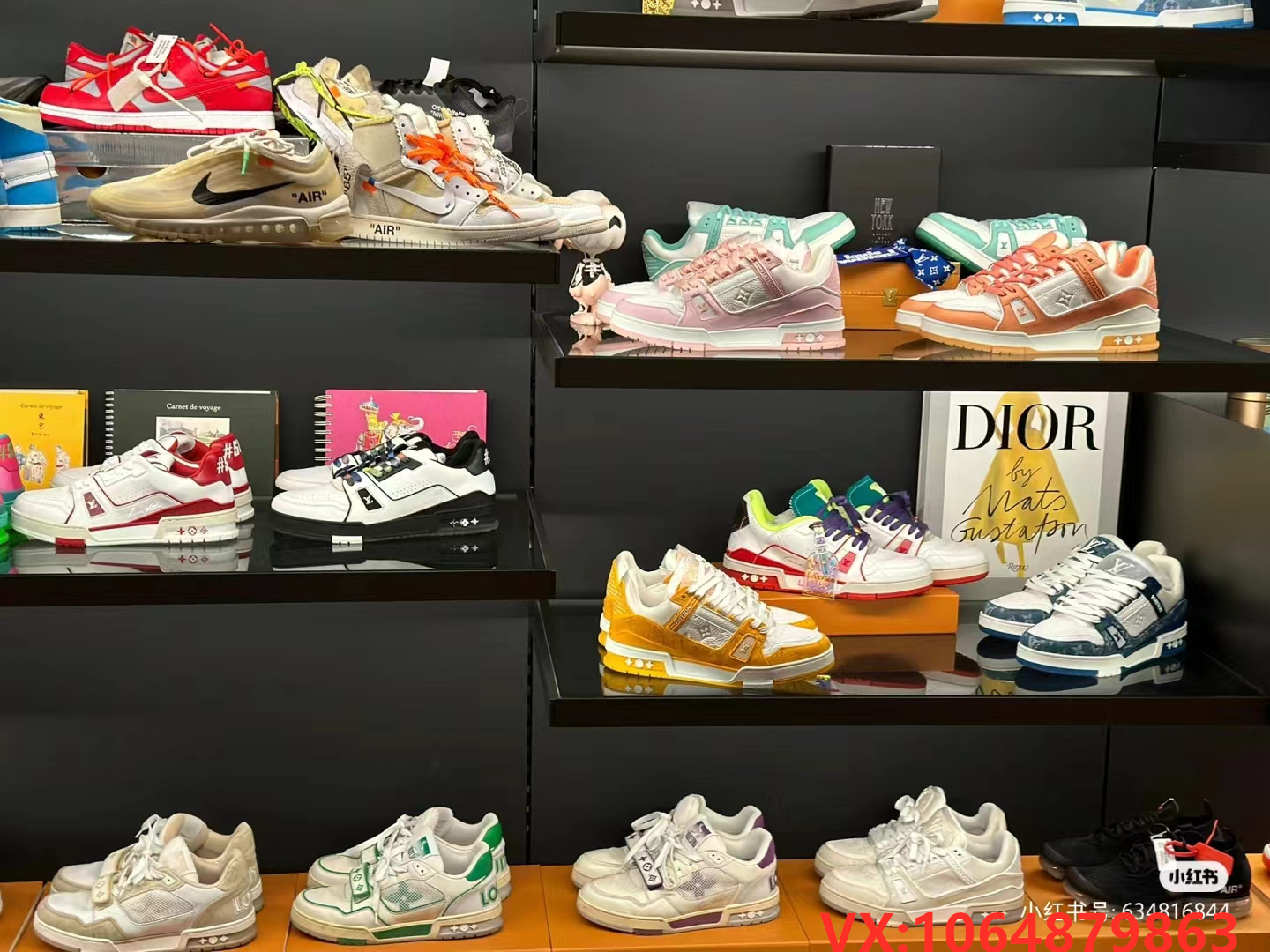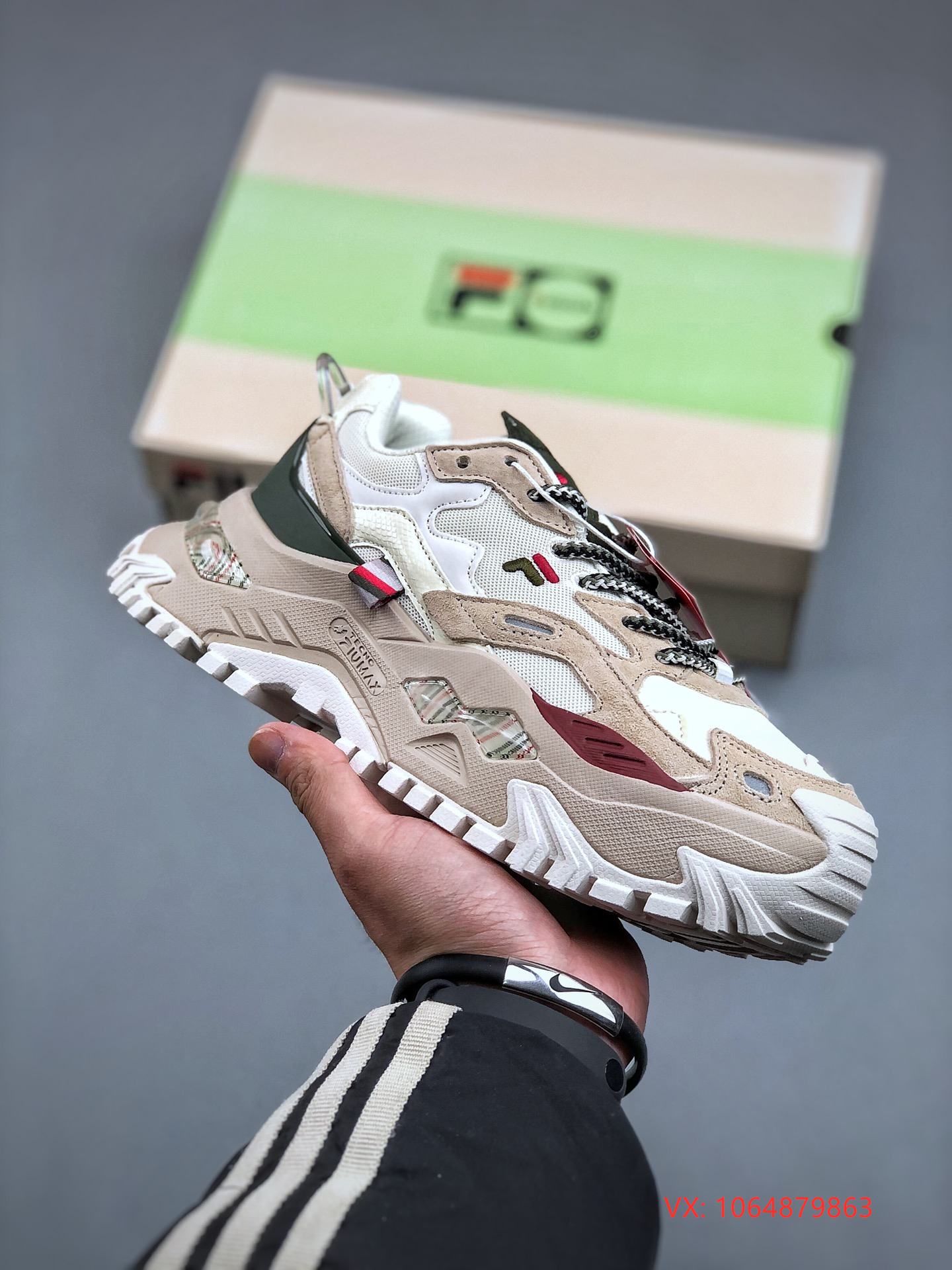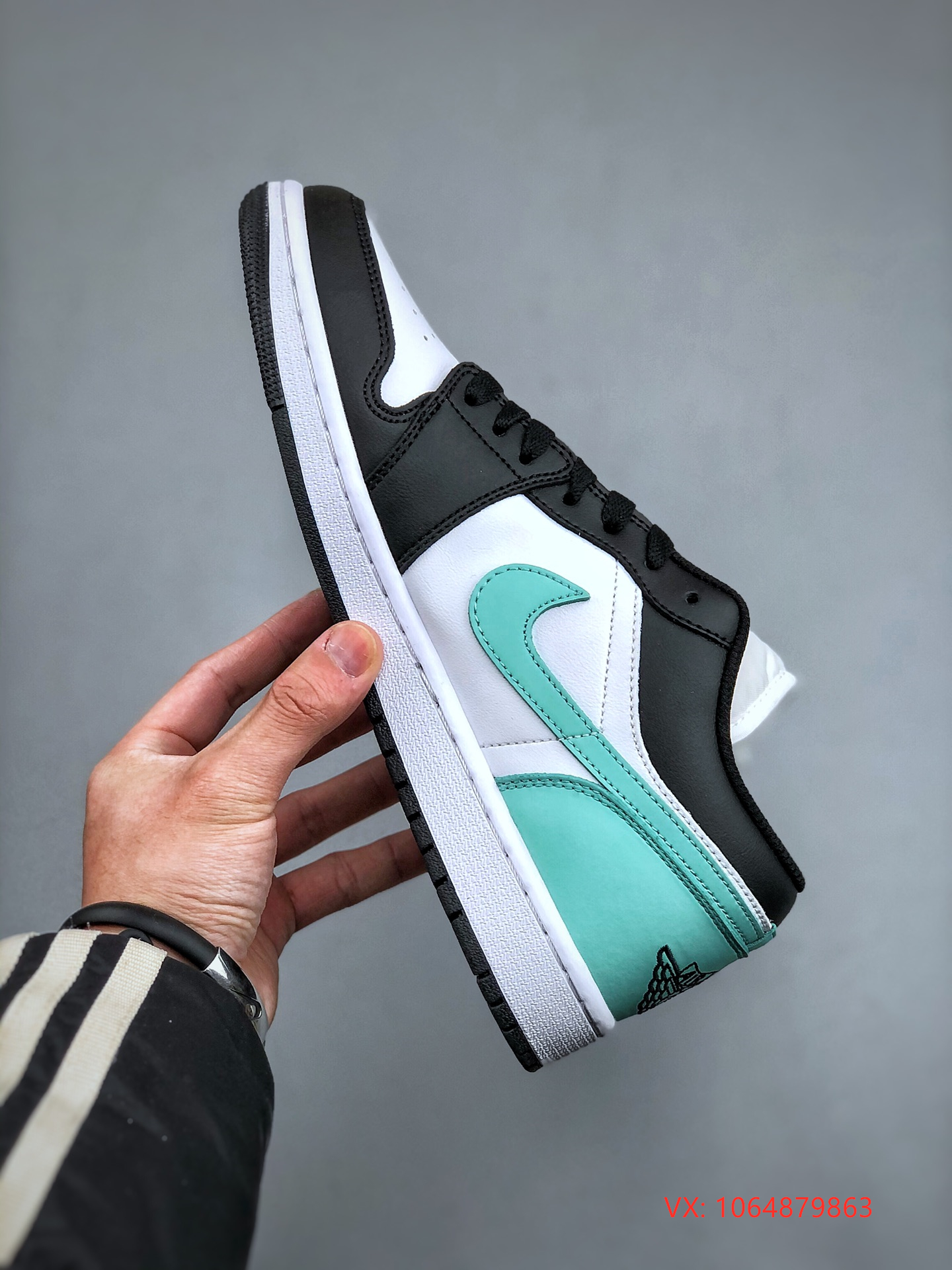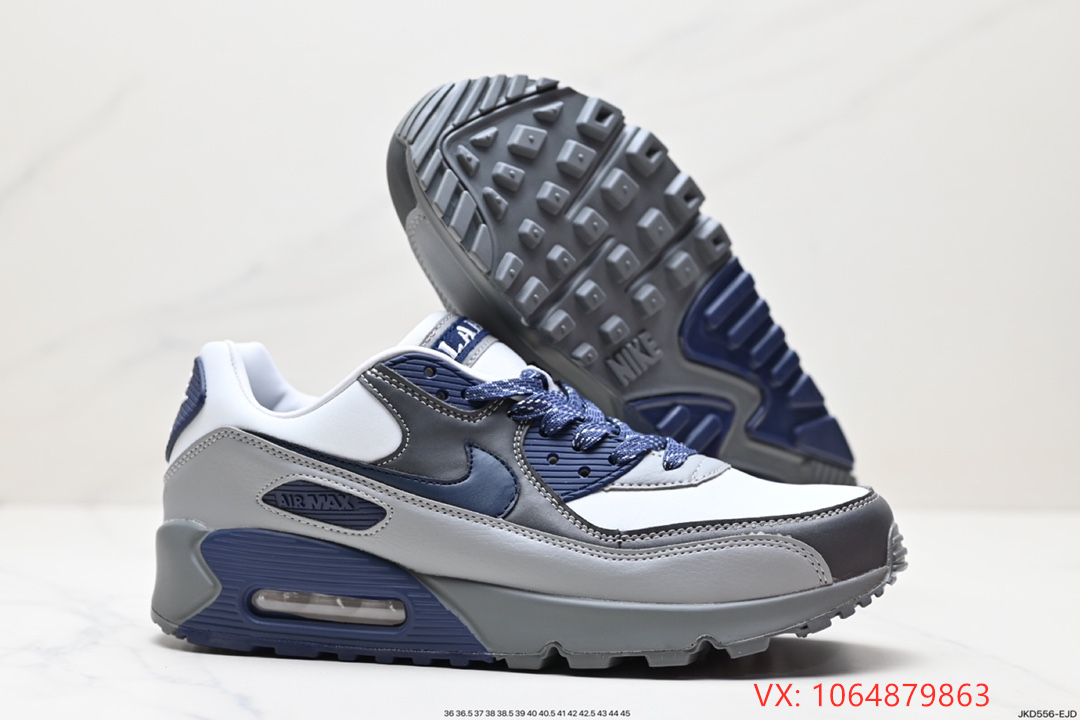
Why You Won't Find "Putian Shoes" in Beijing: A Veteran's Truth
Listen, I've been running a stall in the Putian markets for over fifteen years. I know exactly how the game works because I live it every single day. But let me stop you right there if you are asking where to buy Putian shoes in Beijing. The answer is simple: you won't find them there, not in the way you think.
This is a massive misunderstanding that costs many foreign buyers thousands of dollars and months of wasted time. Beijing is the political and cultural heart of China, but it is not the manufacturing hub. When people search for "Beijing Putian shoe market," they are looking for a ghost. The real action, the factories, the warehouses, and the legendary Anfu Road, are all in Fujian province, specifically in the city of Putian. If you fly to Beijing expecting to walk into a shop selling high-quality replicas or factory-direct sneakers, you will be walking away empty-handed or worse, getting scammed by a middleman selling you fake goods at triple the price.
I need to be honest with you. As an old boss who has seen thousands of tourists come and go, I tell you this: your strategy needs to change immediately. Instead of hunting for a non-existent market in Beijing, you need to understand the supply chain. The shoes you see in Beijing boutiques or online stores claiming to be "Putian style" are just the end result of a long journey from my hometown. Let's break down why Beijing is the wrong place and where you actually need to be to get the best deals.
The Reality of the Supply Chain: Why Beijing Isn't the Source
The Myth of the Beijing Market
When I first started in the industry, I thought maybe Beijing had some secret underground shops. They don't. The Chinese government crackdown on intellectual property rights has made it impossible to openly sell replica sneakers in major commercial hubs like Beijing. Any shop in Wangfujing or Sanlitun selling "high quality copies" is likely selling low-grade knockoffs or outright fakes from other regions, not the genuine "Putian" product which implies a specific level of craftsmanship found only in Fujian.
Furthermore, logistics dictate location. Putian is home to hundreds of factories producing millions of pairs of shoes annually. These factories are clustered together to share resources, molds, and labor. Beijing is too far away, too expensive in terms of rent, and lacks the industrial ecosystem. If you try to source directly in Beijing, you are dealing with distributors who have already marked up the price three times. You are paying for their rent, their marketing, and their profit margin before you even touch the product.
Where the Real Action Happens: Putian, Fujian
If you want the real deal, you must go to Putian. Specifically, the Anfu E-Commerce City (Anfu Road). This is the epicenter. It's not just a street; it's a sprawling complex of buildings where the entire sneaker ecosystem lives. From the raw material suppliers to the mold makers, to the final assembly lines, everything is within a few kilometers. This density is what allows Putian to produce such high volumes so quickly. In Beijing, you are miles away from this efficiency.
For foreign buyers, the distance might seem daunting, but it is the only way to get authentic pricing. The "Putian shoe" label isn't about geography in the sense of where you buy it today; it's about the origin of the production. When you buy in Beijing, you are buying a story. When you buy in Putian, you are buying the product itself.
Navigating Anfu Road: A Local's Guide to Sourcing
Understanding the Layout of Anfu E-Commerce City
Let me give you the inside scoop on Anfu Road. It's divided into several main buildings, each with its own vibe. Building 1 and Building 2 are the most famous. If you walk in here, you won't see big brand logos hanging on the walls. Instead, you'll see stacks of boxes labeled with codes like "LJR," "UK," or "Top Version." These are the internal names used by the factories to denote different quality tiers.
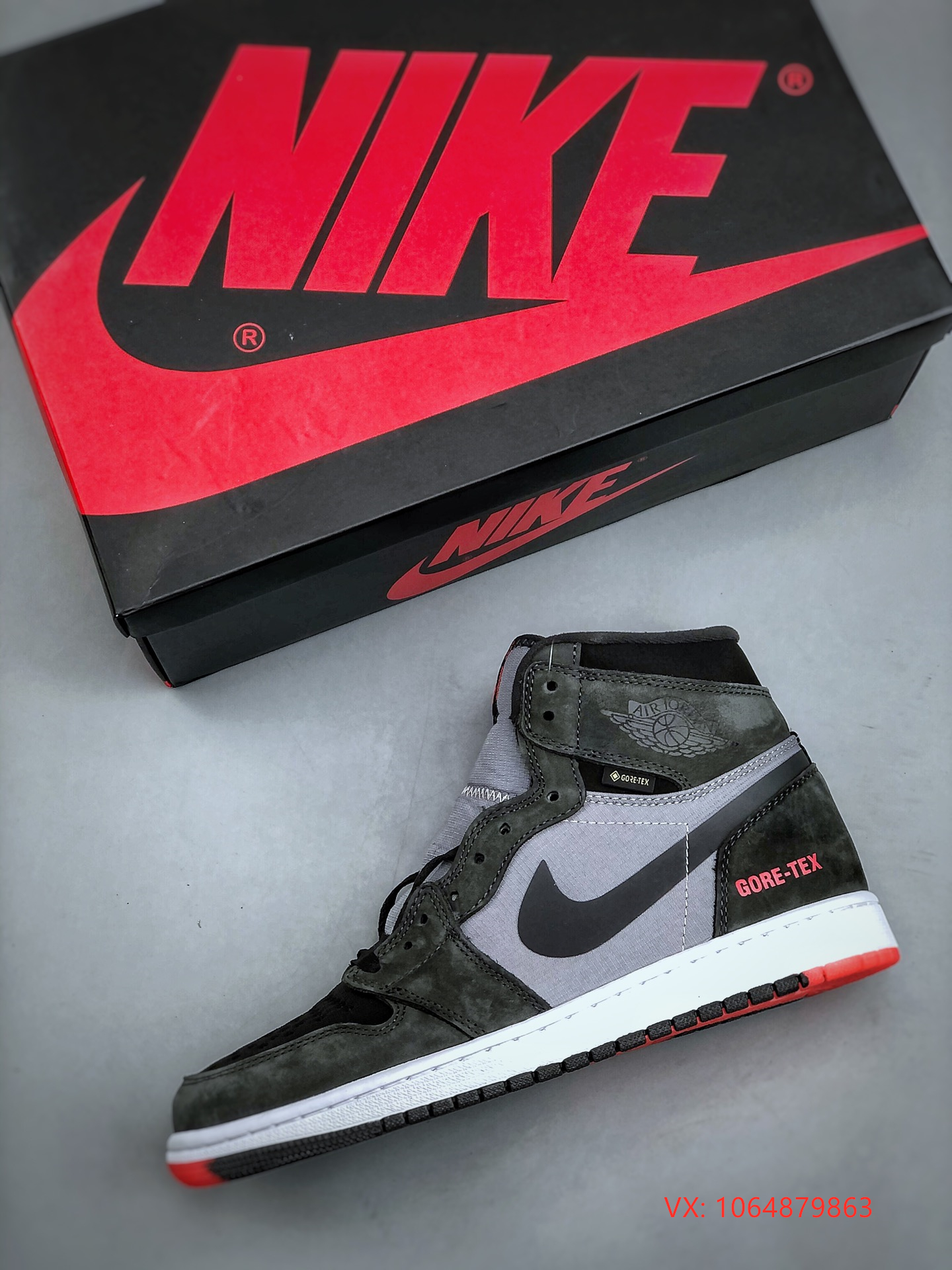
As a veteran, I recommend starting your search on the lower floors, usually the second and third floors. That's where the smaller workshops and the "middle-tier" sellers hang out. The ground floor is often reserved for the big players who handle wholesale orders for international clients. If you are looking for specific models like the Jordan 4 or Yeezy 350, ask around for the "top version" sellers. They usually have dedicated rooms rather than open stalls.
How to Talk to the Bosses and Get Real Prices
Here is the trick that most foreigners miss. When you walk into a stall, do not say "I want to buy one pair." That screams tourist. Say, "I am looking for stock for my store in [Your Country]." Or better yet, "I need to check the quality of the latest batch." Use terms like "factory direct," "bulk order," or "sample first."
I remember a client from the US who came to Anfu Road and asked for the price of a pair of Air Jordans. The seller quoted him $80. He walked away thinking he got ripped off. Later, he told me he didn't know that the price depends on the "version." There is the "market version" ($30-$40), the "mid-version" ($50-$60), and the "top version" ($70-$90). The top version uses the same materials as the original Nike factory, just without the branding. If you pay $80 for a mid-version, you lost money. Always ask for the "top version" price first to gauge the quality baseline.
Practical Tips for Foreign Buyers: Avoiding Scams and Pitfalls
The importance of Physical Inspection
You cannot rely on photos alone. Even the best sellers can send you pictures of perfect shoes while shipping you defective ones. This is why I always tell my international friends: come to Putian. If you can't travel, hire a local agent, but never trust a random WeChat contact without verification. When you are physically in Anfu Road, inspect the stitching, the glue marks, and the sole flexibility. Look at the box code. If the box code doesn't match the shoe size or model, run.
I once saw a buyer accept a shipment of "Jordan 1s" that looked great in the photo but had a distinct smell of cheap rubber. The box said "Made in China," but the quality was clearly from a sub-par workshop. By being on-site, you can reject the goods before they leave the building. This saves you the headache of customs seizures and returns later.
Logistics and Shipping to Your Country
once you pick your shoes, the next step is shipping. Most factories in Anfu Road work with established freight forwarders who specialize in sending goods overseas. They know how to pack the boxes to avoid damage and how to navigate customs regulations. Don't try to ship them yourself via standard mail services; the risk of seizure is too high. Ask the seller for their recommended shipping partner. They usually offer air freight for small batches and sea freight for large containers.
Also, be aware of the "tax-free" claims. No legitimate business can guarantee tax-free entry into the US or EU. Be prepared to pay duties upon arrival. The cost of the shoes plus shipping plus duties is your true cost. Factor this into your budget before you negotiate.
Summary of Key Takeaways for Sourcing
| Factor | Beijing Strategy | Putian (Anfu) Strategy |
|---|---|---|
| Availability | Non-existent for direct sourcing | High concentration of factories and wholesalers |
| Price Point | High (Middleman markups) | Low (Factory direct pricing) |
| Quality Control | Risky, hard to verify | Easy inspection, multiple tiers available |
| Best For | End consumers buying retail | Wholesalers, dropshippers, bulk buyers |
Final Thoughts: Trust the Process
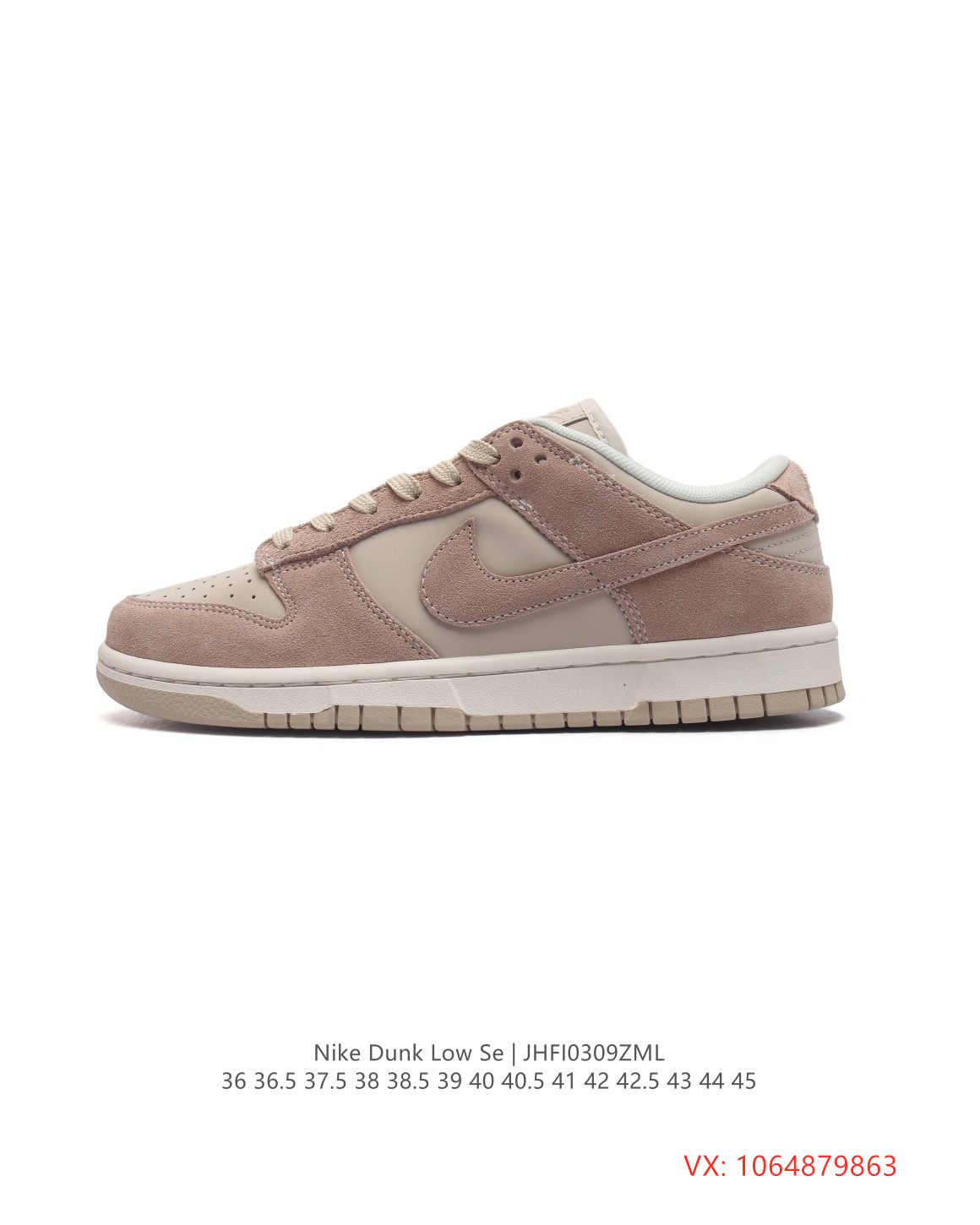
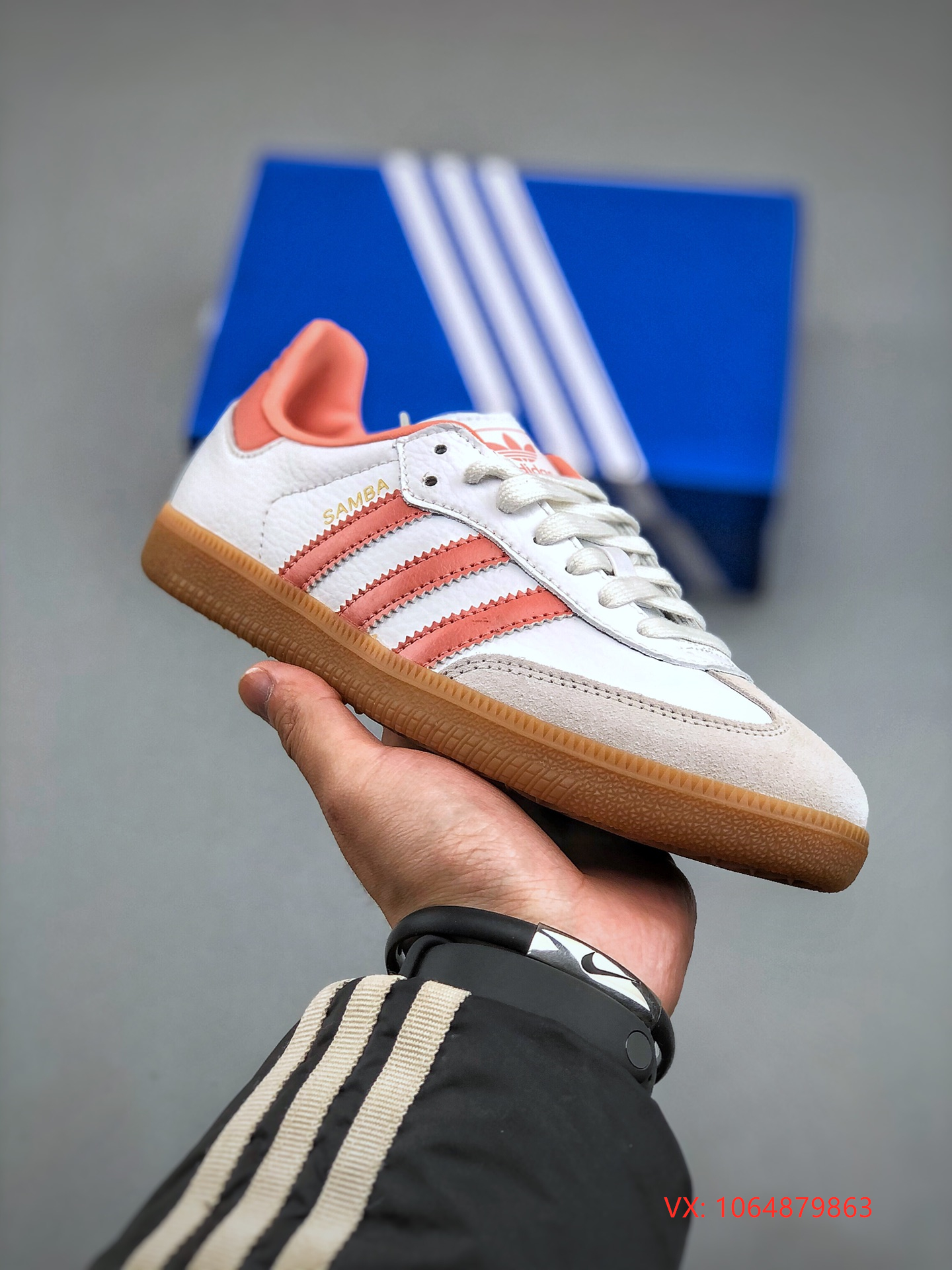
So, to wrap this up, forget about Beijing. It is a dead end for anyone serious about sourcing Putian shoes. The real value lies in the hustle of Anfu Road in Putian. It takes effort to get there, but the reward is access to the source. Whether you are looking for "Nike Dunk Low replicas" or "Adidas Yeezy clones," the quality and variety are unmatched in Putian.
My advice? Plan your trip. Bring cash or set up Alipay/WeChat Pay. Dress casually. Walk the streets of Anfu Road, talk to the bosses, compare the versions, and build relationships. once you establish a connection with a reliable factory owner, you will have a steady supply chain that beats any online marketplace. Don't settle for mediocrity in Beijing when the gold mine is waiting for you in Fujian. Go where the product is made, not where the marketing happens.