Walking the Streets of Anfu: A Local's Guide to Sourcing Authentic-Grade Footwear
I have been standing behind this counter in the Anfu Electronic Commerce City for over fifteen years. While the world calls it "fake shoes," I call it what it really is: a complex supply chain where the same molds, materials, and sometimes even the same factory lines produce both the branded goods and the high-end replicas. If you are an overseas buyer looking for sources, stop searching for a single address labeled "China Putian fake shoes." That is a myth. The real action happens in the alleys, the back rooms, and the private WeChat groups that never appear on Google Maps.
The Myth of the Single Location
When foreigners ask me, "Where can I find the fake shoes in Putian?" I laugh because they are usually looking at a map with a red pin. There is no such pin. The industry here is decentralized. You cannot just walk into one building and buy everything. The market is split between the public-facing retail areas and the hidden wholesale zones. Most tourists get lost in the front shops where prices are marked up for the uninitiated. The real sourcing happens in the residential buildings nearby, like the Xinghua Building or the older blocks around the main square, where the doors are locked until you have a contact.
Navigating the Physical Market: What to Expect
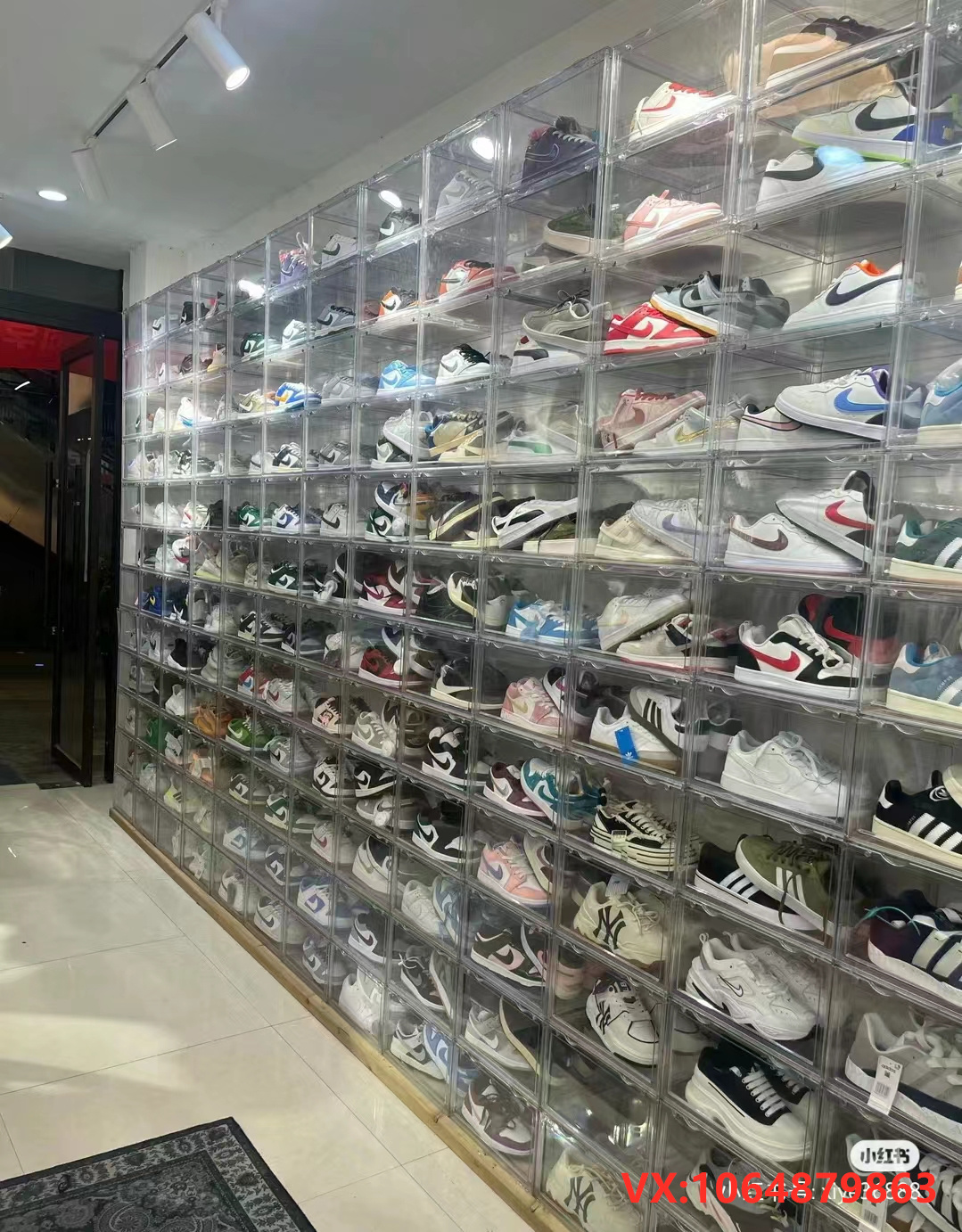
Let me tell you about the first time I brought a client from the US here. He expected a massive warehouse full of boxes stacked to the ceiling. Instead, he found small, cramped offices with three people working on computers and a few racks of shoes. This is normal. The inventory is not sitting in a giant store; it is distributed across dozens of factories. The "showroom" is just a place to display samples. When you walk through the corridors of Anfu, you will see signs for "Nike," "Jordan," and "Yeezy," but these are often just labels. The real work happens when you step inside.
First Impressions and Sample Inspection
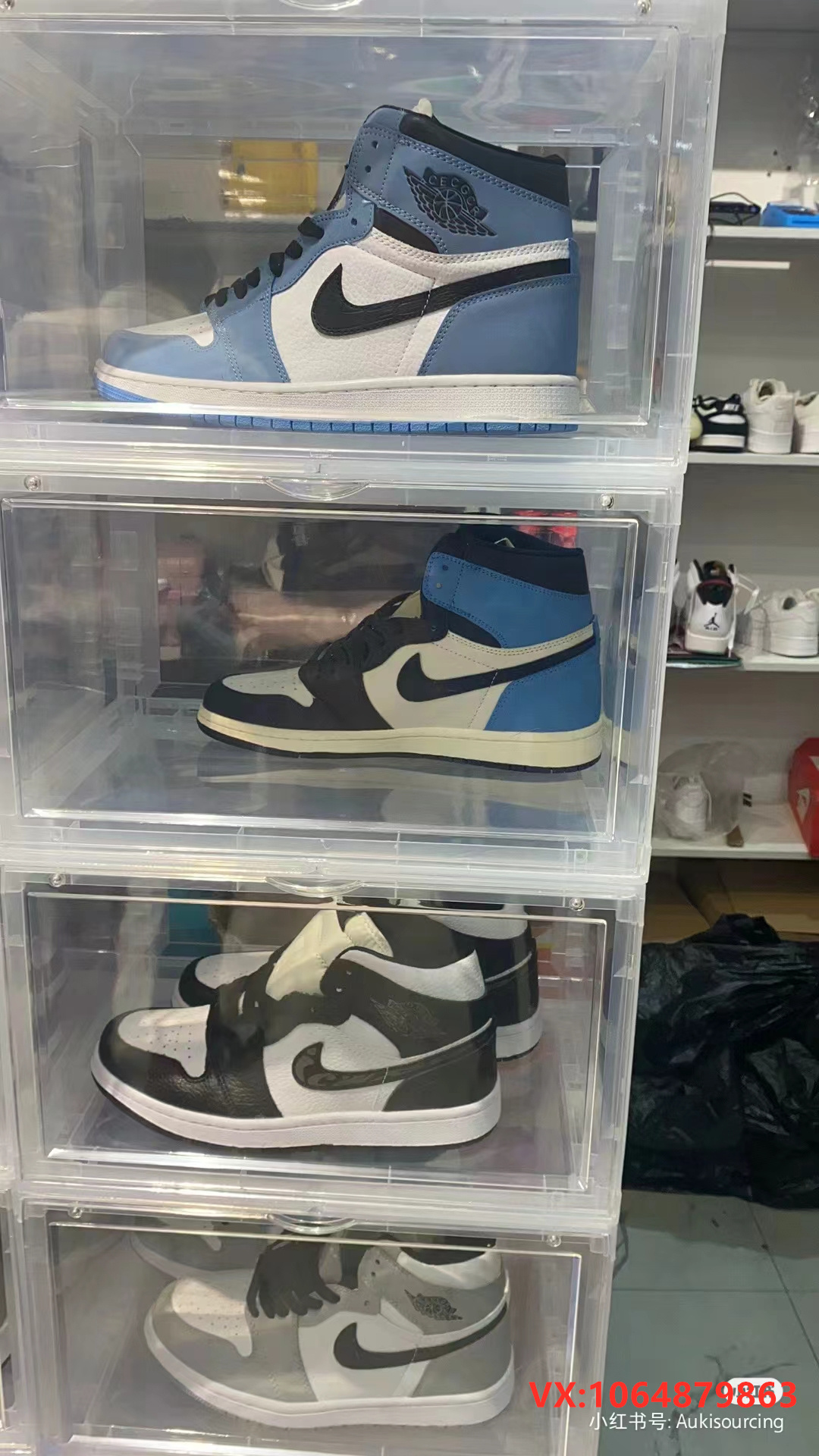
Your first step must be to inspect the sample quality personally. Do not rely on photos sent via WhatsApp or WeChat. Photos can be edited, colors adjusted, and details blurred. In my shop, we always say, "Touch the leather, smell the glue, check the stitching." If you are looking for the top-tier versions, known locally as "1:1" or "OG quality," you need to feel the density of the foam and the texture of the upper material. Many buyers make the mistake of asking for the cheapest option first. I advise against this. If you want to build a long-term business, start with the mid-to-high range. The difference in price might seem small, but the difference in customer return rates is huge.
Building Trust and Negotiating Deals
Trust is the hardest currency to earn here. As a local boss, I know that many foreign buyers have been burned by scams before. They think everyone is trying to cheat them. But if you come with respect and show you understand the product, the dynamic changes. We do not deal with strangers who just want a quick flip. We deal with partners who understand the nuances of the market.
The Art of the Deal
When you negotiate, do not haggle over pennies. Focus on volume and consistency. Ask about the production cycle. How long does it take to make 50 pairs? Can you handle rush orders? These are the questions that separate serious buyers from tourists. Also, discuss the shipping logistics early. We have relationships with freight forwarders who specialize in sending goods to the US, Europe, and Southeast Asia. They know how to pack the boxes so they don't look suspicious during customs. If you try to ship directly without proper packaging, your goods could get stuck. We handle the "duty-free" packing methods that keep your shipment moving smoothly.
Avoiding Pitfalls and Ensuring Quality
There are traps everywhere in this industry. One common mistake is ordering based solely on a picture. Another is ignoring the "QC" (Quality Control) process. Before any shoe leaves our warehouse, we inspect every pair. We check for glue stains, uneven stitching, and color mismatches. If you skip this step, you will receive defective goods. Always request a video inspection before payment. Send us a list of specific things you want checked, and we will film it for you. This transparency builds trust.
Understanding the Tiers
You need to understand that not all "Putian shoes" are the same. There are low-quality copies made with cheap rubber and synthetic leather, and then there are the premium versions that use genuine materials sourced from the same suppliers as the big brands. When you search for "high quality sneakers from China," you are likely looking for the latter. Do not settle for the former unless you are selling to a very specific, price-sensitive market. The reputation of your brand depends on the quality you deliver. If you sell bad products, your customers will leave, and your business will die. Focus on the "top tier" options. They cost more upfront but save you money in the long run by reducing returns.
The Future of Sourcing in Putian
The market is evolving. It is becoming more professional and less chaotic. More factories are investing in better technology and stricter quality control. For international buyers, this means better reliability. However, the core remains the same: personal relationships. You cannot automate the trust-building process. You need to visit, meet face-to-face, and shake hands. Whether you are looking for "wholesale sneakers from Putian" or "custom footwear manufacturers," the answer lies in the human connection. Come to Anfu, walk the streets, talk to the bosses, and you will find exactly what you need. The shoes are here, waiting for the right partner to bring them to the world.