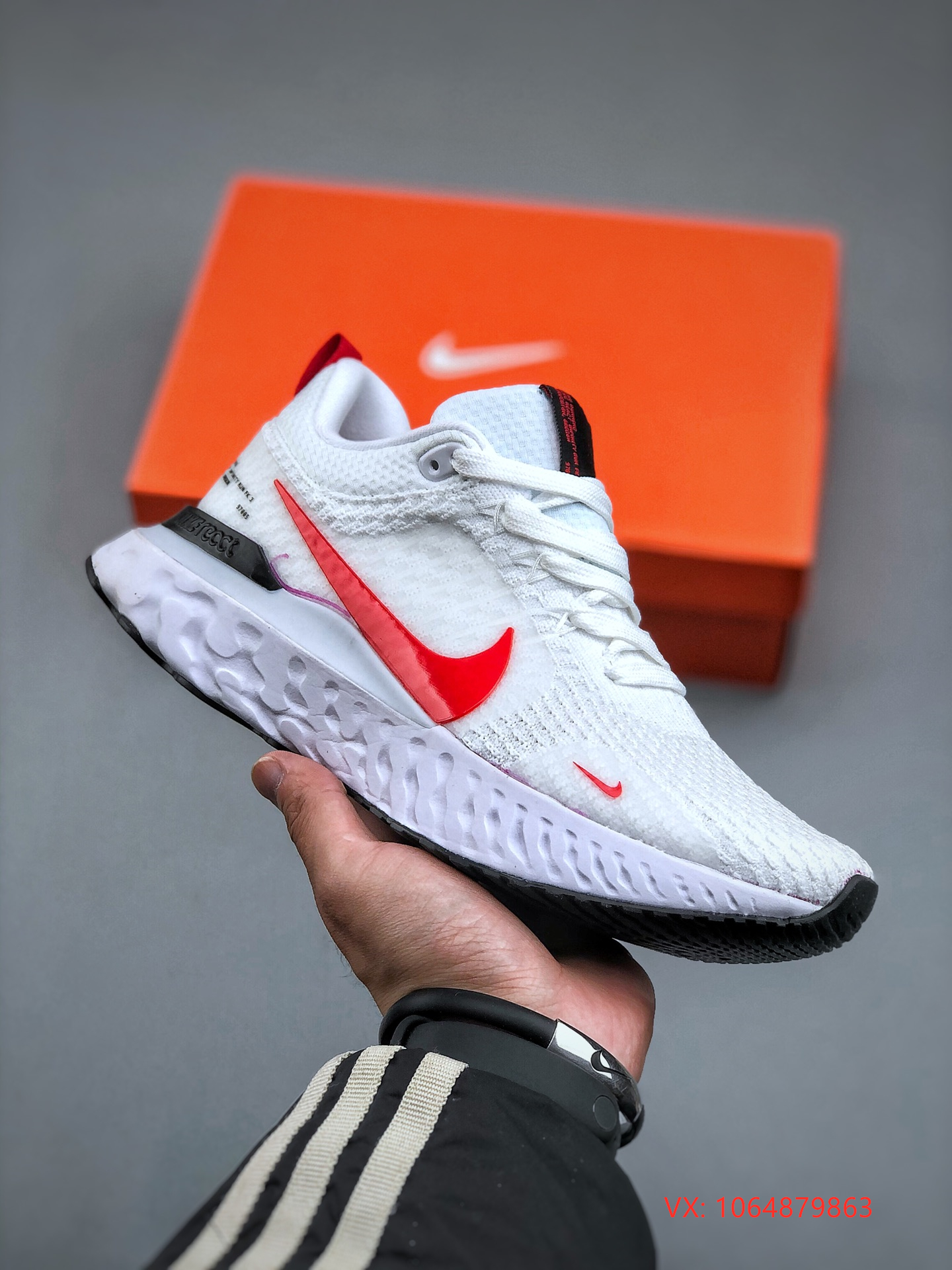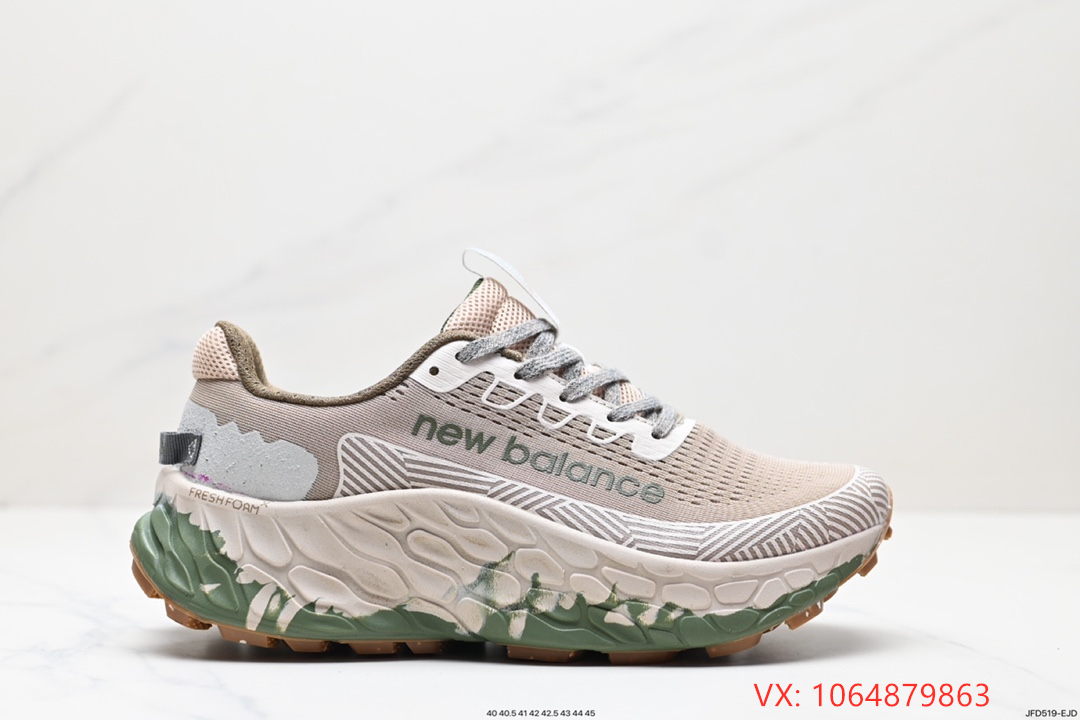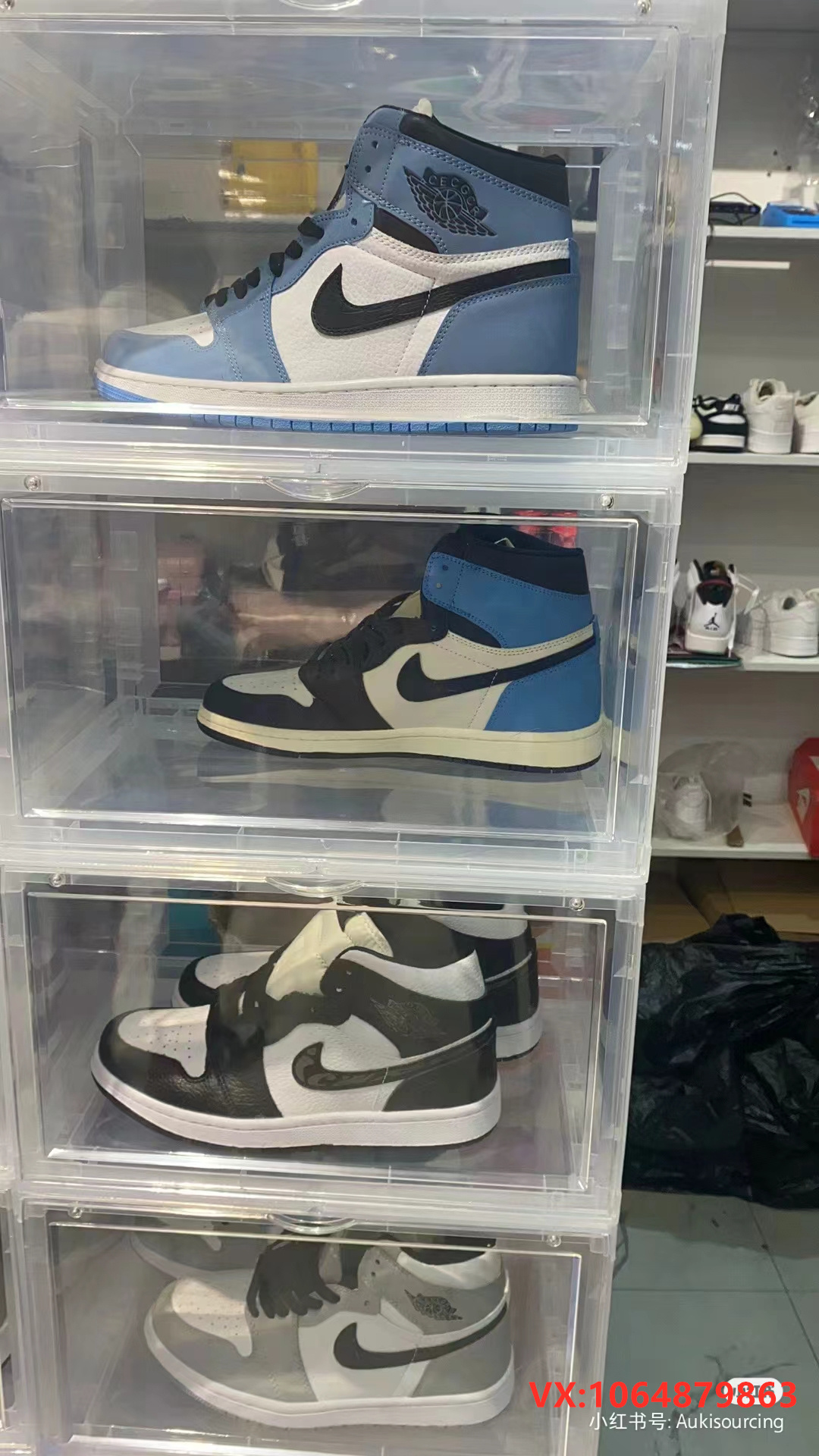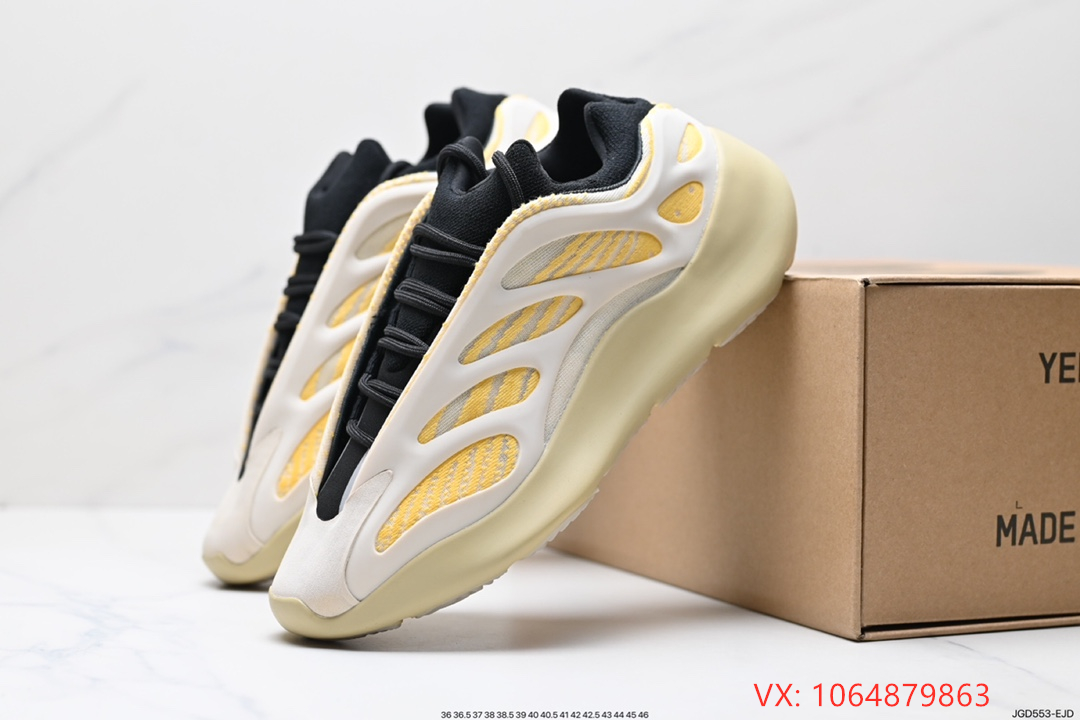
Walking the Floors: My Honest Guide to Spotting Fake vs. Real in Putian
Welcome to the real world of Putian, not the glossy version you see on Instagram or TikTok. I have been standing behind a counter in the Anfu E-commerce City for over fifteen years. I have seen thousands of pairs of shoes come through my hands, and I have watched countless foreign buyers walk into my shop with big dreams and empty pockets, only to get burned by "high quality" scams. If you are reading this, you probably want to know how to distinguish between a genuine factory product and a cheap knockoff, or perhaps you are confused about what "real" even means in our market. Let me be clear: in Putian, we don't sell "fake" shoes in the traditional sense of counterfeiting branded goods illegally. We sell replicas that mimic the molds and materials of top-tier brands. But here is the hard truth: there is a massive gap between a $50 pair made from recycled rubber and a $150 pair made with premium leather and Boost technology. As a local boss who deals with international clients daily, I am going to break down exactly how you can test the authenticity of these products when you are standing right in front of them.
The First Rule: Don't Trust the Box
When you first walk into a stall in Anfu, your eyes will immediately go to the box. Many new buyers make the mistake of thinking a perfect-looking box with a holographic sticker means the shoe inside is top-tier. This is the biggest trap. In our market, boxes are just boxes. You can buy a brand-new Nike box for five dollars at any wholesale street nearby. The same goes for the dust bags and the extra laces. A seller can put a fake shoe in a perfect box, and it will look amazing until you take it out. When I meet a serious buyer, I tell them to ignore the packaging entirely. Focus on the shoe itself. If the box looks too perfect but the stitching on the upper is loose or the glue is visible, run away. The box is just marketing; the craftsmanship is the reality.
Inspecting the Materials: Leather, Mesh, and Feel
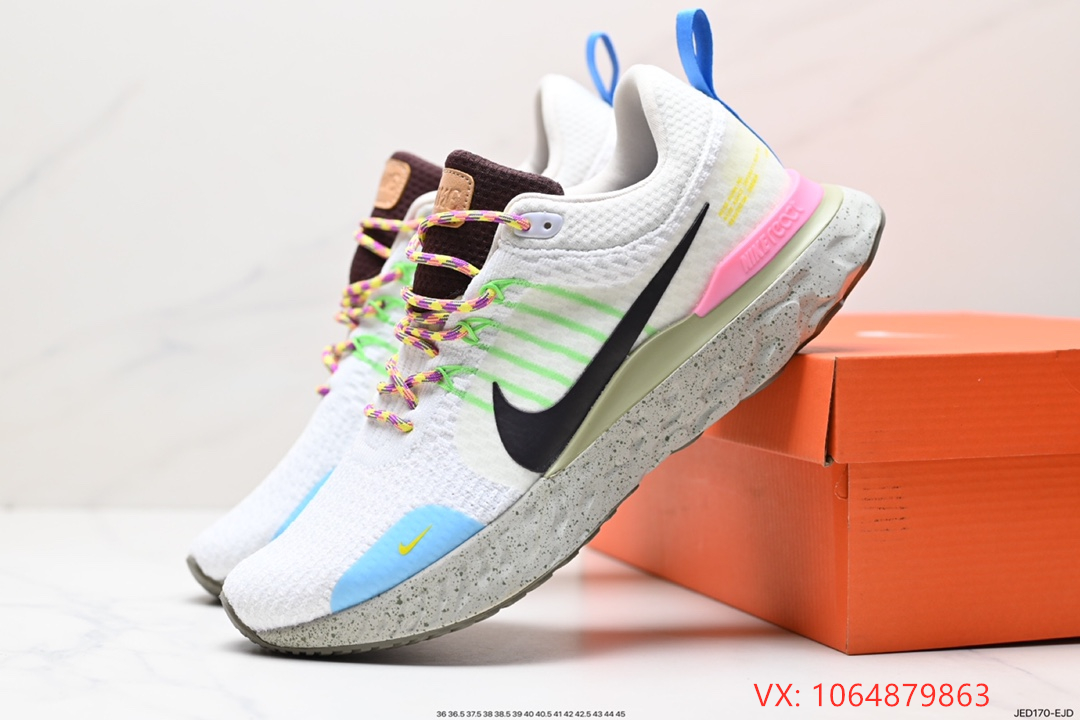
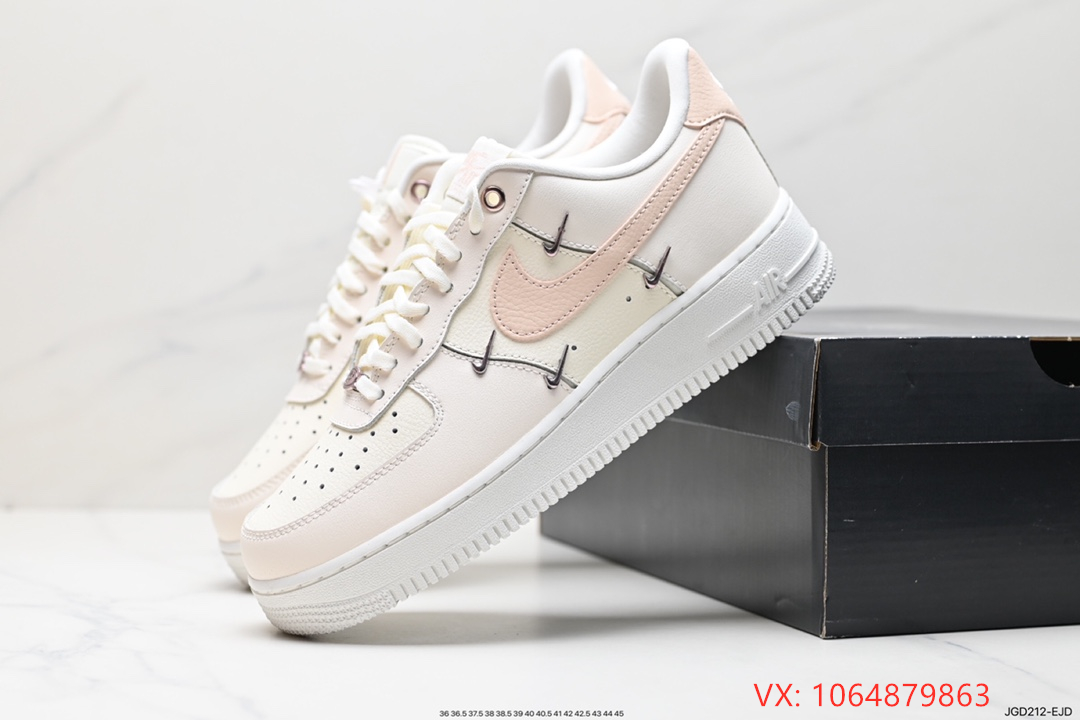
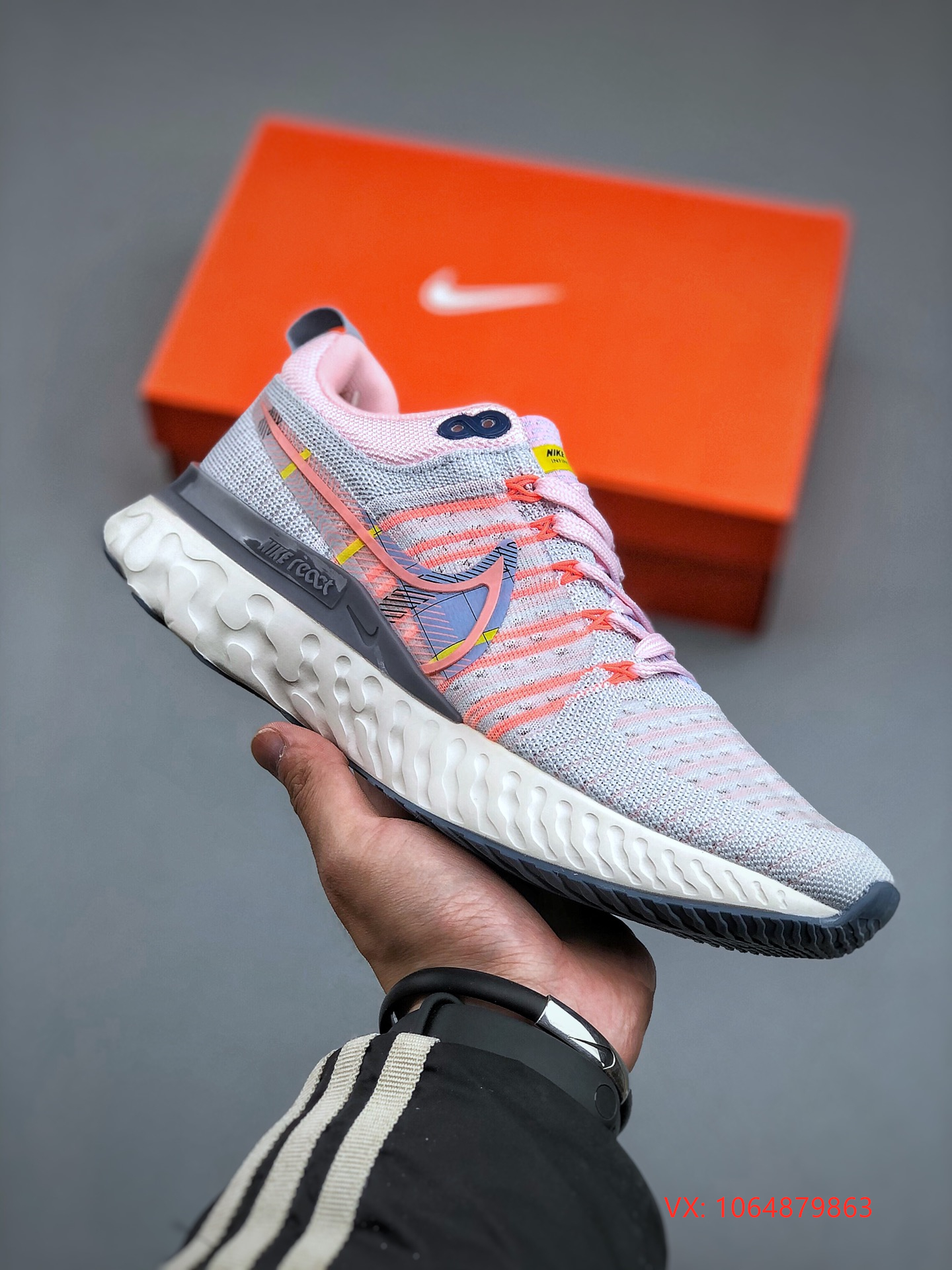
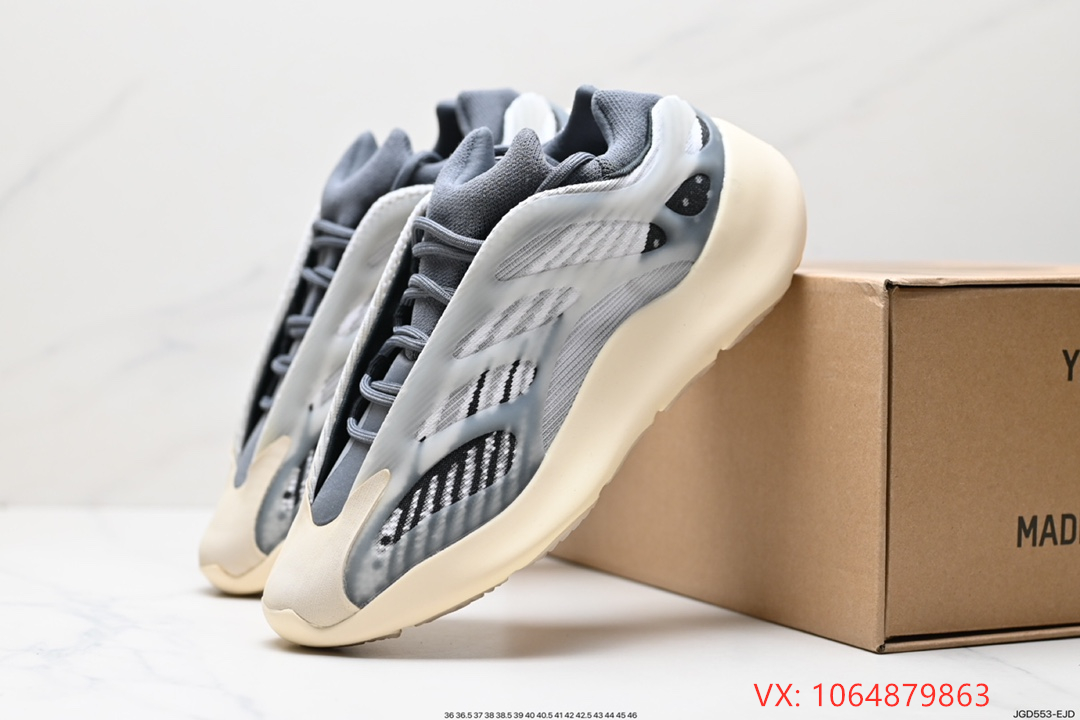
This is where the real work begins. To verify if a shoe is high-quality or low-grade, you need to touch it. High-end replicas use materials that feel almost identical to the original retail versions. For example, if you are looking at a Jordan 4, the nubuck suede should feel soft and velvety, not stiff like cardboard. If you press your thumb into the material and it doesn't bounce back quickly, it is likely a lower grade. For mesh uppers, hold the shoe up to the light. Cheap versions often have a plastic-like sheen or uneven weaving patterns. In contrast, premium versions have a matte finish and consistent texture. I always tell my overseas clients to bring a small flashlight. Shine it on the heel counter and the toe box. If you see rough edges, excess glue, or uneven dye lines, that is a sign of a factory that cuts corners. We have different grades of production, and knowing which one you are buying is crucial for your profit margin.
The Sole and Midsole: The Heart of the Shoe
The midsole is often the most expensive part of the manufacturing process because it requires specific machinery and raw materials. This is the easiest place to spot a fake. Look at the Air units or the Boost foam. In a high-quality replica, the air bubble should be perfectly centered and transparent, without any bubbles trapped inside the plastic. The color should match the official release photos exactly. If the sole looks yellowish or has a dull finish, it is likely using old or recycled rubber. Furthermore, check the tread pattern. Cheap soles often have shallow grooves that wear out after a few weeks. Genuine molds have deep, precise treads designed for grip. When you bend the shoe, the flex point should be natural. If the shoe bends in the middle of the arch instead of the toe area, the mold is wrong. I have seen many buyers lose money because they didn't check the flexibility of the sole before paying.
Stitching and Glue Lines: The Devil in the Details
As someone who has overseen production lines, I can tell you that stitching is the first thing I check when a new batch arrives. Good factories use industrial machines that create uniform stitches with no loose threads. If you see a thread hanging off or a stitch that skips, that is a red flag. The spacing between stitches should be consistent throughout the entire shoe. Now, let's talk about glue. No matter how good the factory is, there will be some glue residue, but it should be minimal and clean. If you see thick blobs of white glue oozing out from the sole or around the eyelets, that indicates poor quality control. In the lower grades, you might even smell a strong chemical odor that makes your eyes water. Premium versions usually have a faint, neutral smell. When you are negotiating with a supplier, ask them specifically about their QC process. Do they inspect every single pair? If they say yes, ask to see the rejected pile. That tells you everything about their standards.
Navigating Anfu: How to Deal with Suppliers
once you know what to look for, you need to know how to deal with the people selling these shoes. Anfu is a maze of hundreds of stalls, and not all of them are honest. Some sellers will try to pass off low-grade shoes as "top tier" just to close a sale. Never trust a seller who refuses to show you the actual stock. Always ask to see the shoes in the warehouse, not just the display samples. Samples are often hand-picked to look perfect, while the bulk order might be different. Build a relationship with your supplier. Come back multiple times. Show them you are serious about long-term business, not just a one-time flip. When you negotiate prices, remember that the cheapest option is rarely the best. If a price seems too good to be true, it is. A reputable supplier will give you a breakdown of the costs, explaining why their version costs more than the guy next door. They will explain the difference in leather sources, mold precision, and labor costs.
Avoiding Scams: Payment and Shipping
The final step in verifying the authenticity of your purchase is ensuring you actually receive what you paid for. Many foreign buyers fall victim to payment scams where they send money via Western Union or crypto and never hear from the seller again. Always use secure payment methods that offer buyer protection. If you are visiting Putian in person, pay upon inspection. If you are ordering online, insist on video calls where the seller shows you the specific batch number and serial codes. Check the QR codes on the box against the official database if possible, though keep in mind that counterfeiters also copy these codes. Finally, be wary of shipping agents who promise "free shipping" but hide fees in the weight calculation. A trustworthy agent will give you a detailed quote including insurance and tracking. By following these steps, you can navigate the complex world of Putian footwear with confidence, finding the balance between quality and cost that works for your business.