Walking the Floors: A Veteran's Guide to Sourcing Footwear in Putian
Listen, I've been standing behind a counter in the Anfu area since before the internet really took off here. People think Putian is just about "replicas" or cheap knockoffs, but that is a massive misunderstanding if you want to do business properly. When I see foreign buyers walking into our markets with wide eyes and a shopping list from Alibaba, I know they are going to get burned unless they understand the real pulse of this city. You are not looking for a big department store like you would see in New York or London. There are no giant malls with polished floors and air conditioning where you can just walk in and buy a thousand pairs of shoes. The magic, the real sourcing power, happens in the narrow alleys, the crowded corridors, and the small, cluttered showrooms tucked away in buildings that look like warehouses on the outside.
The Myth of the Big Department Store
First things first, let me clear up a confusion many overseas clients have. If you search for "big shoe stores in Putian," you will find nothing that fits your mental image. We don't operate that way. Our ecosystem is built on supply chains, factories, and specialized wholesale districts. The heart of this operation is the Anfu E-commerce City. It looks chaotic to an outsider. You step inside, and it smells like rubber, glue, and old cardboard. But that smell? That is the smell of money being made. This is where the real action is. You won't find a single sign saying "Wholesale Shoes." Instead, you will see hundreds of small signs, some in Chinese, some in English, all pointing to specific brands or styles. This is where you need to be.
Navigating the Anfu Market: Where the Real Action Is
Anfu is not just one building; it is a complex of interconnected structures. For a new buyer, it feels like a maze. I tell my friends who come from abroad to forget about Google Maps for the final leg of the journey. once you get to the main entrance, you have to rely on local knowledge. The ground floor is often filled with tourists and casual shoppers looking for souvenirs. Do not waste time there. The serious business happens on the upper floors, specifically in the older sections where the lighting is dimmer and the space is tighter.
Finding the Right Stall Amongst the Noise
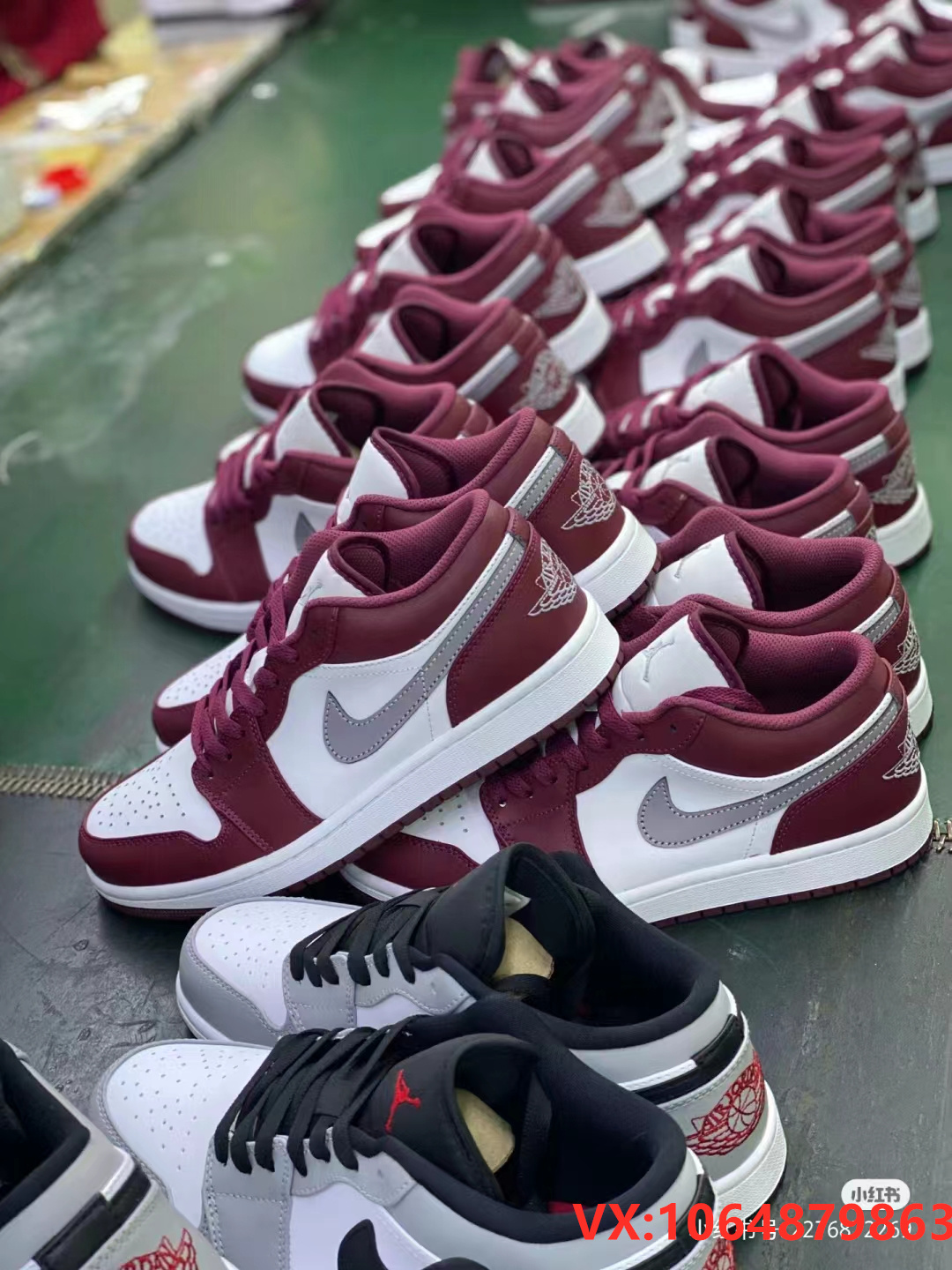
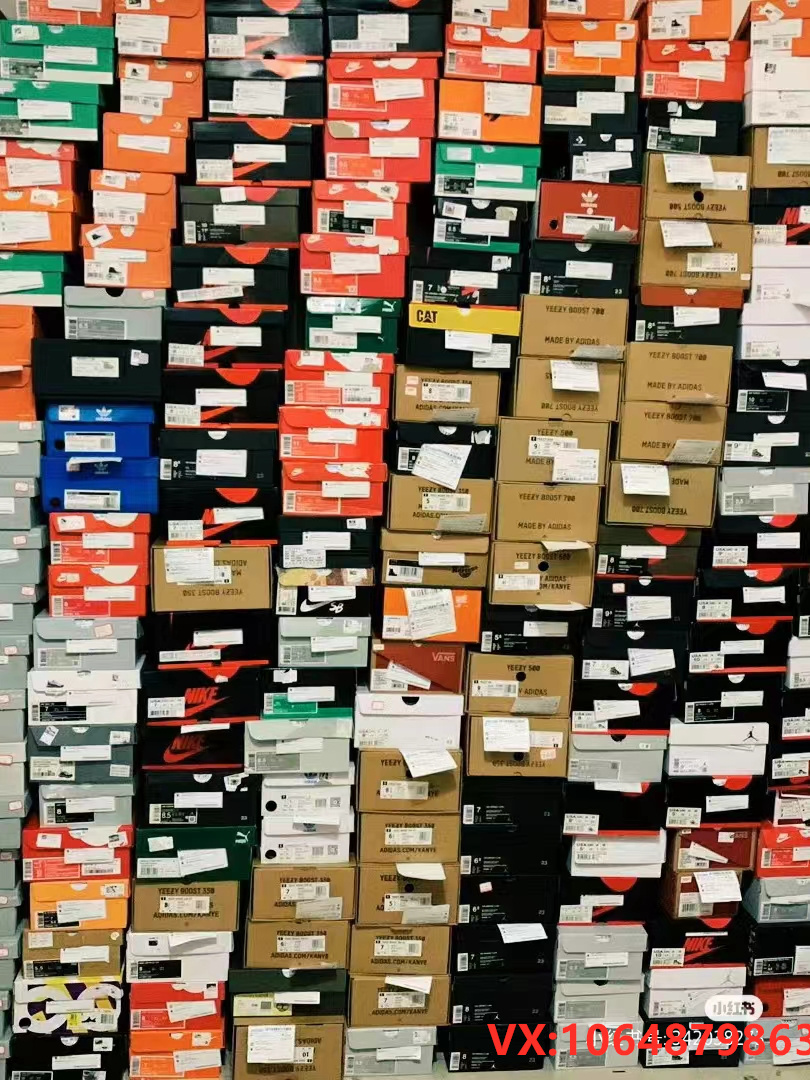
When you enter these buildings, ignore the flashy displays at the front. Those are for show. Walk past them and look for the stalls that have boxes stacked high near the back. That is where the inventory lives. In Putian, we call these "dangkou" or booths. Each booth represents a specific supplier, often connected directly to a factory down the road. Some specialize in running shoes, others in basketball sneakers, and some focus entirely on luxury lifestyle designs. To find the best suppliers, you need to ask around. Don't be shy. Ask other shop owners, "Where is the best place for high-quality Jordan 4s?" or "Who has the latest Yeezy stock?" The locals talk, and they will point you to the right door. This word-of-mouth network is more powerful than any online directory.
The Art of Inspection: Seeing is Believing
Here is the most critical part of the process that separates the amateurs from the pros. Never, ever order based solely on photos sent over WhatsApp or WeChat. Photos can be edited, angles can be hidden, and lighting can make a low-quality product look premium. When you are physically here, you must inspect every single pair. I have seen too many buyers lose thousands of dollars because they trusted a picture instead of their own eyes.
Checking the Details That Matter
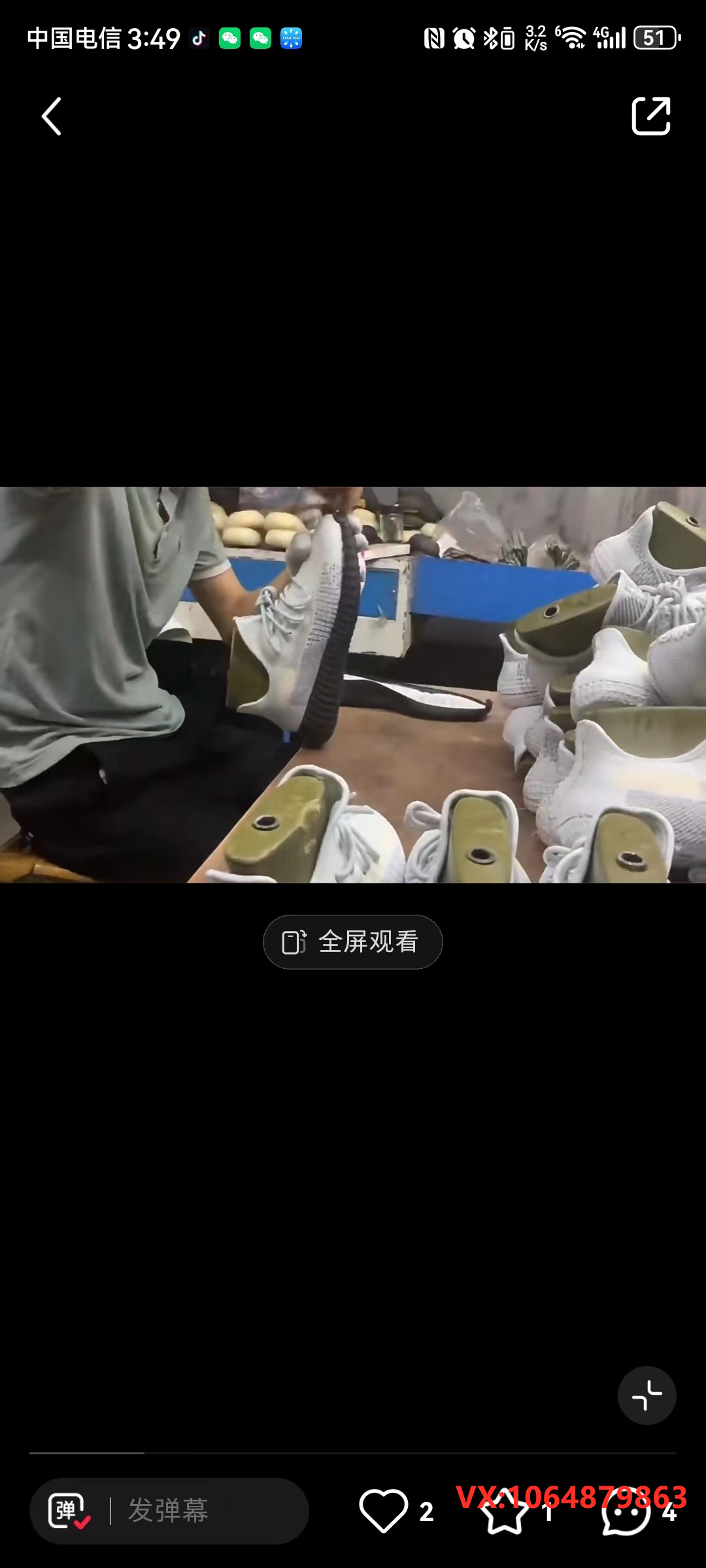
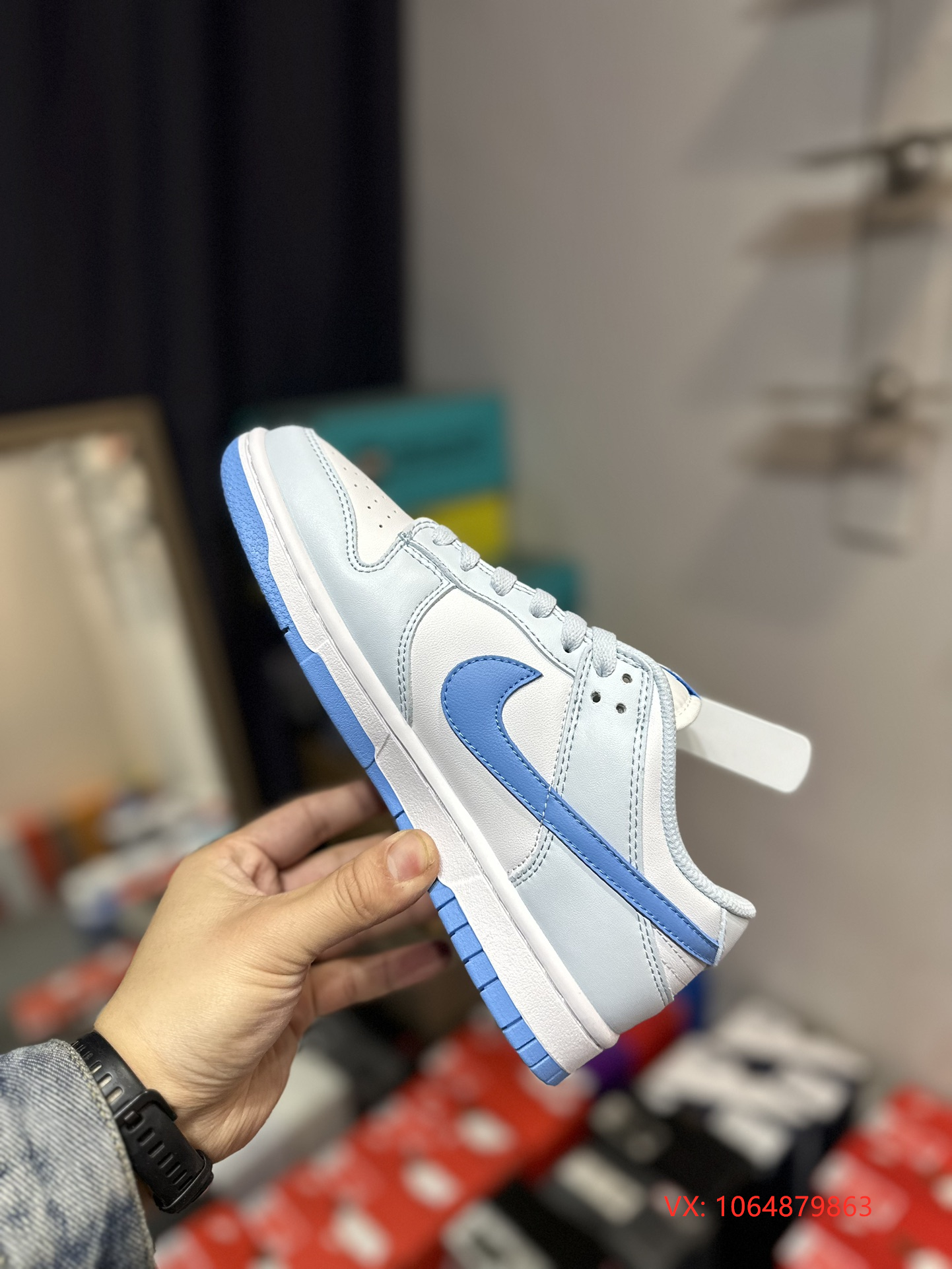
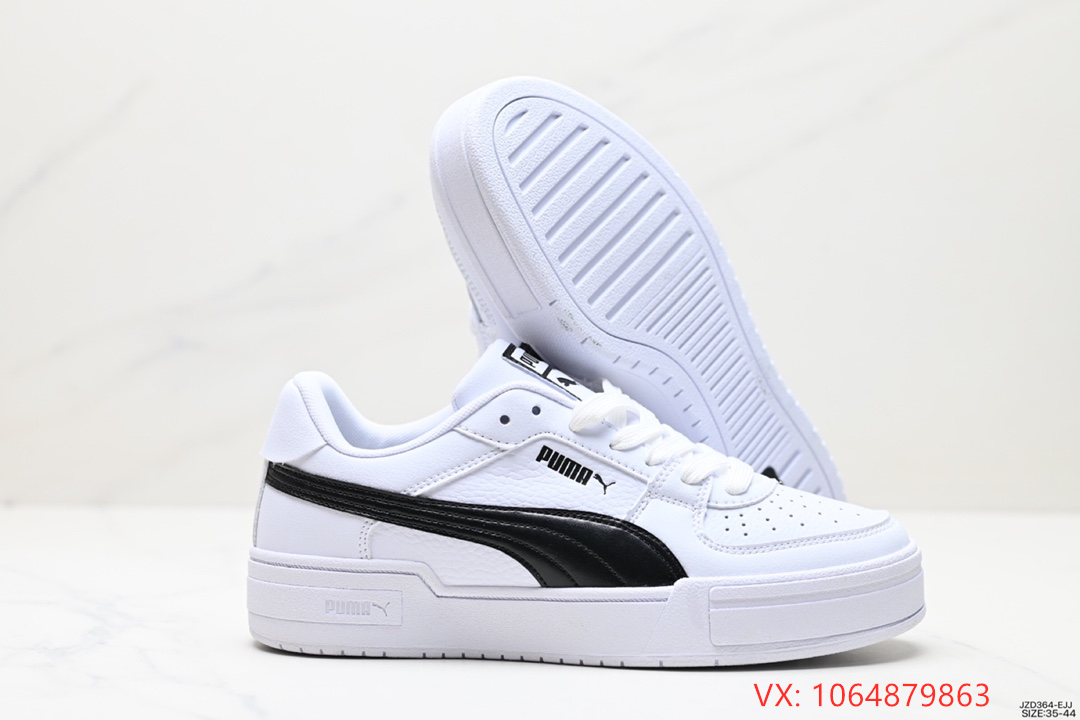
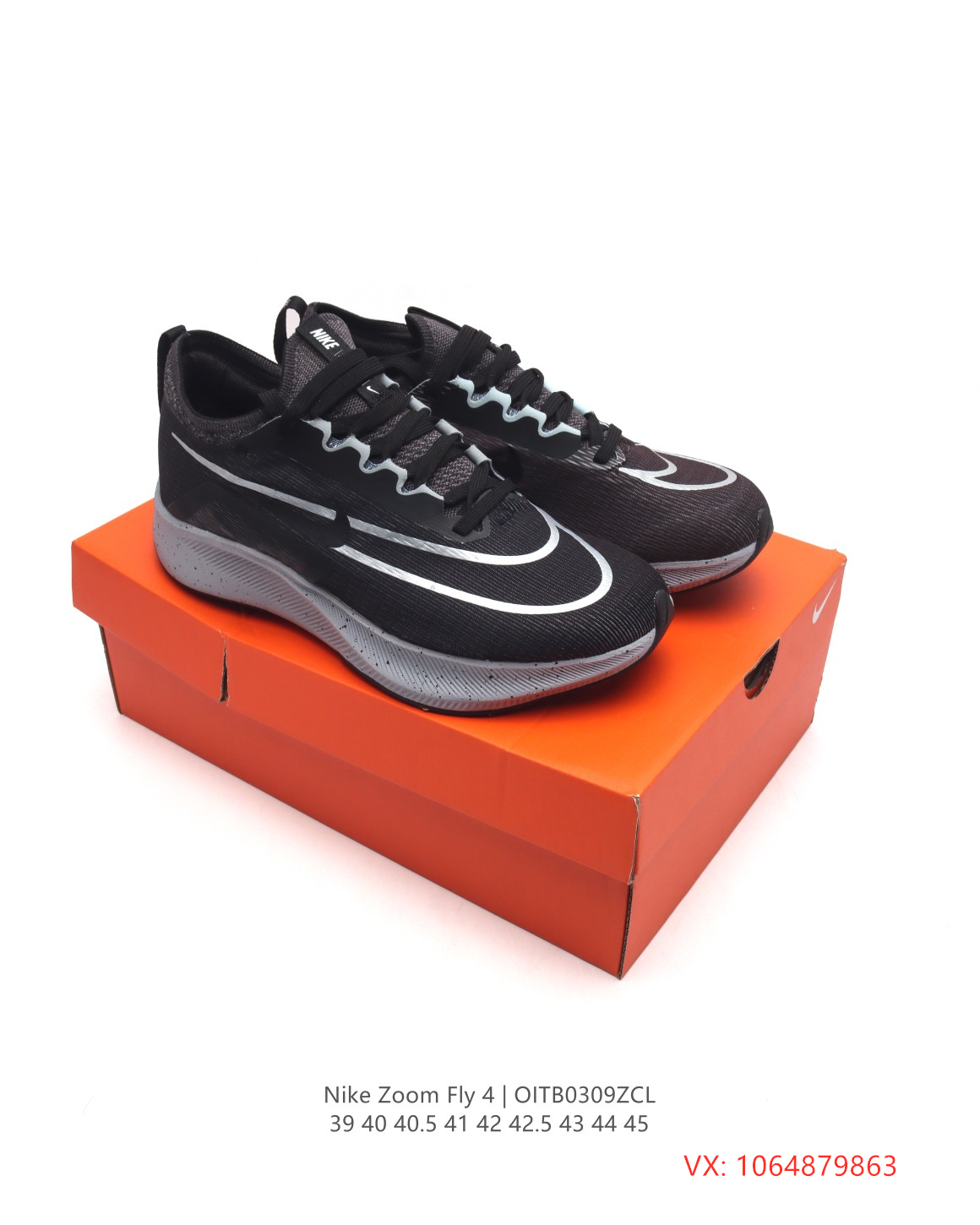
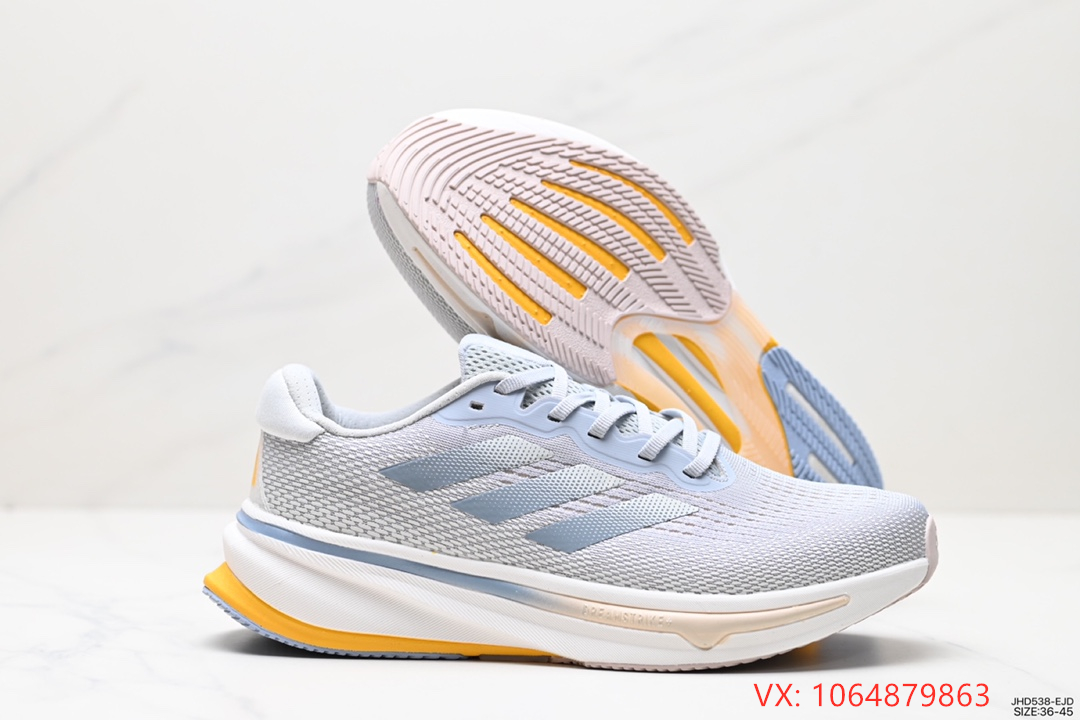
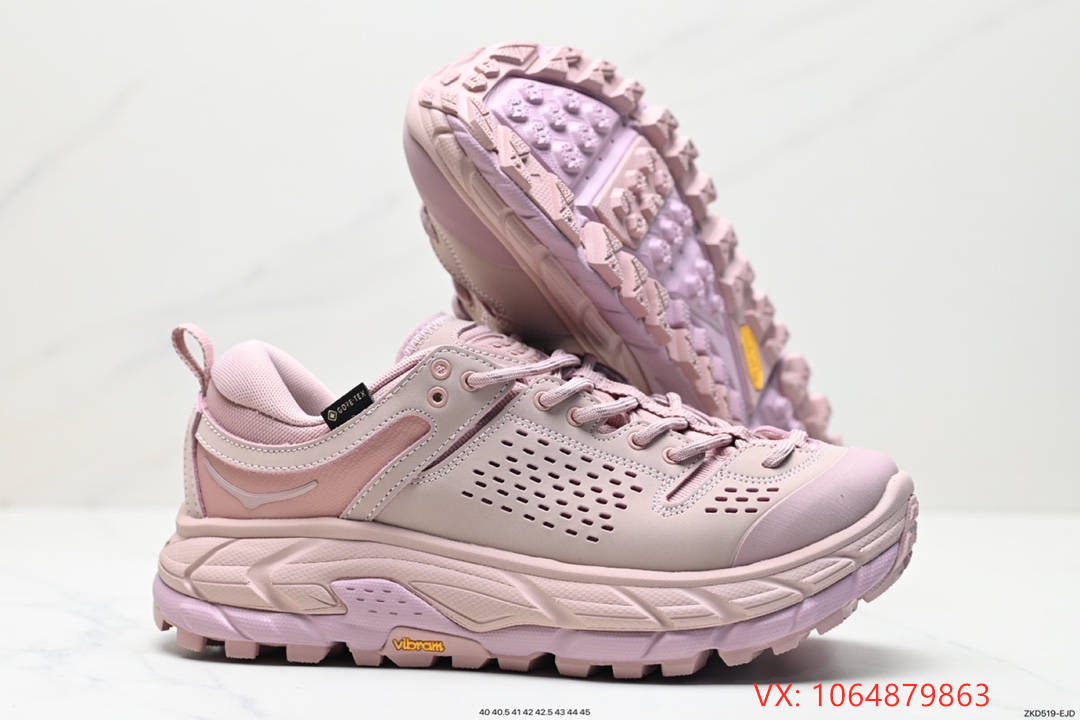
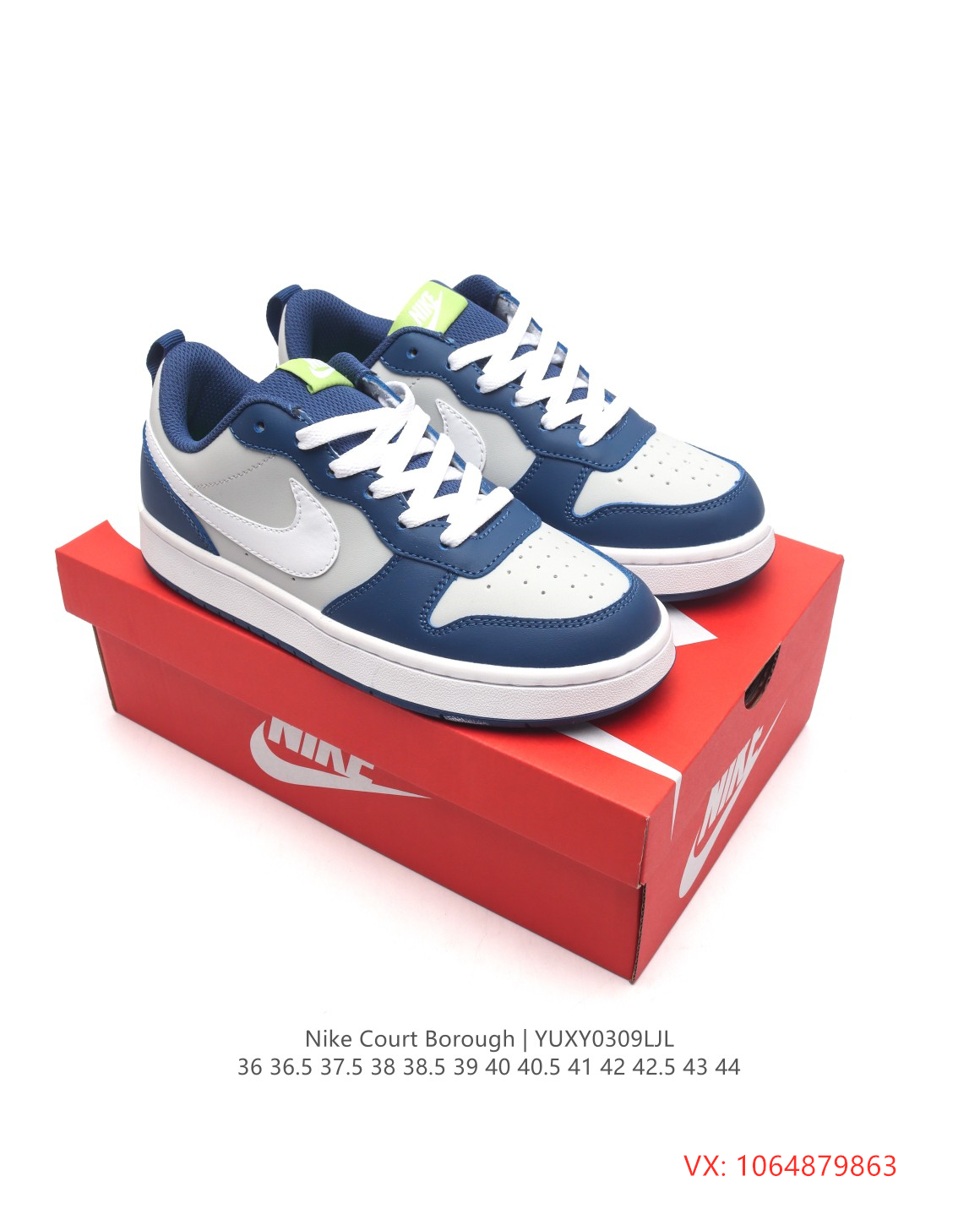
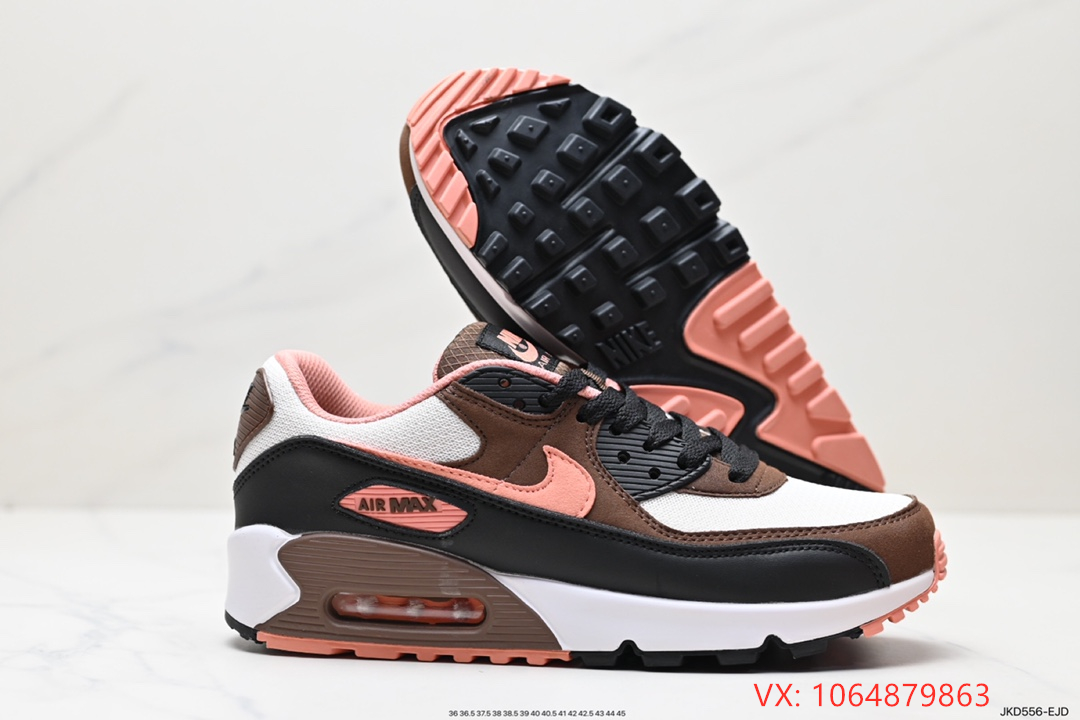
When you pick up a shoe, check the stitching first. Look at the glue lines. Are they messy? Is there excess adhesive seeping out? Then, check the materials. Feel the leather or the knit. Does it feel stiff or soft? Does it smell like chemicals or like quality material? In the Anfu market, you will find different grades of products. Some are made with top-tier materials that are almost indistinguishable from the originals, while others are made with cheap synthetics that fall apart after a month. As a veteran, I always tell my buyers to compare two similar-looking shoes side by side. One might be the "high version" and the other the "low version." The price difference is huge, and the quality gap is even bigger. only buy what you can verify yourself.
Building Relationships and Negotiating Terms
once you have found a supplier you trust, the negotiation begins. In Putian, relationships are everything. If you treat the shop owner like a stranger, you will pay retail prices. If you treat them like a partner, you get wholesale rates. Start by asking for their catalog. Most of these shops have physical catalogs with samples, but many also use digital catalogs on iPads. Be honest about your volume. If you are planning to order five hundred pairs, say so immediately. Suppliers love volume because it means steady work for their factories.
Understanding MOQ and Shipping Logistics
One common question I get is about the Minimum Order Quantity (MOQ). In this market, MOQs are flexible. Unlike Western retailers who demand thousands of units, here you might start with fifty pairs per style to test the market. However, if you want the absolute best price, you need to commit to larger quantities. Also, discuss shipping early. Many suppliers have established relationships with freight forwarders who handle international logistics. They can arrange sea freight or air freight directly from the port nearby. Do not try to figure out customs clearance on your own unless you have experience. Let the supplier help you navigate the paperwork, but always ensure you have a clear contract regarding delivery times and damage policies.
Avoiding Pitfalls: What Not to Do
There are traps everywhere in this industry. The biggest mistake foreign buyers make is trying to negotiate prices without understanding the market value. If a shoe costs $50 to make and you are offered it for $10, run away. That is a scam. Another pitfall is ignoring the payment terms. Always use secure payment methods. Avoid sending large sums via wire transfer without a deposit guarantee. I recommend using platforms that offer buyer protection or meeting in person to exchange cash for goods if possible. Also, beware of "middlemen." Sometimes people claim to be suppliers but they are just resellers. Verify their identity by asking to visit their warehouse or factory. A real supplier will never mind showing you where the shoes are actually made.
Final Thoughts on Sourcing Success
Sourcing footwear in Putian is not a quick fix; it is a skill that takes time to master. It requires patience, observation, and a willingness to learn the local culture. The Anfu market and its surrounding areas are a treasure trove for anyone willing to dig deep. By focusing on physical inspection, building genuine relationships, and avoiding common scams, you can find incredible deals that you simply cannot find anywhere else in the world. Remember, the best deals are not advertised on billboards; they are whispered in the back rooms of the Anfu buildings. Go there, walk the floors, touch the products, and build your business on solid ground. That is how you succeed in the Putian shoe trade.