Walking the Floors of Anfu: A Veteran's Guide to Spotting High-End vs. Low-Grade Putian Footwear
I have been standing in the bustling corridors of the Anfu E-commerce City for over fifteen years, watching the tide of foreign buyers come and go like the tides outside my shop window. You see, most people think "Putian shoes" are just cheap fakes you can buy on a street corner. That is a massive misunderstanding. In reality, we have tiers that range from absolute trash to replicas so close to the original factory molds that even the brand's own quality control team would struggle to tell them apart without a microscope. When you are an overseas buyer looking for high-quality stock, understanding the difference between the "high version" (often called the top tier or 1:1) and the "low version" is not just about saving money; it is about protecting your reputation.
The First Rule: Don't Trust the Photos Alone
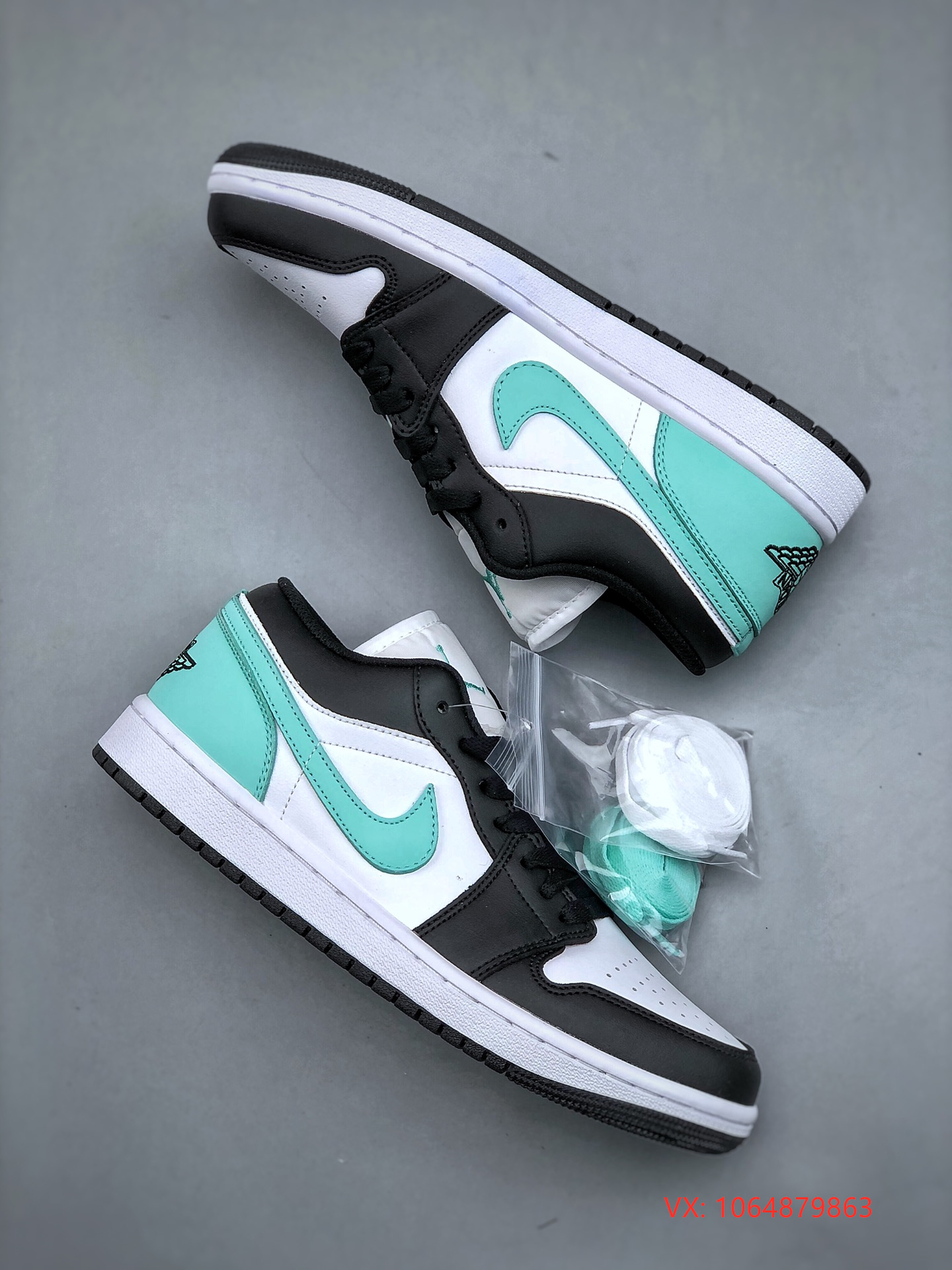
Let me be blunt with you. If you are chatting with a supplier on WhatsApp or WeChat and they send you glossy, filtered photos, throw them away. I have seen too many newbies get burned because they thought a picture looked perfect. The low-grade versions look amazing in a studio setting with good lighting. They use cheap glue that smells terrible once you open the box, and the stitching is often sloppy when you look at it up close. The high version, however, comes from the same supply chain as the big brands. They use the same rubber compounds, the same leather hides, and the same injection molding machines. The only way to truly know what you are getting is to see the physical product. This is why I always tell my international clients: if you cannot visit us, hire a trusted third-party inspection service, but do not rely on digital images alone.
Navigating the Market: How to Spot the Quality Differences
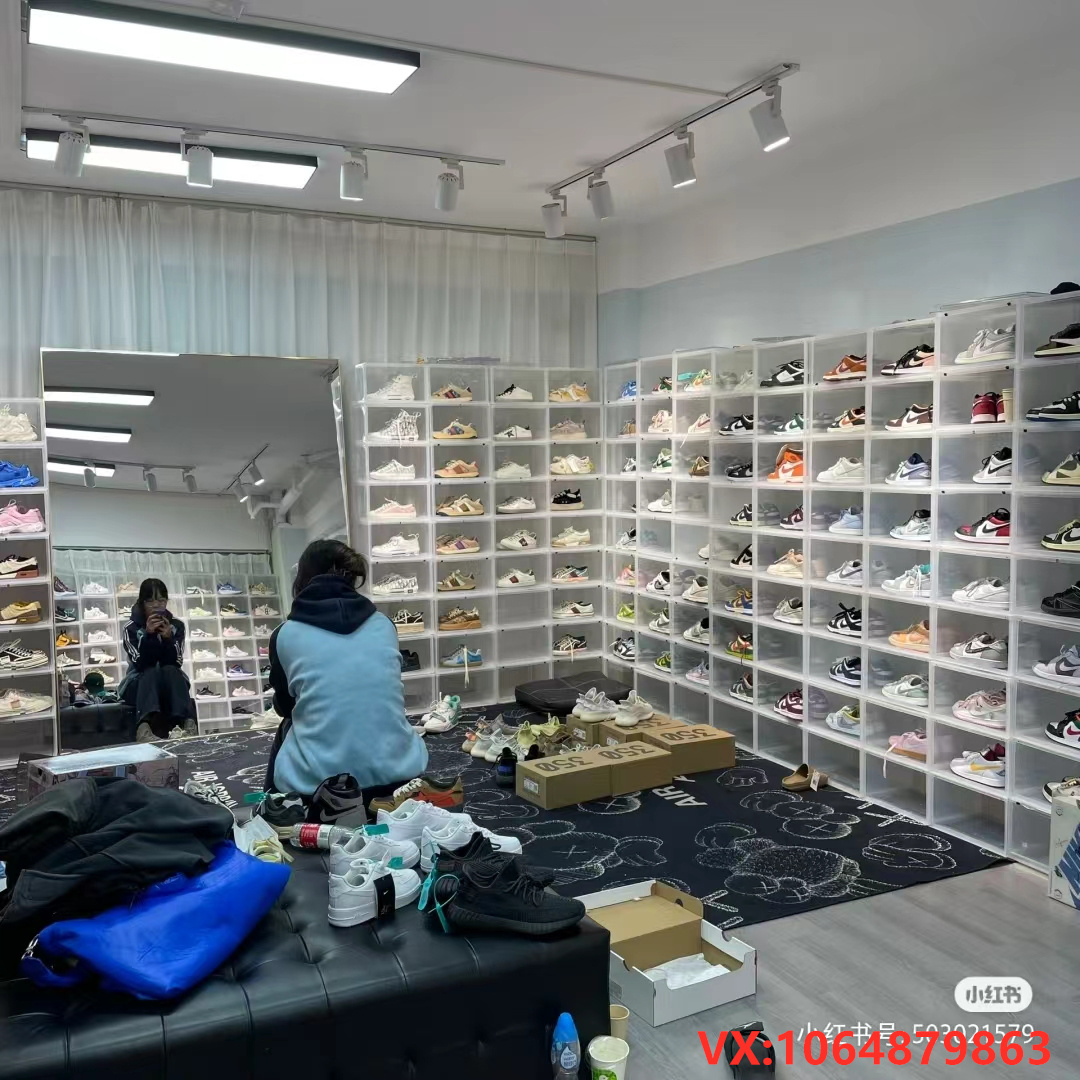
When you walk into a legitimate wholesale stall in Anfu, you will notice something immediately. The atmosphere changes depending on which section you are in. The low-end stalls are usually crowded with tourists and local resellers looking for the cheapest price possible. These shops sell what we call the "market version." It is mass-produced with cost-cutting measures that compromise durability. On the other hand, the high-end stalls are quieter, more professional, and often require a deposit or a relationship before they show you their best inventory.
Examining the Materials and Construction
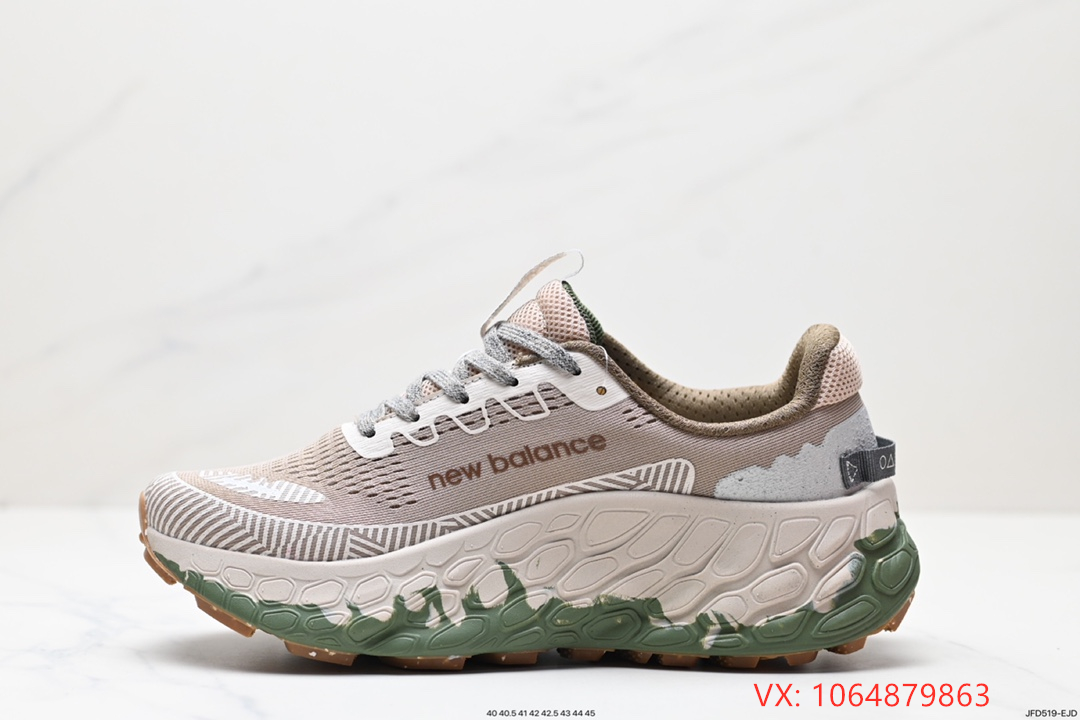
Here is where the real work begins. When you hold a shoe in your hand, the first thing you need to check is the upper material. The low version often uses synthetic leather that feels plastic-like and does not breathe. It might crack after a few weeks of wear. The high version uses genuine leather or premium knit materials that mimic the texture and flexibility of the original. Run your fingers over the surface; it should feel soft and natural, not stiff or waxy. Next, look at the midsole foam. Cheap versions use dense, hard foam that offers zero cushioning and makes your feet hurt after walking for ten minutes. The high version uses the same Boost or Zoom Air technology, feeling bouncy and responsive. Finally, check the outsole. The low version has poor traction patterns and wears down quickly, while the high version has the exact tread depth and rubber compound for grip and longevity.
The Smell Test and Glue Inspection
This is a trick that many sellers try to hide. Open the box of a low-grade shoe, and you will likely be hit by a strong chemical smell. This indicates the use of cheap, toxic adhesives. In the high-version production lines, we use eco-friendly glues that meet international safety standards. There should be no overwhelming odor. Also, inspect the glue lines. In the low version, you will see excess glue oozing out, messy application, and uneven bonding. The high version has clean, precise glue lines that are barely visible. If you see glue stains on the fabric, walk away immediately. That is a sign of a rushed, low-quality assembly line.
Dealing with Suppliers: Building Trust and Avoiding Scams
As someone who has dealt with hundreds of foreign buyers, I know the anxiety you feel when sending money across borders. The biggest mistake new buyers make is trying to negotiate the lowest price with a stranger. In the world of Putian footwear, price tells a story. If a pair of shoes costs $50 when the market average for the high version is $80, it is almost certainly a scam or a low-quality product. To find reliable sources, you need to build relationships. Visit the market physically if you can. Walk through the aisles, talk to the owners, and ask for their catalog. A genuine wholesaler will be happy to show you samples and explain the differences between their tiers.
Communication and Verification Protocols
When communicating with potential suppliers, ask specific questions about the mold number, the batch date, and the source of the materials. A seller dealing in high-quality goods will know these details instantly. If they hesitate or give vague answers, they are likely selling low-grade stock. Always request a video call to see the actual shoes in the warehouse. Ask them to zoom in on the stitching, the logo placement, and the sole pattern. Do not accept pre-recorded videos; live verification is key. Furthermore, start with a small trial order. Even if you plan to buy in bulk later, test the quality first. This protects you from large-scale losses and helps you identify which vendors are trustworthy.
Final Thoughts: Why Quality Matters for Your Business
Many buyers come to me asking how to get the "best deal," but I always remind them that the best deal is the one that keeps your customers happy. Selling low-grade shoes might bring you quick cash today, but it will destroy your brand tomorrow. Returns, bad reviews, and angry customers will kill your business faster than any competitor. The high version of Putian shoes is a legitimate part of the global sneaker culture. It offers incredible value for money without sacrificing style or comfort. By taking the time to learn how to distinguish between the tiers, visiting the markets, and vetting your suppliers properly, you are investing in a sustainable business model. Remember, in Anfu, the truth is found in the details, not in the price tag. Go there, touch the products, and make informed decisions.