Why Your "Shipping Address" Question Misses the Point
Listen, I've been standing behind a counter in the Anfu Electronic City for over fifteen years. I've seen thousands of foreigners walk through those heavy glass doors, eyes wide, clutching their phones like they're looking for a treasure map. The very first thing most of them ask me is, "Where is the shipping address?" They expect to see a neat warehouse label, a corporate logo, or a specific street number that screams "official factory." But here's the hard truth from someone who has been in this game since the early days: if you are asking for a single shipping address, you are already playing the wrong game.
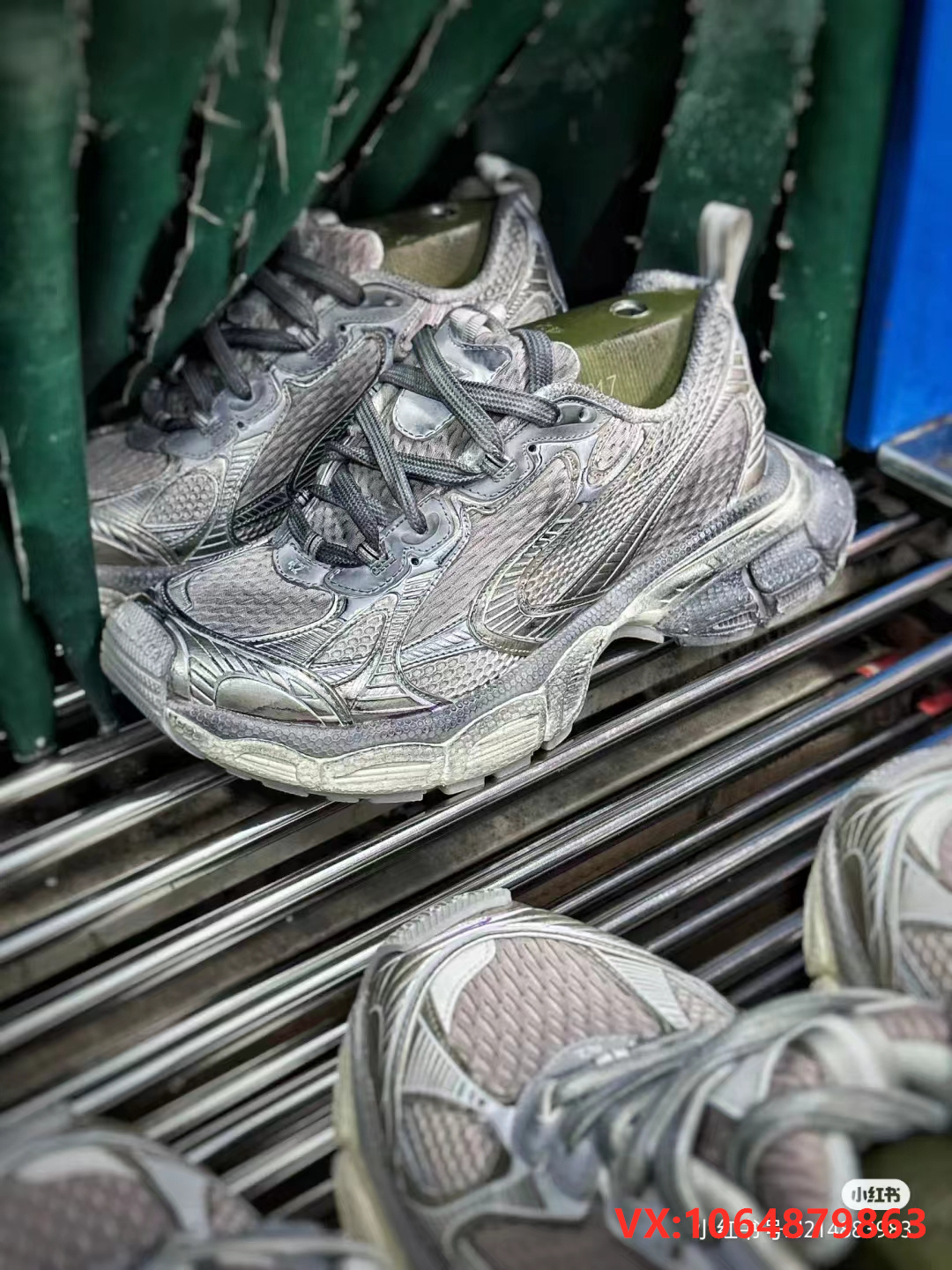
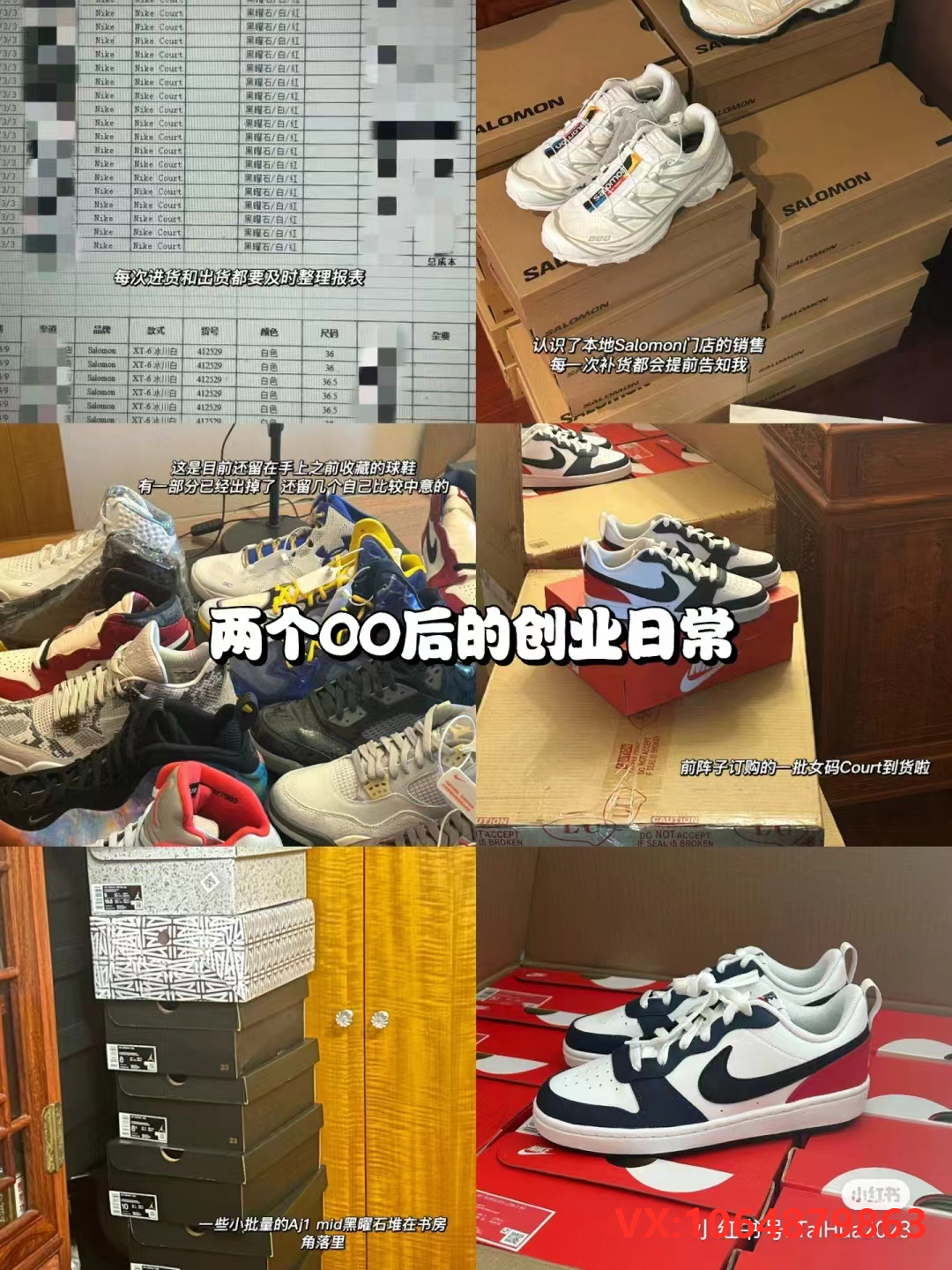
The reality of the Putian sneaker market isn't about one building with one door. It is a sprawling ecosystem of hundreds of small workshops, hidden basements, and bustling stalls scattered across the Anfu area and the surrounding villages. There is no central "Putian Shoe Headquarters" where every pair of shoes is packed and shipped out. When you buy from a local stall owner like me, the "shipping address" changes depending on which specific workshop your order comes from. Some orders go out from a small room right above my shop; others might be packed three streets away in a residential apartment complex where the workers live. This decentralized nature is exactly why so many overseas buyers get confused when they try to track their packages or set up direct accounts.
Navigating the Chaos of Anfu Electronic City
The Reality of the Physical Market
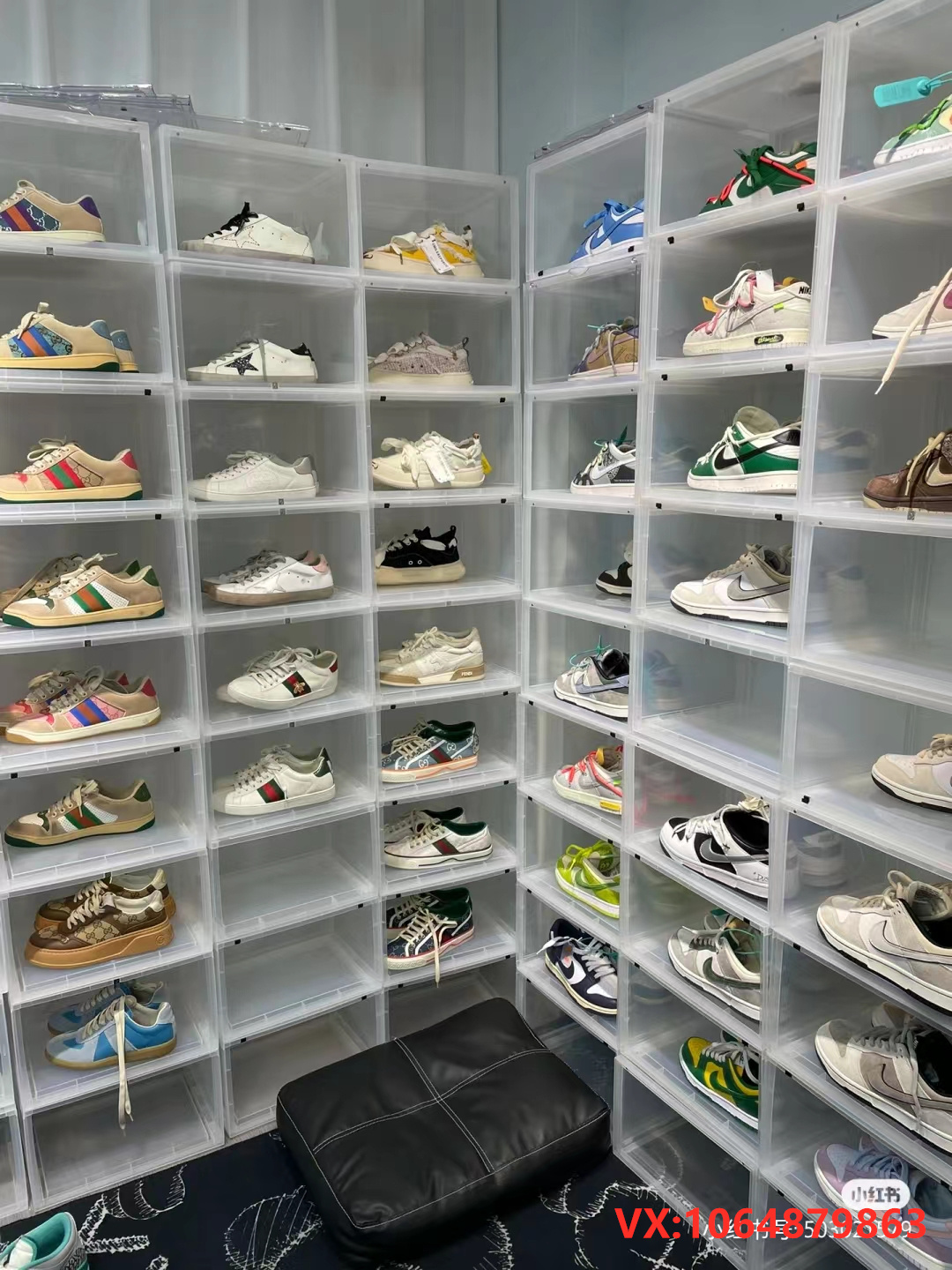
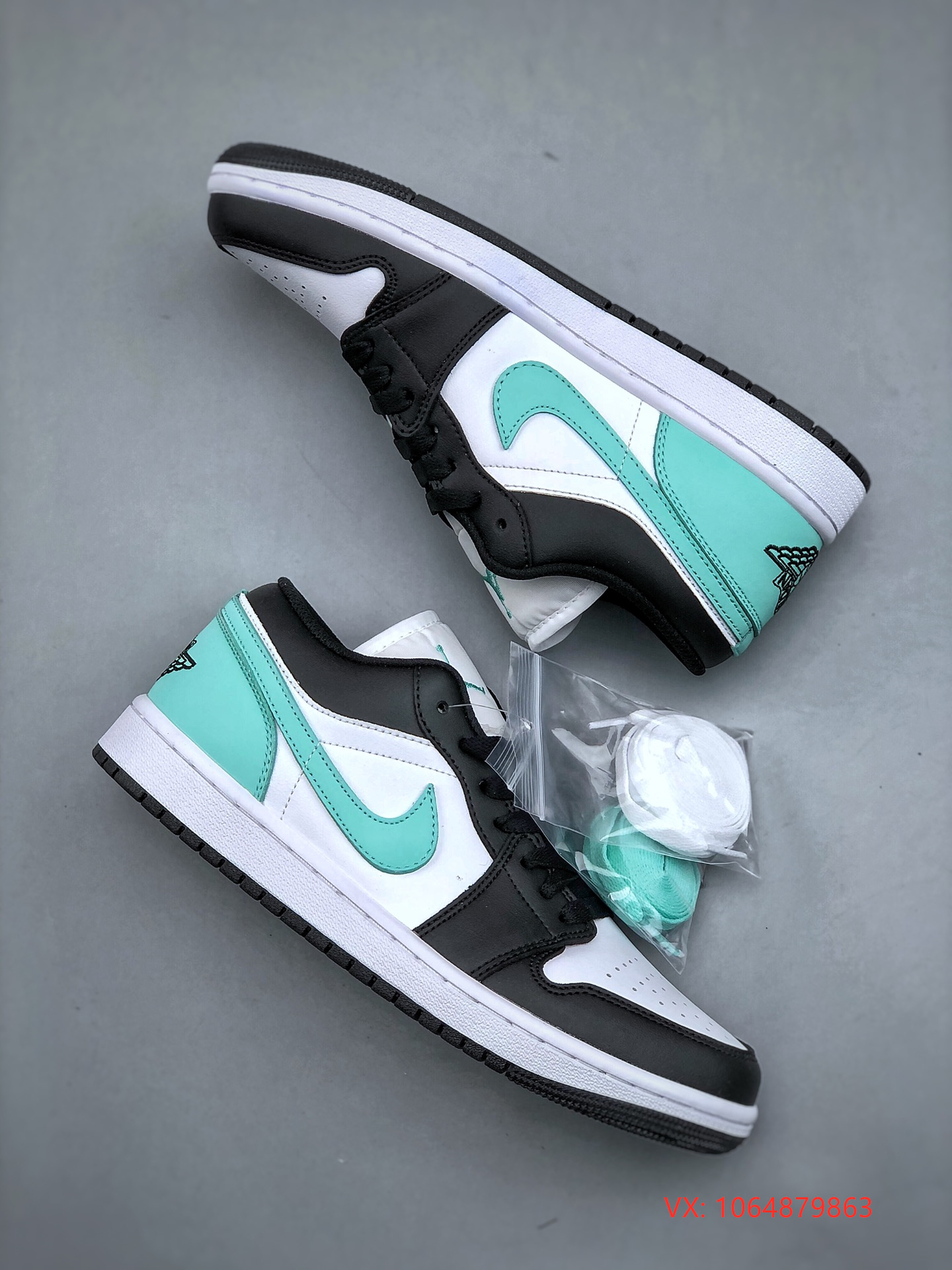
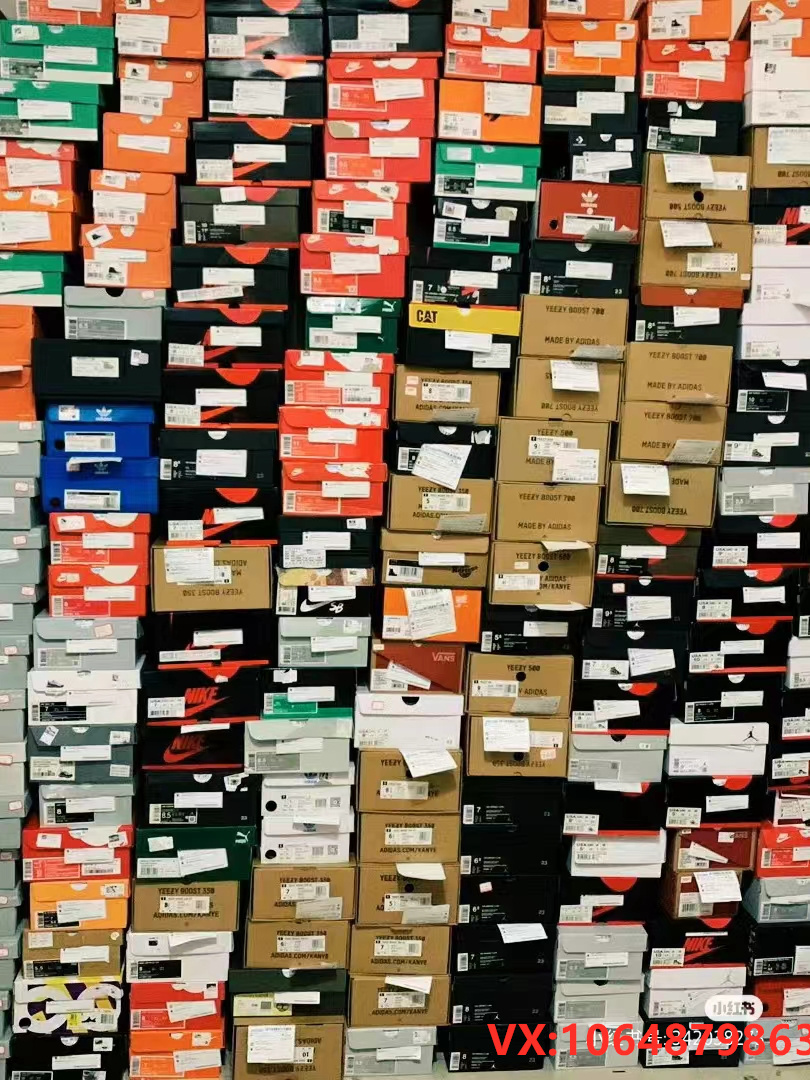
If you want to understand the supply chain, you have to step off the internet and walk into the Anfu Electronic City. Forget what you see on Google Maps; the real action happens inside these narrow corridors filled with neon signs and stacks of cardboard boxes. When I talk to foreign buyers who come here physically, I tell them to stop looking for a "factory" and start looking for the right "dangkou," or stall. Each stall represents a different supplier, often specializing in specific brands or quality tiers. You will see rows of shelves packed with high-quality replicas, some labeled with generic tags, others with nothing at all. The air smells like rubber glue and fresh leather, and the noise level is deafening as we negotiate prices in broken English and Mandarin.
Why online Addresses Are Misleading
When you search online for "Putian shoe suppliers," you will find dozens of websites claiming to be the main hub. Most of them are just middlemen reselling photos. If you try to ship directly to the address listed on their website, you might end up at a virtual office or a random courier station. In our business, trust is built face-to-face. A legitimate supplier in Putian doesn't need a fancy corporate address to prove they exist; they need a physical location where you can touch the product. That is why experienced buyers don't care about the shipping address until the moment they actually place an order. By then, the logistics team knows exactly which workshop is holding the stock.
How to Find Real Suppliers Without Getting Scammed
For those of you trying to source from abroad without traveling, the process requires patience and a keen eye. Do not rely solely on WeChat screenshots or Instagram DMs. Those images can be stolen from other sellers. Instead, look for suppliers who are willing to do video calls showing the actual inventory in real-time. Ask them to show you the stitching, the sole texture, and the box details. If they hesitate or refuse, run. The best way to verify a supplier is to ask for their specific location within the Anfu area. Even if you cannot visit immediately, knowing they are based in a specific building gives you confidence. Many top-tier suppliers operate out of specific floors in the Anfu towers, and they know exactly how to handle international shipping requests.
The Art of Inspection and Negotiation
Seeing is Believing: The Quality Check
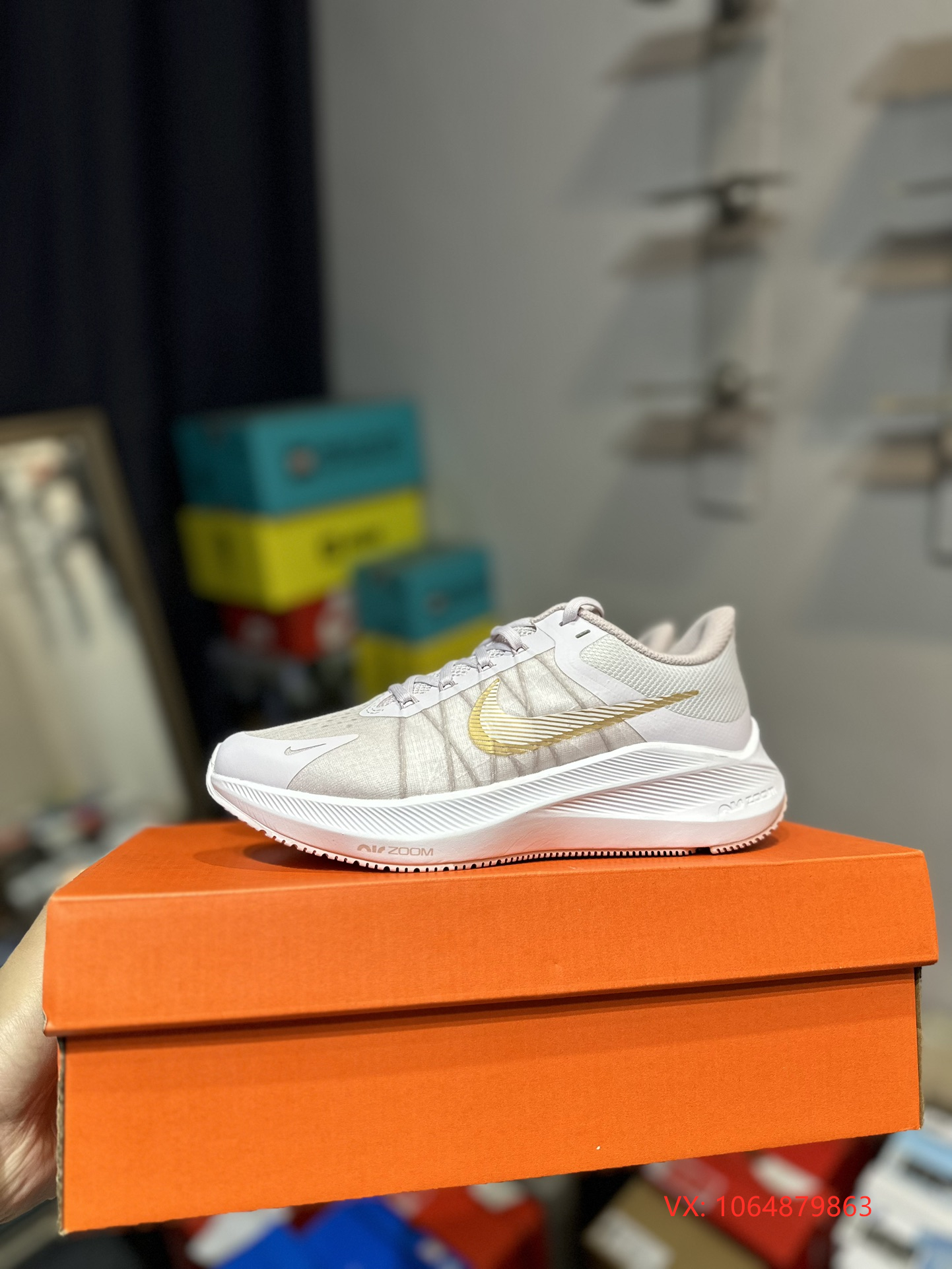
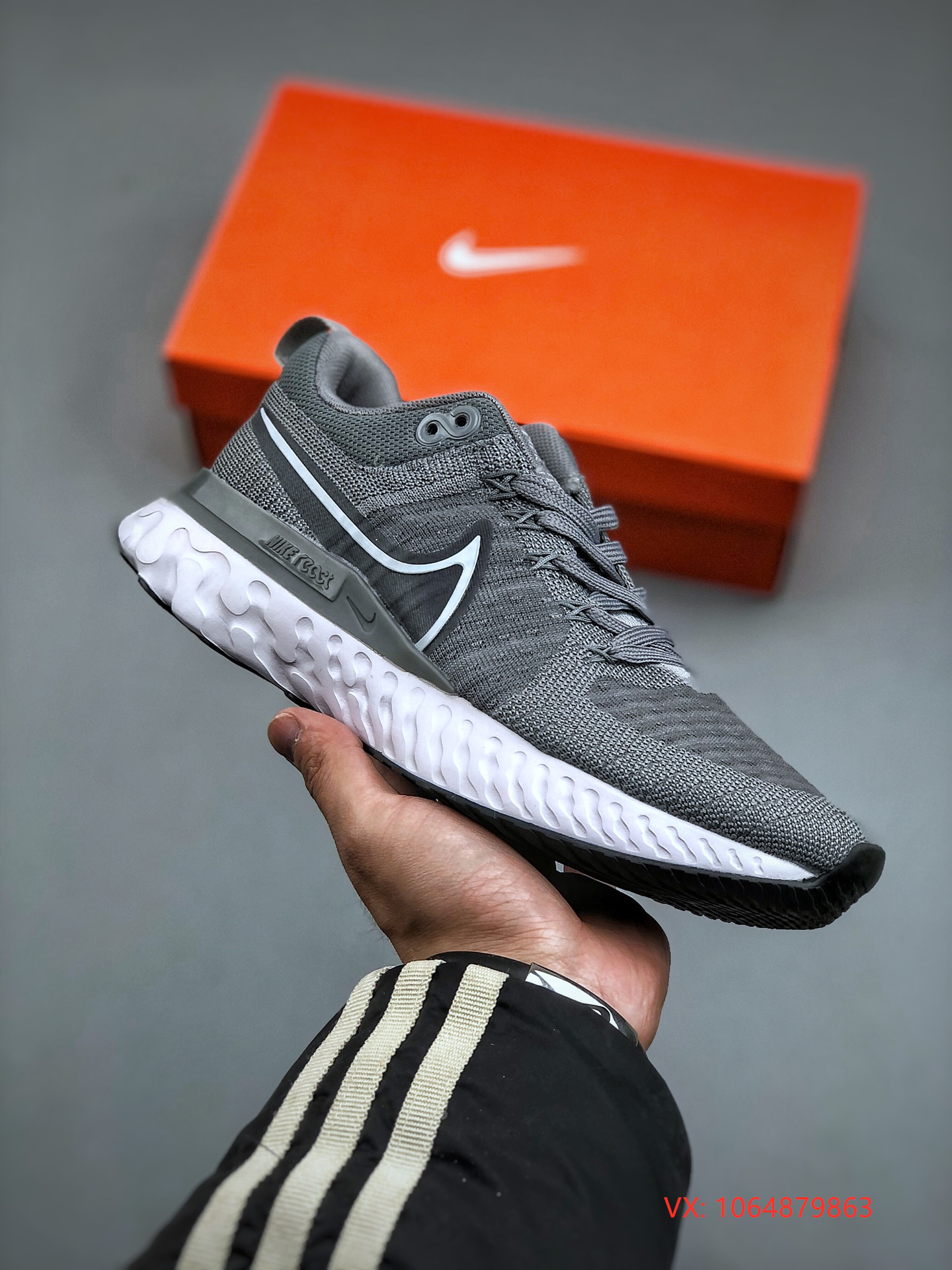
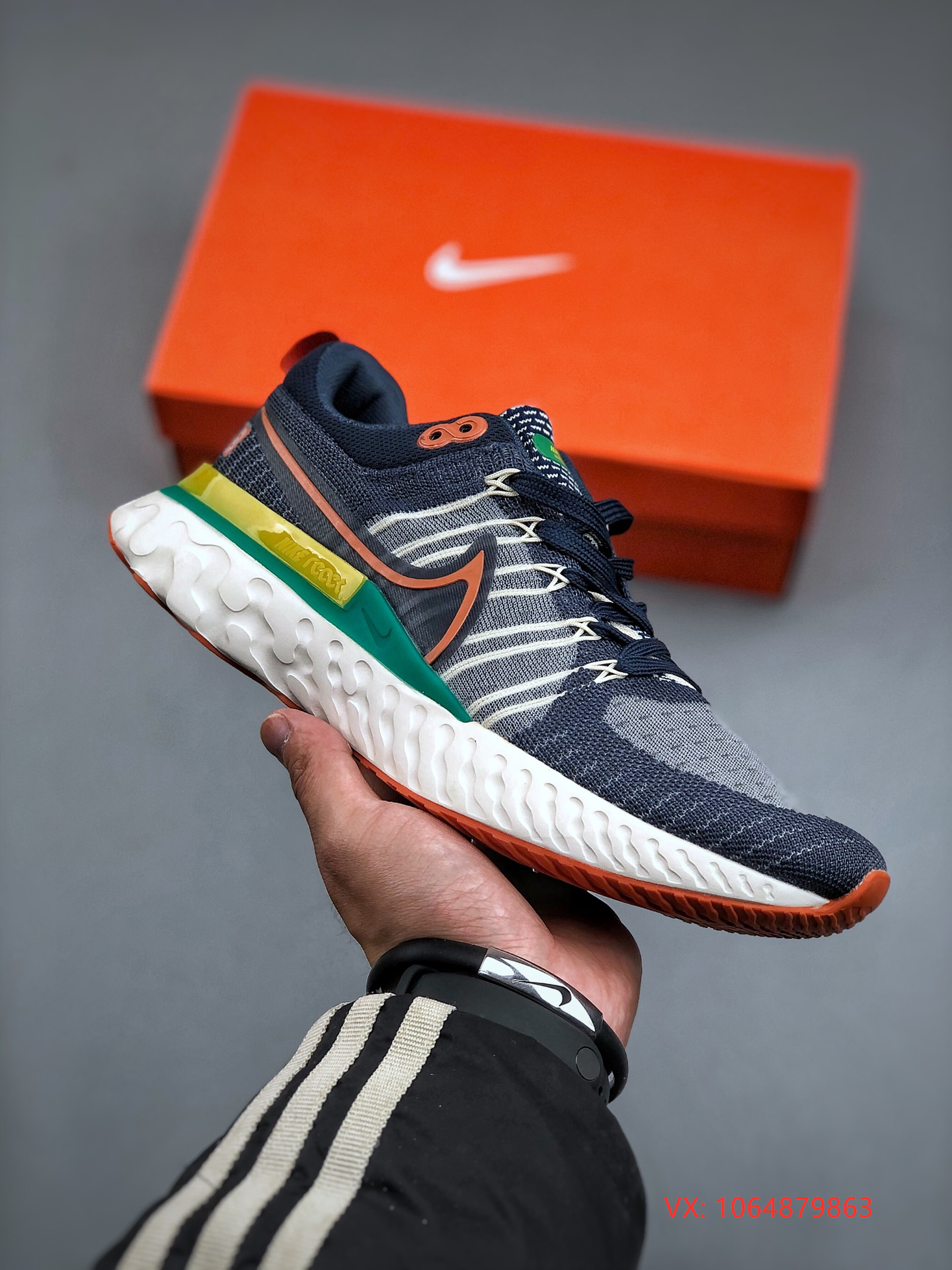
once you have identified a potential partner, the next step is inspection. In Putian, quality varies wildly even within the same brand category. You might find a "1:1 replica" that looks perfect to the naked eye but fails under close scrutiny. As a veteran seller, I always advise my foreign clients to request detailed macro shots or videos of the specific batch they intend to buy. Look at the alignment of the swoosh, the density of the foam, and the glue marks. If you are buying in bulk, never skip the sample phase. Send a small order first to test the quality control. This is the only way to ensure that the "shipping address" you eventually use belongs to a reliable operation that cares about its reputation.
Negotiating Like a Local
Don't be afraid to haggle. In the Anfu market, the price on the tag is rarely the final price. We speak openly about margins and volume. If you are a serious buyer planning to import regularly, you should discuss pricing tiers based on quantity. I have seen many foreigners pay full retail price because they didn't know the unwritten rules of the market. Be polite but firm. Show that you understand the product. Mention specific details like the material grade or the mold used. This signals that you are not a tourist but a professional buyer. once we establish that rapport, the conversation shifts from price to logistics, including how we handle the shipping addresses for your customers.
Logistics and Shipping Secrets
Understanding the Distribution Network
So, back to your original question: where does the package come from? After you finalize your order, the goods are gathered from various workshops. Some suppliers have their own packing rooms, while others send the items to a consolidation center. This is where the "shipping address" becomes dynamic. For international buyers, we usually work with specialized freight forwarders who have warehouses in Putian or nearby cities like Xiamen. These forwarders act as the bridge between the small workshops and the global market. They receive the goods, inspect them again, and then repackage them for export. This means your tracking number might show a pickup from a logistics park rather than a specific shoe factory.
Avoiding Common Pitfalls
One of the biggest mistakes foreign buyers make is assuming every shipment comes from the same place. If you are sourcing from multiple suppliers, each might use a different courier service or packaging method. To avoid confusion, always communicate clearly with your supplier about your preferred shipping method. Whether it is DHL, FedEx, or a specialized cargo line, make sure they know exactly how to label the packages. Also, be aware that customs regulations vary by country. Some suppliers offer "tax-free" shipping options, but these come with risks. Always prioritize transparency over speed. A reliable supplier will guide you through the customs process, explaining exactly where the goods originate and how they are being handled.
In conclusion, the "shipping address" for Putian shoes is not a static piece of information; it is a reflection of a complex, flexible, and highly localized supply chain. If you want to succeed in this market, focus on building relationships with trusted stall owners in Anfu, verify the quality through personal interaction or detailed media, and understand the logistics behind the scenes. Don't get hung up on a single address. Instead, focus on the people behind the products. That is the secret to finding the best deals and ensuring your business thrives in the competitive world of footwear sourcing.