
Walking the Floors of Anfu: A Veteran's Guide to Spotting Fake vs. Real
Welcome to the real deal. I have been standing in the same spot in the Anfu E-commerce City for over fifteen years, watching thousands of pairs of shoes come and go through my hands. You see, when you ask about "how China judges Putea shoe authenticity from pictures," you are asking a question that has evolved from simple visual checks to a complex game of digital deception. In the early days, if you sent a photo, I could tell you within seconds if it was a factory sample or a mass-produced knockoff. Today? It is much harder. The factories have gotten smarter, and the photos used by scammers online are often indistinguishable from the real thing unless you know exactly wher to look.
I am not going to give you some generic textbook advice found on big e-commerce sites. This is what happens on the ground, in the dusty corridors of the markets near Xidi and Anfu. When foreign buyers message me asking for pictures to verify quality, I always tell them: pictures lie, but the physical object does not. However, since we cannot meet face-to-face every time, let me teach you how to read between the lines of those images so you do not get burned by the endless supply of "high copy" sellers who claim to be the original source.
The Art of the Photo: What Sellers Hide and What They Reveal
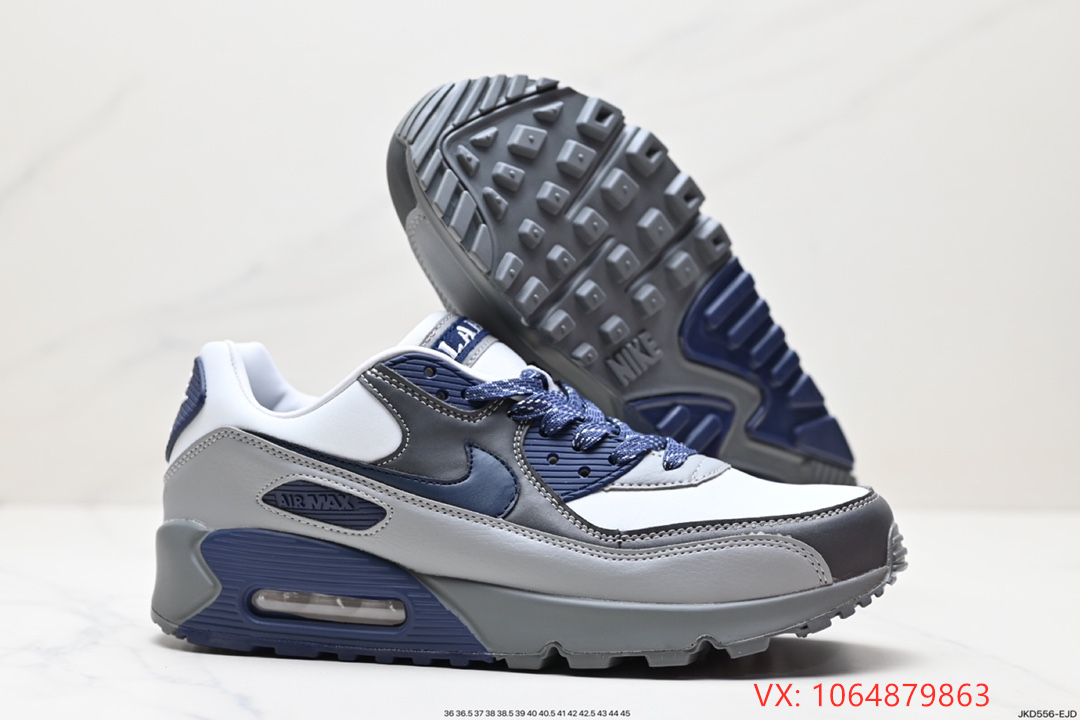
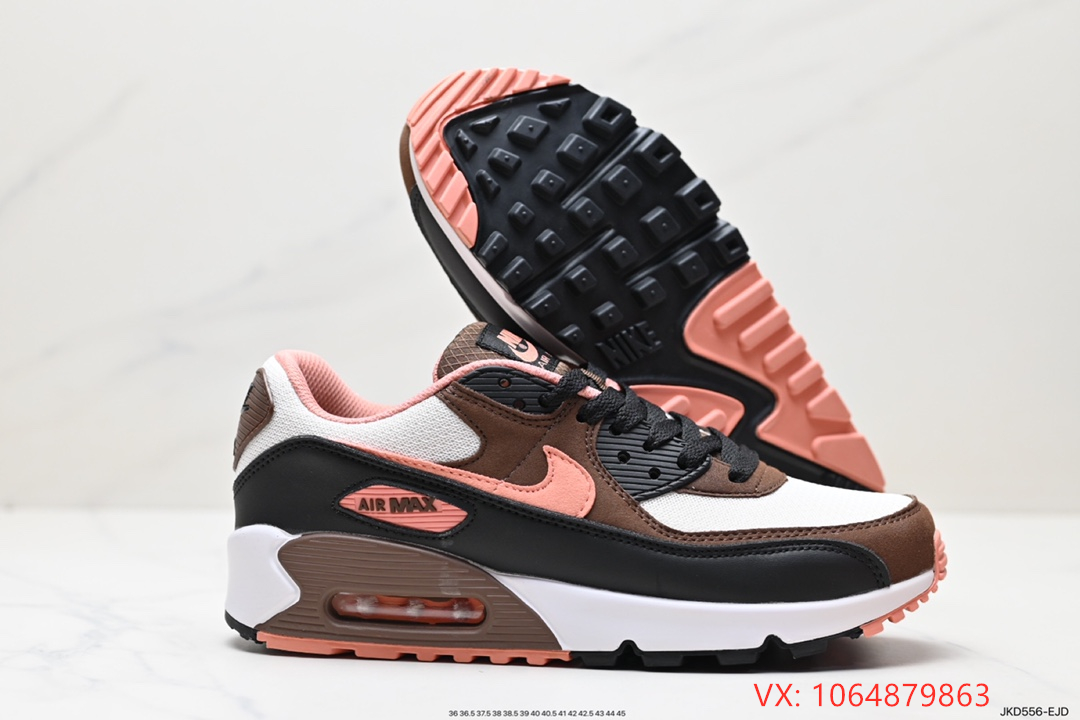
Let us talk about the specific details that separate a genuine wholesale batch from a scammer's catalog. When I am negotiating with a buyer from Europe or America, they often send me a link to a website or a WeChat album filled with glossy photos. My first instinct is to check the lighting. Professional studios use softboxes; street vendors use harsh flashlights. If the photo looks too perfect, with no shadows and a white background that seems artificially generated, it is likely a stock image stolen from another seller. Real wholesale photos are taken in the warehouse, often under fluorescent lights that make the glue lines visible.
Zooming into the Stitching and Glue Lines
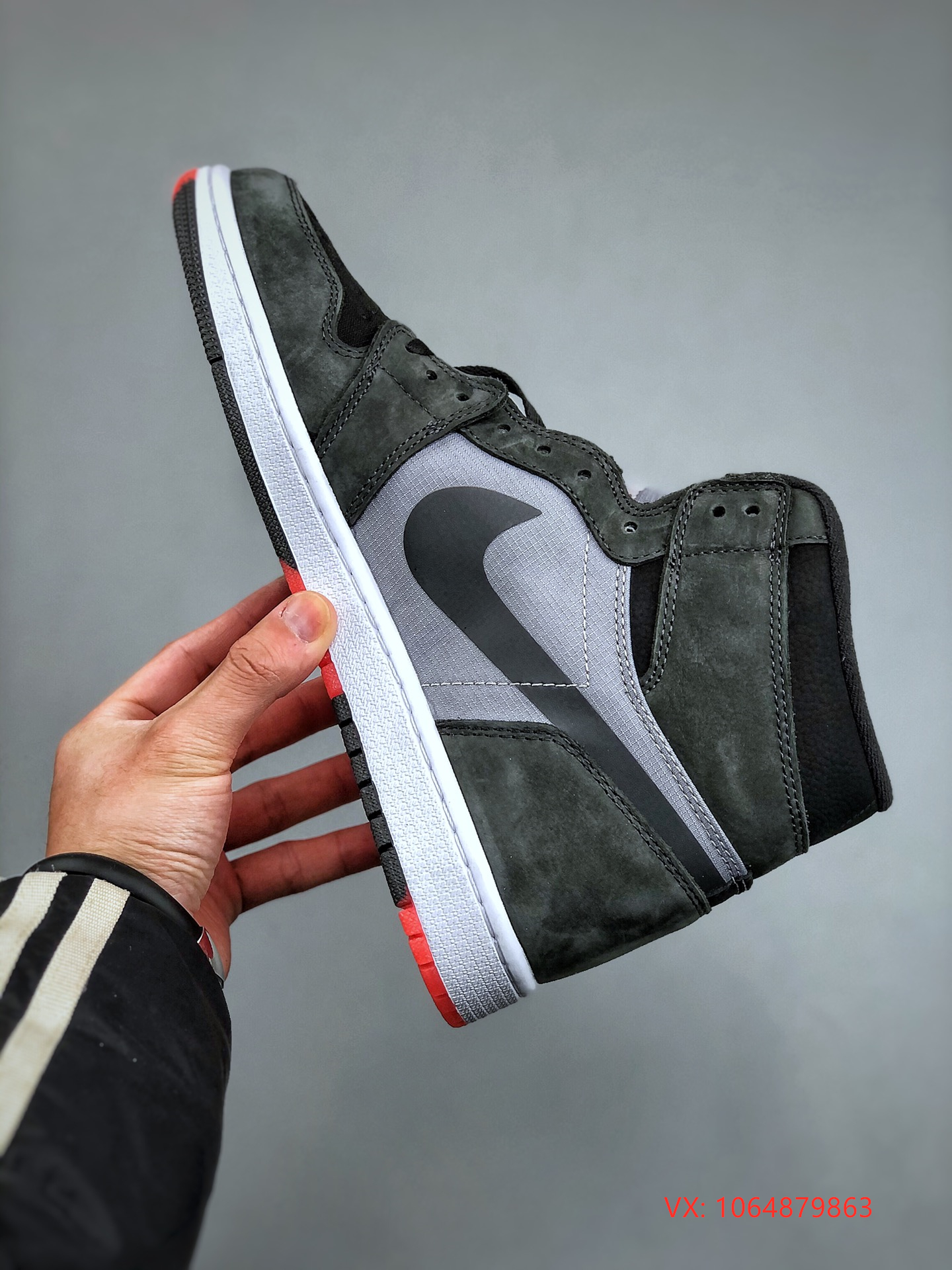
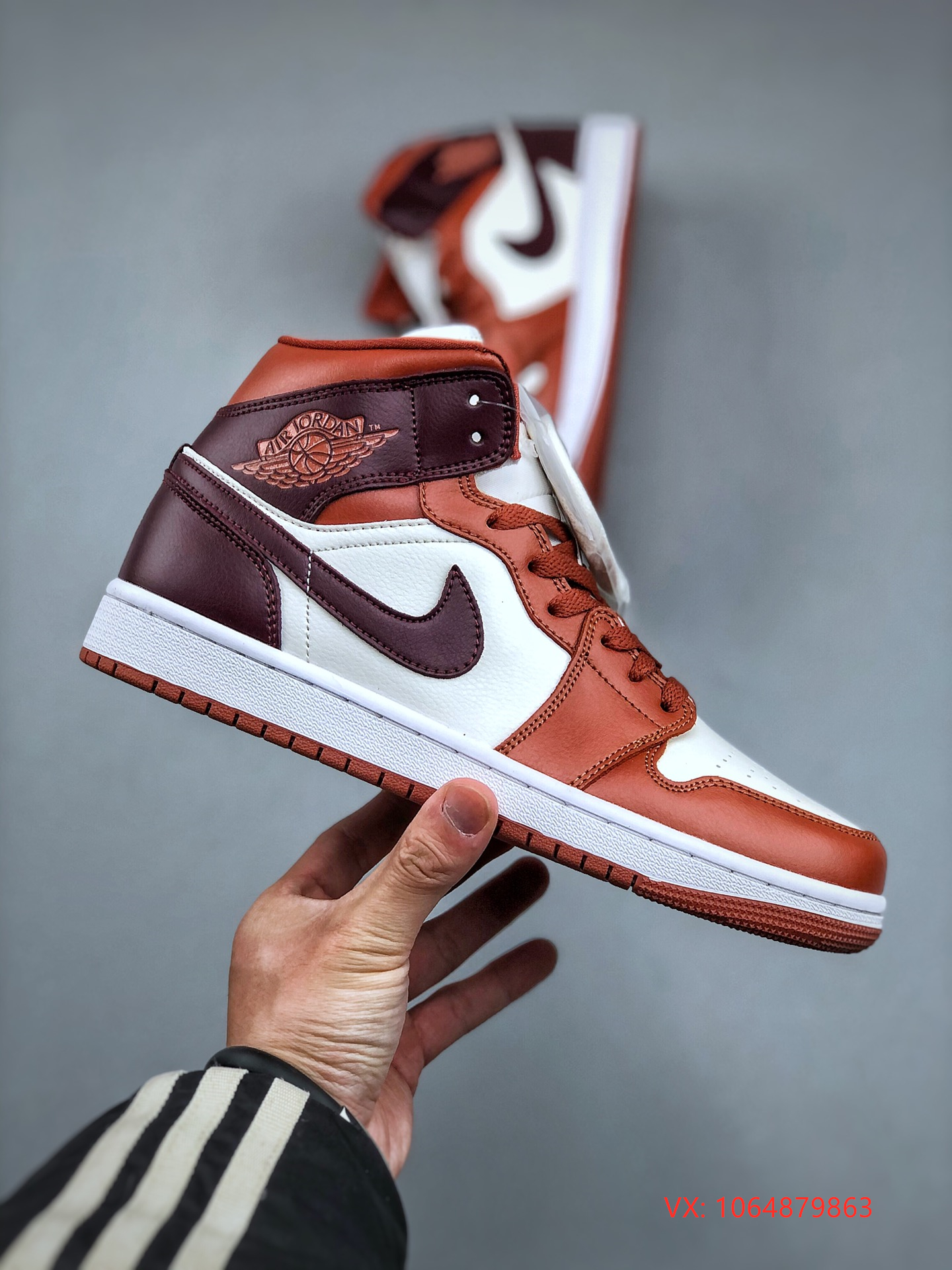
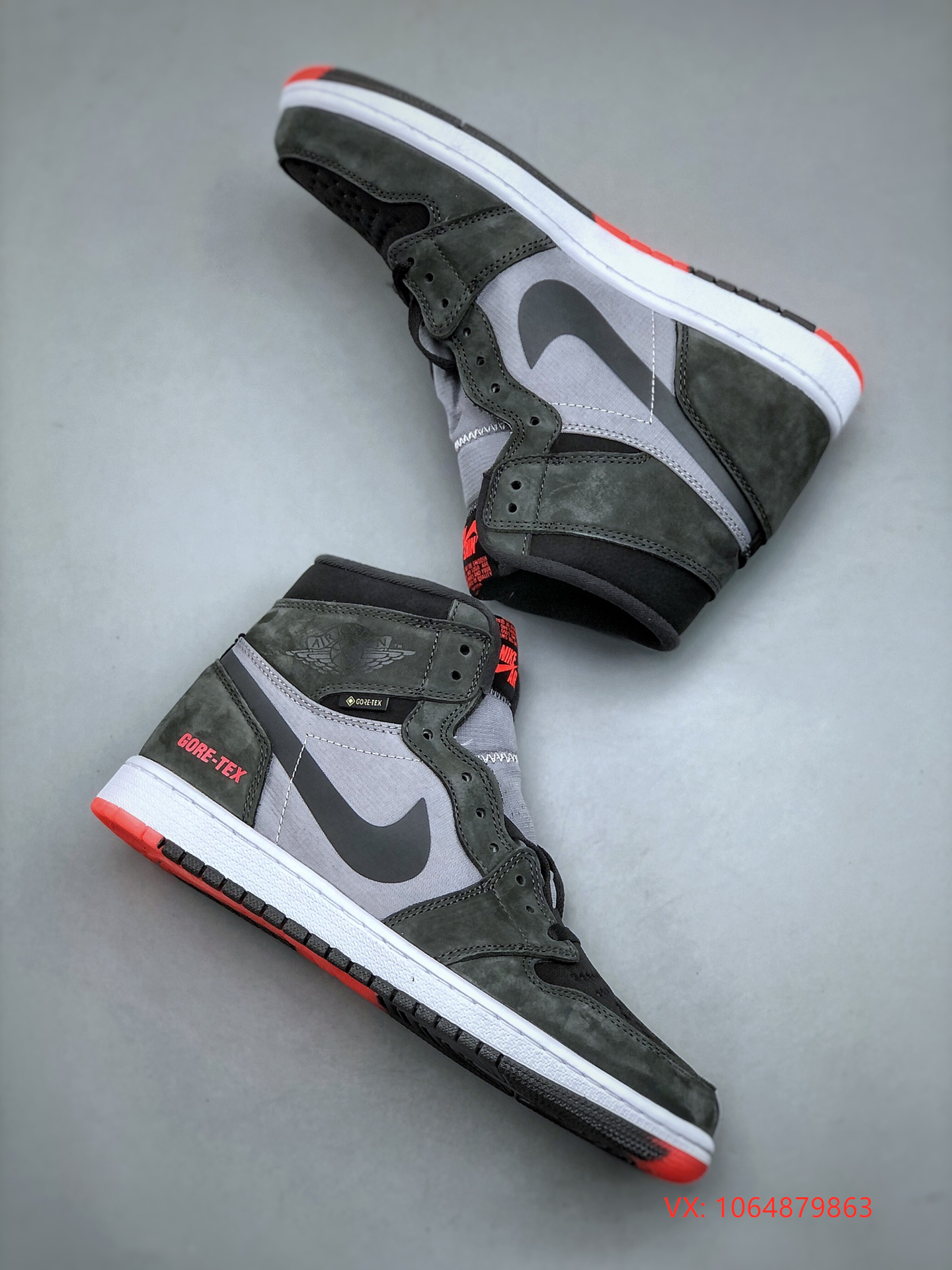
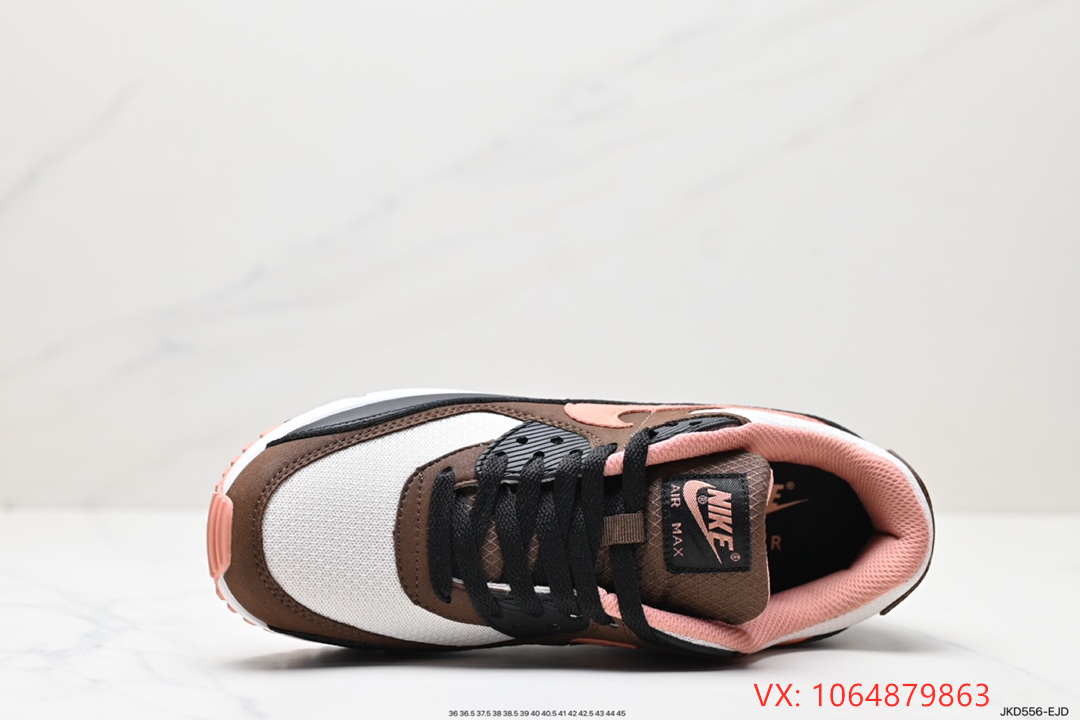
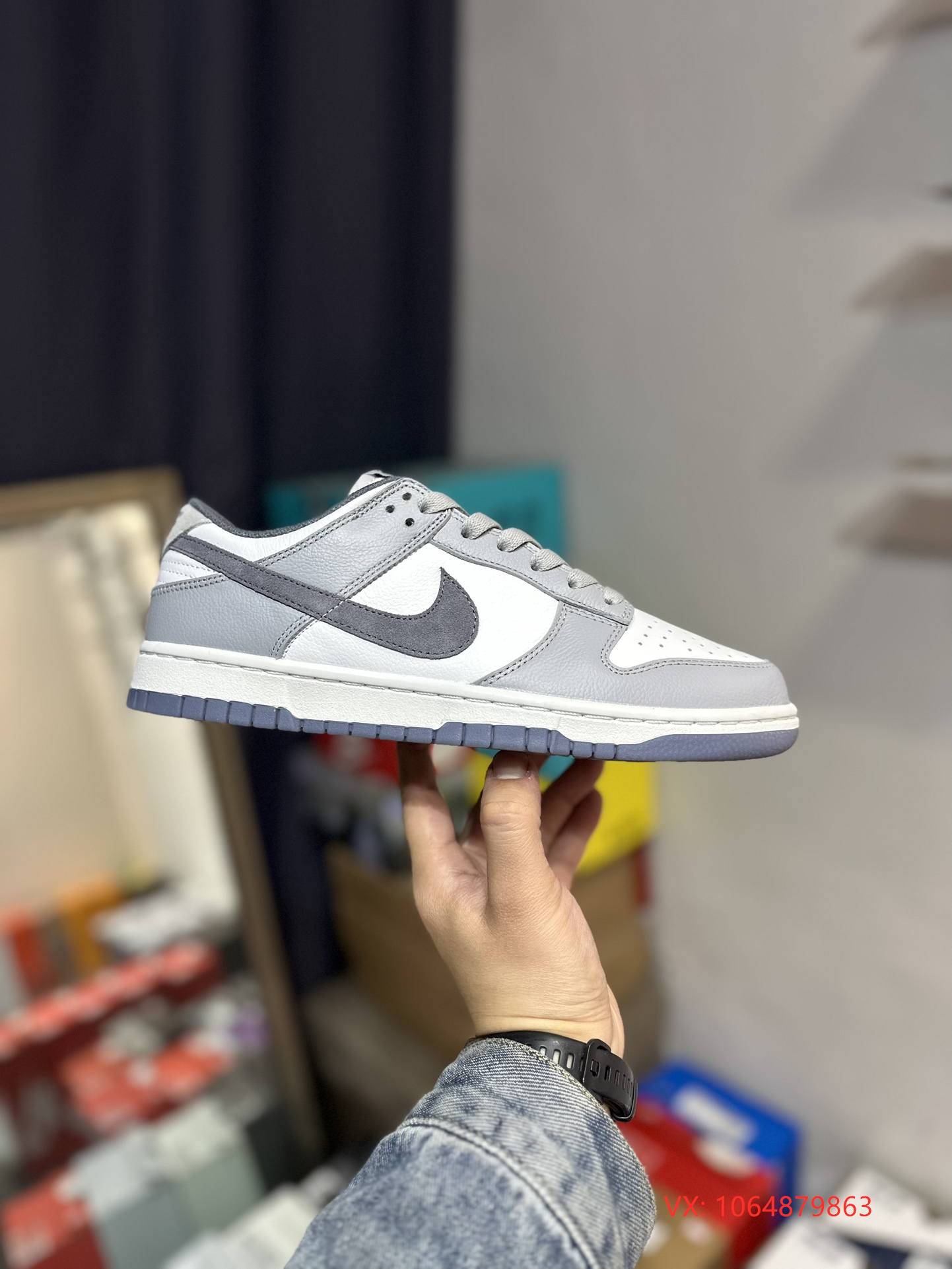
This is the most critical part of judging authenticity via images. In the lower-tier replicas, you will see uneven stitching, loose threads, and glue stains that bleed onto the leather. But here is the trick: the top-tier "1:1" versions now use machines that mimic human stitching perfectly. So, do not just look at the stitches. Look at the glue. In a real high-quality pair from our market, the glue application is precise, usually clear or slightly yellowed but never messy. If the photo shows thick, globs of white glue around the sole edge, especially near the toe box, run away. That is a sign of a low-end factory trying to hide poor workmanship. Also, check the alignment of the logo. On authentic-style molds, the Nike swoosh or Adidas stripes are symmetrical. If the curve looks off in the picture, even slightly, the mold itself is flawed.
The Box and Label Discrepancies
Many buyers think the box tells the story, but in Anfu, the boxes are as varied as the shoes themselves. A common red flag in photos is the barcode label. If the font on the size tag looks blurry or the spacing between numbers is inconsistent, it is a fake box. Real boxes from reputable workshops have crisp printing. Furthermore, look at the inside of the tongue. In many fakes, the text is printed directly on the fabric and feels rough. In better versions, it is a woven label. When you receive a photo, zoom in on the QR code on the side of the box. Does it scan? Many scammers use static images of QR codes that do nothing. If the seller refuses to show a video of scanning the code live, they are hiding something.
Navigating the Market: From online Chat to Physical Inspection
You might be wondering why I am emphasizing physical inspection so much. Because in this business, trust is built on seeing the product, not just looking at a JPEG. When I started dealing with international clients, I realized that sending photos back and forth leads to misunderstandings. A photo can be edited to make a shoe look cleaner than it is. That is why I always advise my overseas partners to either visit the market or hire a trusted third-party agent to inspect the goods before shipping.
The Reality of the Anfu Warehouse
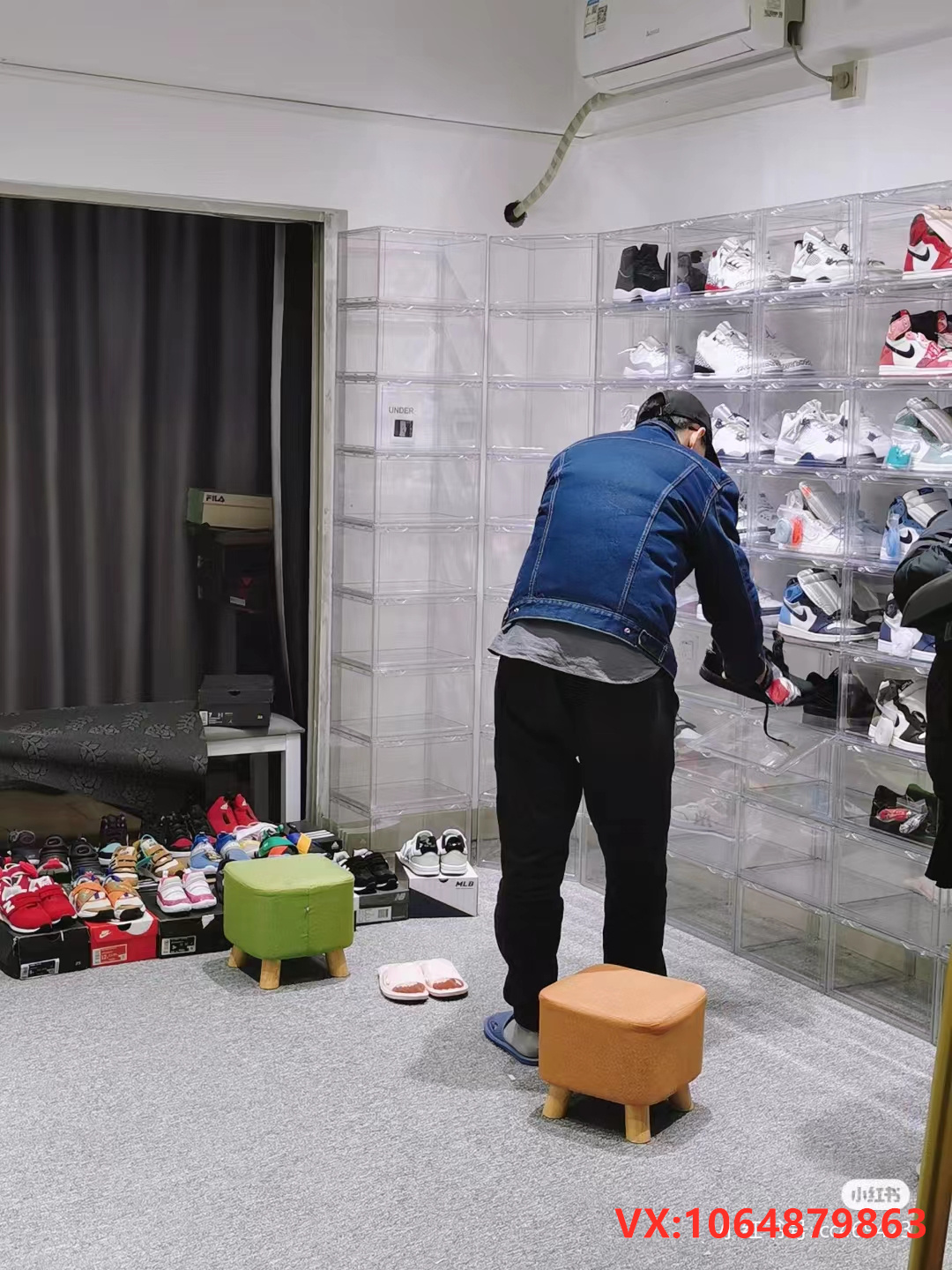
If you come to Anfu, you will see rows upon rows of stalls. Some look like luxury boutiques, while others are just cardboard boxes stacked on the floor. The difference lies in the inventory. A stall that only displays one or two pairs of shoes is likely a middleman reselling someone else's goods. A real wholesaler will have dozens of sizes and colors in the back room. When you are looking at photos provided by a seller, ask for a video walk-through of their warehouse. Ask them to pick up a specific pair, turn it around, and show you the sole flex. This proves they actually have the stock. If they hesitate or say "I need to take a new photo," they probably do not have the item ready.
Understanding the "High Copy" Terminology
In the local slang, we talk about different grades of shoes. There is the "market version," which is cheap and obvious. Then there is the "top version," which uses the same materials as the brand name. Finally, there is the "original factory" output, which is rare and highly sought after. When a seller sends you a picture labeled "Top Version," do not assume it is perfect. You need to compare it with reference photos from the actual brand launch. Look at the texture of the mesh. Is it breathable? Does it feel stiff? In photos, texture is hard to judge, so ask for a close-up video of someone bending the shoe. If the material cracks or creases unnaturally, it is not the right grade.
Building Trust and Avoiding Scams in the Digital Age
The biggest mistake foreign buyers make is trusting a single photo or a quick chat message. The market is full of "ghost sellers" who take deposits and disappear. To avoid this, you must build a relationship. I have seen buyers lose thousands of dollars because they did not verify the seller's identity. Always ask for a video call. See the person behind the screen. Ask them to show you their ID or their shop license. In Anfu, everyone knows everyone. If a seller claims to be a major distributor but cannot show you their connection to other suppliers, they are likely lying.
The importance of Sample Orders
Never place a large order without ordering a sample first. Even if the sample costs more per unit, it is worth the investment. When you receive the sample, compare it immediately with the photos you were shown. Are the colors accurate? Is the packaging identical? If the sample matches the photo, then you can proceed with confidence. If there is a discrepancy, stop. Do not try to negotiate; find a new supplier. This process of verification is crucial for anyone looking for reliable sources of footwear in China.
Final Thoughts: Your Eyes Are the Best Tool
At the end of the day, technology and photos are just tools. The real judgment comes from experience and skepticism. As someone who has spent decades in the Putea shoe industry, I can tell you that the line between a good replica and a bad one is often invisible in a photograph. It is in the smell of the leather, the weight of the sole, and the precision of the stitching that the truth reveals itself. When you are searching for "Putea shoe authenticity guide" or "how to verify Putea sneakers," remember that no amount of research can replace a physical inspection. Whether you are buying for your own store or for personal use, always prioritize transparency. Ask for videos, demand samples, and never rush a deal. The market is vast, and the opportunities are endless, but only the careful buyer survives. Stay sharp, stay curious, and always keep your eyes open when looking at those pictures.

 On-site Visits
 Free Sharing
 Avoid Scams
 Updated Frequently
 For Reference Only