
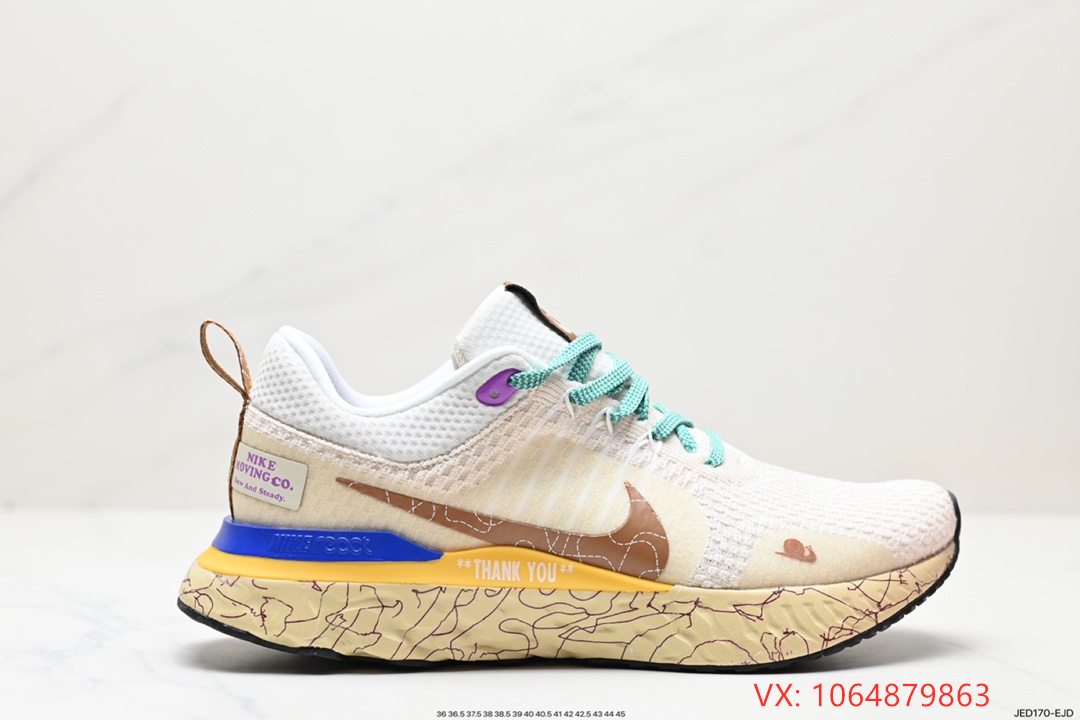
Inside the Anfu Market: How We Actually Grade "Putian Shoes" for Export
Welcome to the real deal. I've been standing in the same spot in the Anfu E-commerce City, watching trucks come and go, for over fifteen years. You see a lot of foreigners walking into these buildings with big questions about "Putian shoes," but most of them don't understand that there isn't just one single grade. When you ask me, "How many grades are there?" I laugh because the answer depends entirely on who is asking and what they think they are buying. In the West, people often hear terms like "1:1" or "top quality" and assume it means perfect replicas. But here in Fujian, the grading system is far more nuanced, and if you don't know the difference between the factory floor output and the street-level retail stock, you will lose money.
The Myth of the Single Standard
First, let's clear up the biggest confusion. There is no official government standard for these shoes. The grading comes from the factories themselves and the wholesalers who sell them. When I talk to my regular clients from Europe or America, I tell them we usually categorize our inventory into three main tiers, though some larger workshops might split the top tier further. It's not about the brand logo; it's about the materials, the glue, the stitching, and the sole molding. If you walk into a random shop in Anfu and ask for "high quality," you might get slapped with a low-grade copy that looks okay from ten feet away but falls apart after two weeks.
The Three Tiers: From Street Level to Factory Direct
Let me break down exactly what you are looking at when you visit the market. This is the knowledge you won't find on Google unless you dig deep into forums.
Tier 1: The Low-End "Street" Quality
This is what you see in the cheap stalls near the subway entrance. These are the shoes made with synthetic leather that feels like plastic, rubber soles that smell like chemicals, and glue that hasn't cured properly. The stitching is sloppy, and the colorways are often slightly off compared to the original release. For a local vendor selling to tourists or budget-conscious buyers, this is fine. But for an importer looking to build a brand or resell online? Avoid this. The profit margin is tiny, and the return rate is high. Most foreign buyers who end up with this stock think Putian shoes are all bad, which is why they never come back.
Tier 2: The Mid-Range "Market Standard"
This is the bread and butter of the Anfu market. These shoes use better materials, often genuine leather or high-density PU that mimics the feel of the real thing much better. The molds are closer to the originals, meaning the shape and silhouette are accurate. However, you might notice slight imperfections in the tongue padding or the insole branding. The glue lines might be visible if you look closely. For a droshipper or someone selling on social media without strict quality control, this is the sweet spot. It offers a good balance between price and perceived value. Many overseas buyers start here because the cost allows for healthy margins while still satisfying customers who want the look without paying $200.
Tier 3: The "Top Tier" and "Pure Originals"
Now we are talking about the stuff that keeps the big bosses happy. This is wher the term "1:1" comes from, but be careful. True top-tier shoes are made in the same factories as the big brands, sometimes using the exact same production lines during off-hours. They use the same air units, the same knit uppers, and the same premium glues. The only difference is the box and the tags. When I show these to serious buyers, I open the shoe and point out the lack of any chemical smell, the precise alignment of the swoosh, and the weight distribution. This is what you need if you are targeting high-end resale markets in the US or UK. These are not just copies; they are the closest you can legally get to the real thing without infringing on trademarks directly.
On-the-Ground Sourcing: What to Do When You Walk Into Anfu
So, you have your flight ticket and you are landing in Fuzhou. Here is how you navigate the market without getting ripped off. The first rule is to ignore the flashy storefronts on the ground floor. Those are for show. The real action happens in the back rooms and the upper floors of the buildings around the main plaza.
Building Relationships Before You Buy
You cannot just walk in and demand a catalog. The best suppliers here work on trust. I always tell my international friends to bring a small gift or offer to buy a sample first. once you establish a rapport, they will show you their "secret stash." That is wher the Tier 3 goods live. Don't be afraid to ask for the "factory direct" version. If a seller hesitates or tries to push the low-end stock immediately, walk away. A genuine supplier knows exactly what you need and will guide you to the right tier based on your budget.
The Art of Inspection and Sampling
Never place a bulk order without seeing the physical product. Bring a magnifying glass and a ruler. Check the stitching density. Count the stitches per inch. Look at the sole pattern under bright light. Smell the shoe. If it smells like strong glue, it's going to fail quality control later. I remember a client from Canada who ordered fifty pairs of "premium" shoes without inspecting them first. When they arrived, the soles were peeling. He lost thousands of dollars. Always take photos of every detail before you pay. Ask for close-ups of the heel counter, the toe box, and the midsole. Compare them side-by-side with the authentic pair you have on your phone.
Negotiation and Logistics: Closing the Deal Like a Pro
once you have seleced your shoes, the negotiation begins. Prices in Anfu are rarely fixed. They depend on volume, season, and your relationship with the owner. If you are buying a hundred pairs, you should expect a significant discount. Don't be shy about haggling. It is expected. Also, discuss the shipping method carefully. Air freight is fast but expensive, while sea freight is cheaper but takes time. Make sure your supplier handles the customs documentation correctly. Many new buyers get stuck because they didn't declare the goods properly or used a courier that doesn't handle footwear well.
Avoiding Common Pitfalls
The biggest mistake foreign buyers make is focusing only on the price. A cheap pair of shoes might save you money upfront, but if the quality is poor, you will lose your reputation. Another trap is assuming all sellers are the same. Some shops are just middlemen who buy from the factories and mark up the price. Try to find the actual workshop owners. They will give you better prices and more honest advice. Finally, be patient. The market moves fast, and trends change weekly. Stay updatd on what styles are hot right now so you aren't stuck with old inventory.
At the end of the day, sourcing from Putian is about understanding the ecosystem. It is a complex web of factories, wholesalers, and logistics providers. By knowing the different grades and taking the time to inspect your goods, you can turn a risky venture into a profitable business. The Anfu market is full of opportunity, but it rewards those who do their homework. Come visit, talk to the locals, and see the reality behind the hype.

 On-site Visits
 Free Sharing
 Avoid Scams
 Updated Frequently
 For Reference Only