
Why You Need to Walk the Streets of Anfu Before Ordering
Listen, I've been standing in this exact spot for over fifteen years. The air here smells like rubber, glue, and ambition. If you are an American buyer asking "wher to buy Putian shoes," stop scrolling through random Instagram ads or shady Telegram groups. Those are traps designed to take your money and send you a pair of trash that looks nothing like the photos. The real game is played on the ground, in the concrete corridors of the Anfu E-Commerce City. I am not selling you a dream; I am selling you the reality of how we actually move product from the factory floor to your warehouse.
When foreigners first walk into Anfu, they look lost. They expect a clean showroom with price tags. Instead, they find a chaotic maze of narrow alleys, flashing LED signs, and hundreds of small stalls stacked with boxes. This is wher the magic happens. The "Putian shoe" market isn't one single store; it is an ecosystem. To get the best deals, you need to understand the hierarchy. There are the top-tier factories that make the "1:1" replicas, the mid-level workshops, and the low-end knockoffs. My advice? Ignore the low end. If you want to build a brand or resell high-quality goods, you need to talk to the people who control the molds.
Navigating the Anfu Market: A Local's Guide to the Layout
The Anfu complex is massive, but it is organized by quality tiers. When I guide my international clients, we don't start at the entrance. We go straight to the upper floors of Building 3 and Building 5. These areas house the serious manufacturers. The ground floor is mostly for retail tourists and low-quality stock. If you are looking for the "top tier" or what we call the "OG version," you need to be on the third floor or higher.
Finding the Right Stall Without Getting Scammed
Here is a secret most agents won't tell you: do not trust the flashy storefronts with huge neon signs. In our industry, the loudest sign often means the highest markup. The real powerhouses operate out of quieter, less decorated rooms. Look for stalls that have stacks of boxes labeled with specific model numbers rather than generic logos. When you approach a stall, ask for the "high version" (gao ban) immediately. If they hesitate or try to push you toward cheaper options, walk away. That is a red flag.
I remember a client from New York last month who wanted to source Nike Air Max 90s. He went to a stall on the second floor that promised him a 40% discount. I pulled him aside and showed him the stitching on their sample. It was off by two millimeters. We moved to a different room down the hall, run by an old boss named Uncle Chen. His shop had no sign, just a simple table. But when he opened his box, the leather grain matched the authentic pair perfectly. The price was slightly higher, but the margin for resale was much better because the quality held up. That is the difference between a tourist trap and a real supplier.
The Art of Sampling and Quality Control
Never place a bulk order without seeing the physical product. In the digital age, many buyers rely on videos sent via WeChat. Do not do this. Videos can be edited, angles can be hidden, and lighting can hide defects. You must hold the shoe in your hand. When you are in Anfu, bring a flashlight. Seriously. Shine it on the sole to check the density of the foam. Check the glue lines around the toe cap. If there is excess glue, it will crack after a few weeks of wear.
Understanding the Grading System
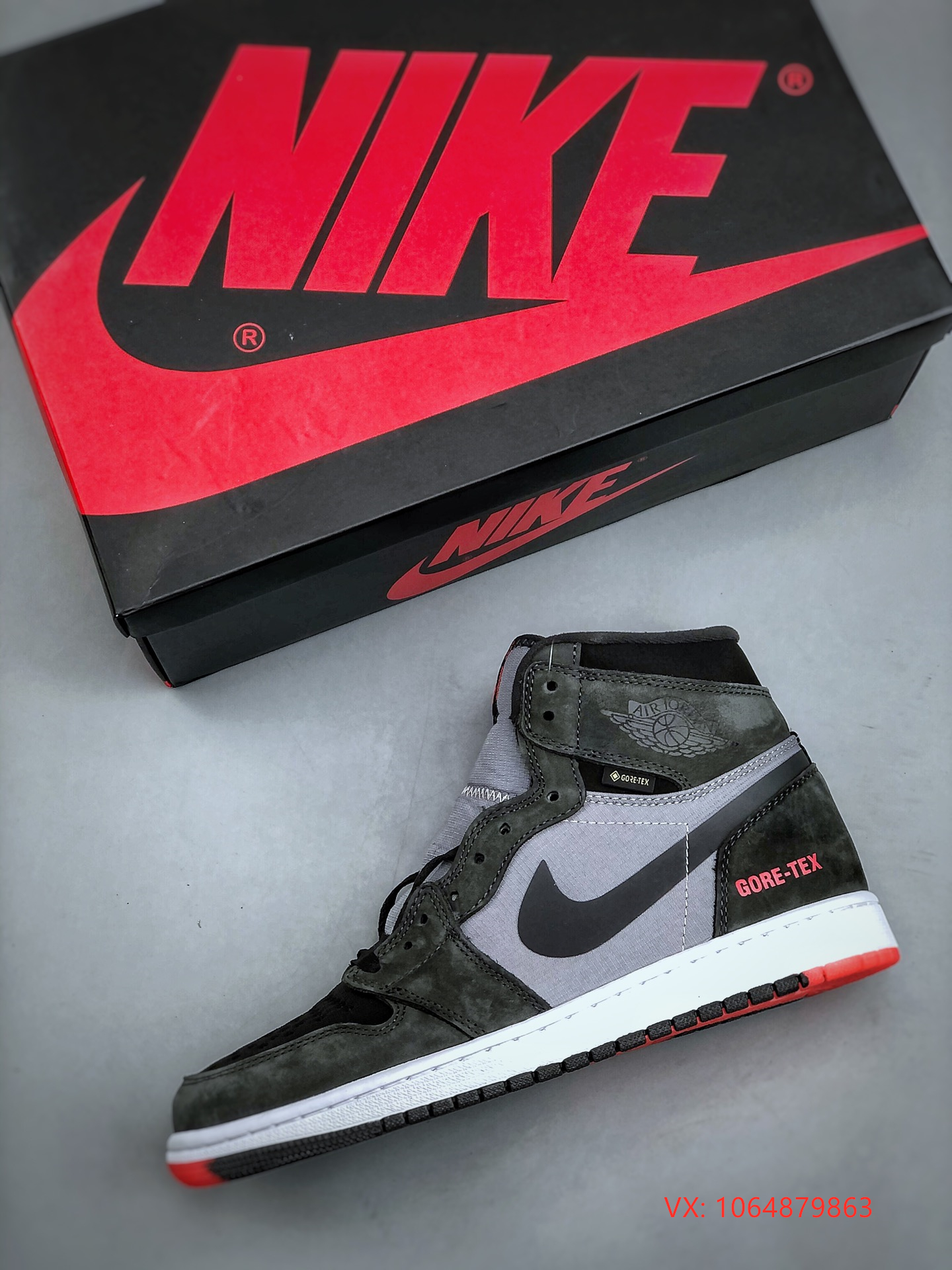
We categorize our products into three main grades. First, there is the "Market Version," which is cheap and easy to spot. Second, the "Mid-Grade," which is decent but lacks the premium feel. Third, the "Top Tier" or "S-Level." This is what serious resellers want. The S-Level uses the same molds as the big brands, sometimes even the same raw materials. For example, if you are buying Jordan 4s, the S-Level will use the correct nubuck suede and the proper jumpman logo placement. I have seen buyers pay $80 per pair for the S-Level, only to realize later they could have bought them for $65 directly from the factory owner. The middlemen add that extra cost.
My rule of thumb is simple: always compare three different stalls side-by-side. Place the shoes next to each other. Look at the tongue thickness, the heel counter stiffness, and the smell. Real leather has a distinct scent; synthetic materials smell like chemicals. If you smell strong chemicals, put the shoe back on the shelf.
Building Relationships and Negotiating Prices
In Putian, business is personal. You cannot just walk in, grab a box, and leave. You need to build a relationship with the boss. Sit down, drink tea, and chat about your market. Tell them wher you are selling. Are you targeting the US? Europe? Asia? This helps them tailor their packaging and sizing for you. once they know you are serious, they will give you the real wholesale price.
The Minimum Order Quantity Reality
Many foreigners are shocked by the MOQ (Minimum Order Quantity). Some factories require 50 pairs per style to start production. Others might allow 10 pairs if you are willing to pay a slightly higher unit price. As a local owner, I usually suggest starting with mixed styles. Buy 5 pairs of the hottest models and 5 pairs of the classics. This reduces your risk. If a style doesn't sell, you haven't lost a fortune. Over time, as you prove your reliability, the factories will lower their MOQ requirements and offer you better payment terms.
Payment is another sensitive topic. Never transfer 100% upfront unless you have worked with them for months. A standard deal involves a 30% deposit to start production and 70% before shipping. Use secure methods like Alipay or bank transfers that offer some protection. Avoid Western Unio for large amounts; it leaves no paper trail if things go wrong.
Common Pitfalls and How to Avoid Them
I have seen too many buyers lose thousands of dollars because they didn't know the rules of the game. Here are the biggest mistakes I see:
- Ignoring Shipping Logistics: Don't assume the factory handles everything. Most factories in Anfu only pack the goods. You need a reliable freight forwarder who specializes in shipping sneakers to the US. Ask me for names; I work with a few guys who know exactly how to clear customs without getting flagged.
- Overlooking Size Runs: Asian sizing runs smaller than US sizing. Always confirm the size chart. A US 10 in Putian might fit like a US 9.5. Get a detailed size breakdown before ordering.
- Trusting "Too Good to Be True" Prices: If someone offers you Air Jordans for $30, it is fake. Even the cheapest legitimate production costs more than that. Low prices mean low quality, and low quality means returns and bad reviews.
Summary of Key Suppliers and Locations
To help you get started, here is a quick reference guide based on my experience in the market. Remember, these are general locations; specific stall numbers change frequently, so always ask for the "Top Tier" section.
| Location | Focus Area | Recommended Contact Type | Notes |
|---|---|---|---|
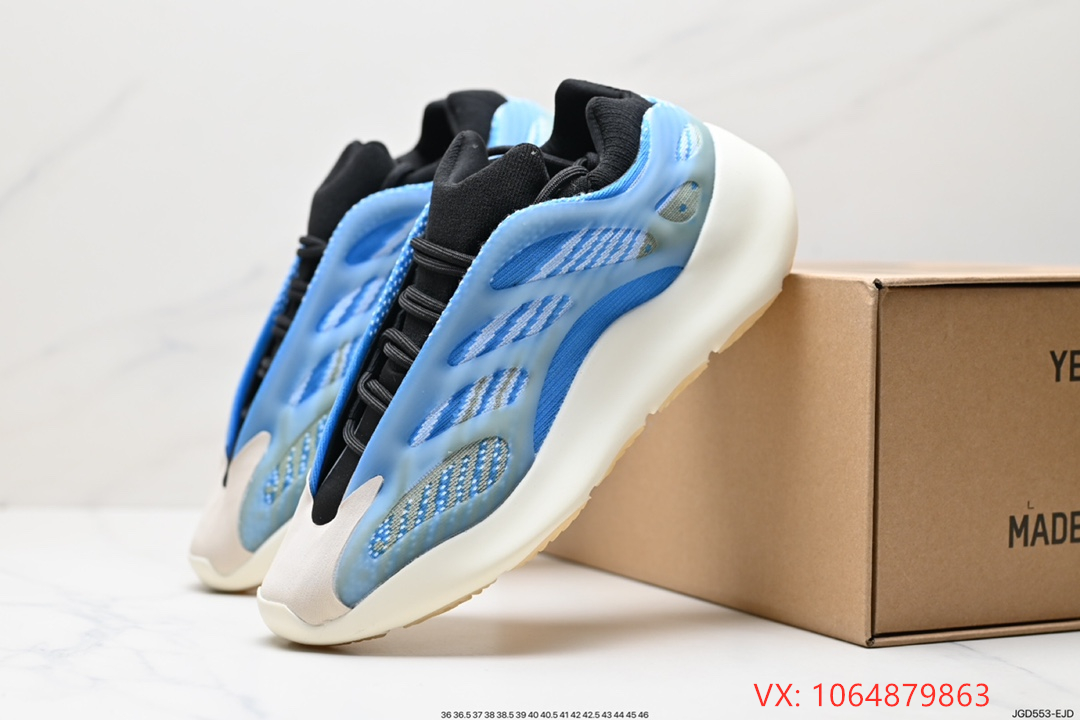
| Anfu Building 3, Floor 3 | High-End Replicas (S-Level) | Factory Owners | Best for Jordan and Yeezy models. Look for quiet rooms. |
| Anfu Building 5, Floor 2 | Mix of Mid and High Tier | Wholesale Agents | Good for Nike Air Force 1 and Dunk Low. Higher volume. |
| Anfu Building 1, Ground Floor | Retail & Low End | Retailers | Avoid for bulk sourcing. only for sampling. |
| Surrounding Workshops | Custom Production | Small Factories | For custom designs or unique colorways. Requires larger MOQ. |
Buying from Putian is not about finding the cheapest pair of shoes; it is about finding the best value for your specific market. The supply chain here is deep, complex, and incredibly efficient if you know how to navigate it. Come to Anfu, walk the halls, touch the leather, and talk to the people who make the shoes. That is the only way to ensure your business succeeds. Don't let the internet fool you. The truth is right here, in the dust and noise of the market.

 On-site Visits
 Free Sharing
 Avoid Scams
 Updated Frequently
 For Reference Only