
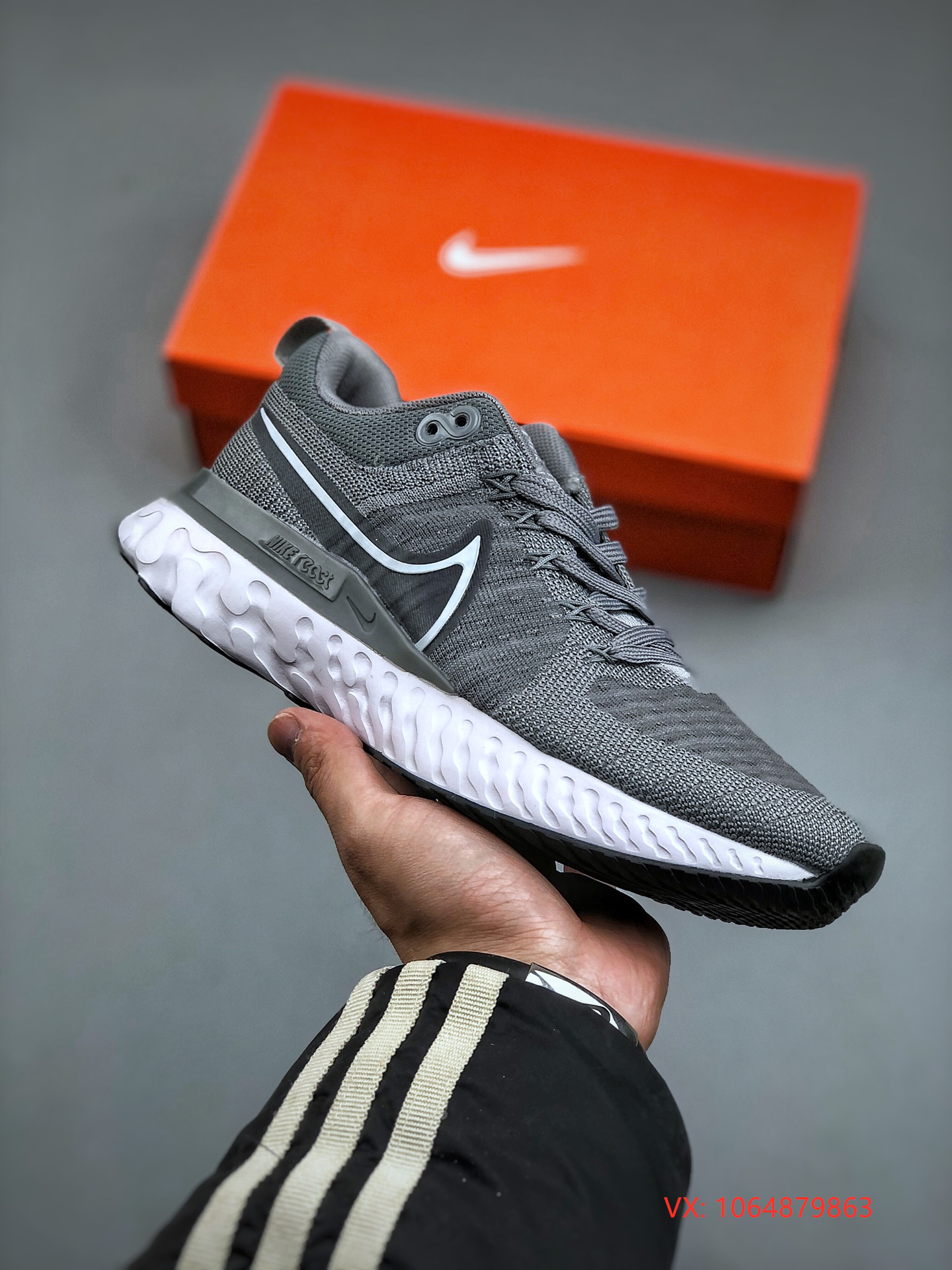
Walking the Floors of Anfu: A Veteran's Guide to Real vs. Replica
Welcome to the real deal. I've been standing in the same spot in the Anfu E-Commerce City for over fifteen years, watching the dust settle on the marble floors and seeing thousands of foreign buyers walk through my door with nothing but a backpack and a dream. You ask me about the difference between "Putian shoes" and "genuine ones." Let me tell you something straight from the horse's mouth: there is no such thing as a "fake" shoe in my warehouse if we are talking about the top-tier product. The confusion comes from your side, not mine.
When you search online for "high quality replica sneakers," you are often looking at pictures that don't exist until you see them in person. In the West, people think Putian means cheap, ugly knockoffs. That was true ten years ago. Today, the gap between a factory running a 1:1 production line here and the official brand factories in China is almost invisible to the naked eye. But let's be clear: if you want the absolute best, you have to know wher to look and how to talk.
The Myth of the "Fake" Label
Understanding the Supply Chain Reality
Here is the hard truth that most Western buyers miss. Many of the factories making these shoes are the exact same ones that make the "genuine" pairs for big brands. They use the same leather, the same glue, and sometimes even the same molds. The only difference is the logo on the tongue and the box. When I say "Putian shoes," I am not talking about the $20 slippers you see on street corners. I am talking about the "top version" or "market version" that costs $80 to $150 to produce.
If you buy from a random website claiming to sell "replicas," you are likely getting a low-quality batch meant for tourists who don't know better. These are the shoes with bad stitching, wrong colors, and stiff soles. But if you come to Anfu, meet me face-to-face, and ask for the "original mold" or "first grade," you get the real deal. The difference isn't just in the material; it's in the QC (Quality Control). We inspect every single pair before it leaves the shop. If there is one loose thread, it goes back to the floor.
Navigating the Anfu Market: A Buyer's Survival Guide
Why online Pictures Lie to You
I see too many foreigners trying to order via WhatsApp or email without ever visiting. They send a photo of a Jordan 4 and expect me to send them the perfect copy. But photos can be edited. Colors can be shifted. Texture can be hidden. This is why I always tell my clients: come to Putian. The market is chaotic, loud, and smells like rubber and sweat, but that is wher the magic happens.
Anfu is not a mall. It is a maze of small stalls packed shoulder to shoulder. When you walk in, ignore the flashy signs. Look for the guys who are busy packing boxes. Those are the serious sellers. If you want to find the best source for "Putian sneakers wholesale," you need to be willing to walk miles. I remember a buyer from Germany last month who spent three days just walking the corridors, comparing the sole texture of the same model across five different shops. He finally found the one with the correct carbon fiber plate inside the midsole. That is the kind of detail you cannot see on Google Images.
How to Spot the Difference: A Hands-On Approach
Inspection Techniques You Need to Know
So, how do you distinguish the high-end replica from the genuine article when they look identical? It comes down to the details. First, check the smell. Cheap replicas smell like strong chemicals. Good ones smell like fresh leather and rubber. Second, look at the stitching. On the genuine pair, the stitches are perfectly uniform. On a bad fake, they might wobble. But on our top-tier versions, the stitch count per inch matches the original exactly.
Third, and this is crucial, check the midsole paint. Many fakes leave paint smudges on the foam. We clean those up meticulously. Fourth, look at the box. The font on the label must match the official branding perfectly. If the font is slightly off, it's a lower tier. When you are negotiating with a seller like me, ask to see the "factory video." We record videos of the shoes being made, showing the raw materials and the assembly process. This builds trust. If a seller refuses to show you the factory, run away.
Dealing with Sellers: Negotiation and Trust
Building Long-Term Relationships
Don't treat this like a one-time transaction. The best deals happen when you build a relationship. In Anfu, we value loyalty. If you come back next season, I will give you priority access to the new colorways before anyone else. When you negotiate price, don't just haggle over dollars. Talk about volume. If you plan to buy 500 pairs a month, the price dros significantly. But if you only want one pair, you pay retail-plus.
Also, be careful about payment methods. Never send money directly to a personal bank account without a contract. Use secure platforms or meet in person. I have seen too many scams wher a buyer sends money and gets a box of bricks. Always verify the seller's reputation. Ask other shop owners who they work with. The community here is tight-knit; everyone knows everyone. If someone has a bad reputation, word spreads fast.
The Future of Sourcing: What's Next?
Adapting to Global Trends
The industry is changing. More and more international buyers are realizing that "genuine" isn't always necessary if the quality is 99% identical. The trend is shifting towards "ultra-high quality replicas" that bypass the brand markup entirely. For dropshippers and boutique owners, sourcing from Putian makes sense. You get the latest designs within days of their release in China, which is weeks before they hit the US or Europe markets.
But remember, knowledge is power. The more you understand the supply chain, the better your product will be. Don't settle for the first option you see. Visit the market, touch the leather, smell the glue, and talk to the people who actually make the shoes. That is the only way to ensure you are getting the best value for your money. Whether you call it a replica, a clone, or a "market version," the reality is simple: if you know what you are doing, you can get a shoe that looks and feels just like the real thing, for a fraction of the cost.

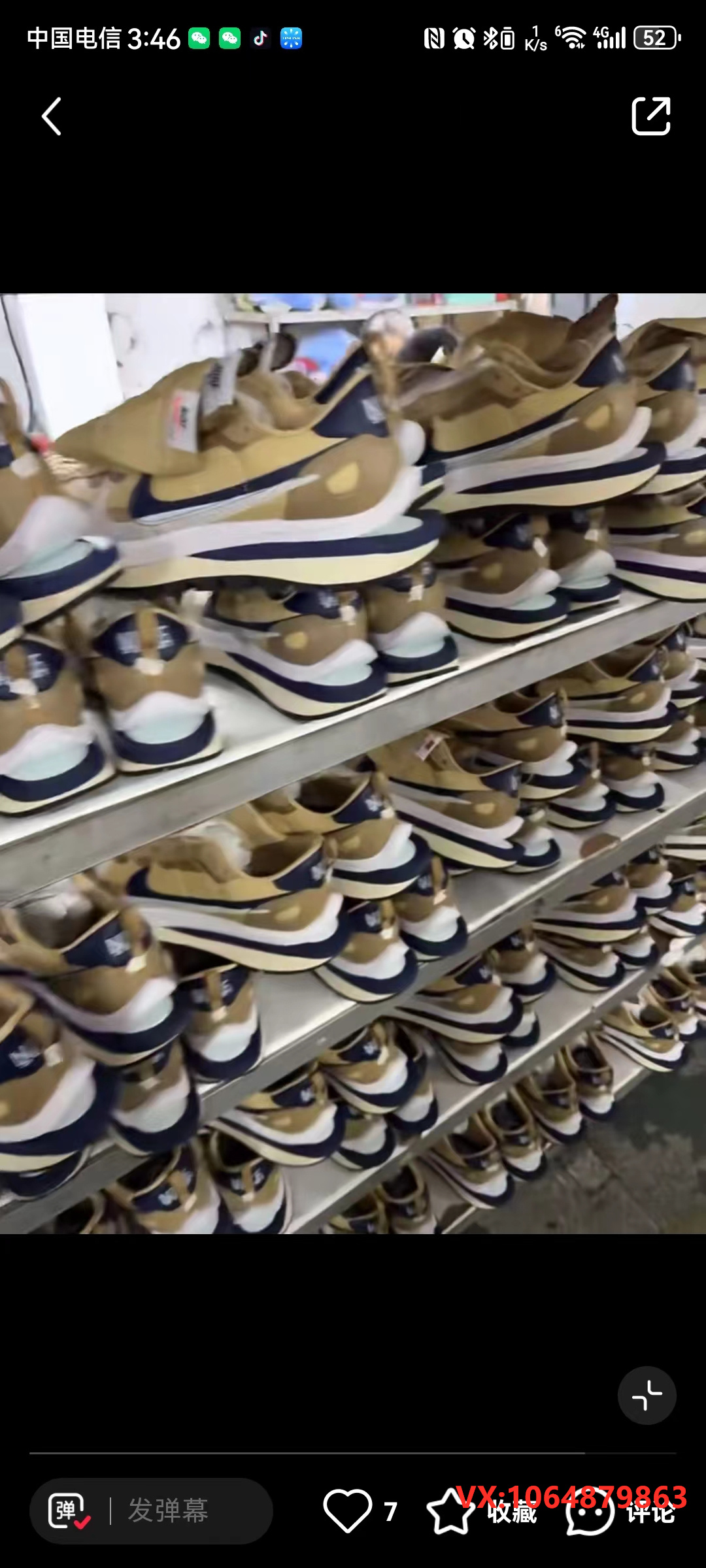
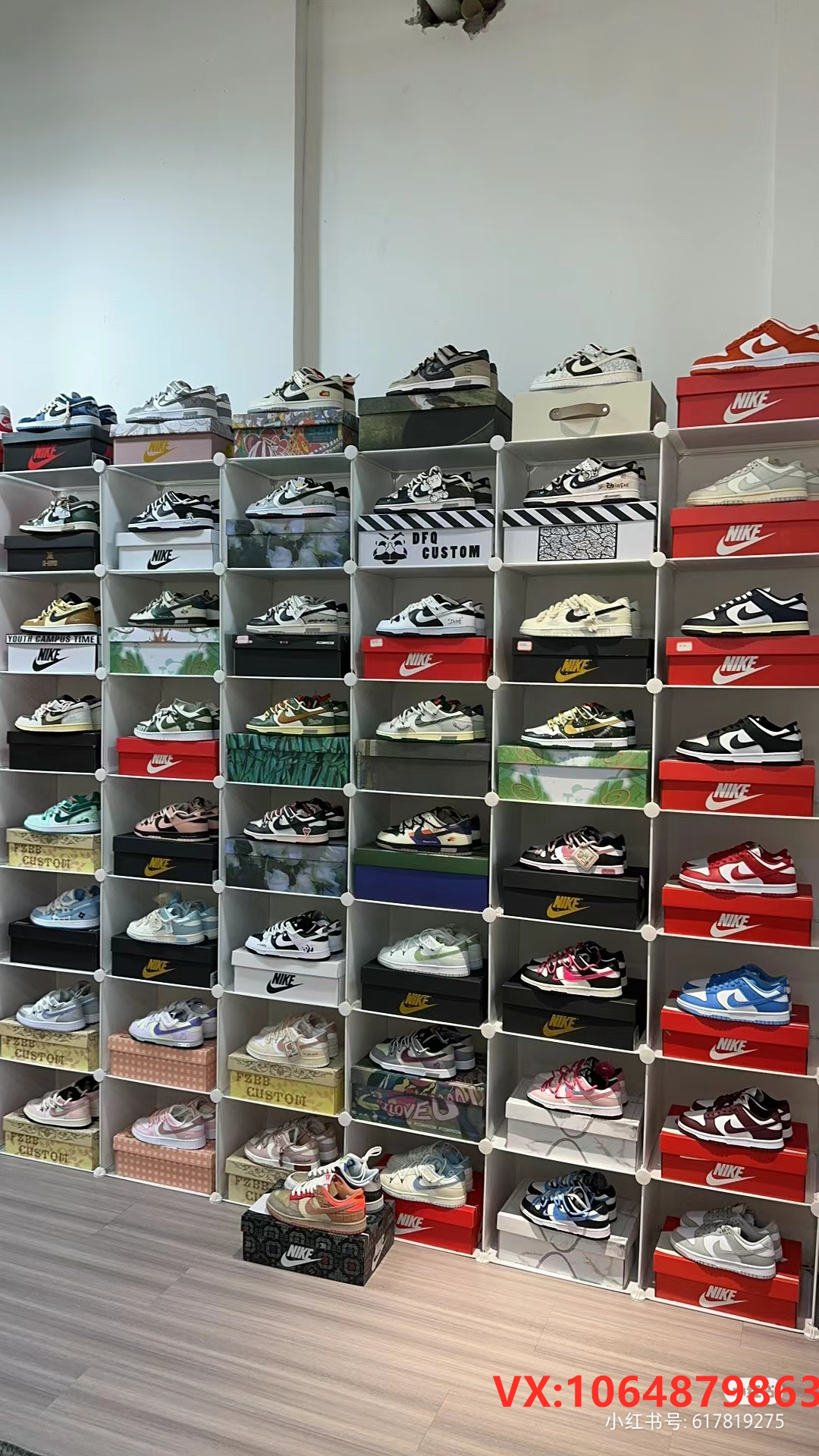
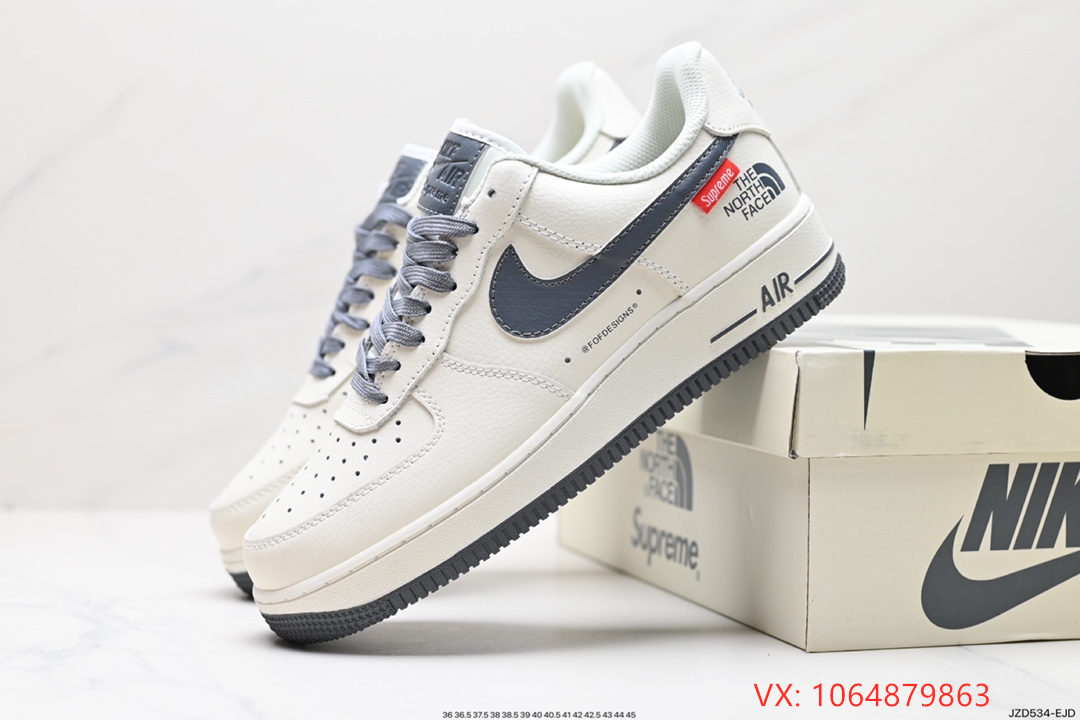
 On-site Visits
 Free Sharing
 Avoid Scams
 Updated Frequently
 For Reference Only