What You Need to Know about Putian Shoe Production Before You Buy
Welcome to the real world of Putian. I have been standing behind my counter in the Anfu E-Commerce City for over fifteen years, watching thousands of pairs of shoes walk through these doors every single day. When you ask me about "Putian shoe production volume," you are asking a question that has no simple number answer. It is not like a factory report you can find on Google with a clean chart. The reality is fluid, chaotic, and incredibly fast. In my experience dealing with foreign buyers who fly in from the US or Europe, the first thing they misunderstand is that Putian is not one giant factory. It is a massive ecosystem of hundreds of small workshops, specialized mold makers, glue specialists, and packing teams all working in tight clusters.
If you are looking for a specific tonnage or total output figure, you will be disappointed. But if you want to know how much product actually moves through our streets, let me tell you: during peak seasons, especially before Chinese New Year or major global sales events like Black Friday, the entire district feels like it is breathing out millions of pairs of sneakers. We do not count them in official statistics because we operate in a gray zone where speed matters more than paperwork. My shop alone might ship three hundred boxes a week during busy times, but that is just one tiny stall among thousands. The true scale is hard to grasp unless you walk the floor yourself.
Navigating the Anfu Market: A Local's Perspective
The Chaos of the Physical Floor
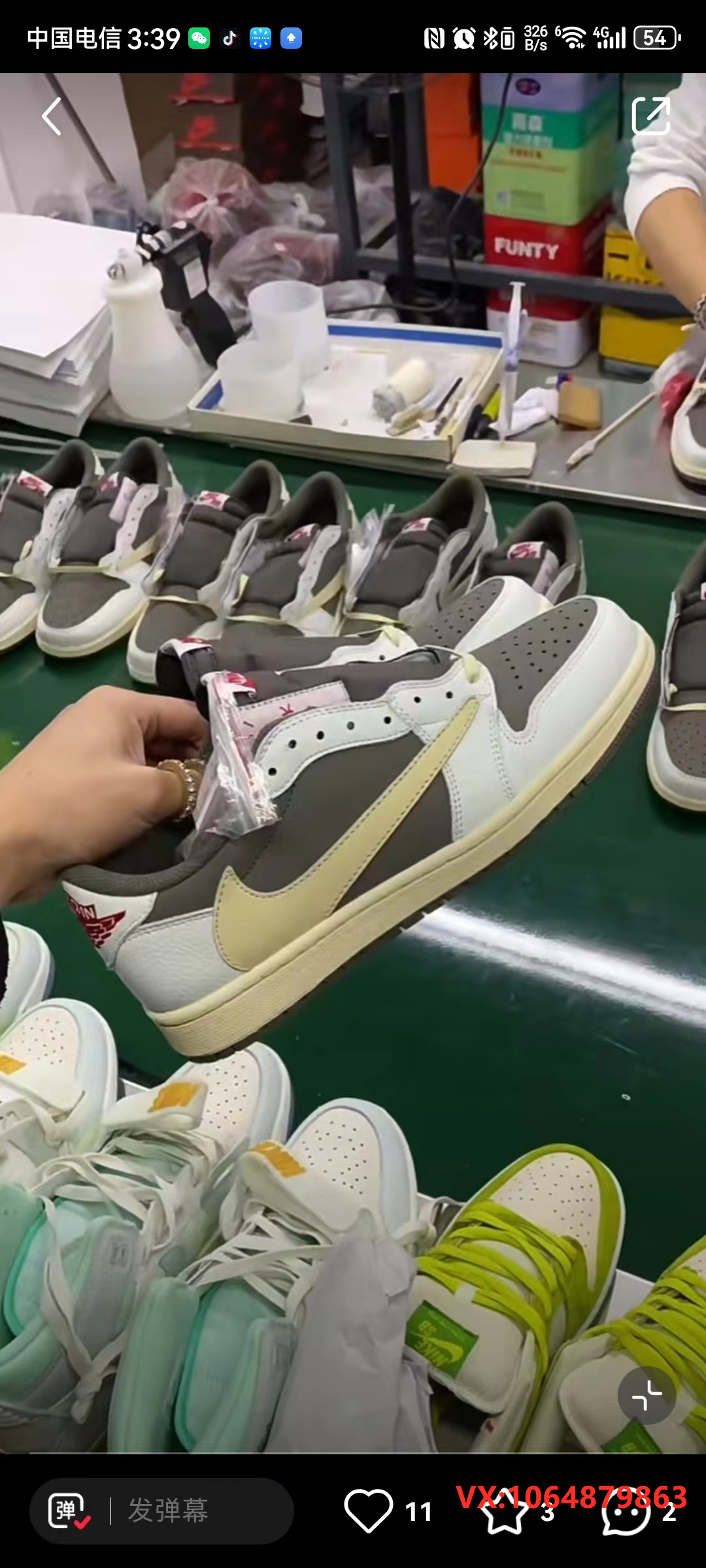
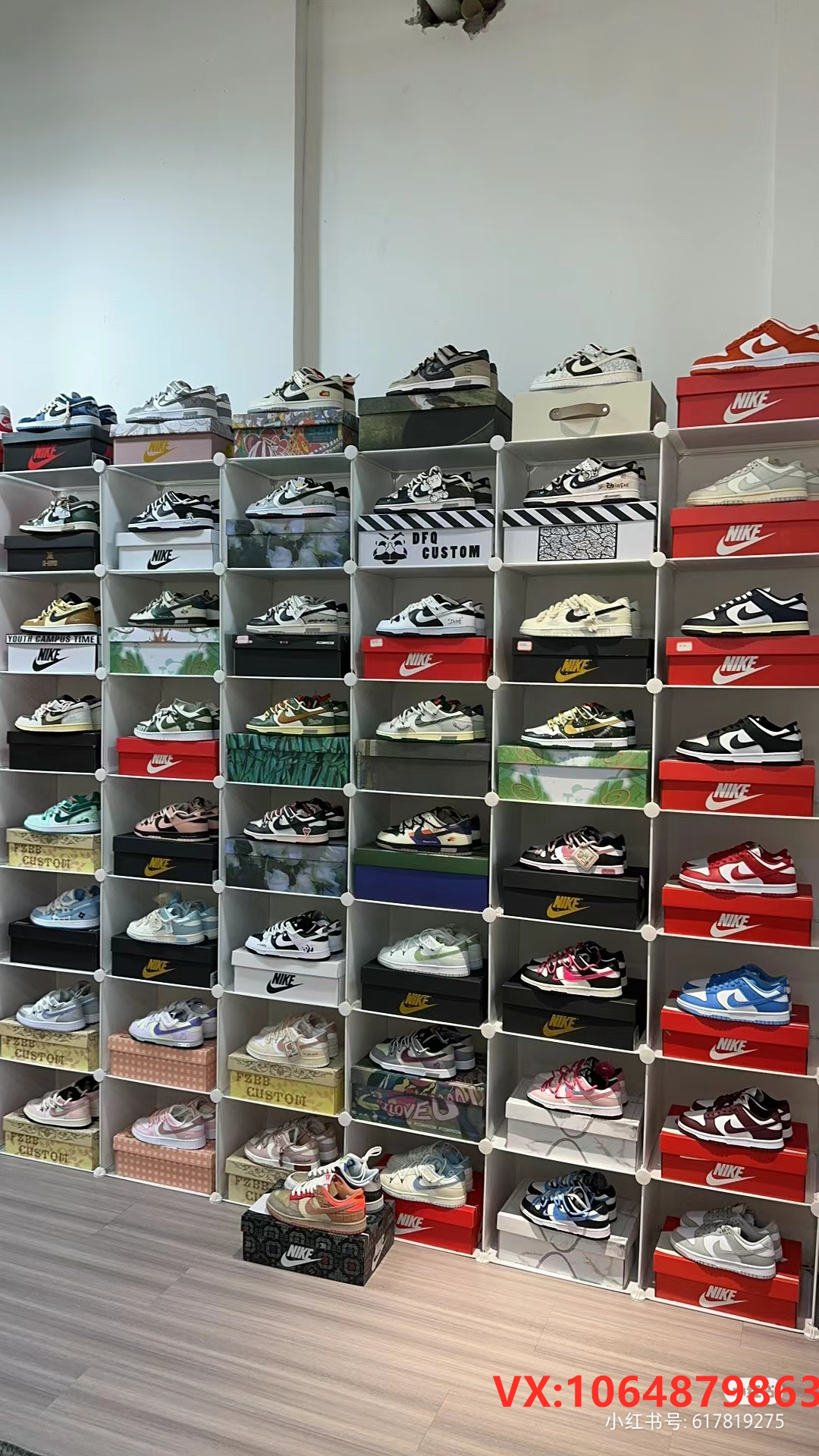
When you step into the Anfu market, you are entering a sensory overload. The air smells of rubber, glue, and synthetic leather. The noise is constant—phones ringing, workers shouting sizes, and delivery drivers honking outside. This is where the magic happens. Many foreigners think they can just order online and get high-quality goods, but that is a trap. To understand the actual production capacity, you must see the back rooms. Behind every flashy storefront lies a workshop where machines hum twenty-four hours a day. These are not sterile factories; they are bustling hubs where skilled artisans stitch, mold, and assemble by hand. If you want to gauge the volume, look at the piles of cardboard boxes stacked to the ceiling. That is your inventory.
Why online Numbers Lie
You will see many websites claiming to sell "Putian shoes" with huge stock photos. Do not trust them blindly. Most of these are drop-shipping fronts that do not even hold the physical product. They take your order and then go to a supplier to fulfill it. The real production happens in the hidden corners of the city. As a local boss, I can tell you that the supply chain is fragmented. One shop might specialize in the upper part of the shoe, another in the sole, and a third in the packaging. When you ask about production volume, you are really asking about the collective output of this entire network. It is decentralized, which makes it flexible but also difficult to track with standard metrics.
How Foreign Buyers Should Source Directly
The importance of Face-to-Face Meetings
I have seen too many buyers lose money because they tried to negotiate via WhatsApp without ever visiting us. In Putian, relationships are everything. When you come here, you need to walk the aisles. Go to the different buildings in Anfu. Talk to the bosses directly. Ask them to show you their current molds. If a seller says they have "thousands of pairs ready," ask to see the warehouse. Real suppliers will open the door immediately. Fake ones will make excuses. The best way to verify production capability is to watch them work. See if they have the machinery, the raw materials, and the skilled labor. This is the only way to separate the serious manufacturers from the middlemen.
Selecting the Right Product Line
Not all shoes are made equal. There are different grades of production in Putian. Some shops focus on low-cost replicas, while others aim for "top tier" quality that mimics the original brands almost perfectly. When you are sourcing, you need to define what you want. Are you looking for bulk cheap goods for a discount store, or premium items for a boutique? The production volume varies based on the complexity of the design. Simple models can be churned out in massive quantities quickly. Complex models with special textures or rare materials take longer and produce less volume per day. Be honest with your supplier about your target price point so they can match you with the right workshop.
Pitfalls to Avoid and Quality Control Tips
Don't Get Scammed by "Guaranteed" Stock
One of the biggest mistakes foreign buyers make is assuming that because a shop looks big, they have unlimited stock. In reality, inventory fluctuates daily. A shop might claim to have five thousand pairs of a specific model, but when you arrive, they might only have two hundred left. Always inspect the goods before paying. Check the stitching, the glue lines, and the box labels. Look for defects that indicate rushed production. If the quality is inconsistent across the batch, it means the production line was overloaded. As a local, I always advise my international friends to start with a small trial order. Test the quality, check the shipping time, and build trust before committing to a large volume.
Understanding the Supply Chain Risks
The production environment in Putian is dynamic. Sometimes, a new trend comes out, and everyone rushes to copy it. This leads to a sudden spike in demand that can overwhelm the local supply chain. Delays happen. Materials run out. If you are planning a large shipment, communicate clearly with your supplier about lead times. Do not expect miracles. The best strategy is to maintain a relationship with multiple suppliers. If one workshop is backed up, another might have the capacity to pick up the slack. This flexibility is the secret to surviving in the Putian market. By building a network of trusted contacts, you ensure that your orders get fulfilled even when the market gets crazy.