The Real Numbers Behind the "How Many Putian Shoes" Question
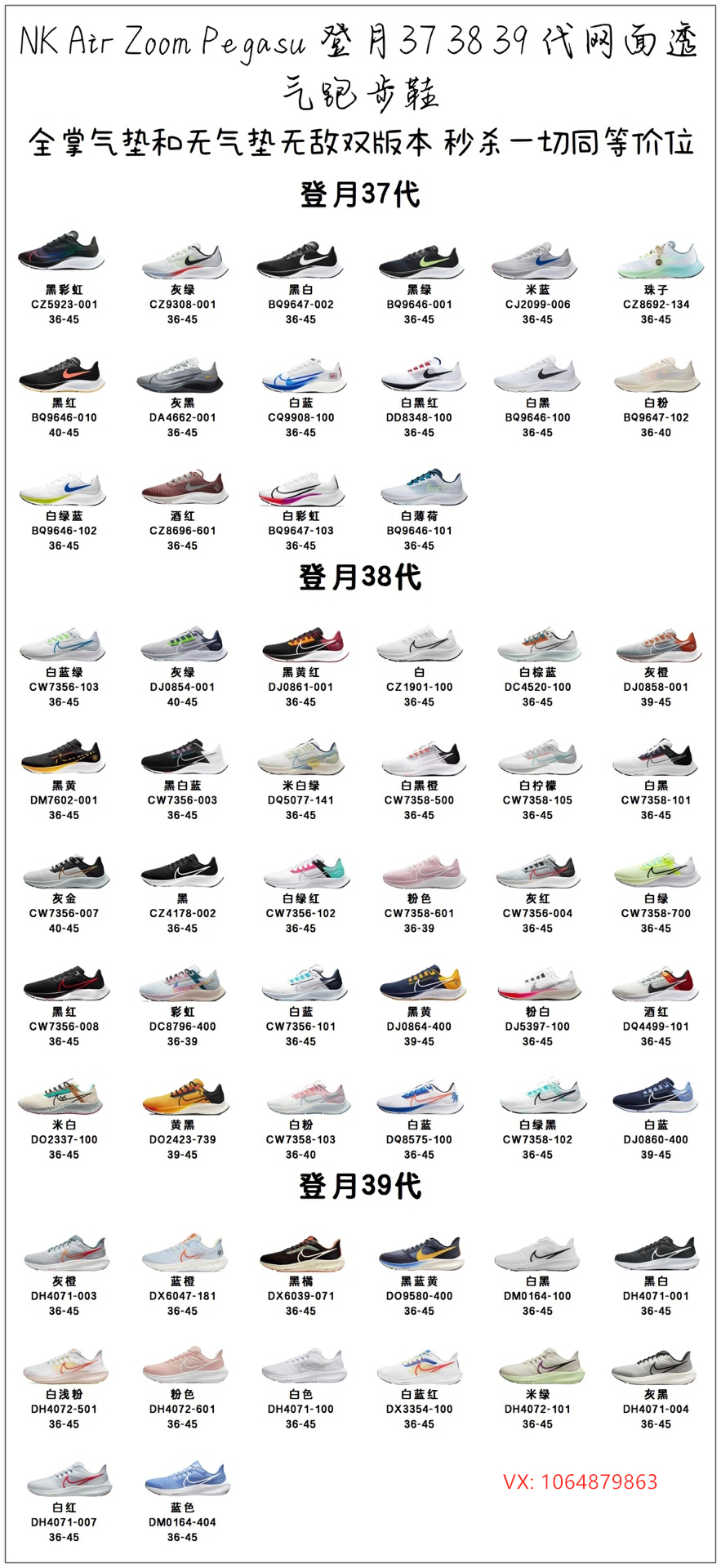
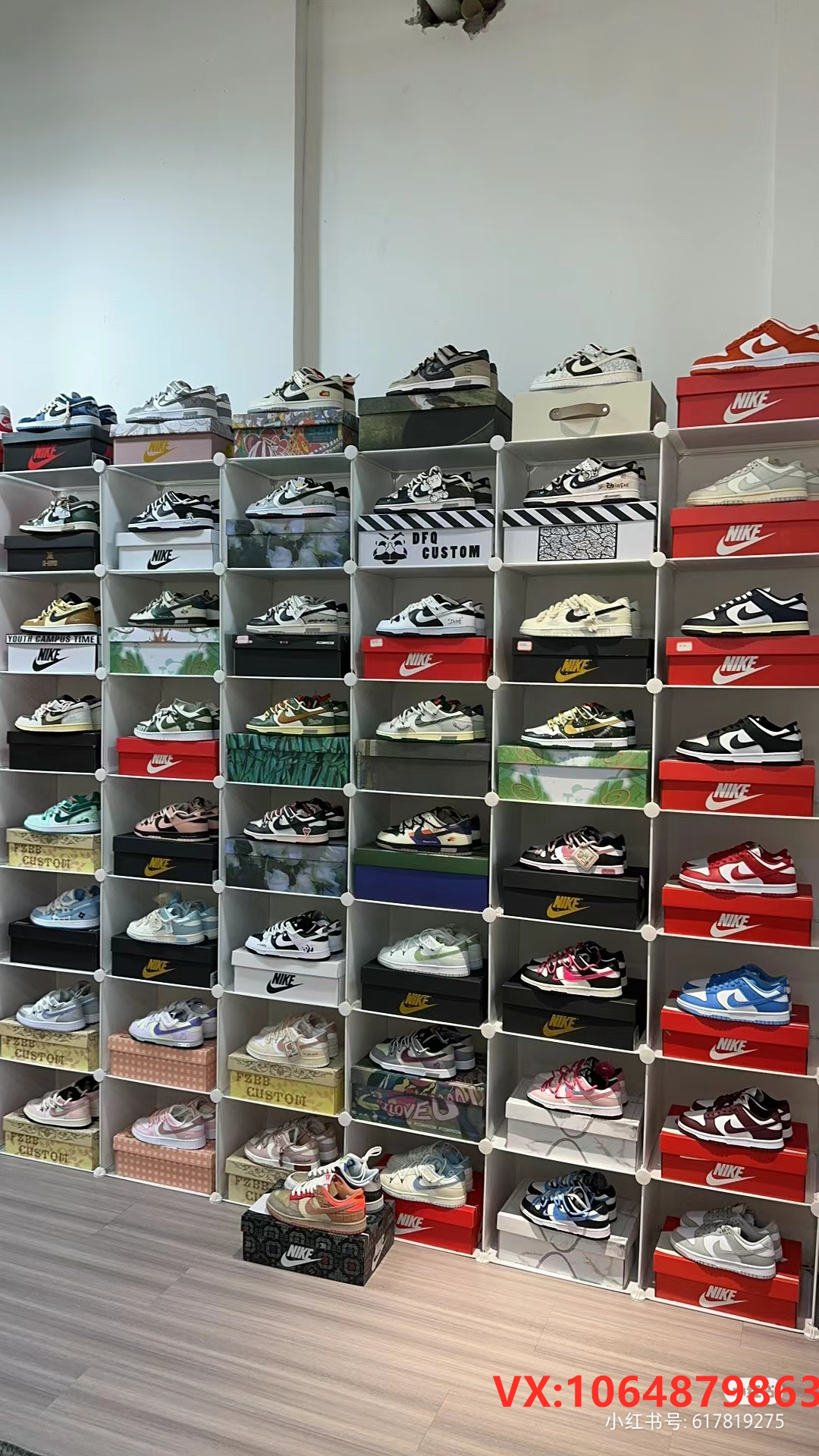
Look, I've been standing in the Anfu Economic and Trade City for over fifteen years. You walk in here asking me, "How many Putian shoes are there?" and honestly, that's like asking a fish how many drops of water are in the ocean. The number isn't just big; it's chaotic, shifting, and impossible to pin down with a single statistic. When foreign buyers come to my shop looking for a definitive count, I tell them to stop counting and start understanding the ecosystem. We aren't talking about a few hundred factories churning out replicas. We are talking about a massive, interconnected web of thousands of workshops, design studios, material suppliers, and logistics hubs that operate 24/7.
The Scale of Anfu: More Than Just a Market
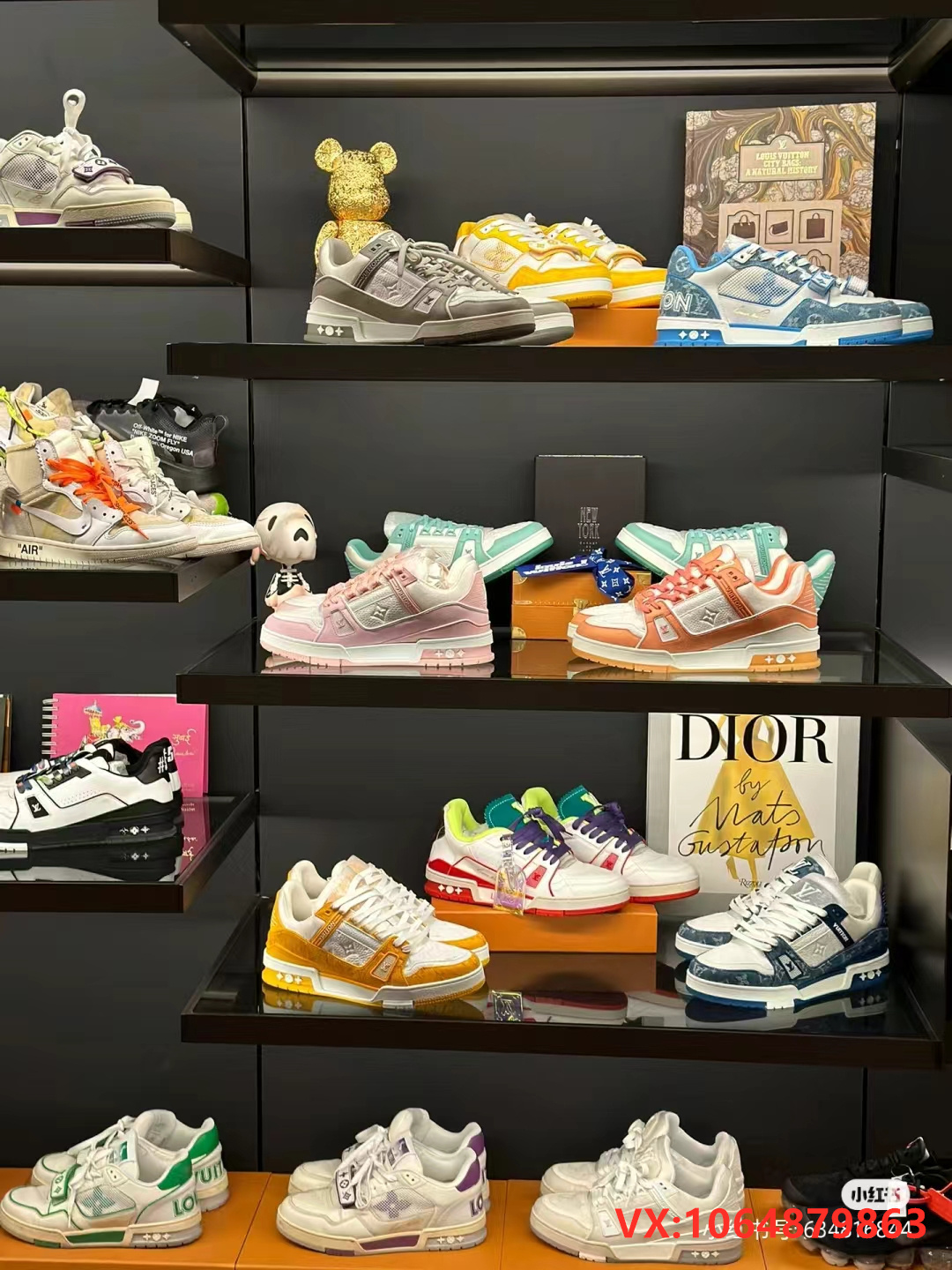
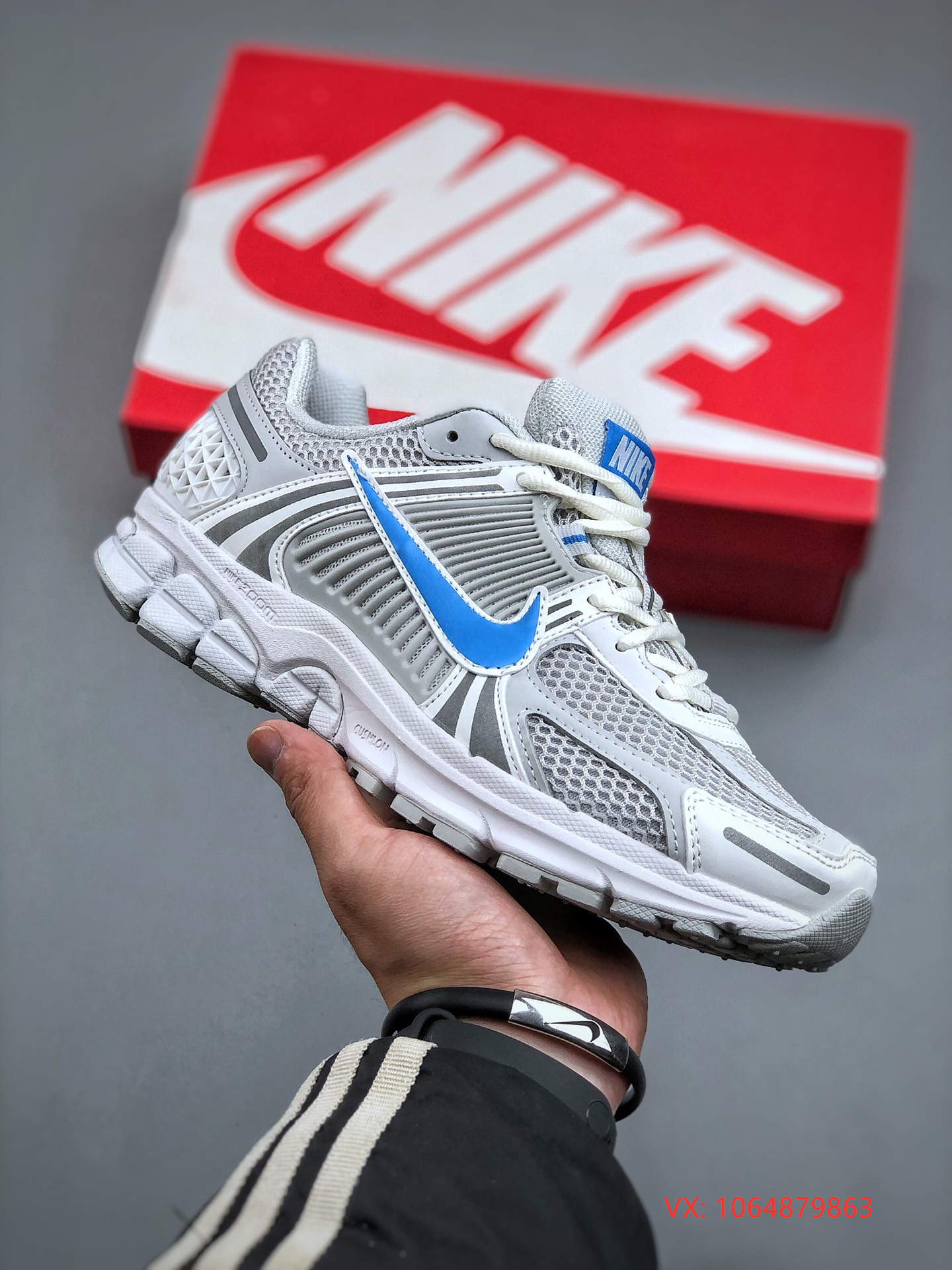
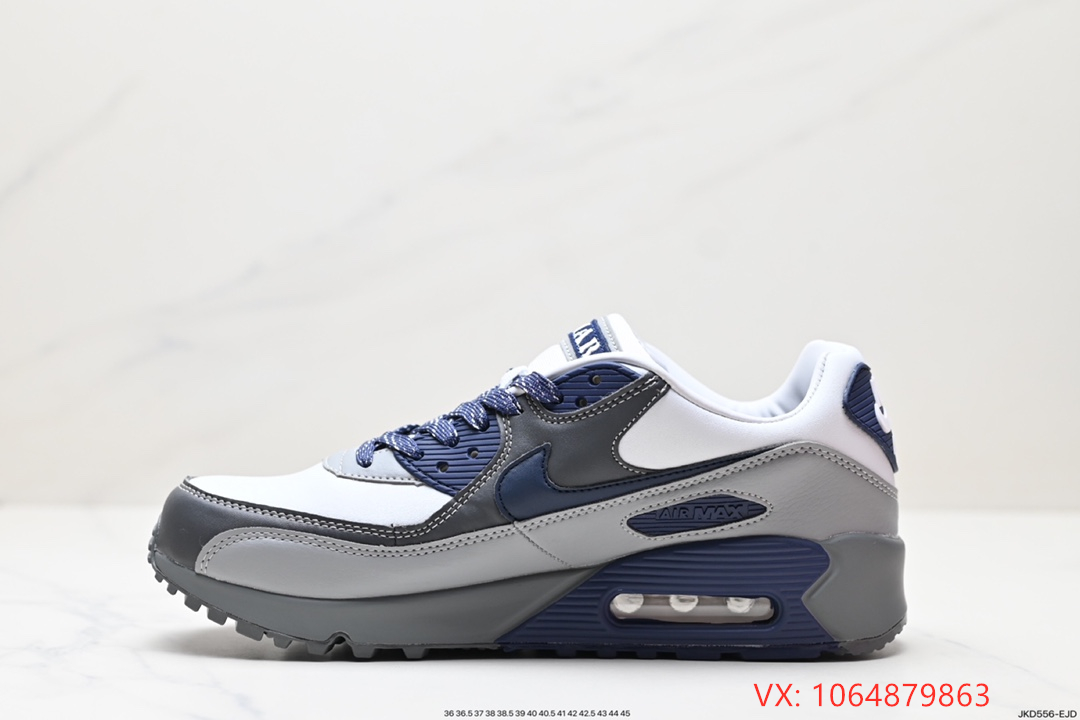
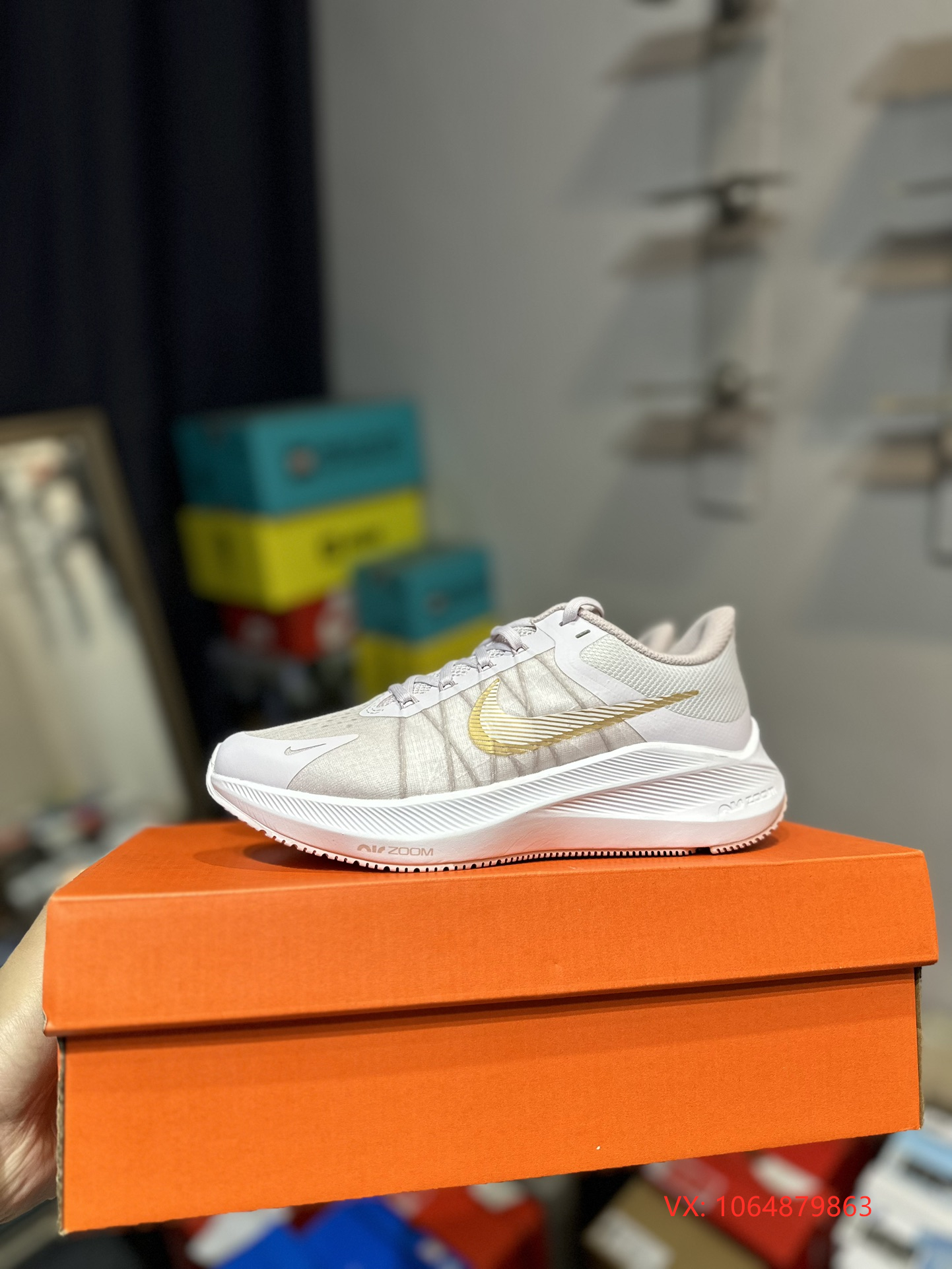
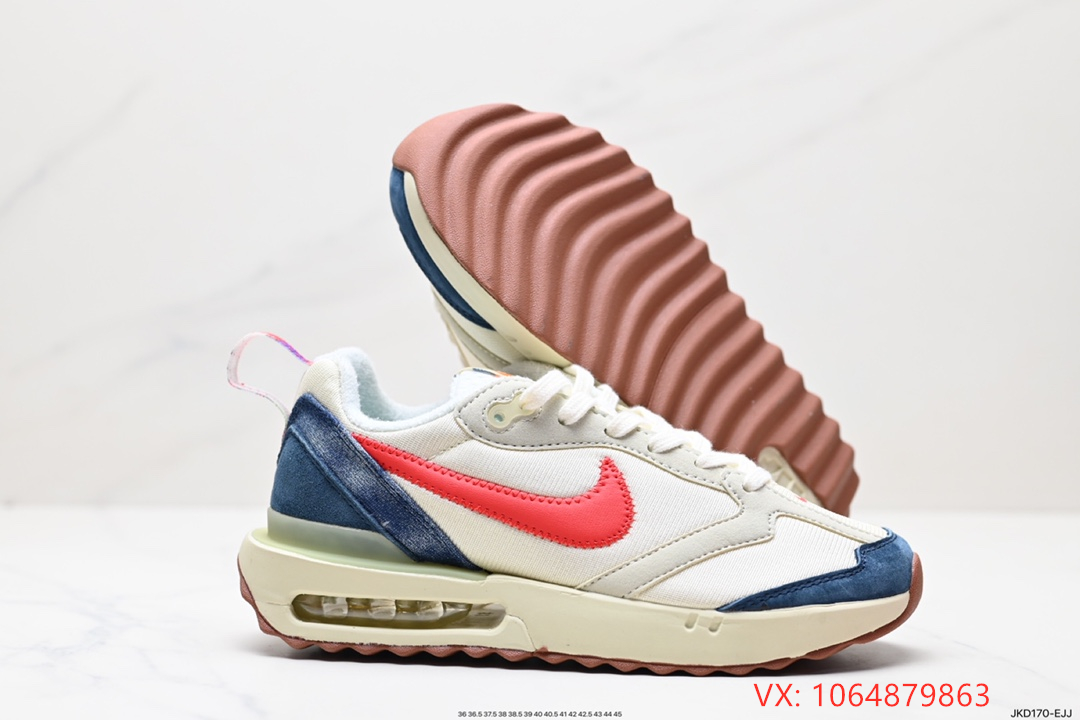
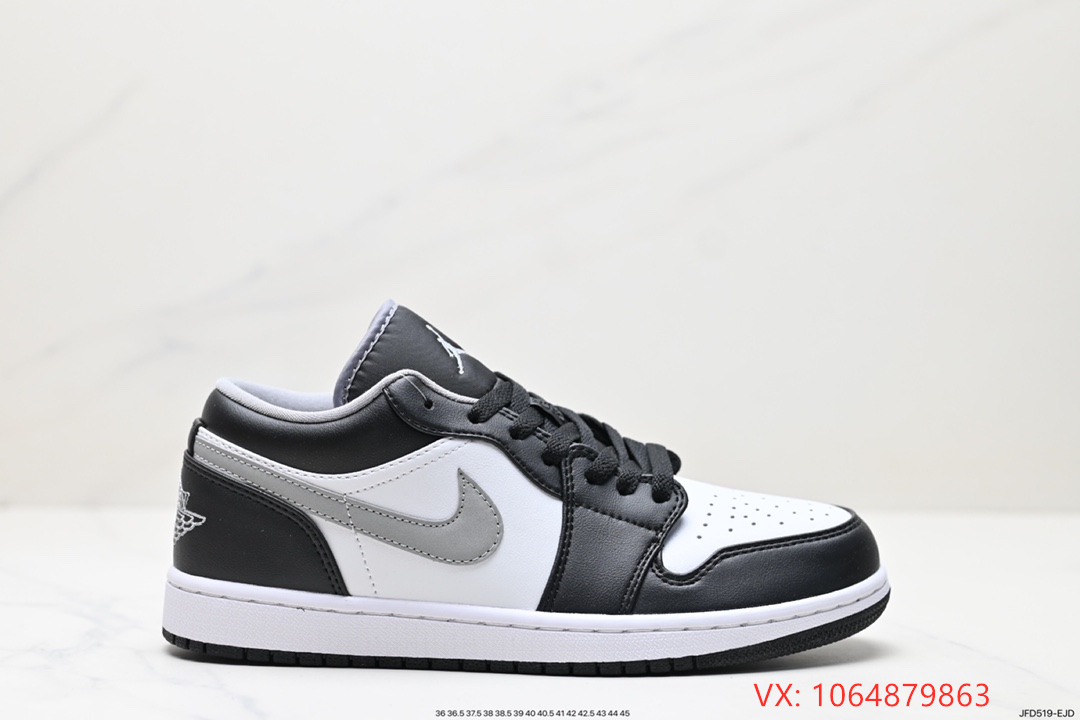
If you think Anfu is just one building, you're already lost. The reality is that the supply chain spills out into the surrounding streets, hidden industrial parks, and residential compounds where families run their own micro-factories. Every day, I see trucks loading up with boxes destined for New York, London, Dubai, and Tokyo. The volume is staggering because the demand never sleeps. From the moment a new Nike or Jordan model hits the US market, our teams are already reverse-engineering the molds. By the time the official release date arrives, we have hundreds of variations ready to ship. This speed is what creates the illusion of infinite inventory.
Navigating the Physical Market: A Buyer's Reality Check
When you land in Putian, don't expect a polished showroom. The real action happens in the back alleys of Anfu and the bustling corridors of the nearby wholesale markets. As a local boss who has hosted hundreds of international clients, I can tell you that walking around without a guide is a recipe for disaster. The market is a maze of small stalls, each claiming to be the "top tier" source. You need to know which floor holds the high-quality goods and which ones are just selling low-end fakes to tourists.
Scouting the Stalls and Verifying Quality
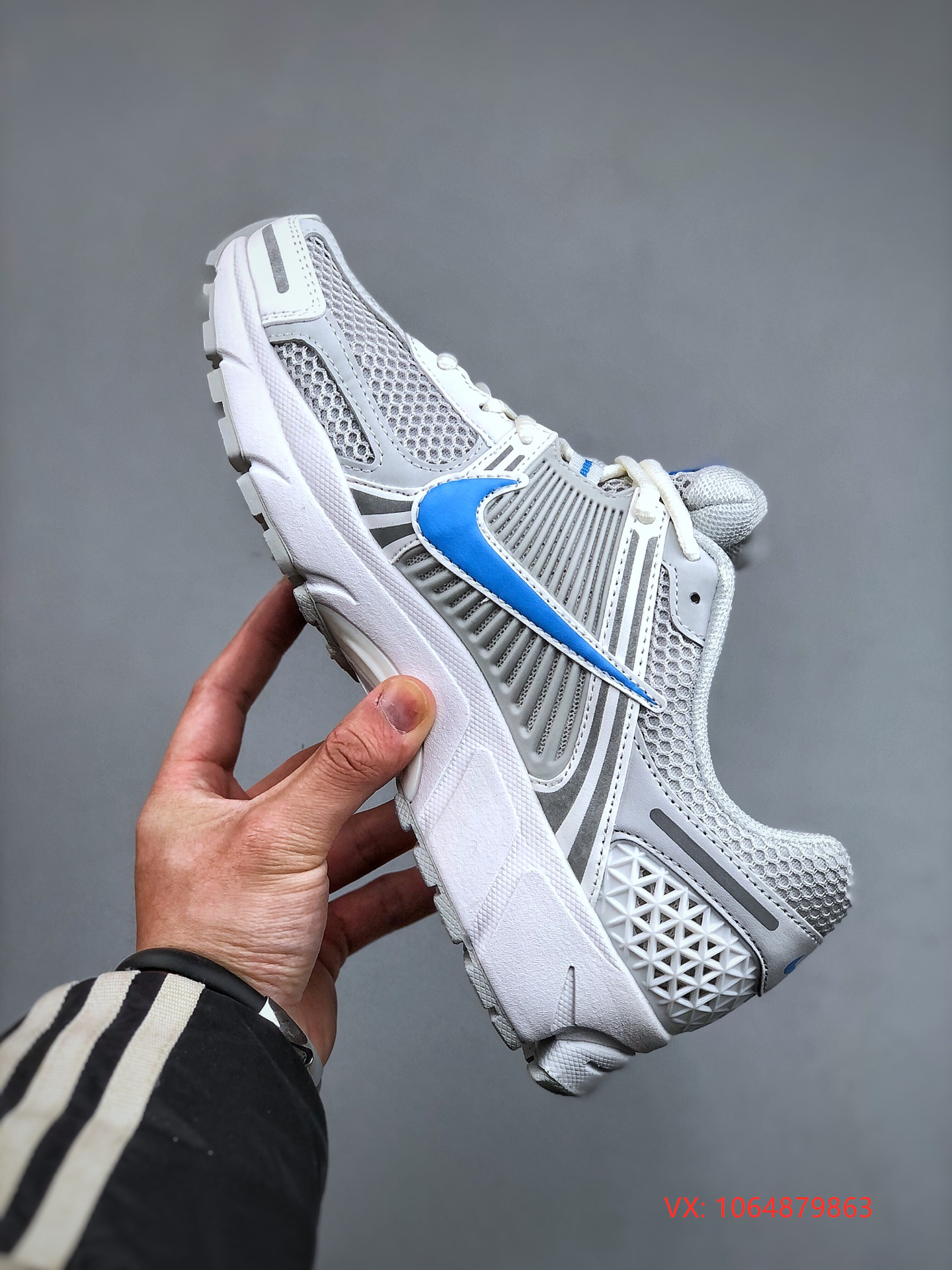
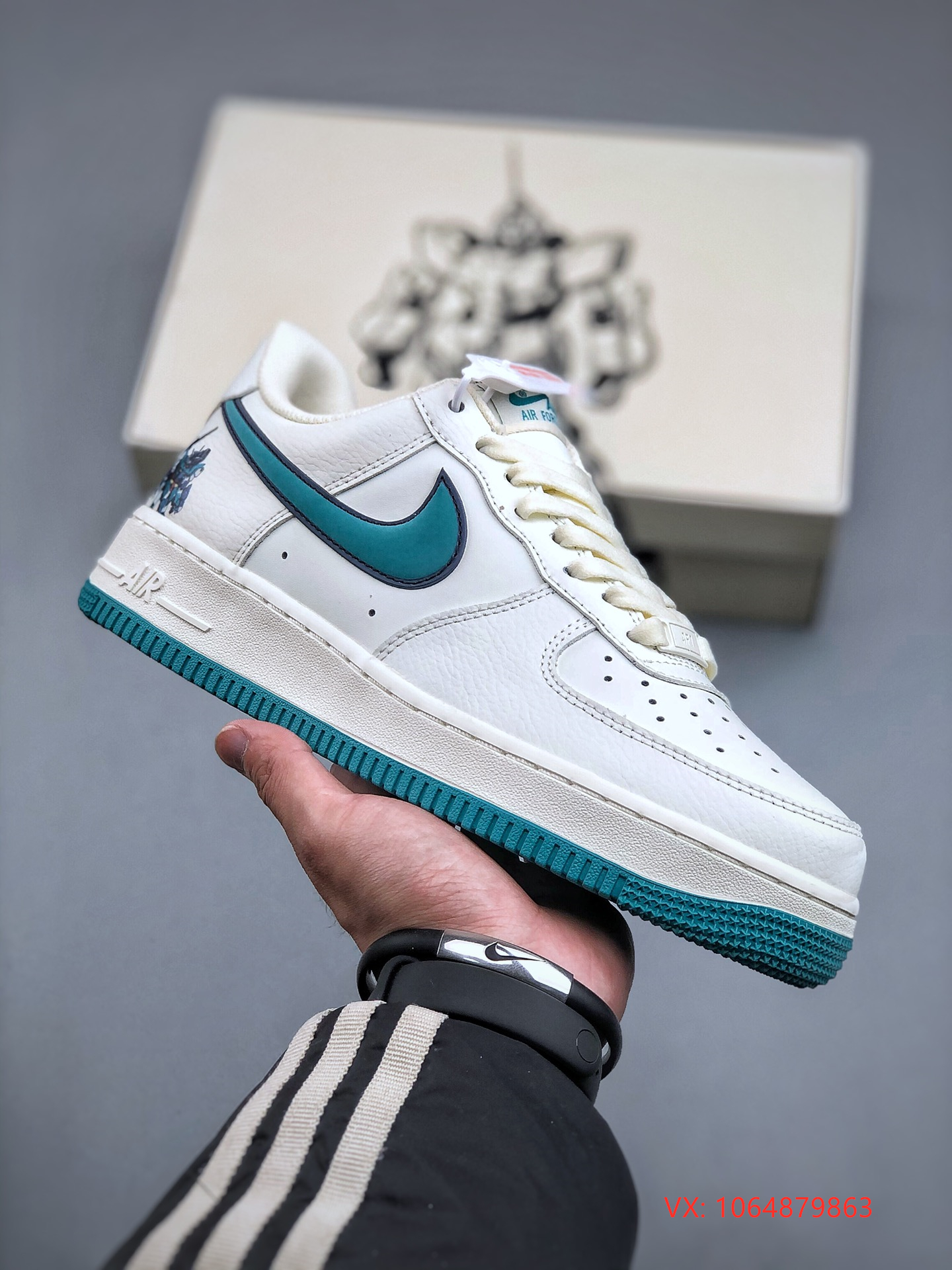
My advice to anyone coming here to source Putian sneakers is simple: trust your eyes, not the pictures on your phone. When I show a client a pair of shoes, I pull them apart. I check the glue lines, the stitching density, and the texture of the leather. In this industry, "quality" is a spectrum. There are the "market versions" that look okay from a distance but fall apart after a week, and then there are the "1:1 versions" that are nearly indistinguishable from the originals. You have to physically handle the product. Ask to see the sole flex, press the midsole foam, and smell the materials. If a seller refuses to let you inspect the goods closely, walk away immediately.
Building Trust: How Foreigners Find Real Suppliers
One of the biggest mistakes overseas buyers make is trying to find suppliers solely through Google or Alibaba. While those platforms exist, they are filled with middlemen who add markup and disconnect you from the actual factory floor. The best way to find a reliable partner is through word-of-mouth and physical presence. When I talk to new clients, I emphasize that the most successful transactions happen face-to-face. Sitting across from me at my desk, drinking tea, and discussing the details builds a level of trust that an email thread never can.
Avoiding Scams and Middlemen
You will hear terms like "high quality," "original mold," and "factory direct" constantly. Be careful. Many sellers use these buzzwords to hide the fact that they are reselling goods they bought from other wholesalers. To avoid being ripped off, ask specific questions about the production process. Where did the upper material come from? Who made the mold? Can you visit the workshop? If they hesitate or give vague answers, they are likely a middleman. Real factories are proud of their capabilities and will invite you to see the machinery. Also, never transfer money via personal accounts before seeing the goods. Use secure payment methods that offer buyer protection until the shipment is verified.
The Art of Negotiation and Logistics
once you've found a supplier you trust, the negotiation begins. In Putian, prices are rarely fixed. They depend on the order quantity, the complexity of the design, and the current cost of raw materials. Don't be afraid to haggle, but remember that if the price seems too good to be true, it probably is. A cheap pair of shoes often means cheap glue or recycled rubber. When we discuss shipping, I always recommend using established freight forwarders who specialize in sneaker exports. They know how to pack the boxes to prevent crushing and how to navigate customs regulations efficiently.
Customs and Shipping Strategies
Shipping replica sneakers internationally requires a bit of strategy. Different countries have different rules regarding intellectual property. Some forwarders specialize in "duty-free" routes, while others focus on discreet packaging to ensure the packages arrive safely without inspection issues. As a local merchant, I work closely with trusted logistics partners to ensure your order reaches you quickly and securely. Whether you are ordering fifty pairs for a boutique or five hundred for a larger distribution network, the goal is the same: get the product to your door without legal headaches or delays.
Final Thoughts: Why Putian Still Matters
So, to answer your original question again: how many Putian shoes are there? The answer is "enough to fill every closet in the world." But more importantly, the industry represents a unique blend of craftsmanship, speed, and adaptability that no other region can match. For foreign buyers, the key is to approach this market with patience, curiosity, and a willingness to learn the ropes. Don't rely on internet searches alone. Come here, walk the floors of Anfu, meet the people behind the counters, and build relationships. That is the only way to truly succeed in sourcing from this incredible hub of global footwear manufacturing.