Why Most Foreign Buyers Fail at Spotting Real Leather in Putian
I have been standing behind the counter in the Anfu Electronic City for over fifteen years. I watch thousands of pairs of shoes walk through my door every single day, from tourists with big cameras to seasoned buyers who know exactly what they want. But let me tell you something straight: if you are asking how to distinguish real leather from fake leather in Putian shoes, you are already walking into a trap that most new foreign buyers fall into.
The truth is, the market here has evolved. Ten years ago, it was easy to spot a fake because the stitching was sloppy and the smell was chemical. Today? The high-end replicas, often called "top tier" or "1:1," use materials that are nearly identical to the genuine article. Many factories in Fujian now source leather from the same supply chains as major brands. So, when you ask me, "Is this real leather?", the answer isn't always a simple yes or no. It depends on where you are looking and who you are talking to.
The Reality of the Anfu Market Floor
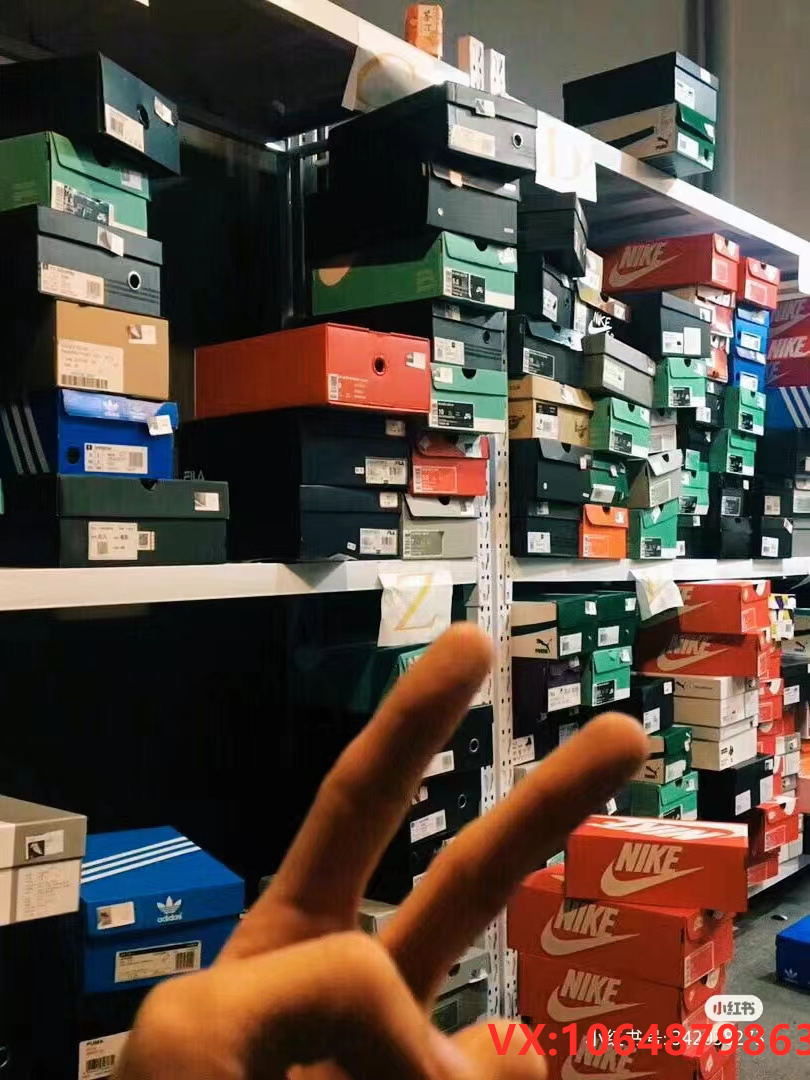
When you step onto the street level of Anfu, you will see rows of shops packed with boxes. Some look like official brand stores, but most are just small stalls selling whatever is hot right now. If you are looking for authentic leather goods, do not expect to find them labeled as such in the main aisles. That is the first rule of buying in Putian: nothing is ever advertised as "fake." Everything is sold as "original quality" or "factory direct."
I remember a buyer from Germany last month who walked in demanding to see "genuine cowhide only." He was shocked when I showed him a pair of sneakers that felt soft and smelled like leather, only to explain that we were using premium synthetic blends that mimic the texture perfectly. In this market, the line between "real" and "high-quality imitation" is blurred by design. You cannot rely on the label or the box. You have to rely on your hands and your nose.
Smell Test: The First Line of Defense
Let's start with the basics. Real leather has a distinct, earthy, slightly musky scent. It does not smell like plastic or chemicals. When you open a box in my shop, bring the shoe close to your nose. If it smells sharp, like glue or rubber, it is likely a synthetic material, even if it looks perfect. However, be careful. Some factories treat their synthetic leather with oils to give it a "leather-like" smell. This is why the smell test alone is not enough, but it is a good starting point.
The Touch and Flexibility Check
This is where experience matters. Take a pair of shoes and press your thumb into the upper material. Real leather should yield slightly under pressure and then bounce back slowly. It feels warm and alive. Synthetic materials often feel cooler to the touch and might feel stiff or plasticky. Try to bend the toe box. Genuine leather creases naturally, creating fine lines. Fake leather tends to crease in large, unnatural folds or cracks immediately. I show this trick to all my regular clients because it works 90% of the time.
Navigating the Supply Chain: What Sellers Won't Tell You
Many foreigners come to Putian thinking they can buy "authentic" leather at wholesale prices. They don't understand the ecosystem here. We have different tiers of production. There are the low-end factories making cheap PU leather, the mid-range ones using better synthetics, and the top-tier workshops that actually use real hides for specific models. If you are looking for the latter, you need to know which vendors to approach.
You cannot just walk up to any stall and ask for real leather. Most standard vendors will lie to you to make a quick sale. You need to build a relationship. Go to the same shop three times. Buy a small batch first. once I trust you, I will show you the "secret room" where we keep the samples made with actual Italian or Brazilian cowhide. These are usually reserved for our VIP clients who order in bulk. If a seller refuses to show you samples or insists on shipping everything without inspection, run away.
Asking the Right Questions about Materials
Do not just ask, "Is this real leather?" Instead, ask specific questions like, "What grade of hide is this?" or "Is this full-grain or corrected grain?" A knowledgeable vendor will hesitate if they are selling fake leather because they know you are testing them. If they confidently say, "This is top-grade calfskin," and then show you a sample that feels like plastic, you know they are bluffing. In the Amoy area, we talk about "microfiber" versus "genuine hide." Microfiber is great, but it is not real leather. Be clear about what you want before you negotiate.
Practical Inspection Tips for Overseas Buyers
When you are physically here, inspecting the goods is non-negotiable. Do not rely on photos sent via WhatsApp. Those images are often edited to hide flaws. Bring a magnifying glass if you have one. Look at the pores. Real leather has irregular pores that vary in size and shape. Synthetic leather often has a repeating pattern or looks too uniform under close inspection. Also, check the cut edges. If you look at the side of the shoe where the material is cut, real leather shows a fibrous layer inside. Plastic or foam cores are dead giveaways.
Another trick is the water test. Drop a tiny bit of water on an inconspicuous area. Real leather absorbs water quickly and darkens slightly. Synthetic materials tend to bead up or sit on the surface. Of course, do not ruin the shoe with too much water, just a drop is enough. These are the kinds of details that separate a smart buyer from a tourist who gets scammed.
Avoiding Scams and Building Trust
The biggest mistake foreign buyers make is trying to get a deal that is too good to be true. If someone offers you "real leather" for $15 per pair, it is a scam. Real leather costs money. The raw material, the tanning process, and the skilled labor add up. In Putian, pricing reflects quality. If you want genuine leather, you must be willing to pay a premium price compared to the standard replica rates.
Always insist on seeing the product before payment. Use a secure escrow service if you are ordering online, but if you are here, hold the cash until you have inspected the entire batch. I have seen many buyers lose money because they trusted a photo instead of their own eyes. My advice is to hire a local agent if you do not speak the language well. We have agents who know the difference between a "top copy" and "real leather" and can save you from wasting your time and money.
Final Thoughts on Sourcing Quality Footwear
Buying shoes in Putian is an adventure, but it requires patience and knowledge. The market is vast, and the variety is endless. Whether you are looking for "Putian high quality sneakers" or specifically hunting for "genuine leather athletic shoes," the key is to go slow. Don't rush the deal. Talk to multiple vendors. Compare the textures. Smell the materials. And remember, in this business, trust is built over time, not in a single transaction.
If you follow these steps, you will find that sourcing from China is not as risky as people think. You just need to know how to navigate the maze. Come to Anfu, talk to us, and learn the ropes. We are here to help you find the best products, whether they are real leather or the highest quality imitations. Just be honest about what you want, and we will be honest about what we can provide.