
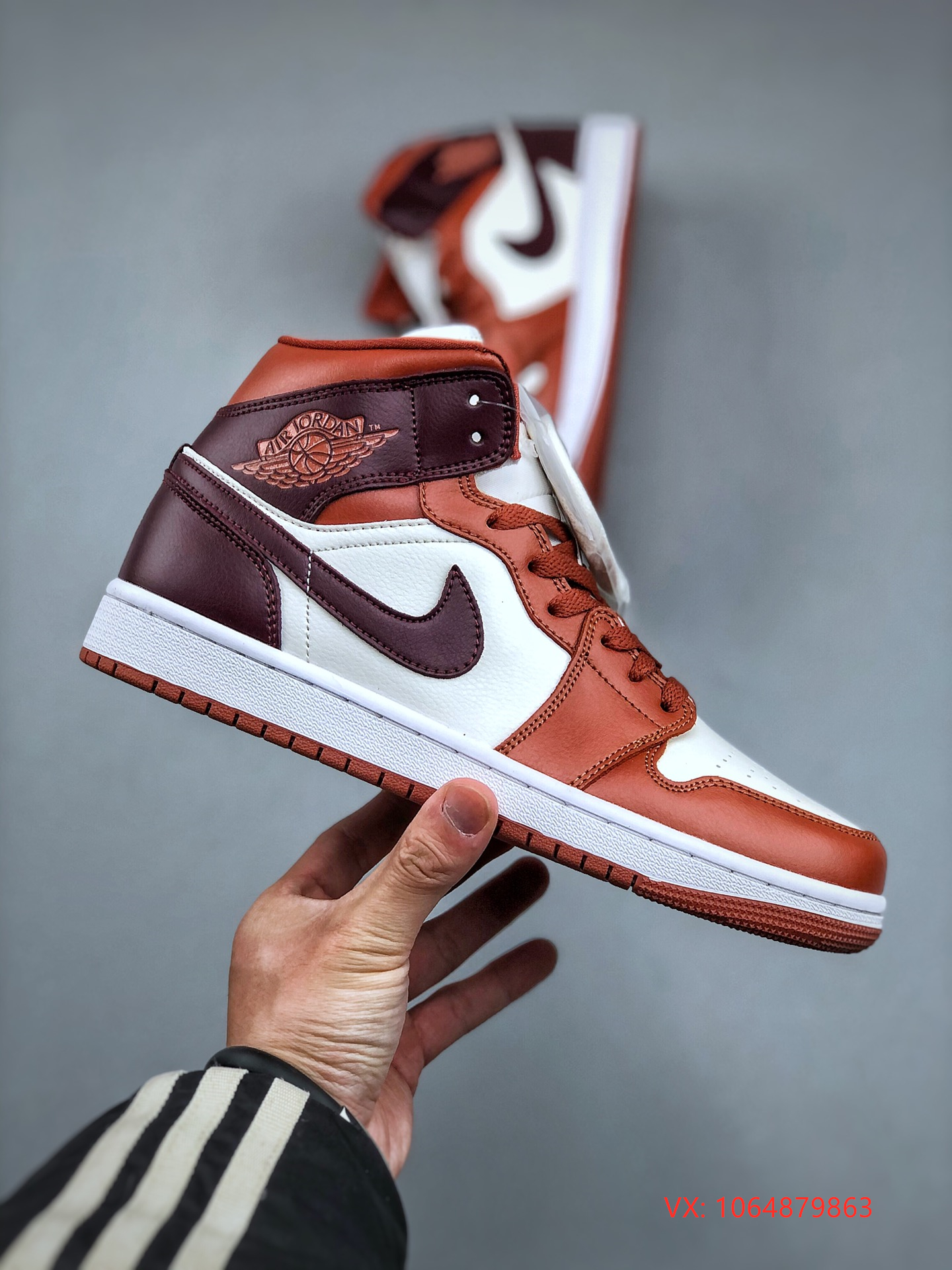
Why You See "Putian Shoes" on JD.com: A Veteran's Honest Take
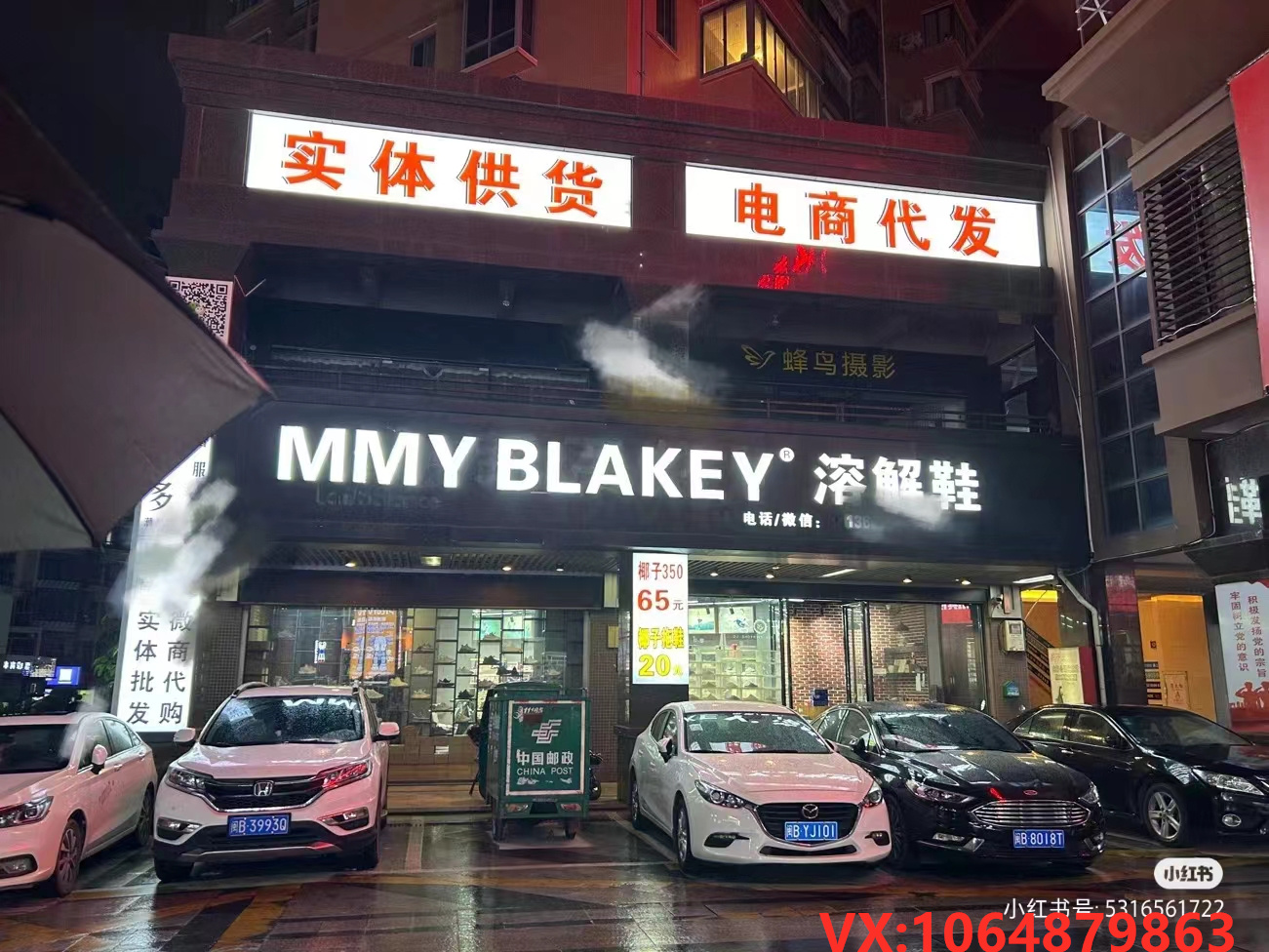
I've been standing in the Anfu E-commerce City for over fifteen years. While you might be scrolling through JD.com and seeing listings that claim to be authentic, or perhaps wondering why your friends in China are buying what they call "high-quality replicas" from major platforms, let me tell you something straight from the floor of the market. The presence of these shoes on a giant platform like JD is not a glitch; it is a complex ecosystem of supply chains, branding strategies, and sometimes, just plain old confusion.
When I first started back in 2008, we didn't have JD.com dominating the conversation. We had physical stalls, cash transactions, and face-to-face negotiations. Today, the landscape has shifted. Many sellers who used to rely solely on walk-in customers now list their goods online to reach a broader audience. However, the term "Putian shoes" often carries a stigma abroad, but here in Fujian, it represents a massive industrial hub capable of producing footwear that rivals the big brands in terms of materials and craftsmanship. The question isn't really why they are there, but how they navigate the strict rules of e-commerce giants while maintaining their reputation.
The Reality of online Listings vs. Physical Market
The JD Paradox and Branding Loopholes
You might ask, "If Putian makes replicas, why doesn't JD ban them immediately?" The answer lies in the gray area of product descriptions. Sellers on JD often use generic terms or focus on the "quality" aspect rather than explicitly stating "fake Nike." They might list a shoe as a "custom design" or highlight the "same factory materials" without mentioning the brand logo directly in the title. This allows them to bypass automated filters initially. As a local boss, I see this daily. My clients often come to me asking, "Can I find these on JD?" and I tell them, "Yes, but you need to know what to look for."
Many of these listings are actually dro-shipped from our warehouses. A seller in Beijing might list a pair of sneakers on JD, but when an order comes in, they simply forward the details to my warehouse in Anfu. We pack the box, slap on a label, and ship it out. This creates a disconnect between the buyer's expectation and the reality of the product. The buyer thinks they are getting a direct deal from a manufacturer, but they are actually paying a markup to a middleman who is just reselling what we make.
What Foreign Buyers Actually Need to Know
Navigating the Supply Chain from Abroad
For foreign buyers looking for sources, relying solely on JD is risky. The platform is designed for domestic consumers, and the customer service language is Mandarin. If you try to negotiate prices or ask for specific customization, you will hit a wall. In the real world of the Anfu market, negotiation is everything. When I meet a new client, whether they are from the US, Europe, or Southeast Asia, we don't talk about fixed prices on a screen. We sit down, look at the leather, feel the sole, and discuss the mold costs.
If you are serious about sourcing high-end replicas, you need to understand the tiers of quality. There are the "low copies" sold on some discount sites, which are easy to spot. Then there are the "top tier" versions that use the same molds and rubber compounds as the original factories. These are the ones that end up on JD under different names. But if you want the best, you must go beyond the app. You need to connect with the actual suppliers who control the production lines. That is wher the real value lies.
On-the-Ground Sourcing: The Anfu Experience
Inspection, Verification, and Building Trust
Let me walk you through what happens when a serious buyer visits my shop. It starts with the inspection. In the market, we don't sell blind boxes. We show you the sample, then we show you the bulk stock. You can check the stitching density, the glue smell, and the flexibility of the midsole. On JD, you only get photos and videos, which can be edited or stolen from other sellers. Here, you touch the product. This is crucial for avoiding scams.
once you decide on a model, we move to the negotiation phase. I don't give you a price tag. I give you a quote based on your order volume. If you buy fifty pairs, the price changes. If you buy five hundred, it changes again. This flexibility is impossible on a standard e-commerce site. We also handle the packaging. Some buyers want the original box, others want plain boxes to save on shipping costs. We customize everything. After payment, we do a final quality check before shipping. We take photos of every single pair, showing the serial numbers and any minor defects, so you know exactly what you are getting.
Avoiding Pitfalls and Finding the Right Partner
Red Flags and How to Spot Them
There are many pitfalls for those trying to source from China without local knowledge. One common mistake is trusting a seller who claims to be a "factory owner" but refuses to video chat or show their workshop. In Anfu, the factories are open. You can walk around, see the machines running, and meet the workers. If someone hides behind a website, run. Another red flag is the promise of "100% authentic" at a fraction of the retail price. No legitimate factory sells fakes as originals. Be honest about what you want.
Also, be wary of the "JD guarantee." Just because a product is on a major platform doesn't mean it meets international standards. Returns can be a nightmare for cross-border buyers due to customs and shipping fees. Working directly with a local supplier like me eliminates this risk. We handle the logistics, the customs declaration, and ensure the package arrives safely. We build long-term relationships, not one-off transactions. If you are looking for reliable Putian shoe suppliers, remember that trust is built on transparency and face-to-face interaction, not just a click of a button.

 On-site Visits
 Free Sharing
 Avoid Scams
 Updated Frequently
 For Reference Only