
My Years in the Market: Wher to Actually Find the Real Goods
Welcome to my shop. I have been standing behind this counter in the Anfu area for over fifteen years, watching the crowds come and go, from local wholesalers to those curious foreigners who finally decide to make the trip. You are probably asking yourself, "Wher is the concentration of Putian shoes?" The honest answer isn't a single street name you can find on a generic map app. It is a sprawling ecosystem that has evolved from small workshops into a massive industrial complex. If you are an overseas buyer looking for sources, stop searching for a specific "Putian Shoe Street" because it doesn't exist as one monolithic entity anymore. The real action is concentrated in the Anfu E-Commerce City, but the supply chain extends far beyond its walls.
The Heart of the Beast: Anfu E-Commerce City
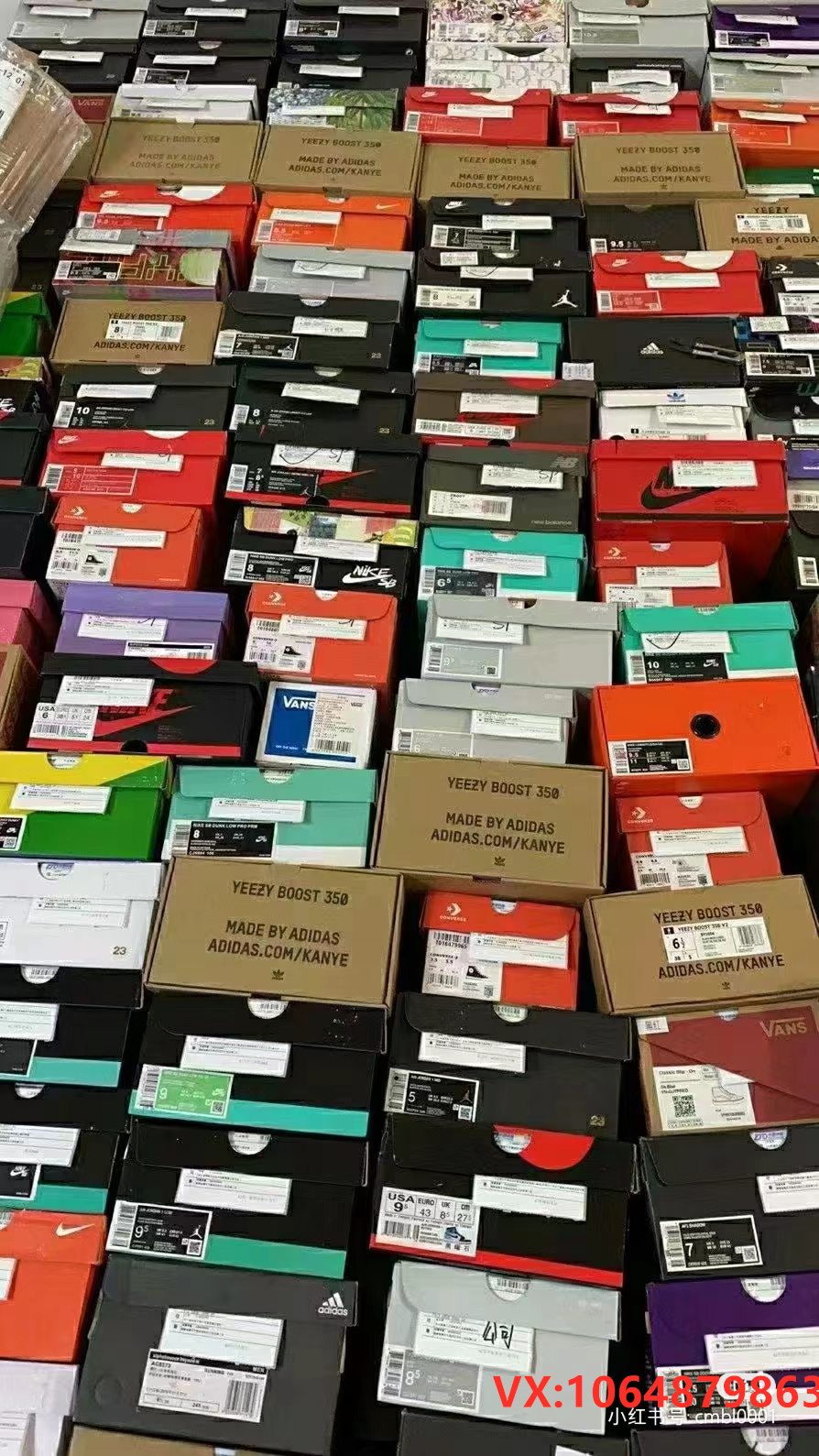
When people ask me wher to go first, I always point them to the Anfu E-Commerce City. This is the nerve center. It is not just a building; it is a maze of corridors filled with the smell of glue, rubber, and fresh leather. For foreign buyers, this is wher the magic happens if you know how to navigate it. The ground floor is mostly for retail and quick transactions, often selling lower-tier replicas to unsuspecting tourists. But if you want to talk business, you need to head upstairs or look for the back entrances. This is wher the serious wholesale shops are hiding. They don't put their best stock in the front windows. You have to knock on doors, ask for the manager, and show some seriousness. The density here is incredible. Within a few hundred meters, you can find hundreds of suppliers specializing in different brands, from Jordan to Yeezy, all under one roof.
Beyond Anfu: The Hidden Workshops in Xuefeng
However, relying solely on Anfu is a mistake many new buyers make. While Anfu is great for seeing finished products and negotiating prices, the actual production and higher-end sourcing often happen in the surrounding villages, particularly in the Xuefeng area. Many of the top-tier factories do not maintain flashy storefronts in the main commercial district. Instead, they operate out of residential buildings or industrial parks nearby. As a local owner, I tell my international clients that if you want to see the "top version" or the highest quality materials, you need to take a short taxi ride away from the noise of Anfu. These locations are less crowded, quieter, and offer a more direct line to the source. Here, you aren't just buying from a middleman; you might be talking directly to someone who manages the production line. This proximity allows for better customization and deeper discussions about mold development and material sourcing.
How to Navigate the Physical Market Like a Pro
Walking into these markets without a plan is like walking into a casino without chips. You will get lost, overcharged, or worse, scammed. Havin spent decades dealing with both locals and foreigners, I have seen every trick in the book. Let me share some practical advice on how to handle your physical visit effectively.
First Impressions and Finding the Right Stall
When you arrive at Anfu, ignore the bright neon signs shouting "Best Quality" or "Factory Direct." Those are often traps designed to catch walk-in customers who don't know better. Look for the stalls that look slightly worn, wher the owners are busy packing boxes or talking on the phone rather than waving at passersby. These are the ones doing real volume. When you approach a stall, do not start by asking for the price immediately. Ask to see their latest batch. A genuine wholesaler will be happy to show you their inventory. If they hesitate or try to rush you out, move on. The key is to build a rapport. In our culture, business is built on trust, even in a market full of competition. Show interest in their specific models, ask about the sole material, and mention that you are planning a larger order. This signals that you are a serious buyer, not just a window shopper.
Inspection and Quality Control on the Spot
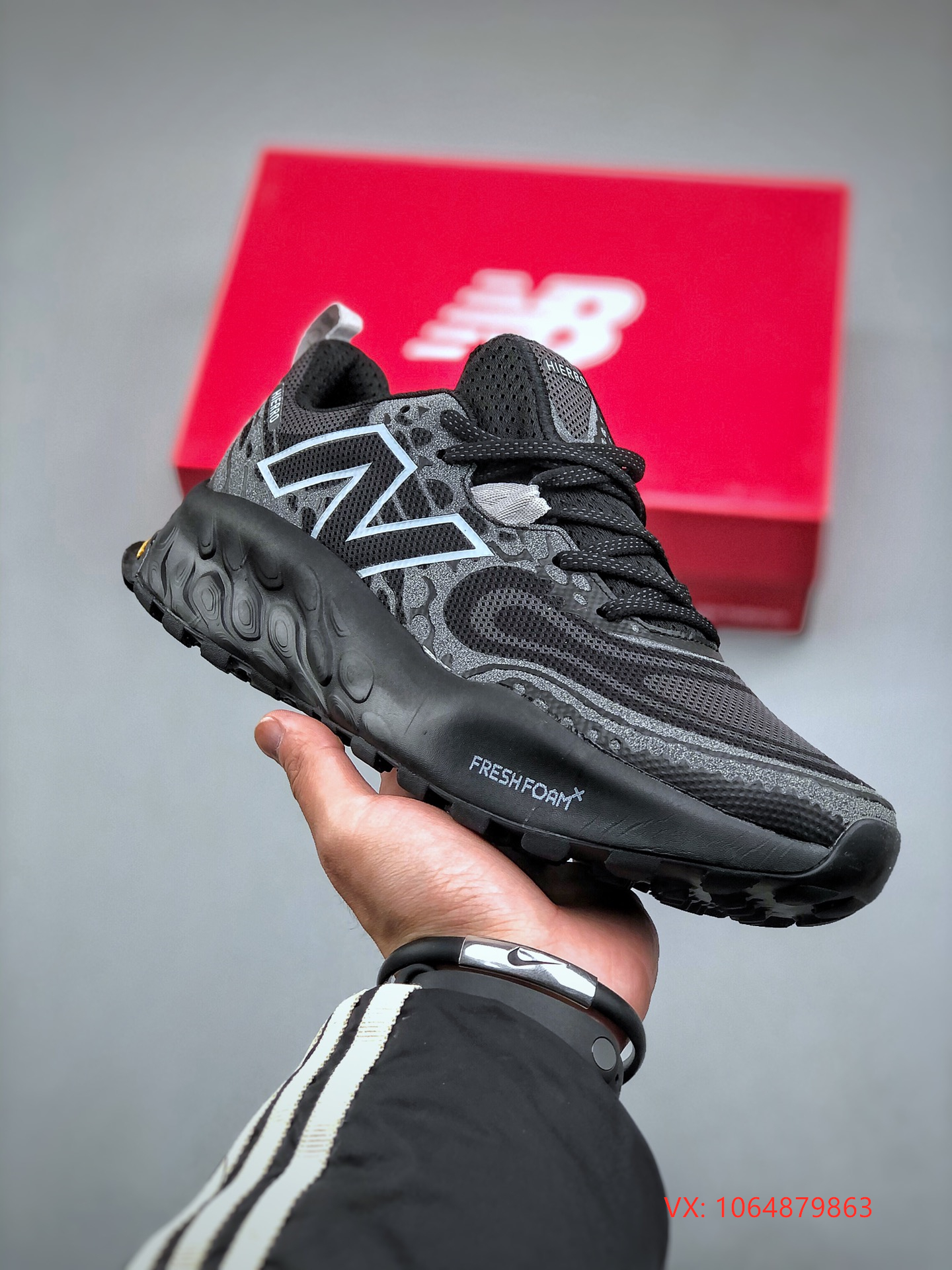
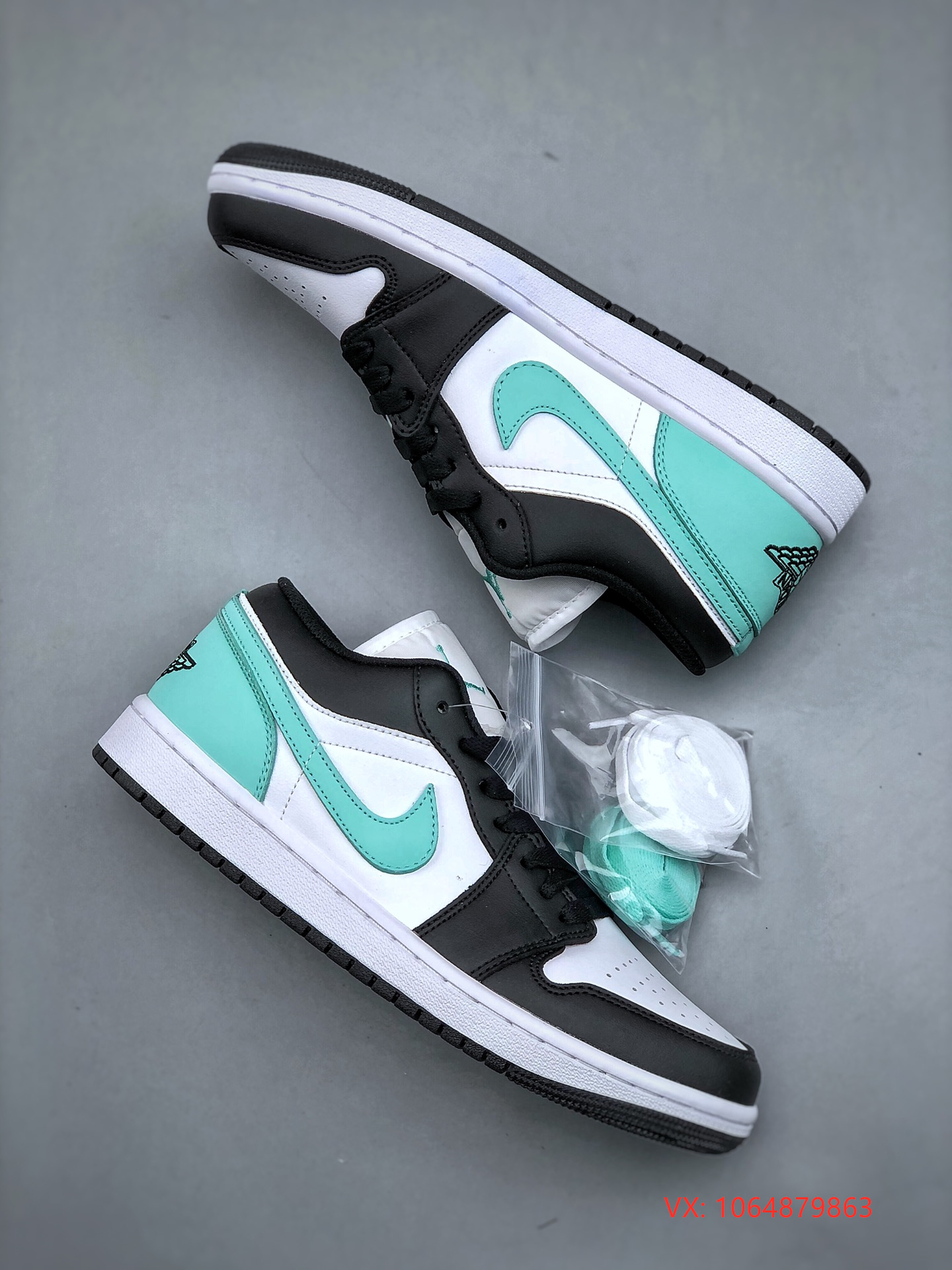
This is the most critical part of your trip. Do not rely on photos sent via WeChat. You must inspect the goods with your own eyes. When you are at the stall, pick up the shoe and feel the weight. Check the stitching lines; they should be tight and uniform. Look at the glue marks; high-quality versions have minimal glue residue, while cheap ones are messy. Pay attention to the box and the tags. In Putian, the packaging is almost as important as the shoe itself. If you are sourcing for resale, the unboxing experience matters. Also, check the midsole foam. Squeeze it. Does it bounce back quickly? Is it too hard? This tells you a lot about the comfort and durability. Don't be afraid to compare multiple stalls side-by-side. Bring a friend or hire a local guide if you are worried about language barriers, but remember, the best guide is your own observation skills.
Negotiating and Avoiding Common Pitfalls
once you have found the right supplier and verified the quality, the negotiation begins. This is wher many foreigners stumble because they try to use Western bargaining tactics which don't always work here.
The Art of the Deal
In Putian, pricing is fluid. The initial quote is rarely the final price. However, do not try to drive the price down to zero. That insults the seller and ends the conversation instantly. Instead, focus on volume. Tell them clearly how many pairs you intend to buy per month or per season. Offer to pay a deposit upfront to secure the price. If you are looking for a long-term partnership, emphasize stability over the lowest possible unit cost. Suppliers in Anfu prefer steady orders over one-off deals. Be firm but polite. Use simple English or bring a translator if needed. Never agree to a deal without writing it down, even if it is just a simple note on a piece of paper. Clarify shipping terms, return policies for defective items, and the timeline for production. Ambiguity is the enemy of good business.
Red Flags to Watch Out For
There are several pitfalls that can ruin your sourcing trip. First, avoid anyone who promises "100% perfect" quality for a rock-bottom price. There is no such thing as a free lunch in manufacturing. If the price seems too good to be true, it is a scam or a low-quality product. Second, be wary of sellers who refuse to let you see the actual stock before payment. They might show you a sample but send you something completely different later. Third, never transfer money through unofficial channels without a contract. Always use a secure method that offers some protection. Finally, be careful about intellectual property issues. While we are discussing the reality of the market, remember that importing counterfeit goods carries legal risks in many countries. Ensure you understand the laws in your destination country before placing large orders. My advice is always to focus on building a relationship with a reliable partner who understands your needs and respects your boundaries.
As you leave the bustling streets of Anfu and the quiet workshops of Xuefeng, remember that finding the right source in Putian is about patience, observation, and building trust. The market is vast, but the opportunities are there for those who know how to look. Whether you are a seasoned importer or a first-time buyer, the key is to stay grounded, verify everything, and treat every interaction as a potential long-term partnership. The shoes are everywher, but the right partners are rare. Take your time, explore the alleys, and you will find exactly what you are looking for.


 On-site Visits
 Free Sharing
 Avoid Scams
 Updated Frequently
 For Reference Only