
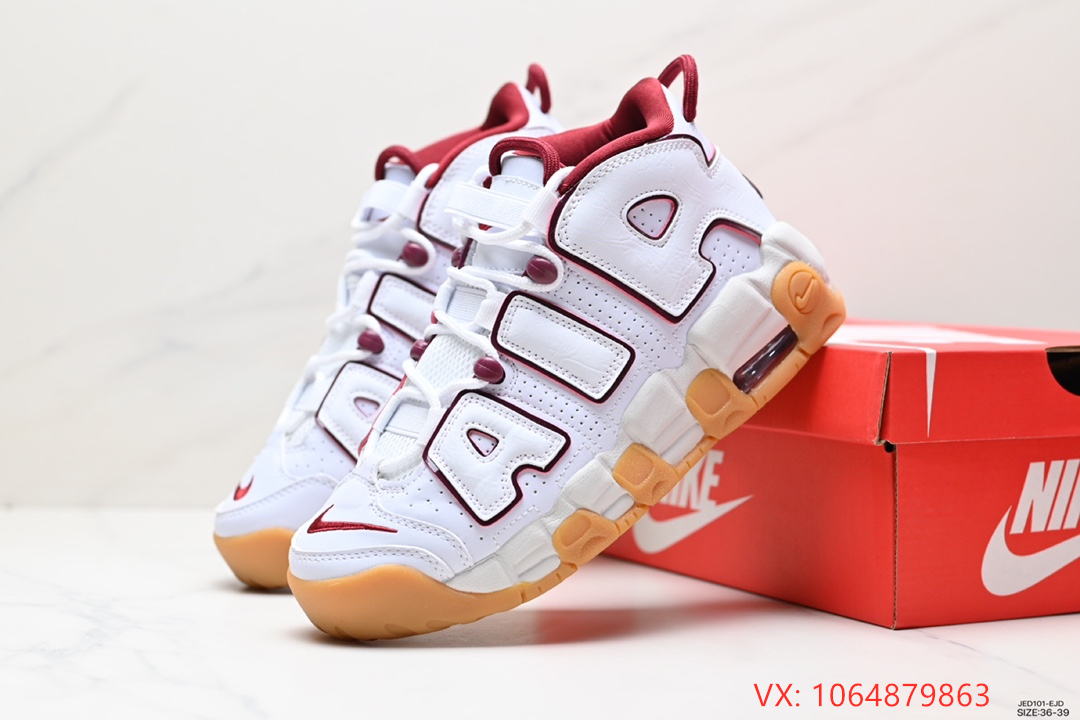
Inside the Anfu Market: How Real Sneakers Are Made in Putian
Welcome to my shop. I've been standing behind this counter in the Anfu E-Commerce City for over fifteen years, watching the market evolve from a chaotic pile of boxes to a sophisticated global supply chain. You are probably asking, "How do they actually make these shoes in Putian?" or "Wher can I find the real deal without getting scammed?" Let me tell you something straight: there is no magic factory that prints logos on demand. What you see here is a highly specialized ecosystem of craftsmanship, mold engineering, and ruthless cost control.
The Anatomy of a "Grade A" Mold
When foreign buyers ask about the manufacturing process, they often think it starts with raw rubber. It doesn't. The soul of a Putian sneaker lies in the mold. We don't just copy; we reverse-engineer. When a new Air Jordan 1 or Yeezy dros in New York, our master mold makers in the nearby Xixia Industrial Zone have the physical pair within 48 hours. They use high-precision CNC machines to carve the sole molds down to the micron. This is why you hear terms like "top version" or "1:1 replica." It's not marketing fluff; it's about the geometry of the outsole tread pattern matching the original exactly. If the mold is off by two millimeters, the shoe won't sit right on the foot, and the customer will return it. In my experience, the difference between a $50 shoe and a $60 shoe isn't the brand logo; it's the density of the foam used in the midsole mold.
Material Sourcing: The Hidden Supply Chain
You might wonder wher the leather comes from. Most of the premium PU and genuine leather we use doesn't come from China's mainland factories alone. Many of our top-tier suppliers source materials from Fujian's neighboring provinces or even import specific textiles from Vietnam and Indonesia. Here is a hard truth: if you want "high quality," you cannot buy the cheapest material. In the back alleys of Anfu, you will find shops selling "fake Nike" made with cheap, stiff plastic that cracks after three days. But in the main buildings like Building 1 and Building 3, the serious vendors source from the same factories that supply big brands before the orders get cancelled. They call it "overrun stock" or "leftover fabric." Using this material allows us to keep costs low while maintaining durability. I once had a client from Germany who insisted on using the absolute cheapest mesh. He lost his entire deposit because the shoes fell apart during a single shipping test. Don't be that guy.
Navigating the Physical Market: A Buyer's Guide
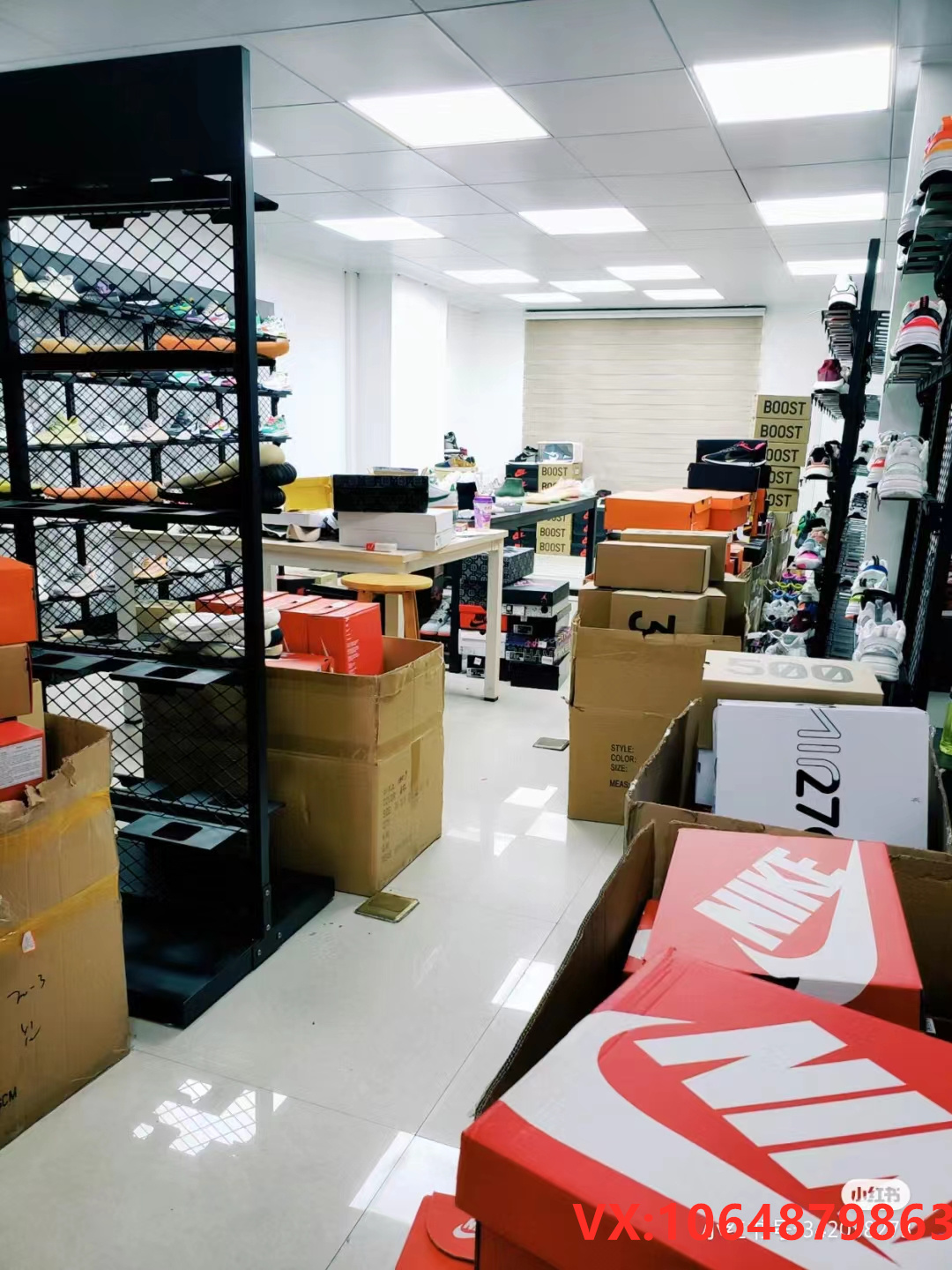
Many foreigners try to order online via Alibaba or WeChat without ever seeing the product. That is a recipe for disaster. The only way to truly understand the quality is to walk the floor. Let me walk you through what happens when I take a new buyer around the market.
Location Matters: Wher to Find the Best Goods
Anfu E-Commerce City is massive, but not all floors are created equal. If you are looking for entry-level goods, you can go to the lower levels of Building 2, but if you want the "top tier" that passes inspection, you need to head to the upper floors of Building 1 and Building 4. Specifically, look for the shops near the central atrium. These are the established players who rely on repeat business. For example, the shop at Anfu Building 3, Floor 2, Unit 305 (let's call them "Golden Sole") has been operating for ten years. They specialize in Jordan retros and have their own QC team. Another reliable spot is "Elite Kicks" in Building 4, Floor 3. They are known for their strict quality control on the stitching of the toe box. If you visit these places, you aren't just buying a shoe; you are building a relationship with a supplier who knows your standards.
The Art of Inspection: What I Look For
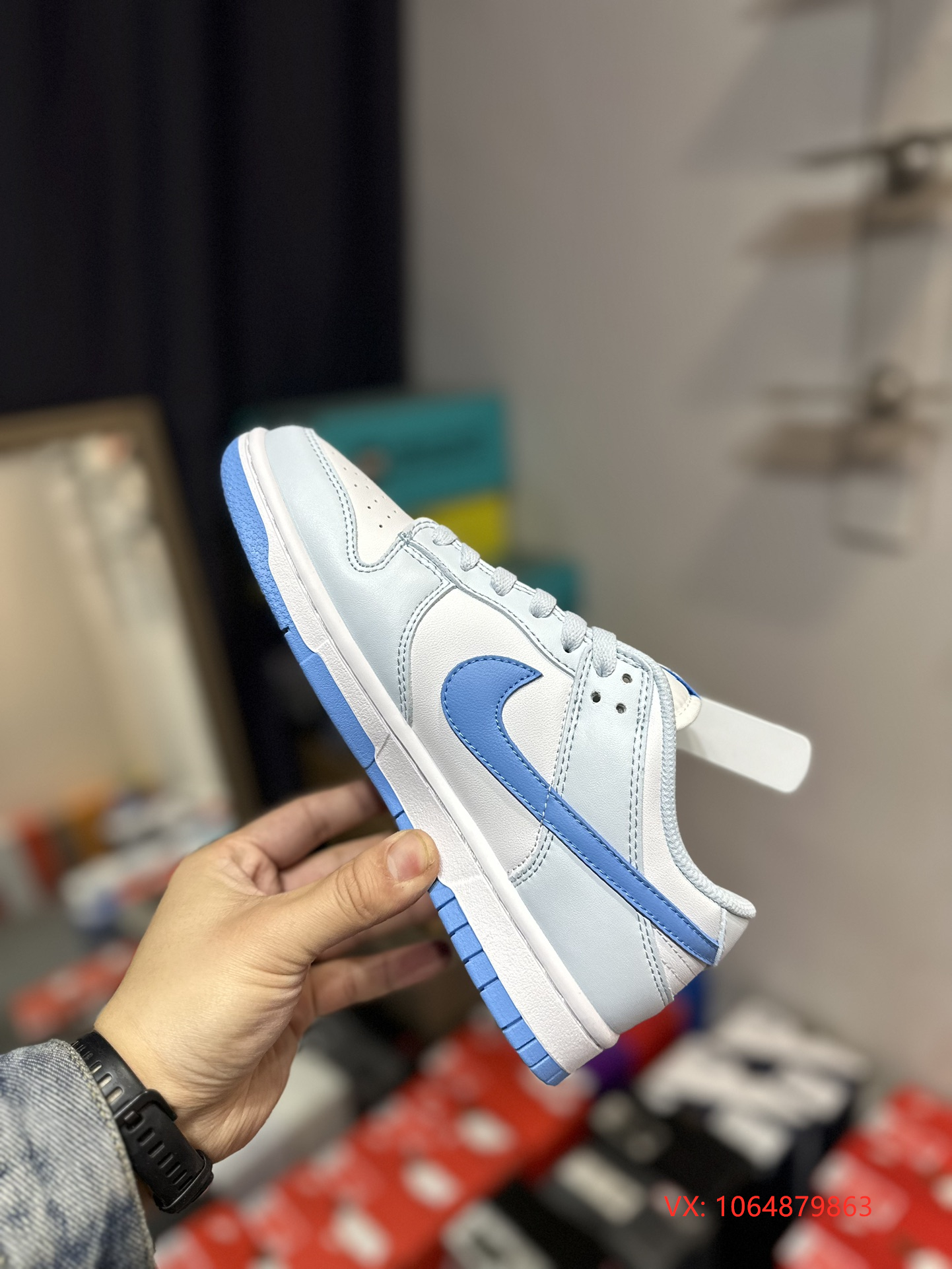
When I inspect a batch for a client, I don't just look at the outside. I check the glue lines. A good Putian shoe should have invisible glue seams. If you can see yellowish glue residue, it's a sign of rushed production. I also press the midsole. High-quality EVA foam should bounce back instantly. Cheap foam feels spongy and stays depressed. Another critical check is the tongue padding. In the "premium" category, the tongue should be thick enough to prevent blisters. I remember one time a buyer ordered 500 pairs of Yeezy 350s. The photos looked perfect, but when I opened the box, the heel tab was glued crookedly. I rejected the shipment immediately. My rule is simple: never pay more than 30% upfront unless you have visited the factory or the showroom personally.
Dealing with Suppliers: Negotiation and Pitfalls
Let's talk about money and trust. The biggest mistake foreign buyers make is trying to negotiate the price too aggressively. In Putian, margins are thin. If you push for a price that is 20% below market rate, you are guaranteed to get a subpar product. The vendors know their costs. Instead of haggling on price, haggle on volume and payment terms. If you commit to an order of 1,000 pairs, you can often get better pricing and priority production slots. Also, always ask for a video call inspection before shipping. I have a WhatsApp group with about 20 trusted vendors. When a new batch arrives, I get live videos showing the inside of the box, the sole texture, and the packaging. This transparency saves thousands of dollars in potential losses.
Avoiding the "Fake Factory" Scam
There are many scams targeting international buyers. Some agents claim to represent a "Nike Factory" but are actually just middlemen reselling low-quality goods. Be wary of anyone who promises "100% authentic" products at wholesale prices. That is impossible. The best strategy is to focus on "high quality replicas" or "unbranded versions" if you are worried about legal issues, but be honest with your customers. Never lie about the origin. If you sell a fake as real, your reputation is dead. In the long run, honesty builds a stronger brand than deception. I have seen many businesses fail because they tried to pass off $20 shoes as $200 originals. My advice? Stick to the "top version" market wher the quality speaks for itself.
Summary of Key Takeaways for Buyers
| Factor | What to Watch For | My Recommendation |
|---|---|---|
| Mold Quality | Sole tread depth and symmetry | Visit Building 1 & 3 for top molds |
| Materials | Leather grain and foam density | Avoid the cheapest options; ask for "overrun" |
| Inspection | Glue lines and stitching alignment | Request video calls before final payment |
| Pricing | Too good to be true = scam | Negotiate volume, not rock-bottom prices |
Building a successful sourcing operation in Putian requires patience, local knowledge, and a willingness to learn the trade. The market is dynamic, and trends change fast. But if you follow the rules, build relationships with the right vendors, and prioritize quality over speed, you can find some of the most competitive footwear in the world. Remember, I am just one old shop owner sharing my story, but the lessons I learned over 15 years are worth their weight in gold. Go to Anfu, touch the shoes, and trust your eyes, not just the pictures.

 On-site Visits
 Free Sharing
 Avoid Scams
 Updated Frequently
 For Reference Only