
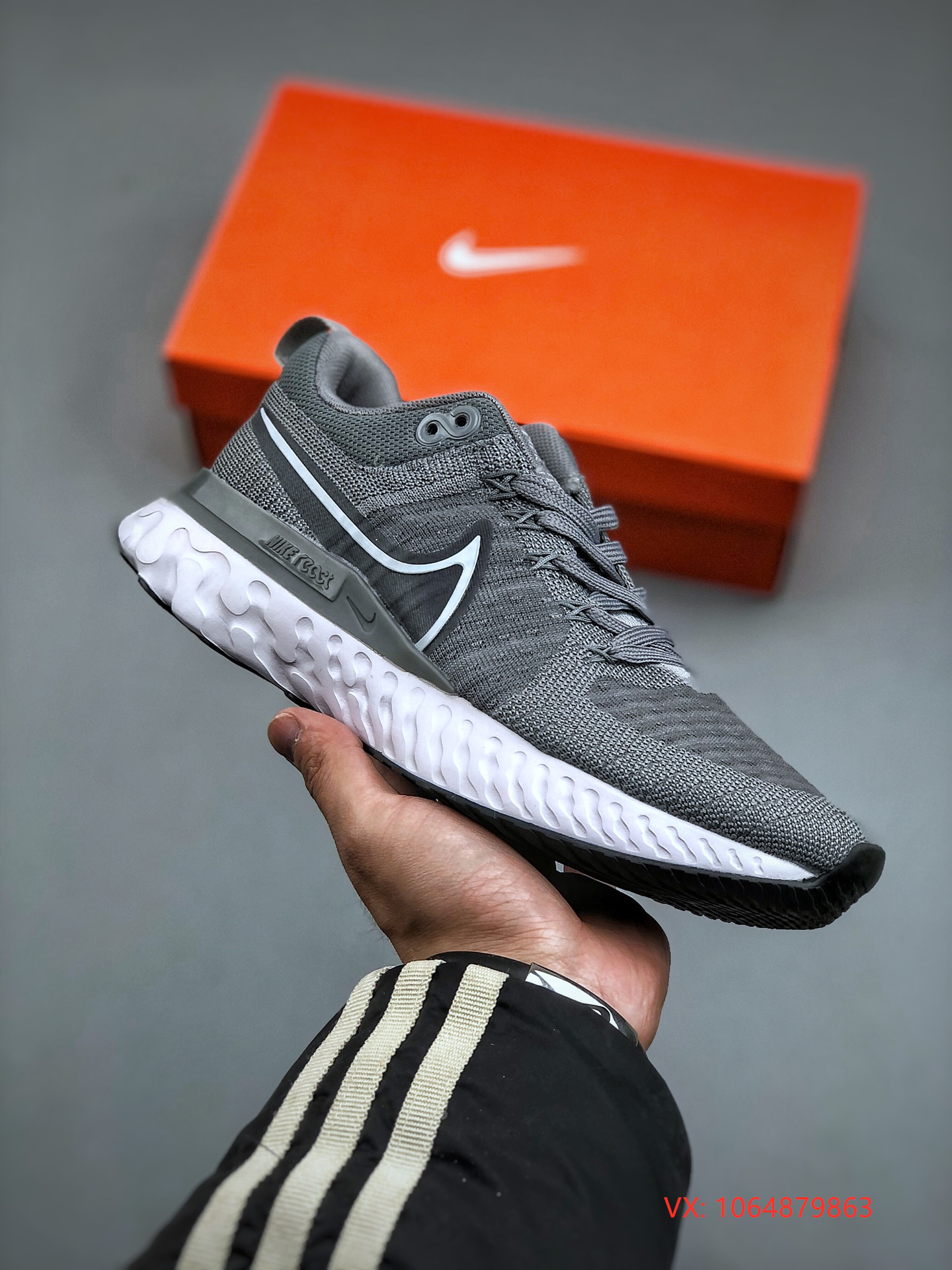
Why Foreign Buyers Keep Coming Back to My Anfu Market Stall
I've been standing behind this counter in the Anfu E-Commerce City for over fifteen years. While the internet is flooded with generic guides about "Chinese shoe quality," most of them are written by people who have never stepped foot on the concrete floor of Putian. They talk about factories and supply chains from a distance, but they don't know the smell of glue in the morning rush or the specific tension between a factory owner and a middleman. If you are an overseas buyer looking for high-quality sneakers, let me tell you something: the quality isn't just about the materials; it's about who you are talking to.
When I first started dealing with foreign clients, many came expecting magic. They wanted $50 shoes that looked exactly like the $200 retail versions. The reality is, the "quality" in Putian varies wildly depending on which building you enter and which stall you visit. We aren't selling fakes in the traditional sense anymore; we are producing what the industry calls "high-copy" or "1:1 replicas." But here is the truth that no one tells you: the best quality comes from the same production lines as the big brands, often using the exact same molds and raw materials, just without the logo tax.
The Reality of Sourcing at Anfu E-Commerce City
Navigating the Physical Market vs. online Listings
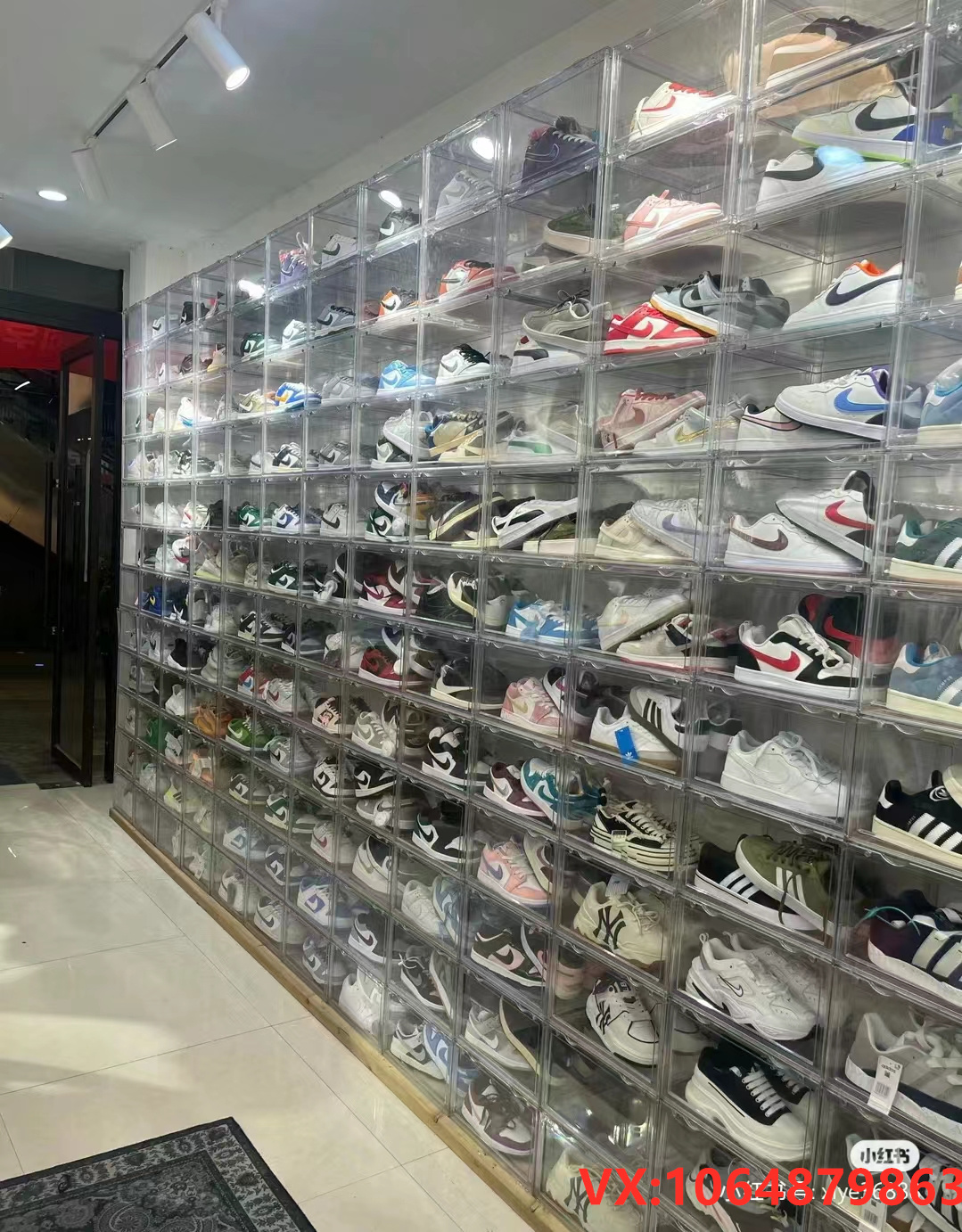
Most foreigners try to source via Alibaba or WhatsApp groups before ever visiting. This is wher 90% of them get burned. You will see photos of perfect shoes, but when the sample arrives, the leather feels like plastic and the sole is too hard. In my experience, the only way to verify true quality is to walk the floors of Anfu. The market is a maze of buildings, each specializing in different tiers. Building A might be full of low-end knockoffs, while Building C houses the top-tier workshops that supply the "god tier" markets.
When you walk into a legitimate stall, you won't find a fancy showroom. You'll find stacks of boxes, workers stitching nearby, and a manager who speaks broken English but knows every detail of the shoe's construction. I always tell my clients: ask to see the "raw material samples." Show me the foam block, show me the rubber compound. If they hesitate, run. At my stall, we keep these samples right on the counter because we know our quality holds up under scrutiny.
How to Spot Quality: A Veteran's Checklist
Material Inspection and Craftsmanship Details
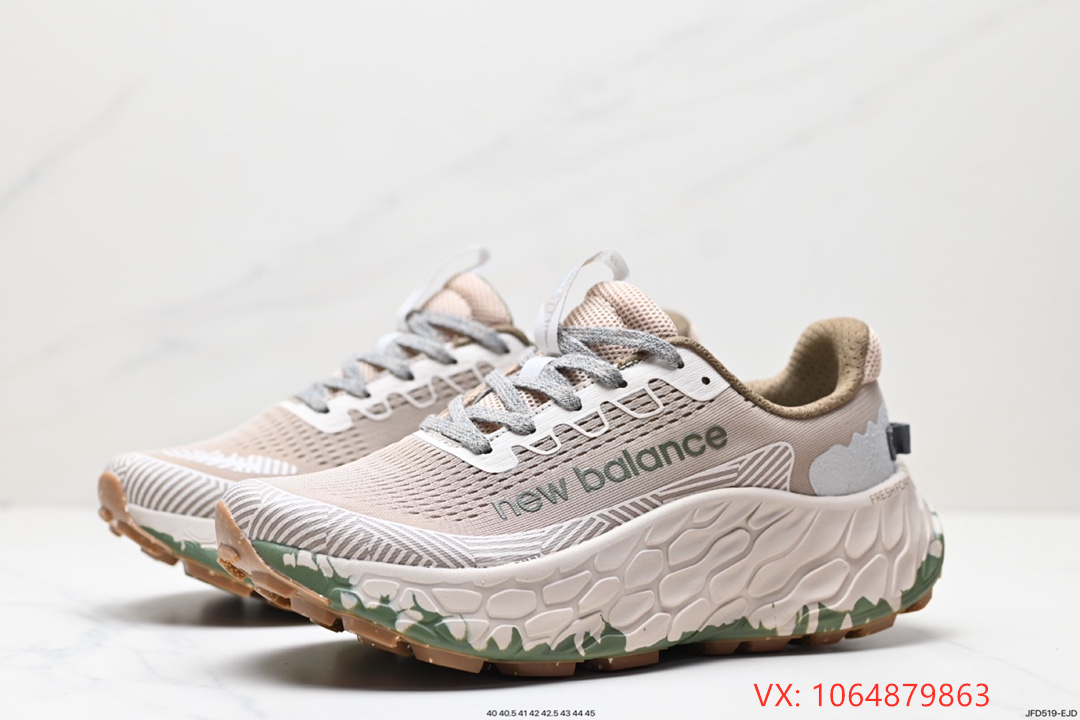
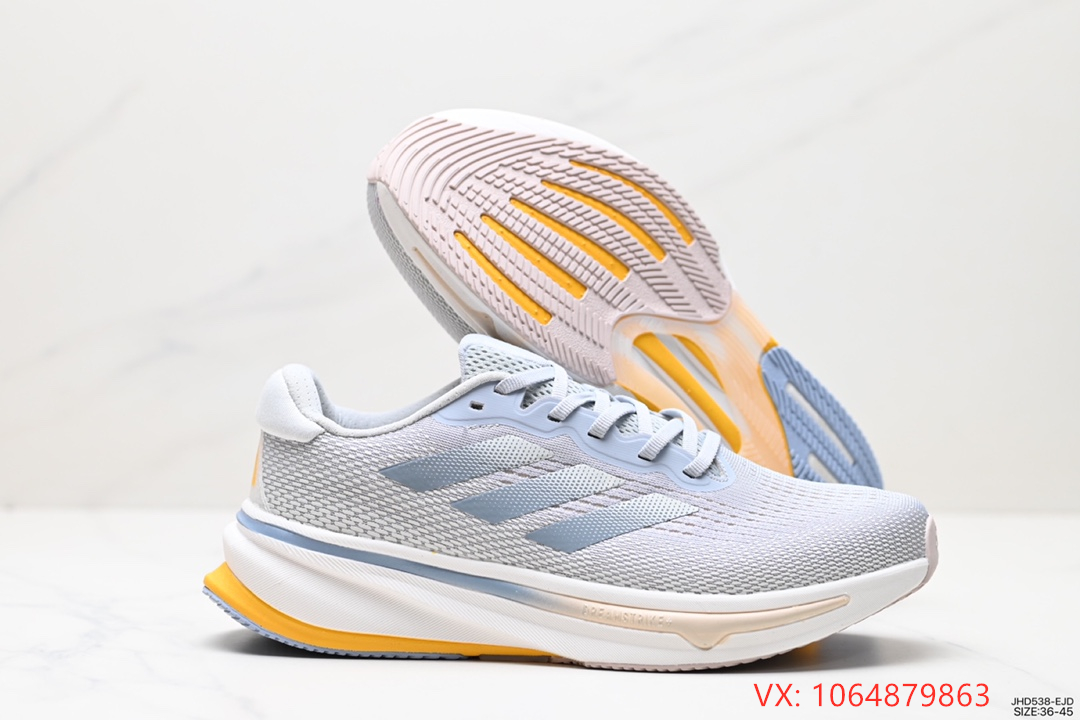
Let's talk about the actual quality metrics that separate the good from the bad. First, look at the upper material. High-quality Putian shoes use genuine kangaroo leather or premium knit materials that match the breathability and texture of the original brand. Cheap versions use synthetic PU that cracks after a week. Second, check the midsole. The density of the EVA foam is critical. If you press it and it doesn't bounce back quickly, it's not going to provide the cushioning you expect. We use the same injection molding machines as the major factories, so the density is identical.
Third, the stitching. This is wher the "god tier" makers shine. Look for straight, consistent stitches with no loose threads. The glue application should be invisible. If you can see excess glue on the side of the sole, that's a sign of a rushed, low-quality batch. I remember a time a client ordered 500 pairs based on a photo. When they arrived, the glue was visible. They lost thousands. That's why I insist on video calls wher we zoom in on the stitching and the sole pattern before you pay.
Real data: Price vs. Quality Tiers
To give you a clear picture, let's break down the pricing structure I see daily. There are three main tiers in the market:
- Low Tier (Market Grade): These cost around $25-$35. They look okay from a distance but fail within months. The sole separates easily, and the color fades. Avoid these if you want reputation.
- Mid Tier (High Copy): Priced between $40-$60. These are decent for casual wear. The materials are better, but the shape might be slightly off compared to the original mold.
- Top Tier (1:1 / God Tier): This is wher the real value lies. Priced at $65-$85, these use the same molds, same rubber compounds, and often the same labor force as the retail version. The difference is purely the branding.
Here is a comparison table based on my sales data over the last year:
| Feature | Low Tier ($25) | Mid Tier ($50) | Top Tier ($75) |
|---|---|---|---|
| Upper Material | Synthetic PU | Mix of Leather/Synthetic | Genuine Leather/Premium Knit |
| Sole Durability | 3-6 Months | 6-12 Months | 12+ Months |
| Cushioning Feel | Hard/Flat | Medium | Identical to Retail |
| Glue Quality | Visible/Smelly | Minimal Smell | Invisible/Odorless |
My Top Recommendations: Wher to Find the Best Goods
If you are serious about sourcing, I need to be direct. Don't just wander randomly. based on my years of experience, there are specific locations and contacts that consistently deliver the highest quality. For the absolute best "1:1" quality, you need to go to the specialized workshops in Anfu Building 3, Floor 2. Specifically, look for the stall operated by Master Lin's Workshop. They specialize in Nike Air Max and Jordan retros. Their lead cobbler has worked for a major brand for twenty years.
Another hidden gem is Building 5, Room 502, known as Golden Sole Factory. They focus heavily on Adidas Yeezy and Ultra Boost styles. What makes them special is their strict QC process. They reject any pair that doesn't meet their internal standards, even if it means losing a sale. I have personally tested their products, and the difference in comfort is night and day compared to the street vendors.
For those looking for a more direct factory connection, I recommend contacting Putian Elite Manufacturing Co. located in the industrial park behind Anfu. They handle bulk orders and have their own R&D team that reverse-engineers molds. While they don't have a flashy storefront, their output is what supplies the top-tier stalls in the market.
Avoiding Pitfalls: Lessons from a Local Shopkeeper
Payment Security and Shipping Logistics
One of the biggest mistakes foreign buyers make is paying 100% upfront via Western Unio or crypto. Never do this unless you have a long-term relationship. I always suggest using a secure escrow service or paying a deposit with the balance upon inspection. Another common issue is shipping. Many sellers claim they ship via DHL, but the packages get seized by customs. To avoid this, we use "DDP" (Delivered Duty Paid) services that handle the paperwork and ensure the shoes arrive safely at your door without extra fees.
Also, be wary of "too good to be true" prices. If someone offers you a "top tier" shoe for $30, it is a scam. The cost of materials alone makes that impossible. Trust your gut. If the seller is pushy or refuses to answer technical questions about the materials, walk away. The best deals come from transparency and trust, built over face-to-face meetings or detailed video calls.
Final Thoughts: Building a Sustainable Supply Chain
Puttingian's sneaker market is evolving. It's no longer just about cheap copies; it's about high-quality manufacturing that rivals the giants. As a local shopkeeper, I see the passion of the craftsmen and the demand from global buyers. If you approach this market with respect, knowledge, and a willingness to inspect the goods yourself, you will find incredible value. Don't rely solely on photos. Come to Anfu, talk to the people behind the counters, and build a relationship that lasts beyond a single transaction. That is how you truly succeed in sourcing from China.

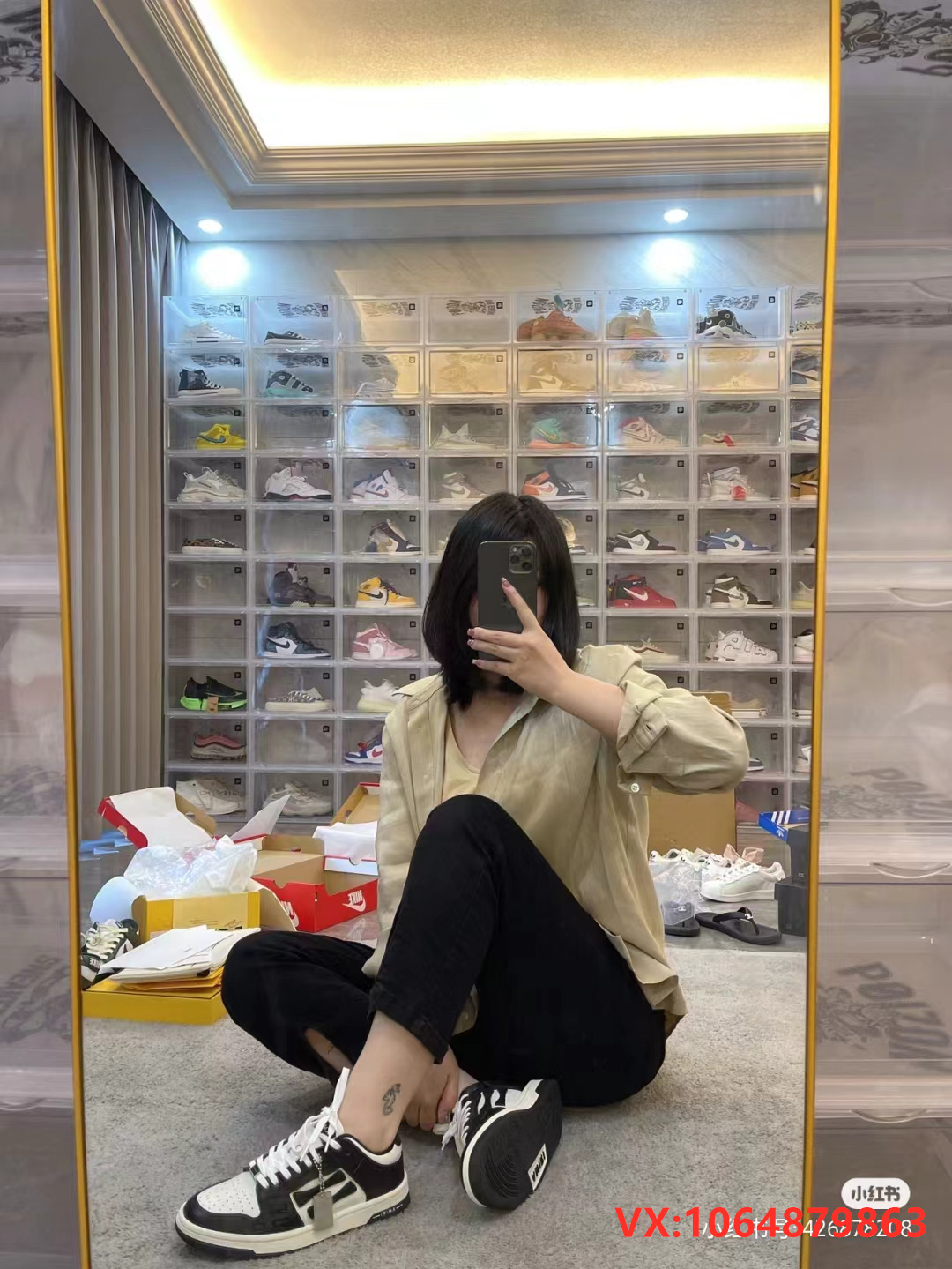
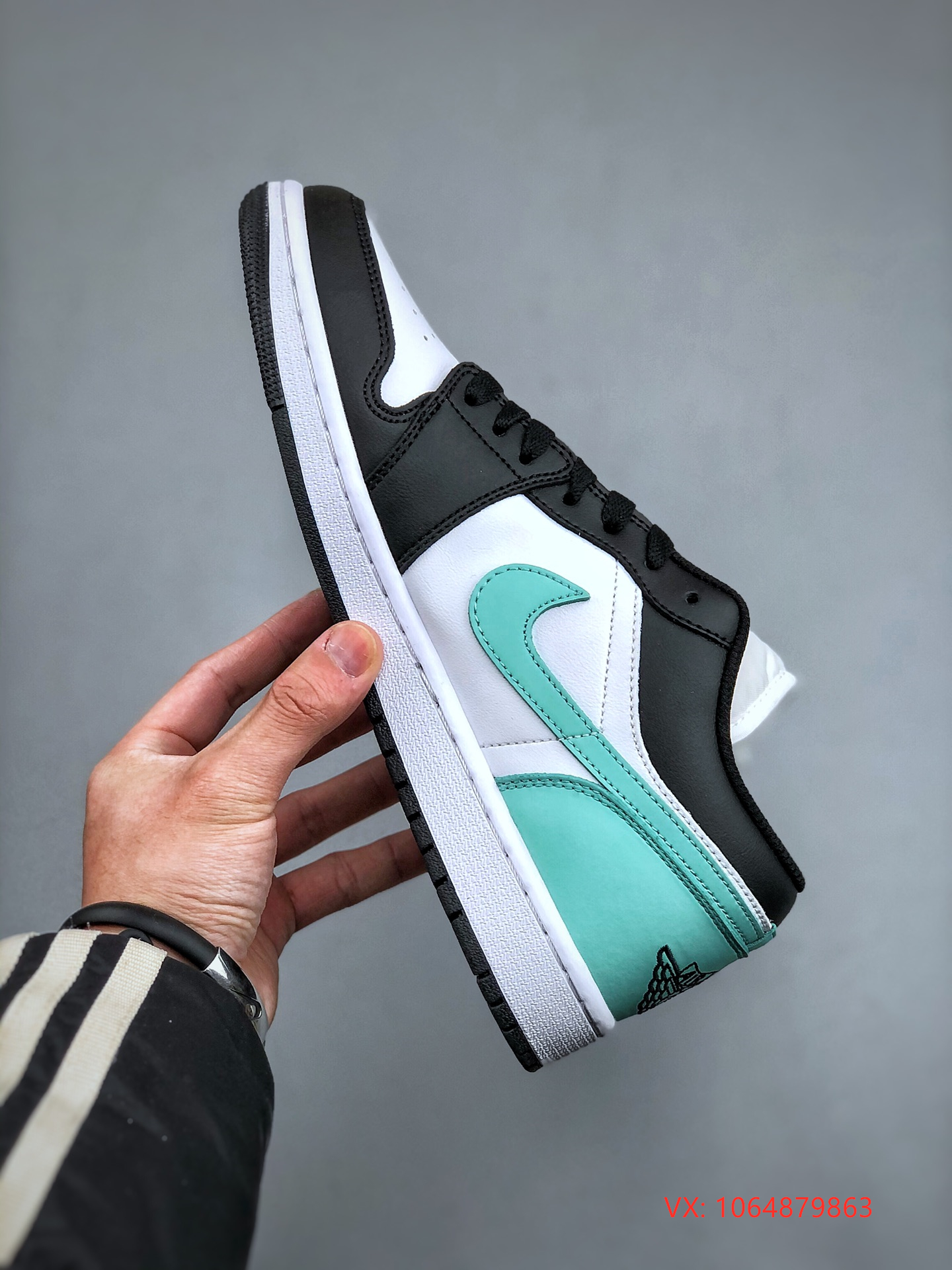
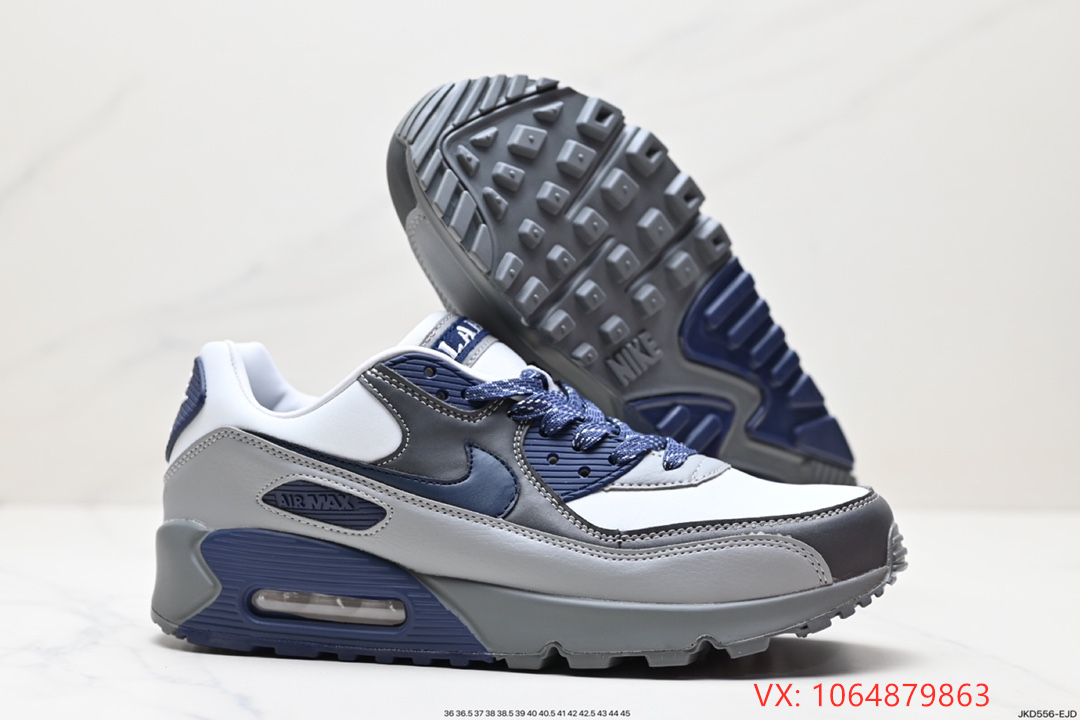
 On-site Visits
 Free Sharing
 Avoid Scams
 Updated Frequently
 For Reference Only