
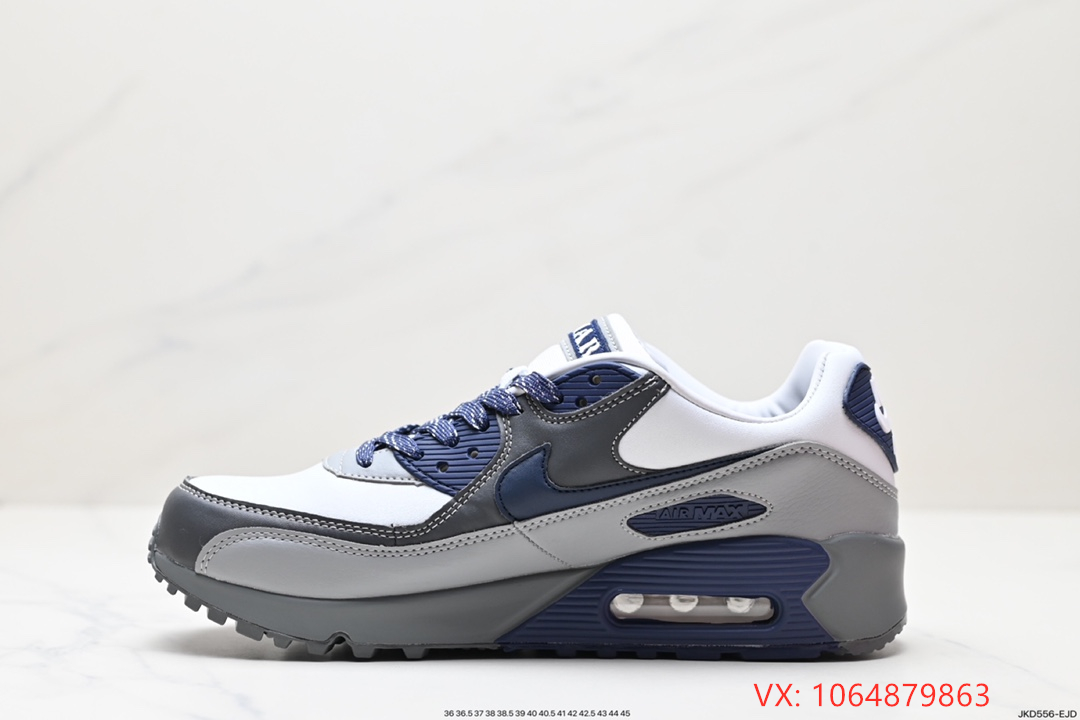
From the Floor of Anfu: How We Actually Grade Men's Shoes in Putian
Welcome to the real talk. I've been standing behind a counter in the Anfu E-commerce City for over fifteen years, watching thousands of foreign buyers walk through those glass doors, looking confused, and then walking out with boxes they didn't quite understand. You see, when you ask about "Putian men's shoe grades," most people online give you a textbook answer that sounds perfect but means nothing in the actual market. Let me tell you how we actually sort these shoes on the floor, why the labels change every season, and what you need to know before you wire your first deposit.
The Myth of the Official Hierarchy
First, let's clear up the biggest confusion. There is no official government or factory standard that says "Grade A" or "Grade B." If someone sends you a PDF chart claiming this is the universal rule, they are selling you a story. In the backrooms of the factories and the bustling stalls of Anfu, the grading is fluid. It depends entirely on the materials used, the mold quality, and the glue work. When you are sourcing from Putian, you aren't buying a brand; you are buying a level of craftsmanship. The terms you hear like "Top Version," "Market Version," or "1:1" are slang we use among ourselves to describe the gap between a $5 pair and a $120 pair.
Navigating the Physical Market: What You See vs. What You Get
If you are flying into Xiamen and heading straight to Putian, do not expect to find a showroom like Nike or Adidas. The reality of the Anfu market is chaotic, loud, and incredibly fast-paced. The ground floor is mostly for tourists and small resellers grabbing cheap stock. The real action happens on the upper floors and in the private offices scattered throughout the complex. This is wher the serious business happens.
Walking the Stalls: Spotting the Real Goods
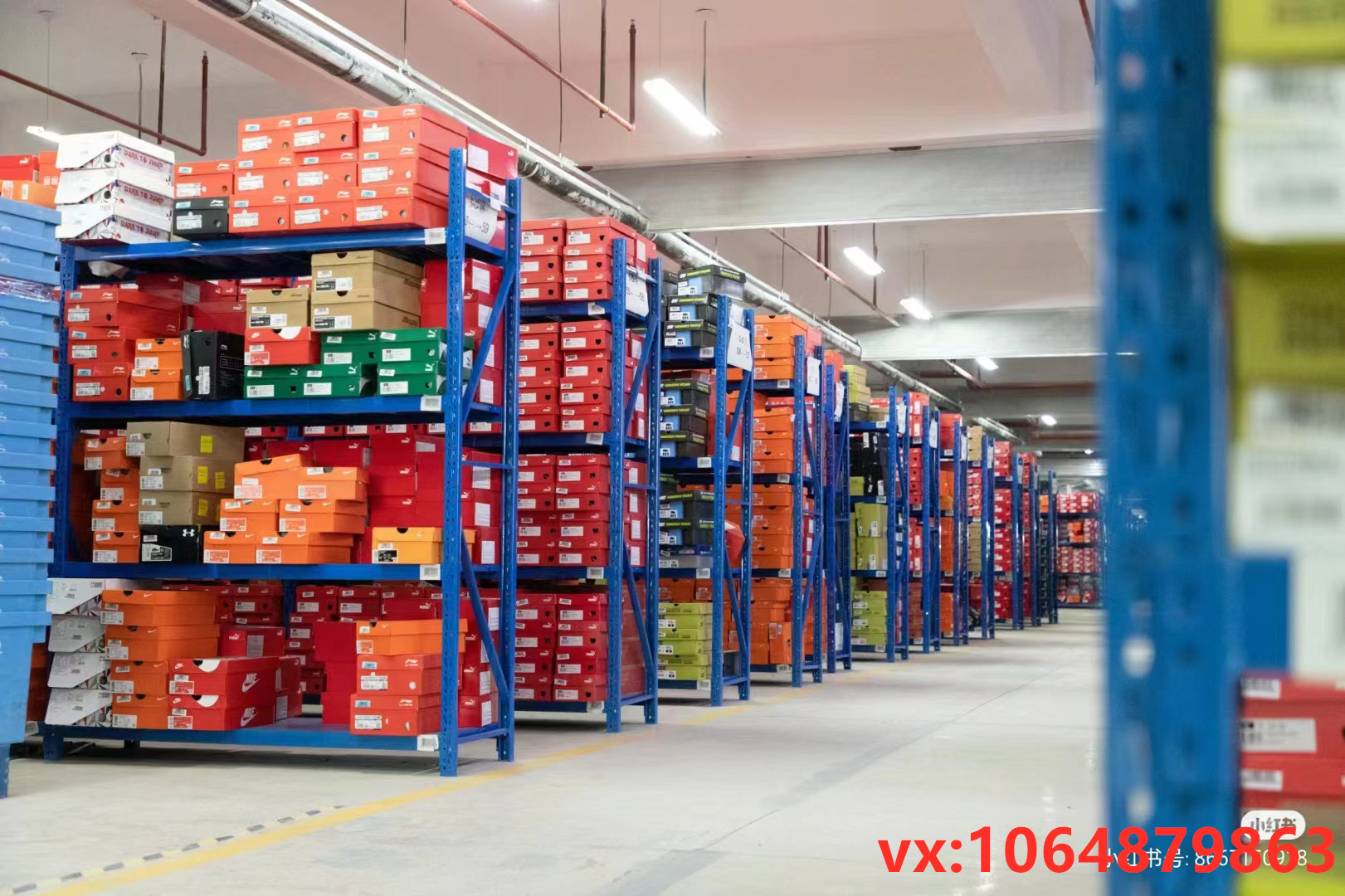
When I show my regular overseas clients around, the first thing we do is ignore the flashy displays at the front. Those are often just samples meant to catch your eye. We go straight to the back shelves wher the boxes are stacked high. Here, you will see the difference between the "low-end market goods" and the "high-end versions." The low-end stuff usually has obvious flaws: the leather feels stiff, the stitching is uneven, and the box logo is slightly off-center. But the high-end versions? They look identical to the retail ones. The leather breathes, the sole flexes correctly, and the smell is that distinct rubber and glue scent you only get from authentic manufacturing processes.
The Art of the Sample Room
Never buy based on photos alone. That is the fastest way to lose money. In my shop, we have a dedicated sample room wher we keep the latest molds. When a buyer comes in, we pull out the specific model they want. We compare it side-by-side with the original retail version if they have one. This is crucial because the "grade" changes depending on the batch. Sometimes a factory releases a new mold that is better than the old one, making the previous "top tier" suddenly obsolete. You need to touch the material, check the tongue padding, and inspect the heel counter. If the glue is seeping out or the color is slightly too bright, it's not ready for export.
Understanding the Tiers: From Market to Top Tier
So, how do we actually categorize them when talking to international buyers? It's simpler than you think, but it requires honesty. We generally break it down into three main buckets, though the lines can blur.
The Entry Level: Market Versions
This is what you see in the street markets. These are made with cheaper synthetic leather, lower-density foam, and generic molds. The price is low, maybe $20 to $40 per pair. For many buyers, this is fine if they are testing the waters or selling to budget-conscious customers. However, the durability is poor. The soles wear down quickly, and the shape deforms after a few weeks. If you are looking for long-term inventory, avoid this tier unless you are very clear about the quality expectations.
The Mid-Range: High-Quality Replicas
This is the sweet spot for most serious resellers. These shoes use materials that are 90% similar to the originals. The leather might be slightly thinner, but the construction is solid. The molds are updatd regularly to match the latest retail releases. In our experience, this tier offers the best profit margin. The quality is good enough that customers won't complain, but the cost is low enough to keep your margins healthy. We call this the "standard export grade."
The Elite: Top Tier and Custom Orders
This is wher the magic happens. These are the shoes that require special orders and higher deposits. We use the same molds as the big brands, sometimes even the same raw materials sourced from the same suppliers. The attention to detail is obsessive. Every stitch is counted, every colorway is matched perfectly. For these orders, we often work directly with the factory floor to ensure the quality control passes our strict standards. This is what you pay for when you want a product that looks indistinguishable from the retail version. It's not just about the shoe; it's about the packaging, the dust bags, and the authenticity cards.
Practical Sourcing Tips: Avoiding Pitfalls
Havin dealt with hundreds of foreign buyers, I have seen many make the same mistakes. The biggest error is assuming that "cheap" means "bad" or "expensive" means "perfect." In Putian, price is relative to the volume and the specific order requirements.
Building Trust Before Transaction
Do not rush to transfer money. Start by building a relationship. Visit the stall multiple times. Ask questions about the supply chain. A genuine supplier will be happy to explain their process, show you the factory photos, and even let you video call the production line. If they refuse to show anything or push for immediate payment without a contract, run. Trust is the currency of the Anfu market. once you establish trust, the prices become more transparent, and the quality becomes consistent.
Quality Control and Inspection
Before you ship, always insist on a detailed inspection report. Send us a list of what you want checked: the glue lines, the sole alignment, the box condition, and the size accuracy. We take this seriously because a bad shipment ruins our reputation. For large orders, we recommend hiring a third-party inspector in Putian to verify the goods before they leave the warehouse. It costs a little extra, but it saves you from receiving a container full of defective products.
Final Thoughts on Sourcing from China
Sourcing men's shoes from Putian is an adventure that requires patience, knowledge, and a bit of luck. The market is vast, and the opportunities are endless, but so are the risks. By understanding the true nature of the grades, visiting the physical market, and building strong relationships with local suppliers, you can navigate the chaos and find the perfect products for your business. Remember, the goal isn't just to find the cheapest shoe; it's to find the right shoe for your customers. Come to Anfu, walk the floor, and let the experience guide you. That is the only way to truly master the art of sourcing in Putian.

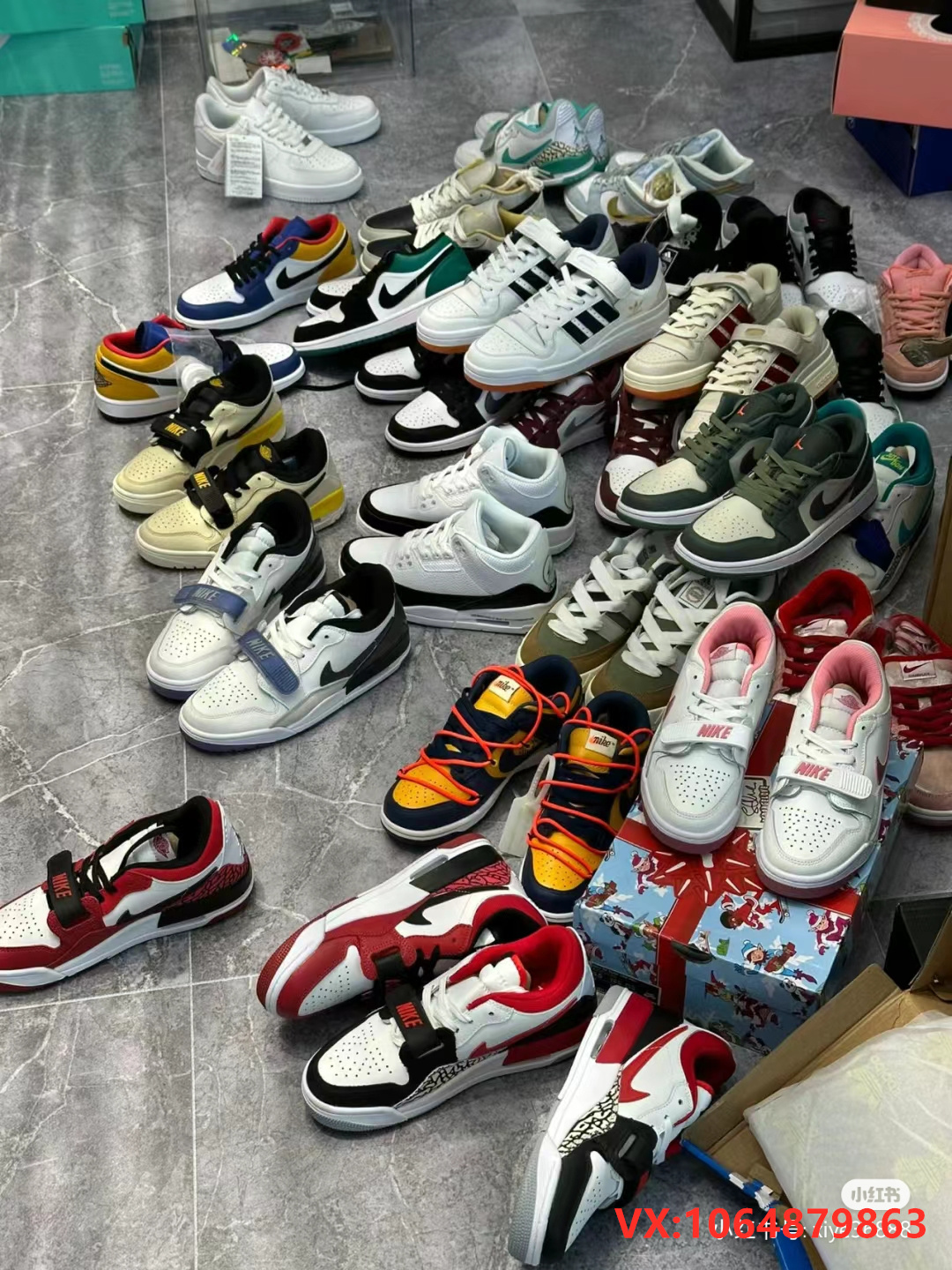
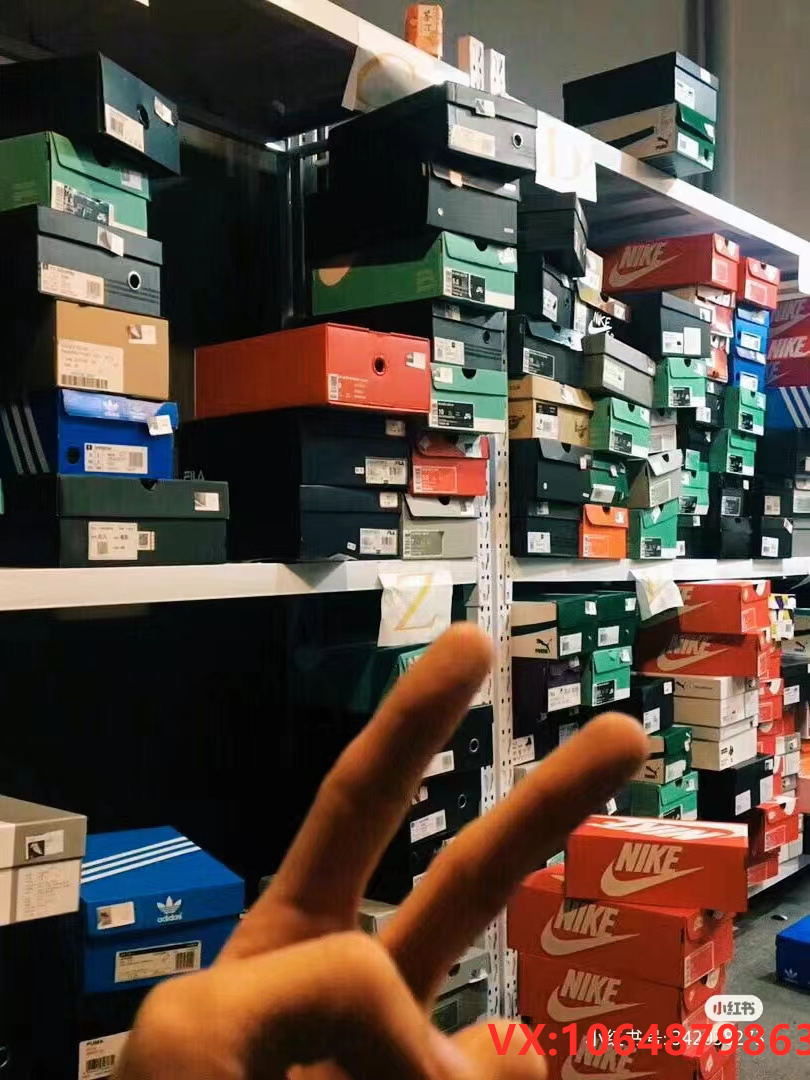
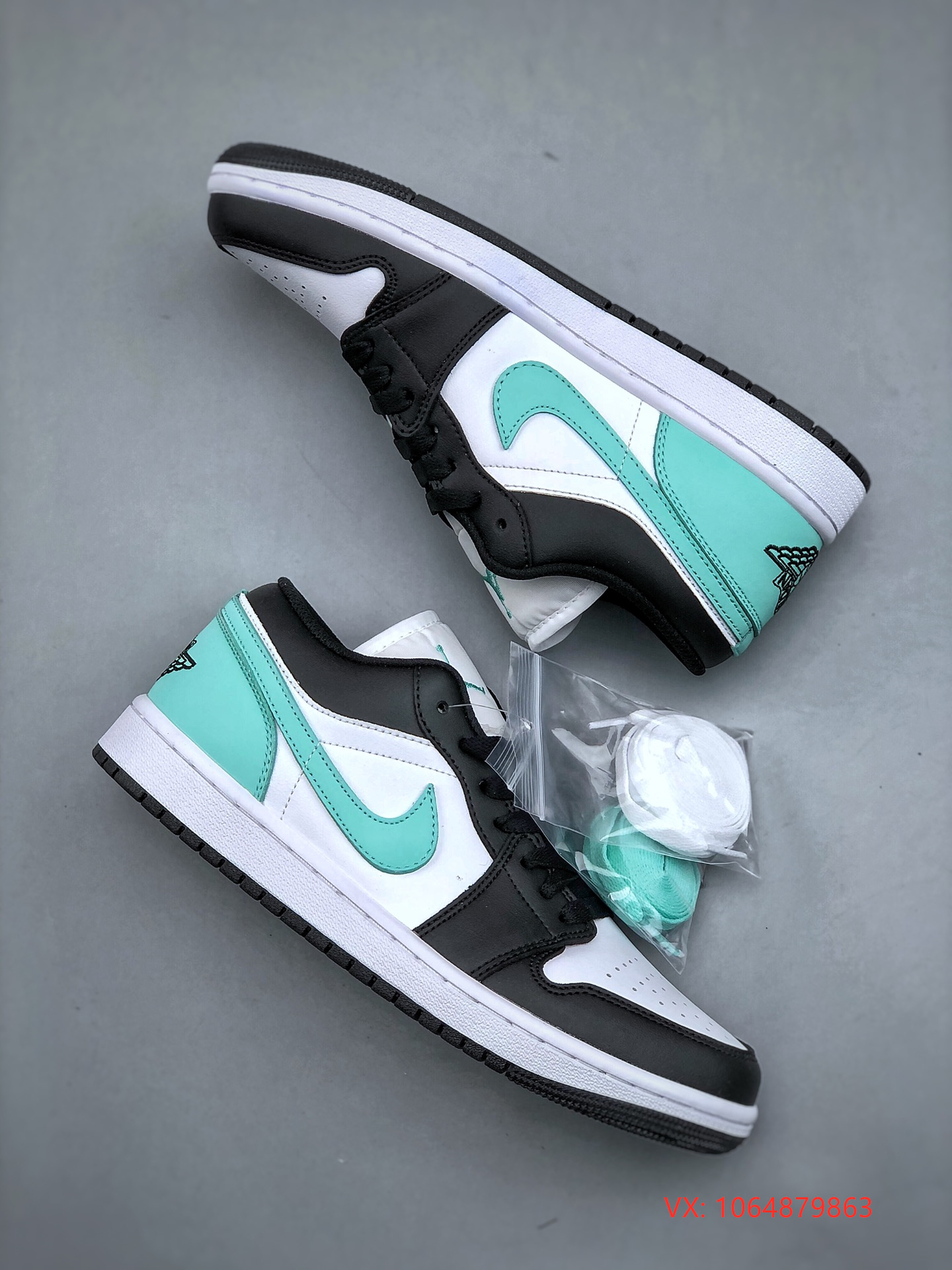
 On-site Visits
 Free Sharing
 Avoid Scams
 Updated Frequently
 For Reference Only