
Walking the Floors of Anfu: A Local's Guide to Sourcing Authentic-Grade Footwear
Listen, I have been standing on these concrete floors in the Anfu Economic Zone for over fifteen years. The smell of glue and rubber is as familiar to me as my own breath. You are asking how to buy Putea shoes in China? Let me tell you something straight from the horse's mouth: there is no single "store" wher you walk in and buy a box of branded sneakers like you would at a mall. If you think that, you will get ripped off before you even leave the airport. What you are looking for is not a retail shop; it is a supply chain. It is a network of factories, workshops, and traders hidden behind unmarked doors in this massive district.
The Reality of the Market Before You Arrive
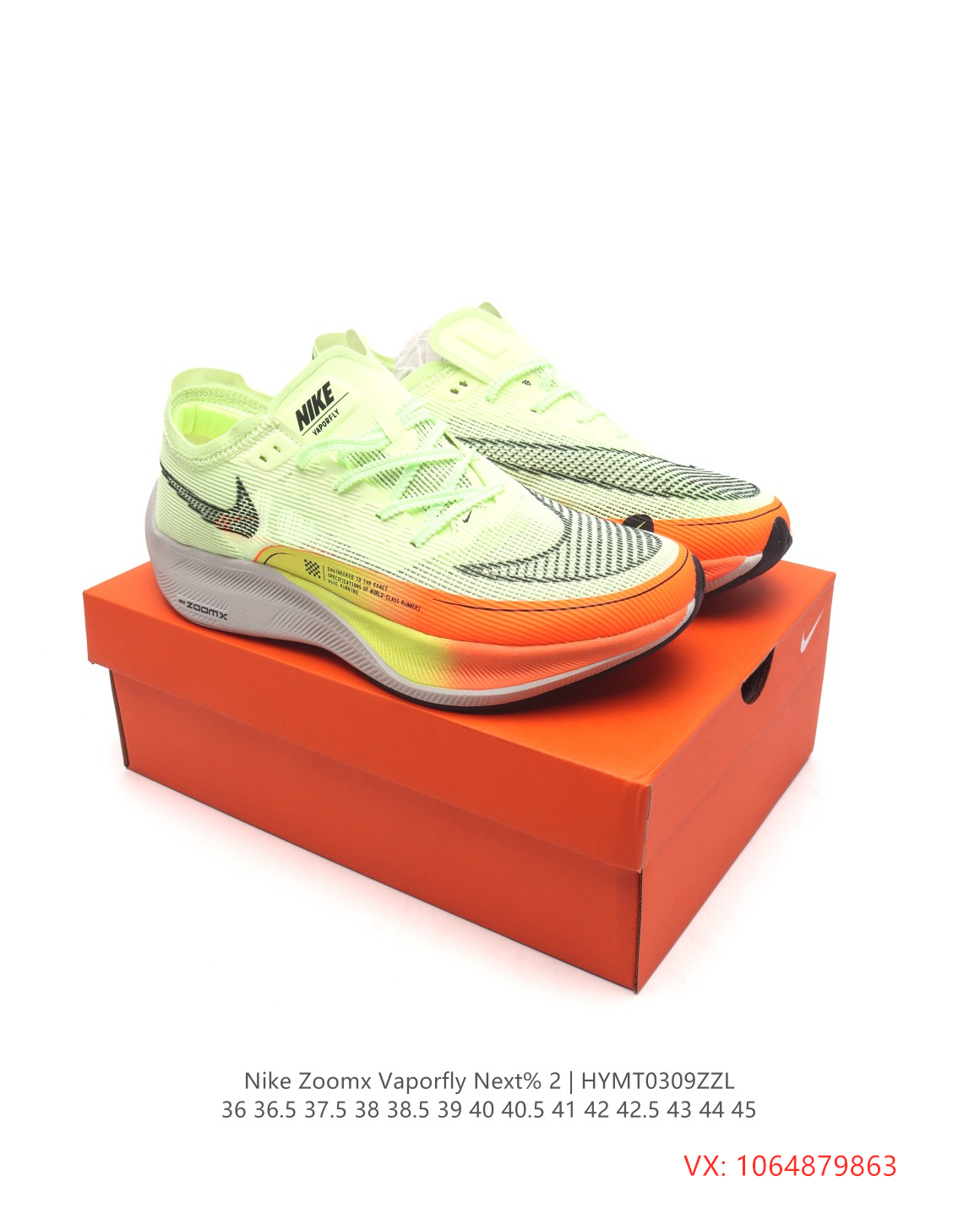
When foreigners first come here, they often look for a sign that says "Wholesale." There isn't one. The entire ecosystem runs on WeChat and face-to-face trust. My advice? Do not try to order online from a random website before you see the product. The photos on those sites are often stolen from other sellers or taken from high-quality samples that do not match the bulk goods. You need to be here. You need to feel the weight of the sole, check the stitching density, and smell the leather. This is the only way to understand what "1:1" or "Top Version" actually means in the real world.
Navigating the Labyrinth of Anfu Economic Zone
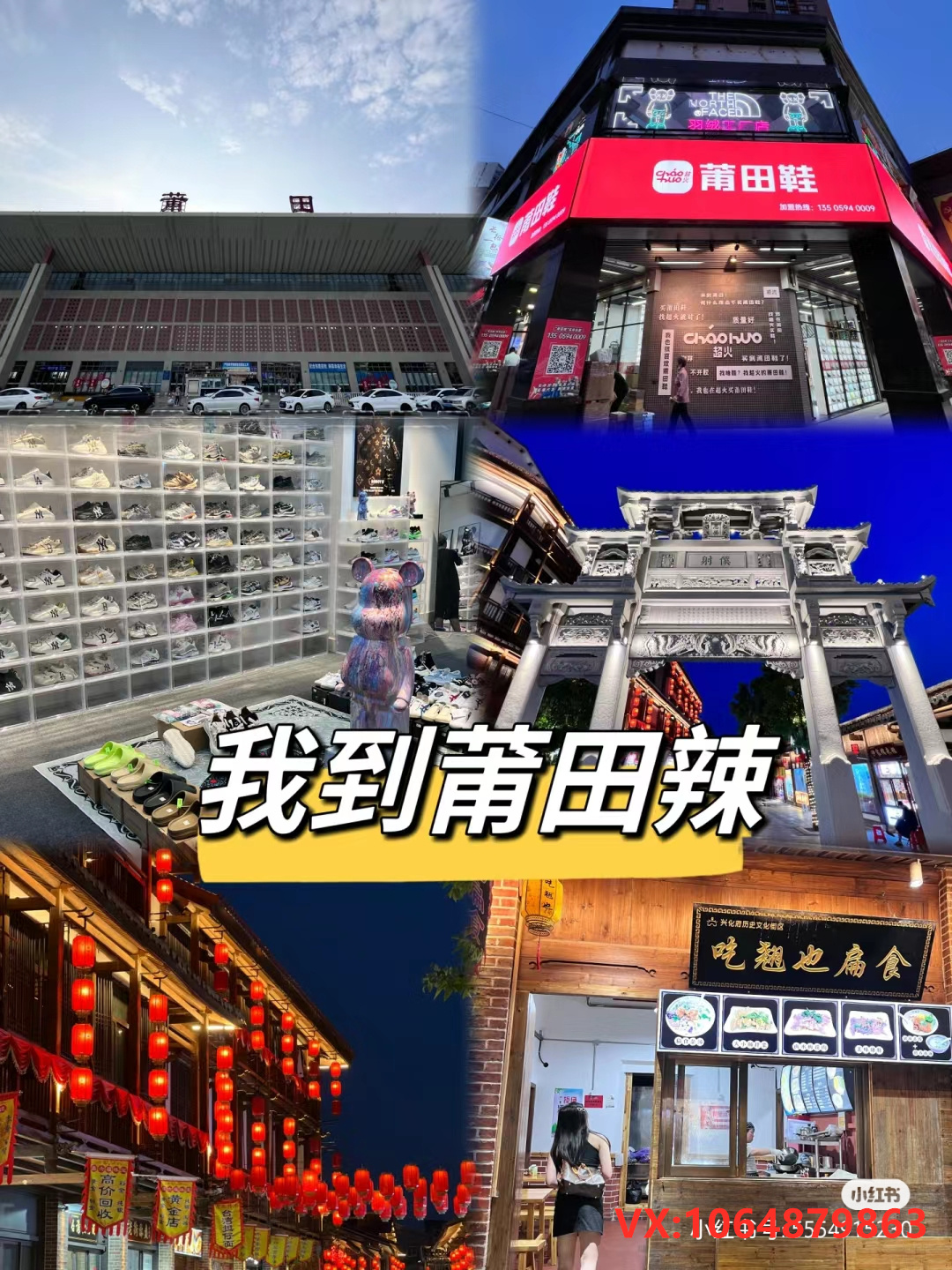
Anfu is not just one building; it is a sprawling complex of interconnected streets and multi-story buildings. When you arrive, do not expect a map. The layout changes slightly every year as new buildings pop up and old ones renovate. Start your day early, around 9 AM, because the serious business happens between 9 and 5. After 6 PM, many shops close their front doors and switch to private meetings.
Finding the Right Stall Without Getting Lost
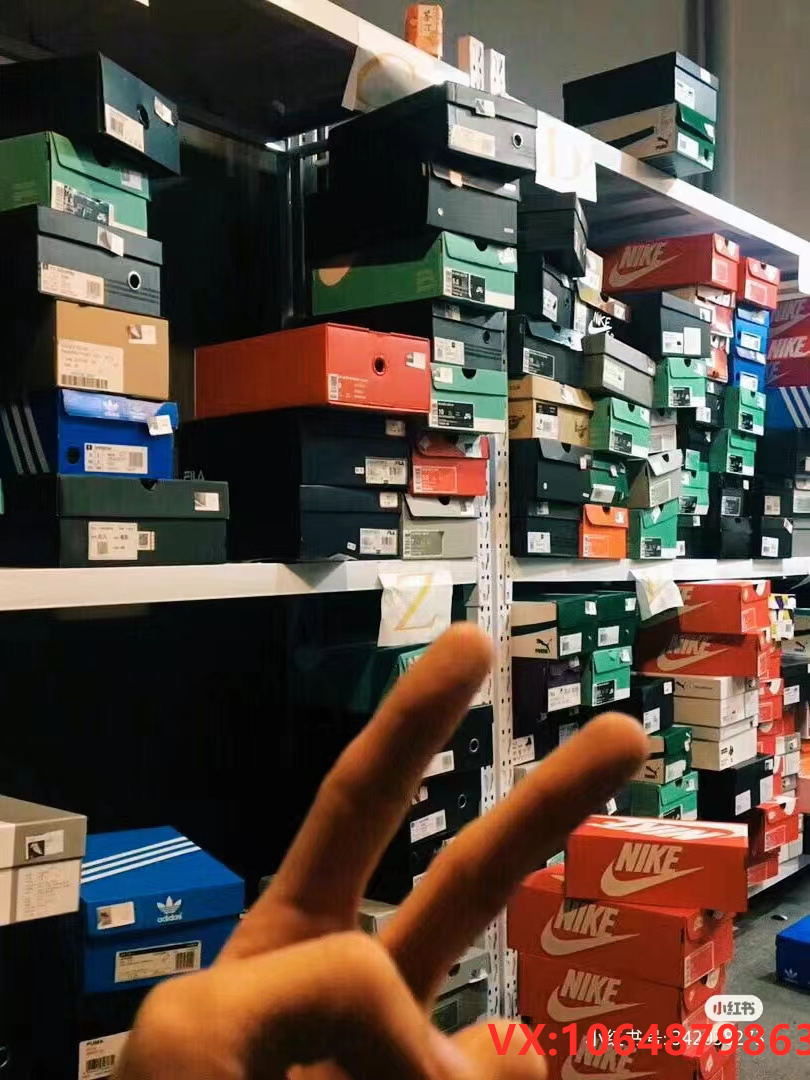
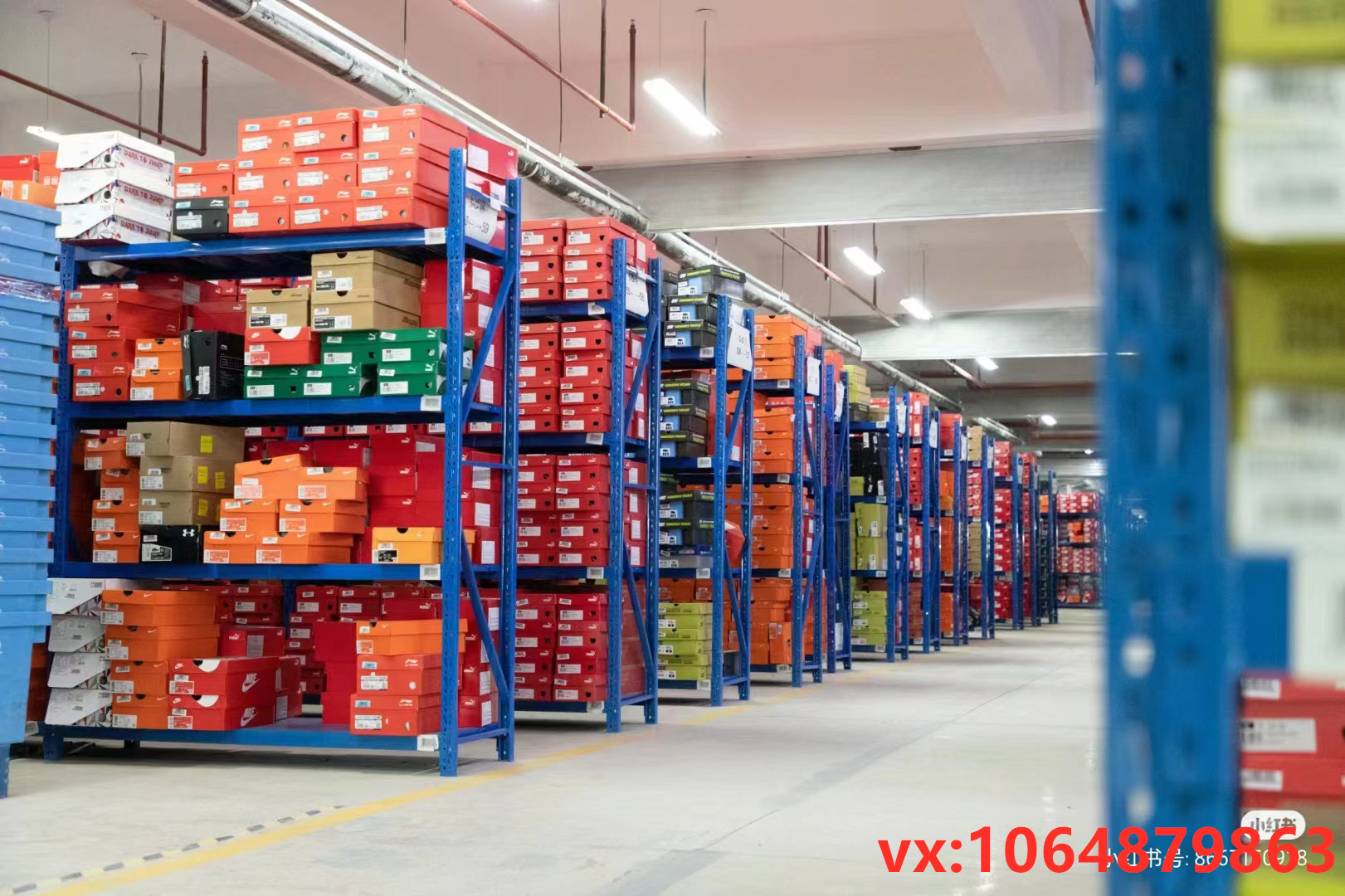
You might wander into a street filled with tourists and souvenir shops selling fake jerseys and cheap knock-offs. Ignore them. They are not your target. Look for the buildings with heavy security gates and delivery trucks constantly loading and unloading boxes. These are the wholesale hubs. Inside, you will see rows of stalls. Some display nothing but a few pairs of shoes on a table. Others have walls lined with boxes. Do not judge a seller by the size of their display. The best suppliers often keep their inventory in the back room to avoid theft and counterfeiting claims.
How to Spot a Genuine Supplier
This is the most critical part. A lot of people ask about "Putea shoe factory direct" or "Anfu market supplier." But how do you know who is real? Walk into a stall and ask to see their latest batch. If they hesitate or say "we don't have stock," move on. A real wholesaler will always have a sample ready. Ask them specific questions about the materials. Do they use genuine Nike leather or synthetic? Are the soles made from injection molding or vulcanized? If they can explain the difference between the "Lianyi" version and the "Jingzhi" version without stuttering, you are talking to someone who knows the craft.
The Art of Inspection and Negotiation
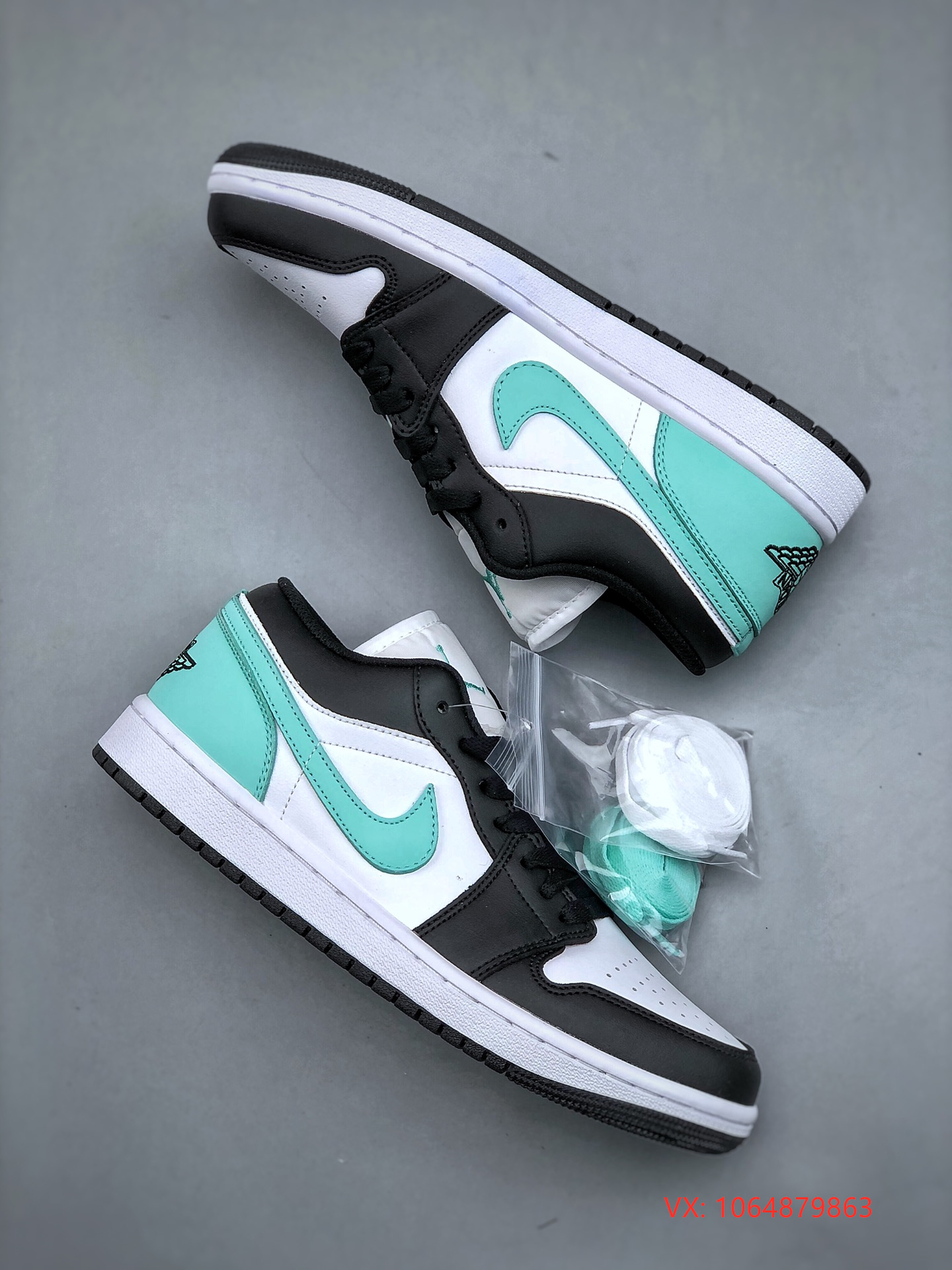
once you find a potential partner, do not rush to pay. In this market, cash flow is king, but quality control is queen. Take out your phone and zoom in on the stitching. Check the alignment of the swoosh logo. Compare the midsole foam density. I have seen buyers lose thousands of dollars because they didn't check the glue lines. A good supplier will let you inspect every pair. If they refuse, run. That is a red flag.
Talking Numbers and Terms
When you are ready to negotiate, speak clearly. Most of us speak basic English, but we prefer Chinese terms for technical details. Don't just say "I want to buy." Say "What is your MOQ?" (Minimum Order Quantity). For big brands, the MOQ might be ten pairs per style. For custom designs, it could be fifty. Ask about the price tiers. Usually, the more you buy, the lower the price dros. Also, clarify the shipping terms. Do you want DDP (Delivered Duty Paid) or FOB (Free on Board)? Many overseas buyers get confused here. If you are buying small batches, DDP via courier is easier, but if you are importing containers, you need to handle customs yourself.
Avoiding the Scams and Pitfalls
There are scammers everywher. Some will show you a perfect sample, take your deposit, and then send you a box full of junk. To avoid this, never transfer money directly to a personal bank account without a contract. Use a third-party escrow service or pay through a verified platform. Another common trick is the "upgrade fee." They sell you a low-quality pair and then claim you need to pay extra for "better packaging" or "custom tags." Stand your ground. If the deal was agreed upon, the price is the price. Trust your gut. If a deal feels too good to be true, it usually is.
Building Long-Term Relationships Beyond the Transaction
Buying Putea shoes is not a one-time event; it is a relationship. The market moves fast. New molds come out every week. If you want the latest releases, you need to stay connected. Add the supplier to your WeChat. Send them messages regularly. Ask for updates on new arrivals. I have seen many foreign buyers succeed because they treat their suppliers like partners, not just vendors. They visit during holidays, bring gifts, and show respect. In return, these suppliers give them priority access to the hottest models before anyone else sees them.
Logistics and Shipping Your Goods Home
once you have selected your goods, the logistics team takes over. Most suppliers have relationships with freight forwarders who specialize in shipping to the US, Europe, and Southeast Asia. They can consolidate your orders from different stalls into one container. This saves you a fortune on shipping costs. Just make sure you provide accurate address details and contact information. Also, be aware of customs regulations in your country. While the shoes themselves are legal to import, the branding might attract attention. Work with your supplier to ensure the packaging is discreet and compliant with local laws.
Final Thoughts from the Ground Floor
So, how do you buy Putea shoes in China? You come here. You walk the floors of Anfu. You talk to the people who make the shoes. You inspect every detail. You build trust. It is not easy, and it requires patience, but it is the only way to get the real deal. The internet has made it easier to find contacts, but nothing replaces the experience of being on the ground. If you follow these steps, you will not just buy shoes; you will become part of the industry. Welcome to the family. Now, let's go look at some stock.

 On-site Visits
 Free Sharing
 Avoid Scams
 Updated Frequently
 For Reference Only