
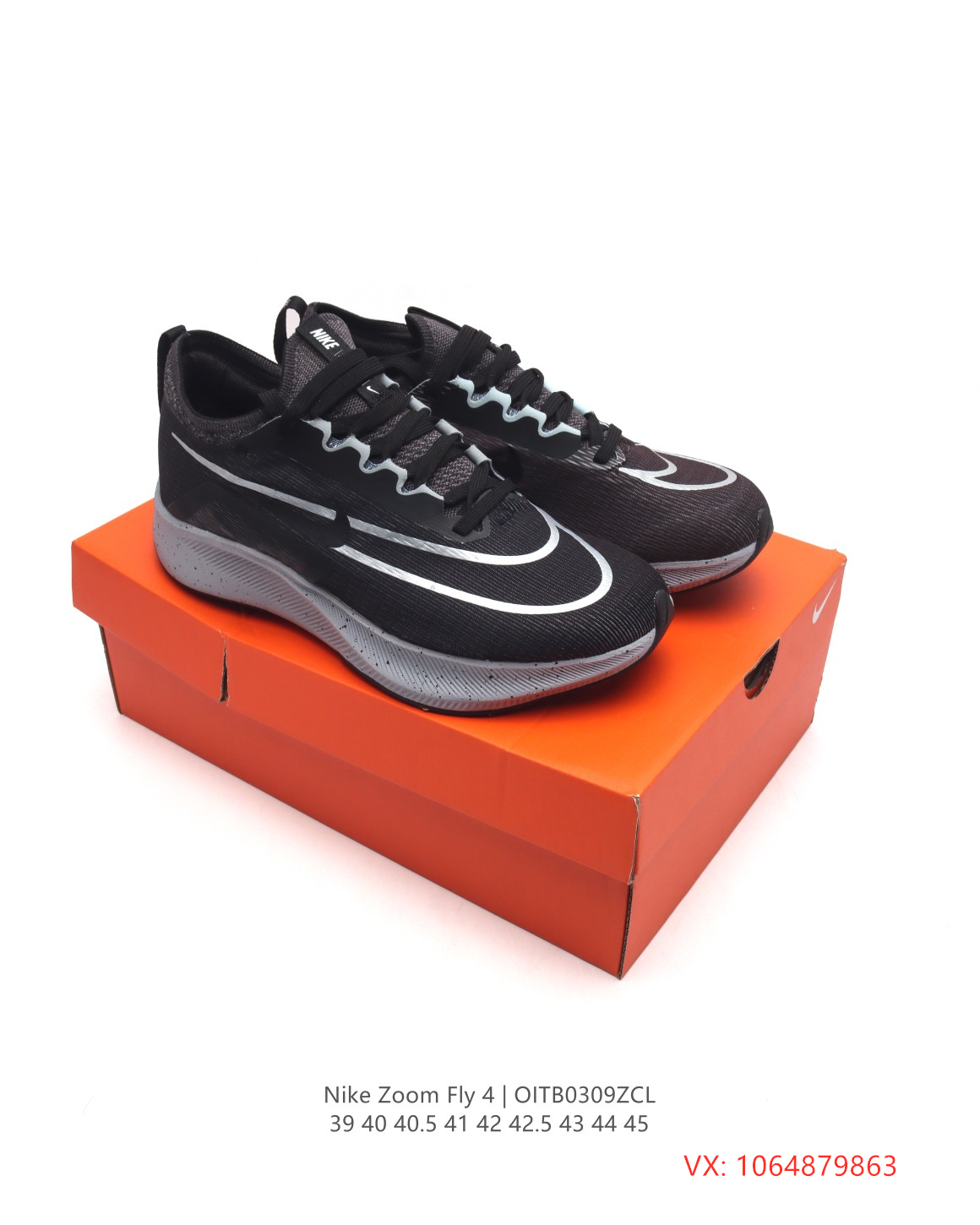
Why the "Grade" Confusion is Real (And How to Cut Through It)
Welcome to Anfu, the beating heart of the sneaker replica world. I've been standing behind this counter for over fifteen years, watching thousands of tourists and business owners walk through these doors. If you ask me right now, "How many grades of Putian shoes are there?" my honest answer is: it depends on who is talking. In the official marketing brochures you might see online, they talk about three levels or maybe four. But down here in the actual market, wher the air smells like glue and rubber, we don't count them that way. We count them by quality tiers, factory origins, and most importantly, what the buyer actually needs.
When foreign buyers first arrive, they are often confused by terms like "Pure Copy," "Top Version," or "1:1." These aren't standardized industry terms; they are slang that changes from one shop to the next. A seller might call their product a "Top Grade" today, but tomorrow, after a new mold arrives, that same shoe becomes a "Super Top." This fluidity is exactly why so many overseas clients get burned. They think they are buying a specific tier, only to receive something completely different because the terminology wasn't locked down. My advice? Stop asking about the number of grades and start asking about the source.
The Three Tiers You Actually Need to Know
The Market Standard: Low-End Replicas
Let's be real. Not every shoe leaving Anfu is meant to fool a collector. There is a massive volume of low-end goods, often called "Market Quality" or just "Standard." These are the shoes you see in the street stalls near the main entrance. The leather is stiff, the stitching is sloppy, and the sole compound feels cheap. For a local reseller looking to sell $20 knockoffs at a flea market, this is fine. But if you are an American importer looking for high-margin items, stay away. The profit margin here is razor-thin, and the return rate due to quality complaints is huge. When people ask about the lowest grade, this is it. It's mass-produced, often using older molds that have lost their shape, and the branding details are usually off by a mile.
The Sweet Spot: Mid-Range Versions
This is wher 80% of legitimate international trade happens. These are the shoes that look good in photos but might fail under a microscope. The materials are decent—synthetic leather that mimics the texture well enough for casual wear. The construction is solid, but the glue lines might be visible, or the colorway might be slightly off compared to the original retail box. Many sellers label these as "High Quality" or "Mid-Grade." For a droshipper or a small boutique owner, this is the bread and butter. You can price them competitively against other replicas while maintaining a healthy margin. However, the problem is consistency. One batch might be great, and the next batch from the same factory might use cheaper foam. That's why you need to physically inspect the stock before you commit to a large order.
The Elite: Factory Direct and "God Tier"
Now we are talking about the stuff that keeps the big players in business. These are the shoes made in the same factories that produce the authentic brands, sometimes even on the same production line during off-hours. The materials are sourced from the exact same suppliers as the originals. The molds are brand new, ensuring the silhouette is perfect. In our local lingo, we call this "Lucky" or "God Tier." These are the shoes that pass the "blind test" with experts. The packaging, the dust bags, the box art—it's all there. But here is the catch: these are not sold openly in the open-air markets. You need a connection. You need to know the boss of the warehouse. If a random vendor offers you "God Tier" without proof, they are likely selling you mid-range goods with a fancy name tag.
Navigating Anfu: What to Do When You Walk In
I've seen too many foreigners walk into Anfu Electronic City thinking they can just browse like they are in a mall. Don't do that. The layout is chaotic, and the shops are packed tight. When you enter, ignore the flashy displays in the front. Those are often the "decoys" designed to attract tourists. Ask to see the "real stock" in the back room. That is wher the magic happens. Bring your phone, but more importantly, bring your eyes. Look at the stitching density. Check the tongue padding. Smell the material. Authentic leather has a distinct scent; cheap synthetic smells like chemicals.
When negotiating, never say you want to buy "the best." Be specific. Say, "I want the version with the Nike Air unit that matches the weight of the original." Or, "Show me the batch with the premium suede upper." This shows you know what you are talking about. Sellers respect knowledge. If you act like a tourist, they will try to upsell you on whatever they have in excess inventory. Build a relationship. Tell them you plan to come back next month. once you become a regular face, they will show you the hidden gems—the ones they don't put on the shelves for everyone to see.
Avoiding the Pitfalls: Shipping and Verification
once you pick your shoes, the hardest part begins: shipping. Many scams happen here. Some vendors promise to ship via DHL or FedEx, but then send you a fake tracking number. Always insist on using a trusted freight forwarder who specializes in China-to-US logistics. Do not let the vendor handle the final leg of the journey unless you trust them implicitly. Also, verify the goods before they leave the warehouse. Send a video call request. Ask them to film the shoes being packed. Check the QR codes on the boxes if applicable. In the age of AI and deepfakes, visual verification is your best defense.
Finally, understand the legal landscape. While buying for personal use is generally tolerated, importing for resale carries risks. Ensure you are compliant with customs regulations in your country. The goal is to build a sustainable business, not to get your shipment seized at the border. Focus on building a brand around the quality you offer, rather than just relying on the "fake" label. The market in Putian is evolving. Buyers are smarter, and the quality gap is closing. If you treat this supply chain with respect and diligence, you can find incredible value here that no other market can match.

 On-site Visits
 Free Sharing
 Avoid Scams
 Updated Frequently
 For Reference Only