
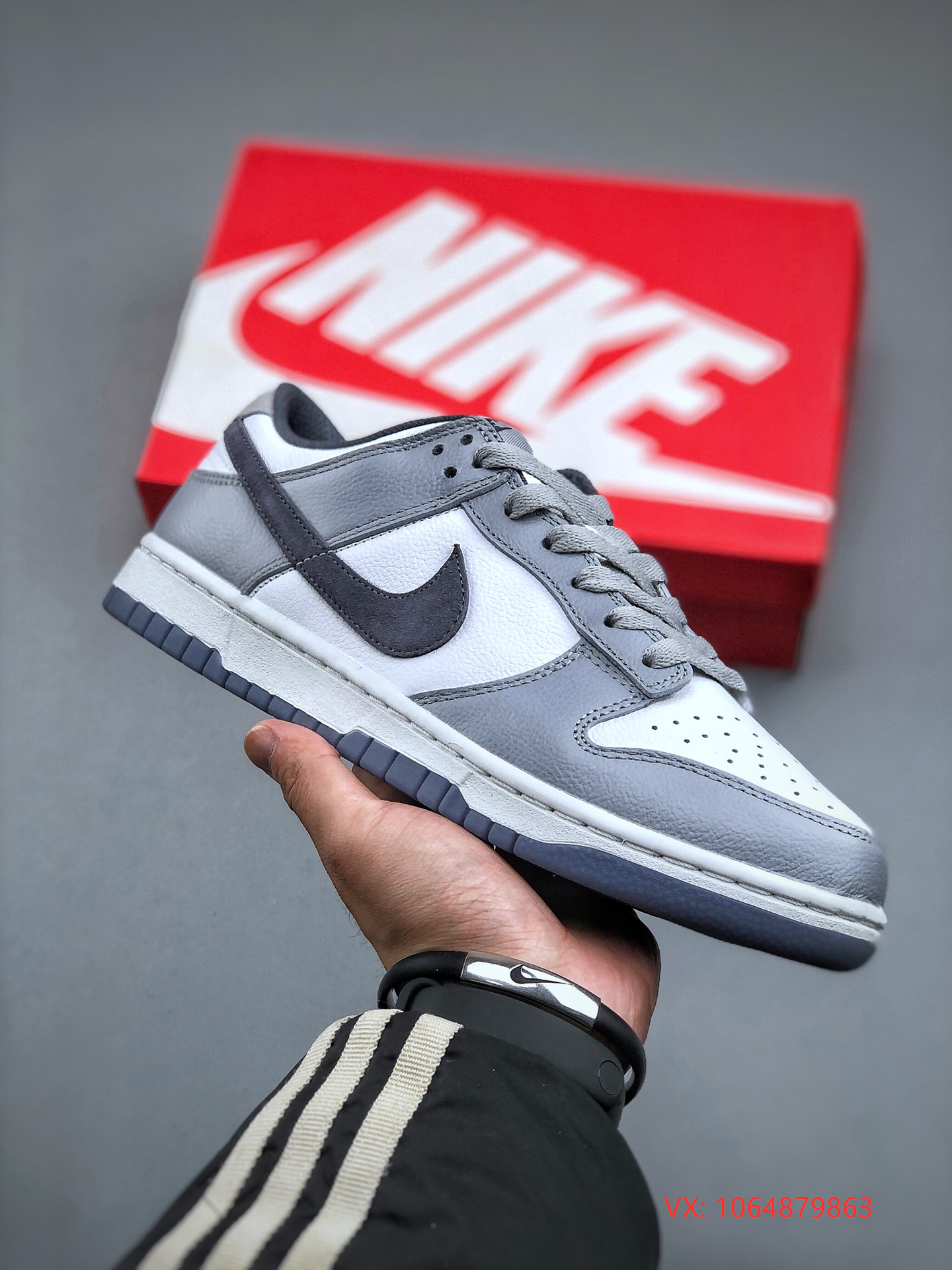
The Real Talk: What Separates the "China Nike" from the Panyu Knockoffs
Listen, I've been standing in the Anfu Electronic City for over fifteen years. While the world sees "Nike," I see a complex ecosystem of factories, supply chains, and a massive gray market that most Western buyers never actually step foot into. When you ask me about the difference between "China Nike" and what we call "Panyu shoes," you are asking about the difference between a dream and a reality check. Let's be clear right out of the gate: there is no such thing as an official "China Nike" factory selling to the public. If someone tells you they have direct access to the real Nike manufacturing line in China, they are lying to your face. The real deal happens in Siping or Dongguan under strict contracts with zero leakage. What you find here in Panyu, specifically around the Anfu market, is a different beast entirely.
The Myth of the Official Factory
In my experience dealing with foreign buyers who fly in looking for "cheap authentic stock," the first thing I have to explain is the legal wall. Nike does not sell its unsold inventory through street vendors in Fujian. The "China Nike" label you see online often refers to high-end replicas that try to mimic the quality so closely that even experts struggle to tell them apart without a microscope. But let's talk about the actual product on the shelf. When you walk into a stall in Anfu, you aren't buying counterfeits in the traditional sense of stolen goods; you are buying products made by the same skilled laborers using similar materials, but without the brand license. This is the core distinction. One is a trademark violation, the other is a local industry that has mastered the art of reverse engineering.
Navigating the Anfu Market: A Buyer's Reality Check
If you are serious about sourcing from here, forget the Google Maps pins and the Instagram ads. The real action happens inside the concrete buildings of the Anfu market. I remember when I started, tourists would wander in expecting to buy $100 pairs of Jordans for $20. Now, the game has changed. The "low-quality" era is dead. Today, if you want to find the best suppliers, you need to know how to talk to the bosses behind the counters.
Scouting the Stalls and Reading the Room
When I show a new buyer around, the first lesson is observation. Don't just look at the shoes on the display rack. Look at the boxes, the dust, and the people moving around. High-end replica shops, which we call "top tier" or "Luka" versions, often keep their best stock hidden in the back room. They won't put the 1:1 copies on the front table because they don't want to attract police attention or cheapen their image. You have to build trust first. Ask about the "market version" versus the "factory version." The former is mass-produced plastic glue and thin foam; the latter uses genuine rubber compounds, better stitching tension, and sometimes even the same molds used by the original manufacturers before they were recalled. This is wher the price gap starts to make sense.
The Art of Negotiation and Sampling
Foreign buyers often make the mistake of trying to negotiate the price immediately. In Panyu, we value relationships more than a five-dollar discount. My advice? Always ask for a sample first. We call this "checking the quality." Bring your own pair of authentic Nikes if you have one, or use a reference photo. Compare the midsole density, the toe box shape, and the tongue padding. In the past, the smell of the glue was a dead giveaway. Now, with advanced water-based adhesives, the smell is gone. You have to feel the bounce. When I am talking to a supplier, I ask them directly: "Is this the same mold as the US release?" If they hesitate, move on. The honest ones will tell you exactly what material grade they are using. This transparency is rare but essential for long-term business.
Quality Tiers: From Street Quality to "Ghost" Versions
One of the biggest confusions for overseas clients is understanding the grading system. In the West, it's binary: fake or real. Here, it's a spectrum. We have the "market version," which is the entry-level stuff you see in street markets. Then there is the "mid-range," which is decent but lacks durability. Finally, there is the "top version" or "ghost version," which is designed to fool authentication apps like StockX or GOAT. These are the ones that cost almost as much as the originals but lack the logo stamping.
Understanding the Material Differences
Let's get technical. The difference between a cheap knockoff and a top-tier Panyu shoe often comes down to the upper material. Authentic Nikes use Flyknit or premium leather sourced from specific tanneries. In Panyu, the top suppliers source leather from the same regions in Guangdong but might use a slightly different tanning process to reduce costs. However, the stitching pattern is usually identical. The biggest issue is the sole unit. Cheap versions use recycled rubber that cracks after a month. Top versions use fresh rubber that mimics the grip and flexibility of the original. When I inspect a batch for a client, I bend the shoe. If it creases sharply or makes a cracking sound, it's garbage. If it flexes smoothly, it's worth considering.
The Risk of Authentication Apps
This is a critical point for anyone planning to resell these shoes online. Many buyers think they can pass off a Panyu shoe as authentic on platforms like eBay or Depop. I have to warn you: this is a dangerous game. Authentication algorithms have gotten smarter. Even the best "1:1" copies often fail the micro-stitch count or the QR code scan. If you are sourcing for personal use, you are fine. But if you are building a business, you need to understand that you cannot claim these are "authentic." You must market them as "replicas" or "high-quality alternatives." Trying to deceive customers leads to chargebacks and account bans. The smartest sellers in Panyu focus on the quality-to-price ratio, not on pretending to be Nike.
Final Advice for International Buyers
Coming to Panyu is an adventure, but it requires patience and a sharp eye. Do not rely on agents who promise miracles. Visit the market yourself, taste the coffee in the small tea houses near the stalls, and talk to the owners. The "China Nike" myth is just a marketing term for high-quality replicas. The reality is a sophisticated supply chain that produces incredible footwear at a fraction of the cost. Just remember, you are paying for craftsmanship, not a logo. If you respect the process and understand the differences, you will find some of the best deals in the world right here in Fujian.
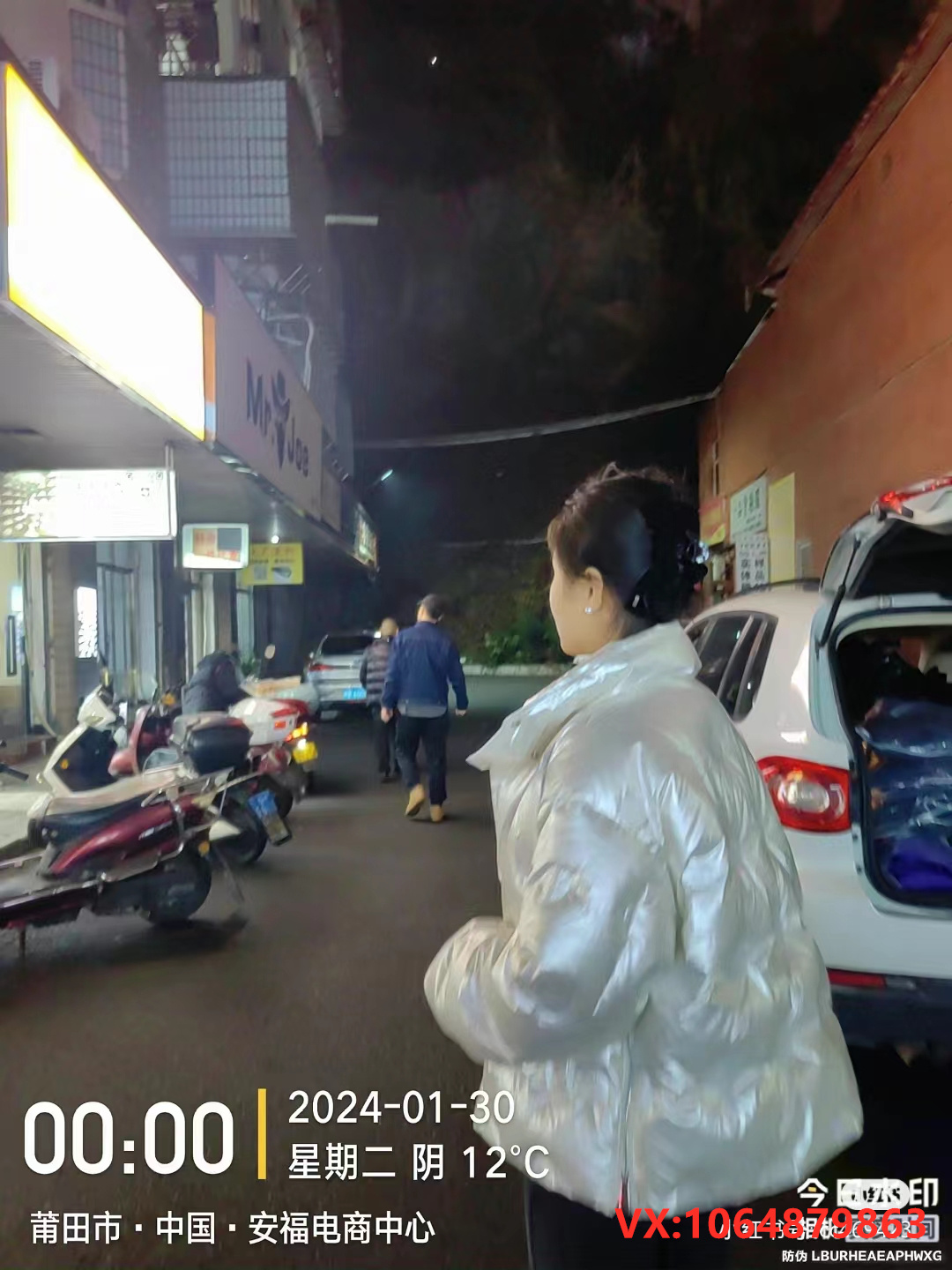
 On-site Visits
 Free Sharing
 Avoid Scams
 Updated Frequently
 For Reference Only