
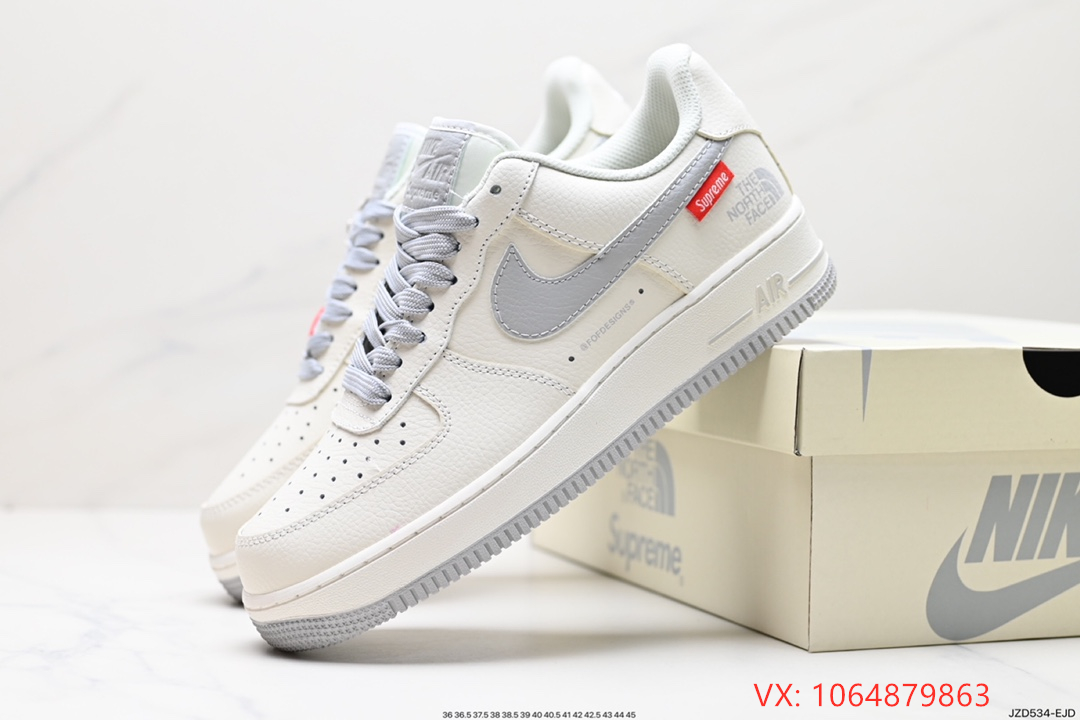
Walking the Floors: My Honest Take on Putian Shoe Grading and Sizing
Welcome to the real deal. I've been standing behind my counter in the Anfu Economic and Trade City for over fifteen years, watching thousands of pairs of sneakers walk through these doors. You might have heard rumors about "Putian shoes" online, but let me tell you, the reality on the ground is a lot more complex than what you see on social media or random forums. If you are an overseas buyer trying to navigate this market, stop looking at generic lists and start listening to someone who knows the smell of glue and the texture of leather better than anyone else. Today, I want to break down exactly how we grade our products and why sizing can be a nightmare if you don't know wher to look.
The Myth of the "Official" Grade List
First things first, let's clear up a massive misconception. There is no official government document or factory standard that says "Grade A," "Grade B," or "Grade C" in a way that applies to every single shop. When people ask me about "Putian shoe grades," they are usually confused by the slang used between suppliers. In the backrooms of Anfu, we don't talk about grades like a school report card. We talk about versions. You will hear terms like "Luka version," "Hagerty version," or simply "Top Version." These aren't just marketing fluff; they refer to which mold was used, which materials were sourced, and how closely it mimics the original retail product from Nike or Adidas.
If you walk into a shop and ask for "Grade 1," the owner might laugh at you because that term doesn't exist in our trade language. Instead, you need to ask for the "highest quality" or "top tier" version. The difference between a low-tier copy and a top-tier one isn't just a label; it's the density of the foam, the stitching precision, and the alignment of the swoosh. A cheap version might look okay from ten feet away, but up close, the glue stains show, and the sole feels hard as a rock. That is why I always tell my foreign clients: never buy based on a grade number. Buy based on the physical sample in your hand.
Navigating the Sizing Maze: Why Your US Size Doesn't Work Here
Now, let's get to the part that causes the most headaches for my international friends: sizing. This is wher many buyers lose money before they even make their first order. You cannot simply take your US size and expect a perfect fit when ordering from Putian. The sizing here is notoriously inconsistent because different factories use different molds, and even within the same factory, production batches vary.
The Reality of Asian Lasts vs. Western Feet
Most of the molds in Putian are designed for Asian foot shapes, which tend to be narrower and have a lower instep compared to American feet. If you wear a US Men's 10 in New York, ordering a size 10 from a Putian supplier might feel like wearing a tight glove. It won't necessarily be too short, but it will be too narrow. This is why I always advise my clients to measure their foot length in centimeters and compare it against the specific size chart provided by the factory, not the standard Nike chart.
I remember a client from London last year who ordered a batch of Jordan 4s in his usual size. He returned half of them because they were cutting into his toes. He didn't realize that the "China Size" (CN) conversion often runs small. In my experience, the safest bet is to go up half a size or even a full size if you have wide feet. But the best advice? Ask for the actual measurements of the insole length for that specific model. A size 10 in a Yeezy might fit differently than a size 10 in a Dunk Low, even if they come from the same warehouse.
How to Verify Sizes Before You Pay
When you are dealing with suppliers via WhatsApp or WeChat, do not trust the photos alone. Photos can be edited, and size charts can be copied from other shops. The only way to verify is to request a video call while holding the shoe next to a ruler. I do this for all my serious buyers. Show me the insole, show me the heel cup, and measure it live. If the seller refuses or makes excuses, run. That is a red flag that they are using old molds or fake data.
Also, be aware of the "half-size" issue. Many Chinese factories produce in whole sizes only, skipping the half-sizes that Americans love. If you need a 9.5, you might have to choose between a 9 or a 10. In this case, I always recommend going up to the 10. It is better to have a slightly loose shoe than one that hurts your feet after walking for an hour. Remember, comfort is king, especially when you are reselling these items to customers who expect a premium experience.
On the Ground: How to Spot Quality and Avoid Scams in Anfu
So, you know the grading system is fluid, and you understand the sizing quirks. Now, how do you actually execute a purchase without getting ripped off? The secret lies in being present. While online trading has grown, nothing beats the eyes-on experience of walking the floors of Anfu Market.
The Art of the Physical Inspection
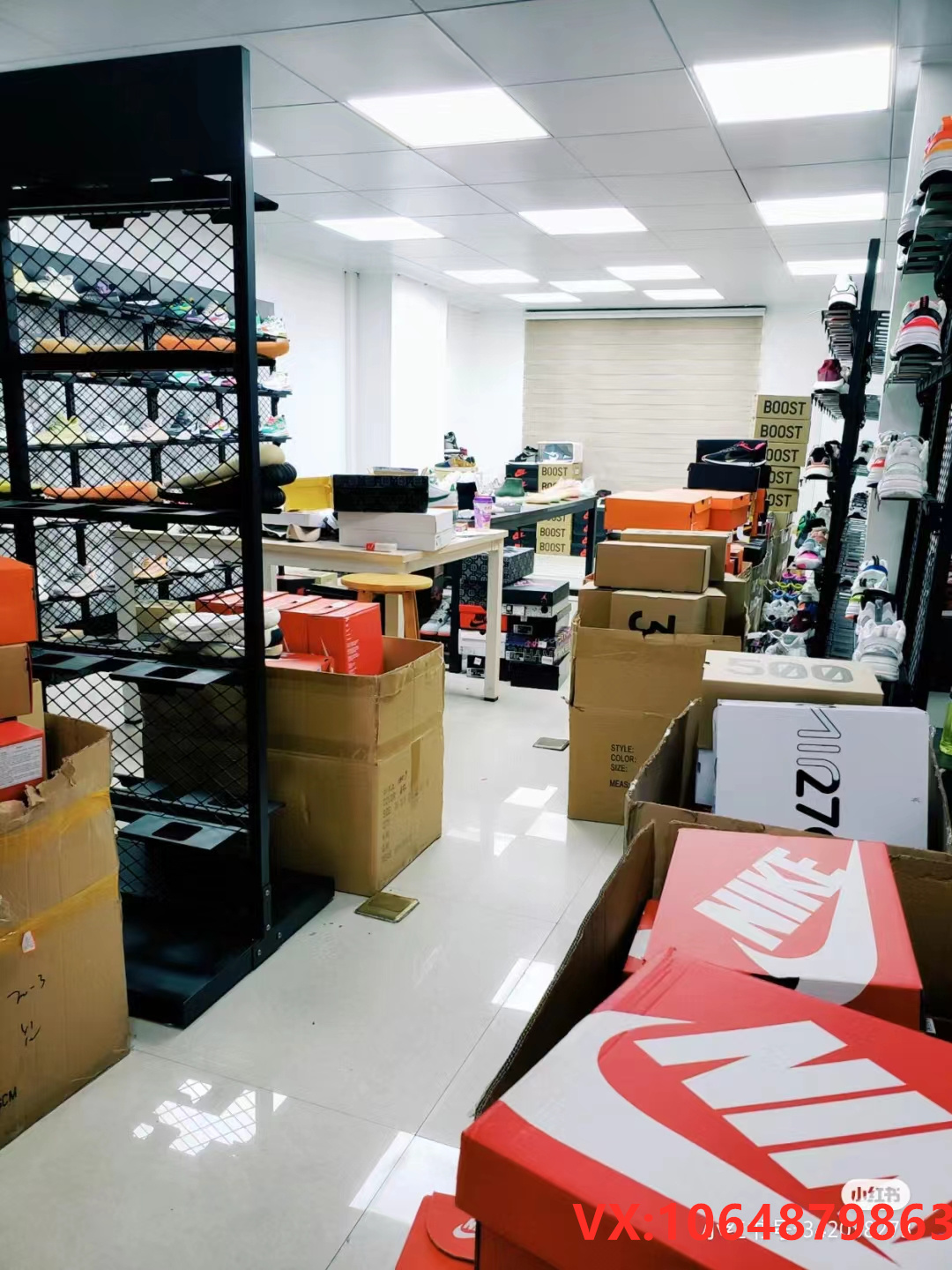
When you visit the market, don't just look at the display cases. Those are for show. Go to the back rooms wher the stock is piled high. Look for the "quality control" stations. Good suppliers will have a dedicated area wher workers inspect every pair before boxing. Check the glue lines. Are there messy blobs of adhesive? Is the stitching straight? Look at the box. Does it have the correct barcode, the right font, and the proper hologram stickers? In Putian, the packaging is just as important as the shoe itself.
I also teach my clients to check the "middle piece" of the sole. This is the carbon fiber plate in Air Jordans or the Boost material in Yeezys. Feel the texture. Is it soft and responsive, or does it feel like cheap rubber? This is the easiest way to distinguish a top-tier version from a mid-range knockoff. If the middle piece feels hollow or brittle, walk away. No matter how good the upper looks, the performance will be terrible.
Built Trust Through Face-to-Face Negotiation
Building a relationship with a supplier in Anfu is crucial. If you are new to the game, find a local agent or a trusted contact who can accompany you. They can translate the nuances of the negotiation and help you spot potential scams. When negotiating prices, remember that the lowest price is rarely the best value. A supplier offering a price that seems too good to be true is likely selling you a "low version" disguised as a high one.
Always ask for a sample before placing a bulk order. Yes, it costs a bit more upfront, but it saves you from losing thousands of dollars on a bad batch. once you find a reliable partner, stick with them. Consistency is key in this business. The market changes fast, but a good supplier will keep their quality standards steady. Don't be afraid to ask questions. The more you know, the less likely you are to get played.
In conclusion, sourcing from Putian is not about finding a magic grade or a perfect size chart. It is about understanding the craft, respecting the process, and doing your due diligence. Whether you are buying a single pair or a container load, treat every transaction with care. The market is vast, filled with opportunities for those who are willing to learn the ropes. Stay sharp, stay curious, and always trust your own eyes when it comes to quality.

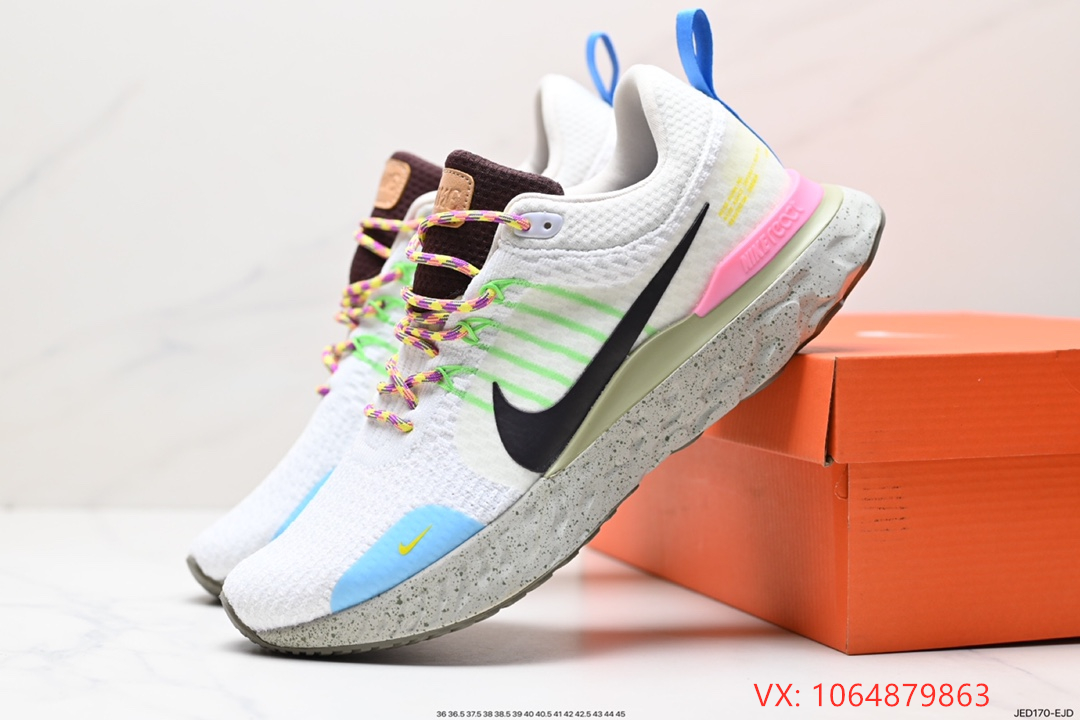
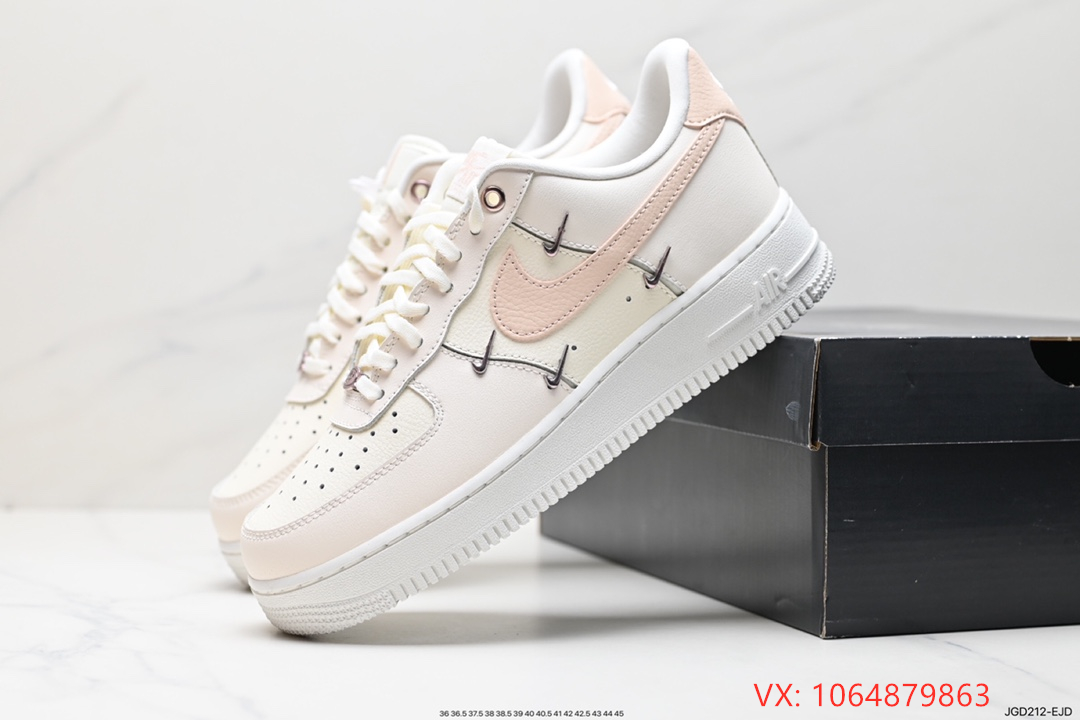
 On-site Visits
 Free Sharing
 Avoid Scams
 Updated Frequently
 For Reference Only