
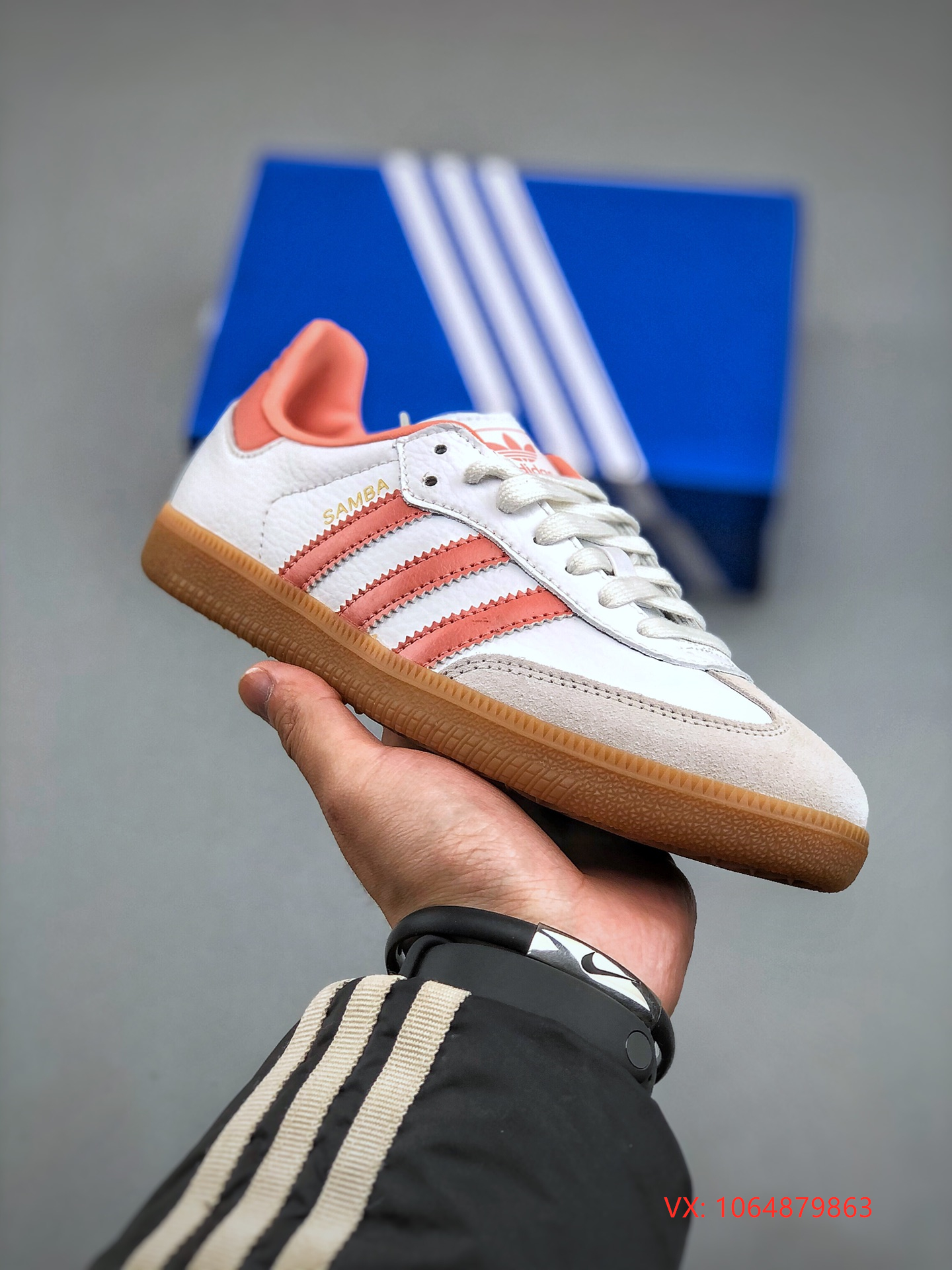
Real Talk: The Truth Behind Putian Leather Costs for Foreign Buyers
Welcome to the floor. If you are reading this, you probably think you know how the sneaker game works in China. You've seen the videos on TikTok, read the forums, and maybe even tried to message a supplier on WeChat who claims to be "factory direct." Let me stop you right there. I have been standing in the Anfu Economic Zone for over fifteen years. I have watched thousands of tourists walk through these doors with their cameras ready, looking for that perfect pair of "high quality replicas" or genuine leather blanks at rock-bottom prices. They always ask me one specific question before they even look at a single shoe: "What is the wholesale price for Putian cowhide sneakers?"
The honest answer? It depends entirely on what you mean by "cowhide" and wher you are willing to go to find it. There is no single number on a menu. In my shop, we deal with everything from top-tier Italian calfskin to synthetic blends that look like leather but cost pennies. If you want the real deal, you need to understand the supply chain, not just the sticker price. Let's break down exactly what goes into those numbers so you don't get ripped off when you land here.
The Anatomy of a Price Tag: What Are You Actually Buying?
Genuine Cowhide vs. PU: The Cost Gap
First things first, let's talk about materials. When foreign buyers ask about "Putian cowhide," they usually imagine full-grain leather imported from Italy or France. That is the gold standard, and yes, it exists here, but it comes with a heavy price tag. If you are looking for genuine cowhide sourced from domestic Chinese tanneries, which is what 90% of our market uses, the raw material cost per square foot is significantly lower than European imports. A pair of shoes made with high-quality domestic cowhide will generally sit between $18 and $25 in pure material costs before labor. However, if you demand premium Italian leather, that jumps to $40-$60 just for the hide alone.
Then there is the elephant in the room: PU leather. Many new buyers confuse "fake leather" with "low quality." High-grade PU can look and feel incredibly close to real leather, especially when paired with good stitching. For a buyer on a tight budget, this is the entry point. You can find PU-based sneakers here for as low as $8 to $12 in production costs. But be warned, if you are hunting for "Putian cowhide wholesale," you are likely paying for the texture and durability of real skin, not the plastic feel of cheap synthetics. Always specify your material requirement clearly, or you will end up with a box full of PU shoes when you expected cowhide.
Labor and Construction: Wher the Money Goes
You cannot separate the leather cost from the craftsmanship. Putian is famous because the workers here have been making sneakers for decades. They know how to handle thick cowhide without tearing it, how to align patterns perfectly, and how to glue the sole so it doesn't peel after three months. This expertise adds value. A simple rubber sole assembly might cost $3, but a complex injection-molded midsole with air cushion technology? That pushes the cost up another $5 to $8. When you negotiate with a vendor in Anfu, remember that the $20 price tag isn't just for the leather; it is for the hands that stitched it together.
Navigating the Anfu Market: A Local's Guide to Sourcing
Walking the Floor: Why You Can't Just Order Online
I see too many foreigners trying to order samples via Alibaba or WeChat without ever visiting. It is a mistake. The Anfu Economic Zone is a maze of small shops, hidden warehouses, and pop-up stalls. The best deals are never listed online. When you walk into a physical store, you can touch the leather, smell the glue, and check the stitching density. This tactile experience is crucial. If you are sourcing "Putian high quality replica shoes" or custom leather blanks, seeing the grain pattern in person is the only way to verify authenticity. online photos are often edited to make PU look like cowhide. Trust your eyes, not the screen.
Also, the atmosphere matters. In the morning, the market is quiet, and the owners are preparing stock. By noon, it is chaos. If you want to negotiate seriously, come early. The vendors are more relaxed, and they are willing to show you their "secret stash" of premium leather that they don't display on the main racks. This is wher you find the real gems—shoes made with leftover luxury brand leather scraps that are sold at a fraction of the cost.
Dongfang Street and the Hidden Warehouses
Anfu is the heart, but don't ignore the surrounding streets like Dongfang Road. This is wher the larger factories and bulk suppliers operate. If you are planning to buy in volume, say 50 pairs or more, you need to go here. These locations often have better inventory management and can offer tiered pricing. I have seen buyers get stuck in Anfu proper paying retail-like prices because they didn't know to ask for the "warehouse rate." The vendors here deal with big distributors, so they expect you to know the difference between a sample price and a bulk price. Don't be shy to ask, "What is the price for 100 pairs?" immediately. It changes the conversation from a casual chat to a serious business deal.
Dealing with Vendors: Negotiation and Avoiding Scams
The Art of the Deal: How to Get the Real Price
When you are standing in front of a counter, the first number the vendor gives you is almost always a markup. They know you are a foreigner, and they assume you don't know the local market rates. My advice? Do not panic. Smile, nod, and start asking questions about the leather source. Ask them, "Is this Italian cowhide or domestic?" "What is the thickness of the sole?" "Can I see the factory invoice?" once you show you know the technical details, their guard drops. They realize you are a pro, not a tourist. Then, you can start negotiating. A typical discount range for bulk orders is 10% to 15%, but if you are buying a mixed batch of different styles, you might push for 20%. Never accept the first quote.
Also, clarify the payment terms. Many scams happen here because buyers send money upfront without any protection. Insist on using a secure platform or meeting halfway. If you are buying "Putian Nike Jordan" or similar models, ensure the vendor provides a video call verification before you pay. I have seen too many people lose thousands of dollars because they trusted a photo sent over WhatsApp. Face-to-face transactions in the market are the safest bet.
Quality Control: The Final Step Before Payment
Before you hand over the cash, inspect every single pair. Check the glue lines, the symmetry of the laces, and the stiffness of the heel counter. For cowhide specifically, look for natural imperfections. Real leather has pores and slight variations; if the surface is perfectly smooth and uniform, it is likely PU. Also, check the box. In Putian, the packaging is part of the product. A cheap box ruins the perceived value. Make sure the vendor includes the correct branding tags and dust bags. If you are sourcing for resale, these small details matter immensely to your customers back home.
Finally, build a relationship. The sneaker market in Putian is built on trust. If you treat the vendors well, speak their language (even a little bit), and pay on time, they will give you priority access to new releases and better prices next time. Don't just be a one-time buyer. Become a regular. That is how you get the real "wholesale price" that everyone else is talking about. The market rewards loyalty, and in the long run, that is the only way to get consistent quality and fair pricing on your leather sneakers.

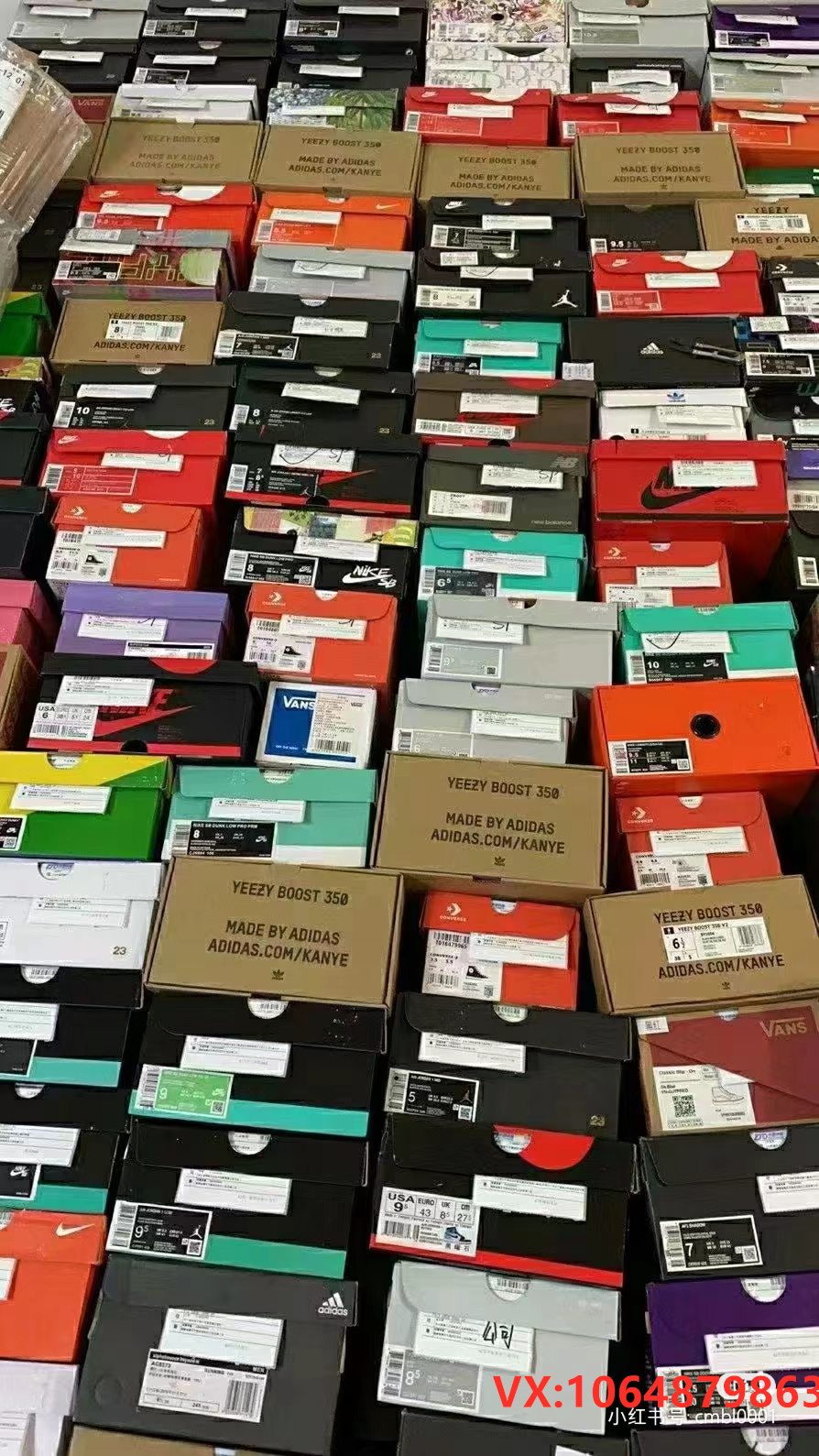
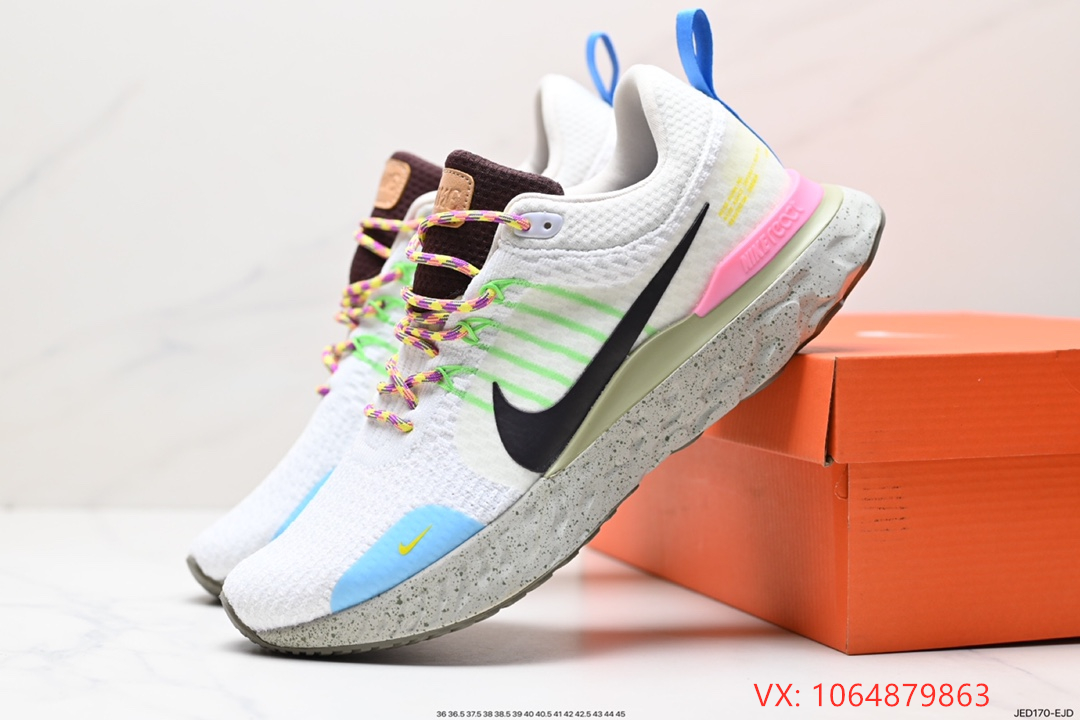
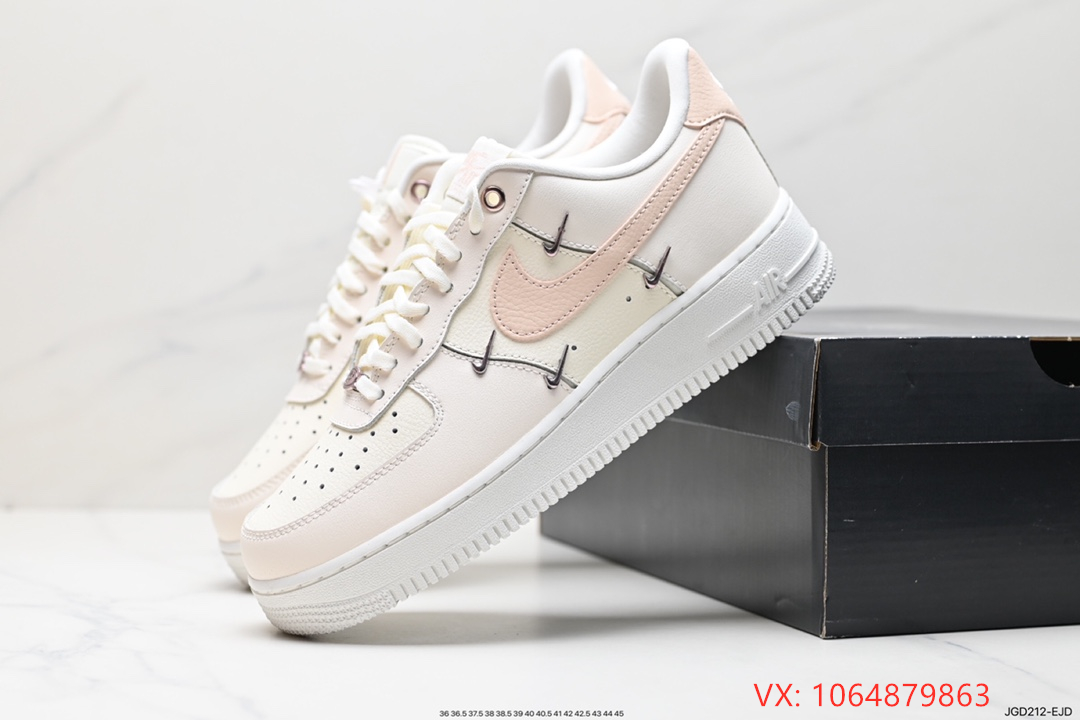
 On-site Visits
 Free Sharing
 Avoid Scams
 Updated Frequently
 For Reference Only