
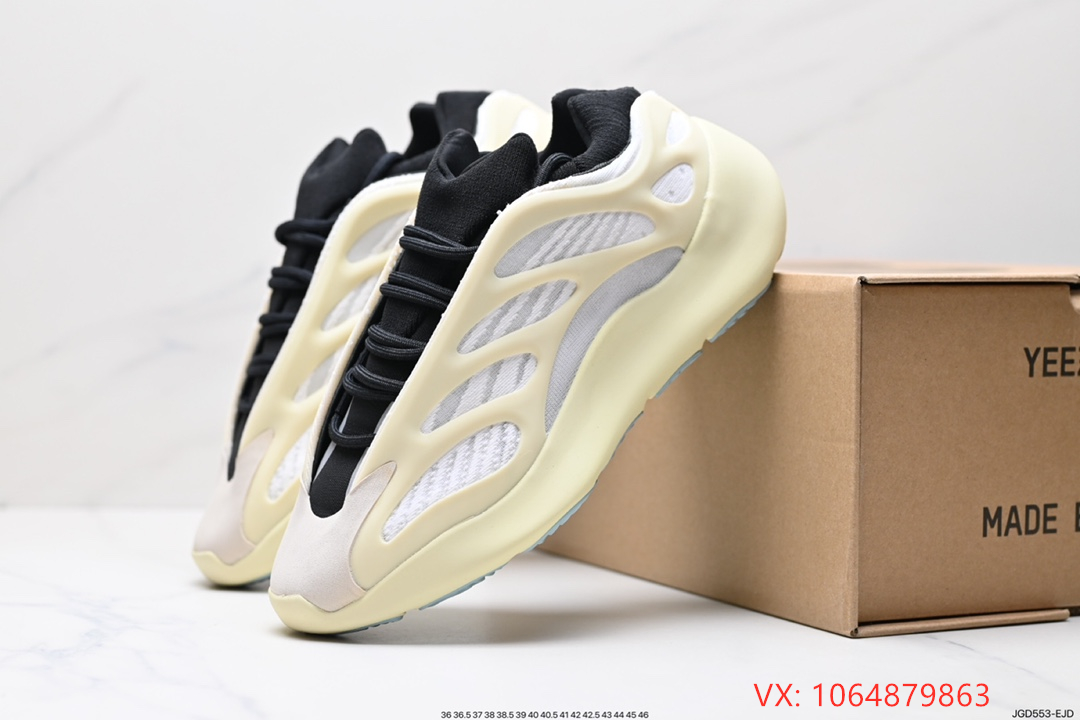
Why the Price of Putian Shoes Varies So Much
Welcome to the real world of Putian, wher I have spent more than two decades walking the dusty floors of the Anfu E-commerce City and its surrounding workshops. If you are an overseas buyer asking me, "What is the price grade for Putian shoes?", you are asking a question that has no single answer. It is like asking how much a house costs in New York without specifying if it is a studio in Queens or a penthouse in Manhattan. In my experience dealing with foreign clients who want to source from China, the biggest mistake they make is looking for a fixed price list. The truth is, the pricing structure here is built on layers of quality, materials, and craftsmanship that can range from a cheap knockoff to a replica so close to the original that even the brand's own employees might struggle to tell them apart.
The Entry-Level Grade: The $15-$25 Range
Let me be honest with you. When you see listings online advertising "Putian shoes" for fifteen or twenty dollars, these are what we call the "market goods" or low-grade replicas. These are made in small, often unregulated workshops that prioritize speed over substance. The leather is usually synthetic plastic that cracks after a month, the glue smells terrible, and the sole rubber is hard and slippery. For a reseller targeting budget-conscious customers who just want the logo, this tier works. But if you are building a brand or trying to sell to serious sneakerheads, do not waste your time here. The profit margin looks good on paper, but the return rate will kill your business reputation faster than anything else.
The Mid-Range Grade: The $40-$60 Sweet Spot
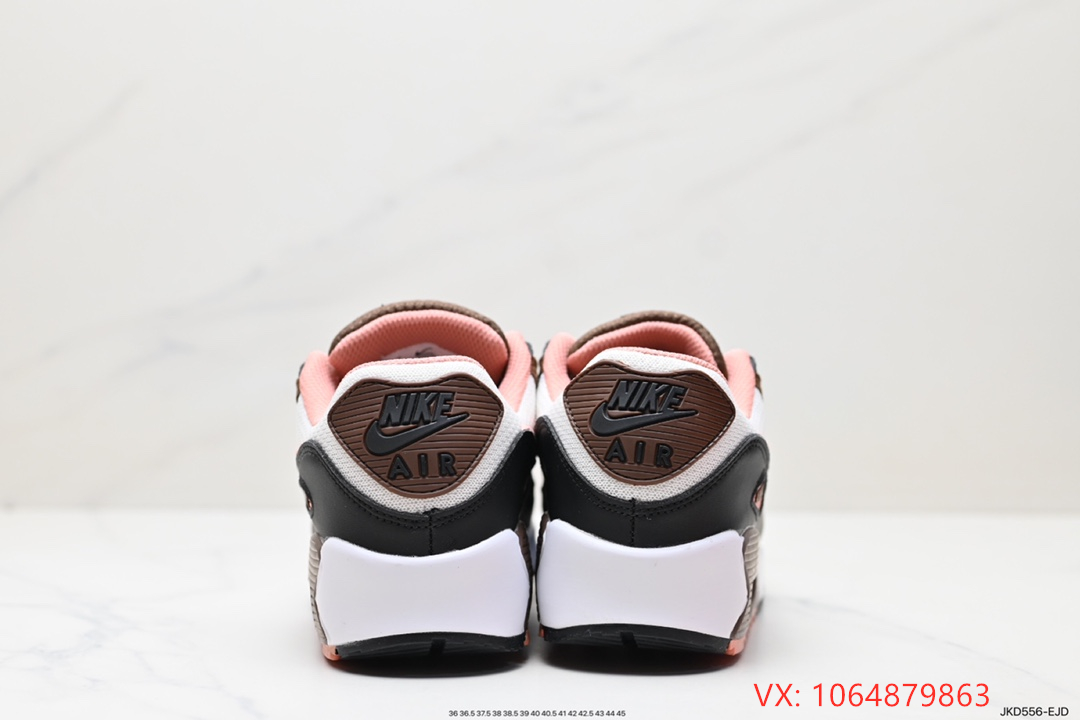
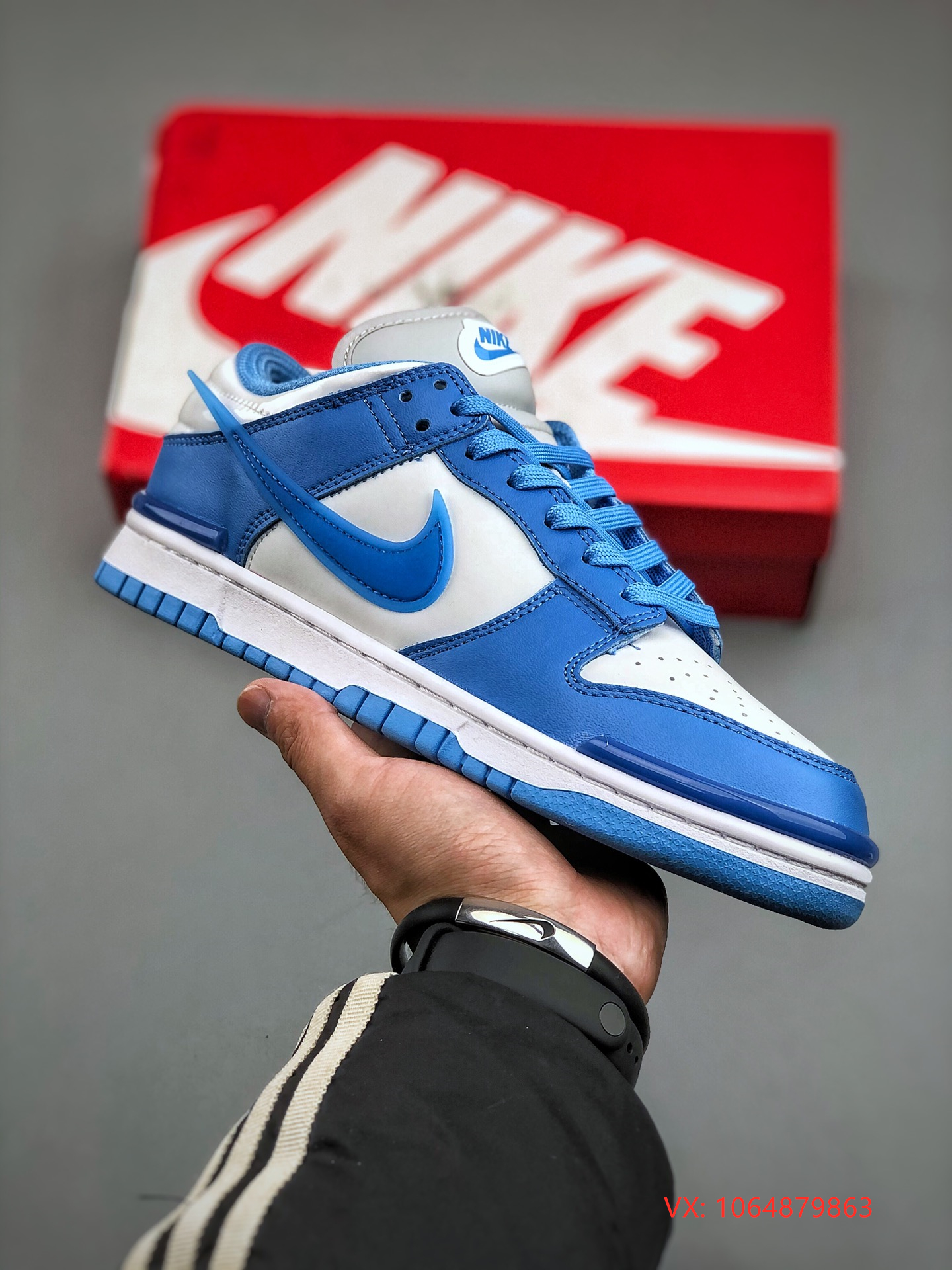
This is wher most legitimate exporters operate. This tier represents the "high copy" market. You will find these shoes in the main corridors of Anfu Market. The materials are significantly better; we use genuine cowhide or high-quality suede that mimics the texture of the big brands. The stitching is tighter, and the midsoles often come from the same factories that supply the major brands, though sometimes slightly modified. The price here reflects the labor cost of skilled workers who know exactly how to assemble the shoe to look authentic. If you are importing for a boutique store or an online shop focusing on value, this is the grade you should negotiate for. It offers a balance between cost and customer satisfaction.
The Top Tier: The $80-$120+ Masterpieces
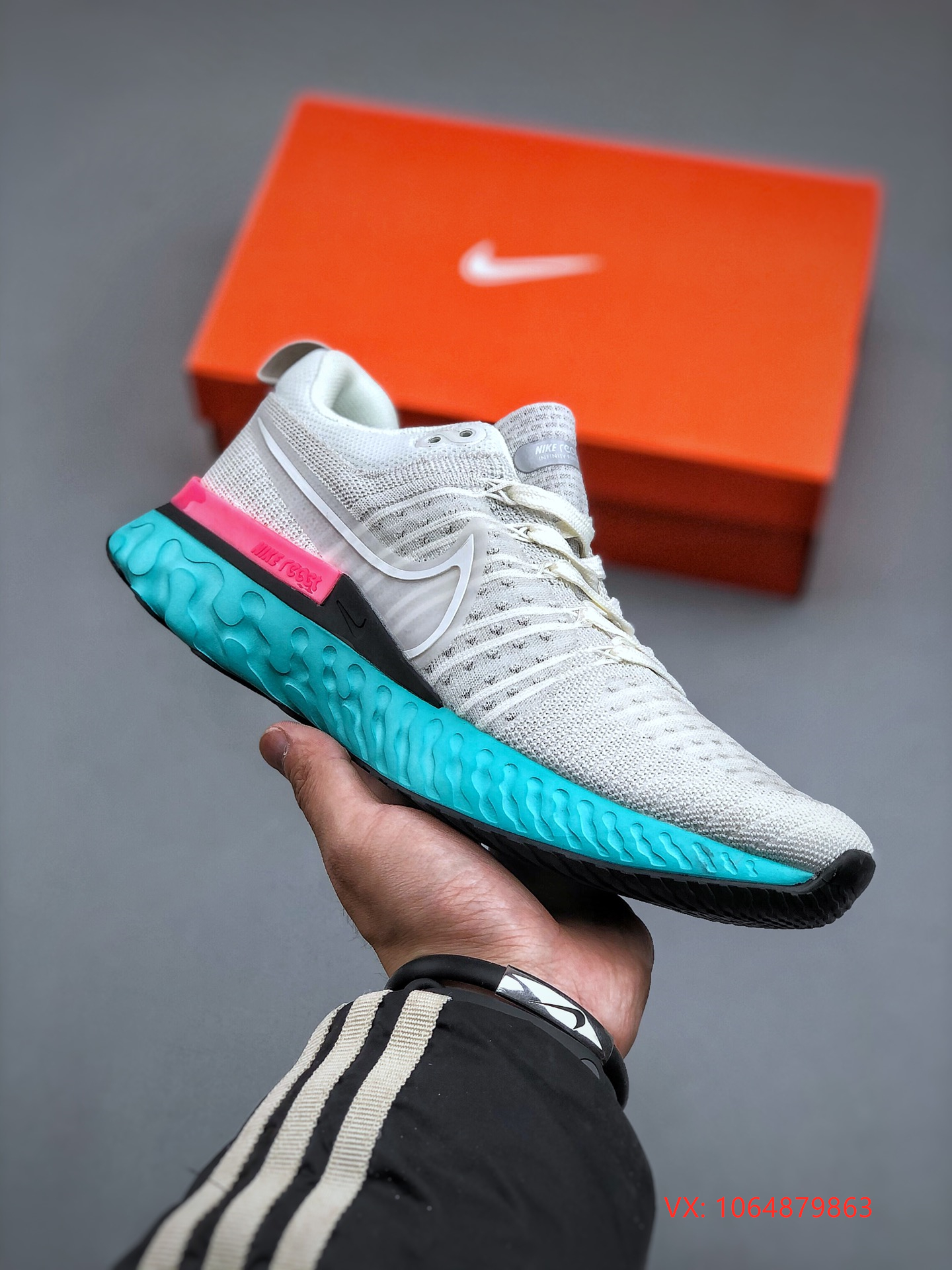
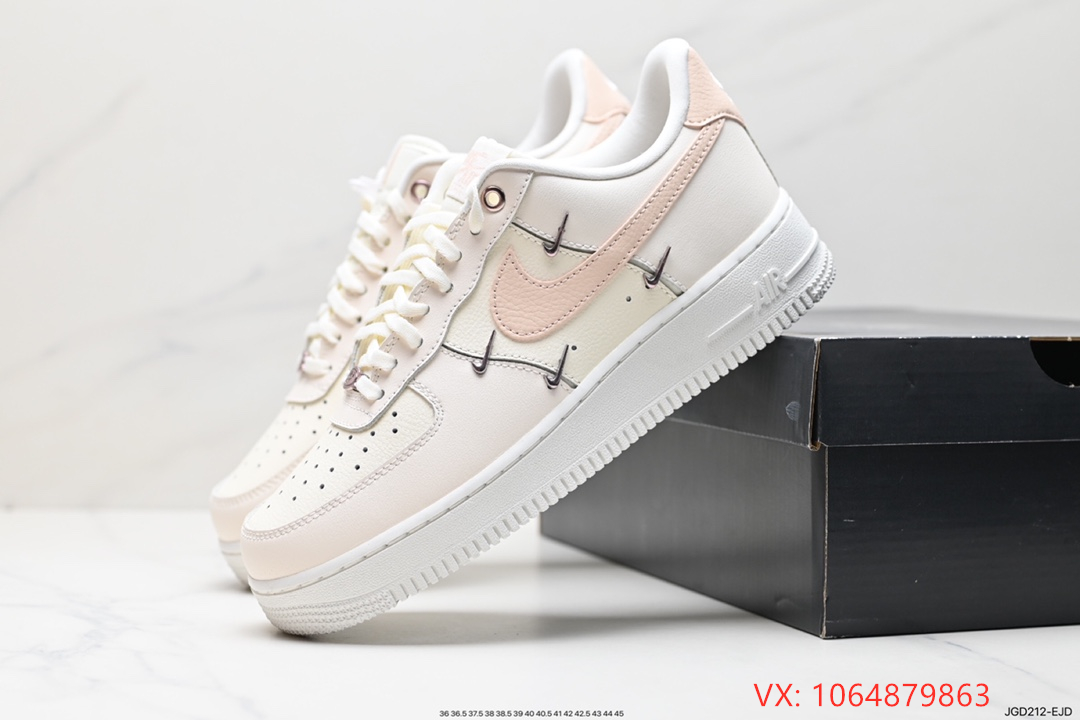
Now, let's talk about the "LJR" or "OG" versions, which stand for the highest quality available. These are the shoes that command respect in our local circles. The price jumps because the molds are exact copies of the original factory molds, down to the last millimeter. We use premium materials sourced from the same suppliers as the global giants. The foam technology in the sole is identical, providing the same bounce and comfort. The packaging is often indistinguishable from the retail box, complete with extra laces and dust bags. For a buyer looking to compete directly with authorized retailers or sell to collectors, this is the only option. However, be warned: the minimum order quantity (MOQ) is higher, and the lead time is longer because these shoes require meticulous hand-finishing.
Navigating the Anfu Market: A Buyer's Survival Guide
Many foreigners try to order via WhatsApp or Alibaba without ever visiting. They think they can get the best deal by staying home. Let me tell you, that is a trap. The real deals happen face-to-face in the Anfu E-commerce City. The market is a maze of multi-story buildings packed with hundreds of stalls. Each stall represents a different supplier, and each supplier has access to different grades of production lines. When you walk into a stall, the first thing you need to do is show them you know what you are talking about. Do not ask for "the cheapest." Ask for the "best material" or the "latest mold."
Inspecting the Goods Before You Pay
Never accept a photo as proof of quality. Photos can be edited, and stock photos are often misleading. When you are at the stall, demand to see the actual shoes. Check the stitching density. Look at the alignment of the swoosh or the logo. Smell the shoe; if it smells like strong chemicals, the glue used was cheap. Feel the sole; it should have some flexibility, not feel like a brick. I have seen buyers lose thousands of dollars because they trusted a picture of a perfect pair while the box contained defective units. Always inspect a random sample from the batch before paying the full amount. If the seller refuses to let you check the goods, run away immediately.
Negotiating and Building Trust
In Putian, relationships are everything. once you establish trust with a vendor, they will give you priority access to new releases and better prices. Negotiation is not just about haggling over the unit price; it is about discussing shipping terms, return policies for defective items, and future volume discounts. Many foreign buyers fail because they act like one-time customers. Tell the owner you plan to build a long-term partnership. Show them you understand the local market dynamics. When you speak their language, both literally and culturally, they treat you differently. They will introduce you to their best production lines that are not even listed on any website.
Avoiding Scams and Common Pitfalls
The industry is rife with scams, especially targeting inexperienced importers. One common trick is the "sample vs. bulk" switch. A seller sends you a perfect sample, but when you pay for the bulk order, the quality dros drastically. To avoid this, always sign a simple agreement stating that the bulk order must match the approved sample. Another pitfall is the fake shipping documents. Some sellers provide tracking numbers that look real but lead nowher. Always verify the logistics company independently. Furthermore, be cautious of sellers who promise "no risk" or "guaranteed customs clearance." No one can guarantee that. Customs laws vary by country, and relying on a seller to handle this is a recipe for disaster.
Understanding the Supply Chain
It is also crucial to understand that Putian is not a single factory. It is an ecosystem. There are factories that make the uppers, others that make the soles, and assembly lines that put them together. Some vendors are middlemen who buy from multiple sources and resell to you. While this makes sourcing easier, it cuts into your margins. Try to find the direct factory representatives. They are often harder to reach but offer the best prices. Look for vendors who have their own warehouses in the Anfu area. This indicates they have control over the inventory and can ship quickly. If a vendor claims to be a factory but operates out of a small apartment, they are likely just a broker.
Final Thoughts for the Global Buyer
So, to answer your question again: the price of Putian shoes depends entirely on the grade you choose. Whether you are looking for the budget-friendly options or the top-tier replicas, the key is to do your homework. Visit the market if possible, inspect every detail, and build a relationship based on transparency. The Putian market is dynamic and constantly evolving. What was popular last year might be outdated today. Stay updated, stay vigilant, and remember that in this business, quality is the only currency that matters in the long run. If you approach this with patience and a keen eye for detail, you will find that Putian remains the undisputed hub of footwear manufacturing in the world.

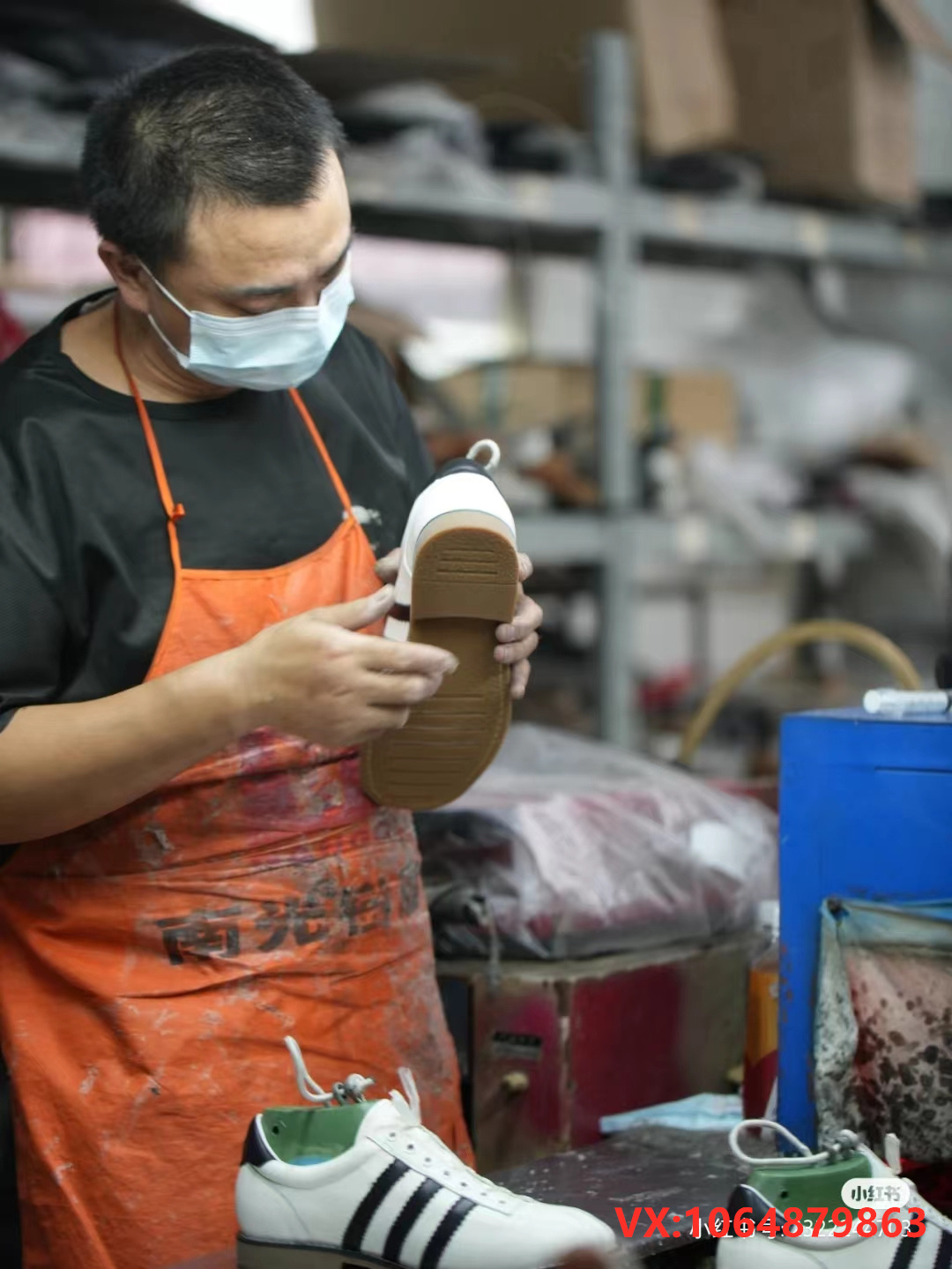
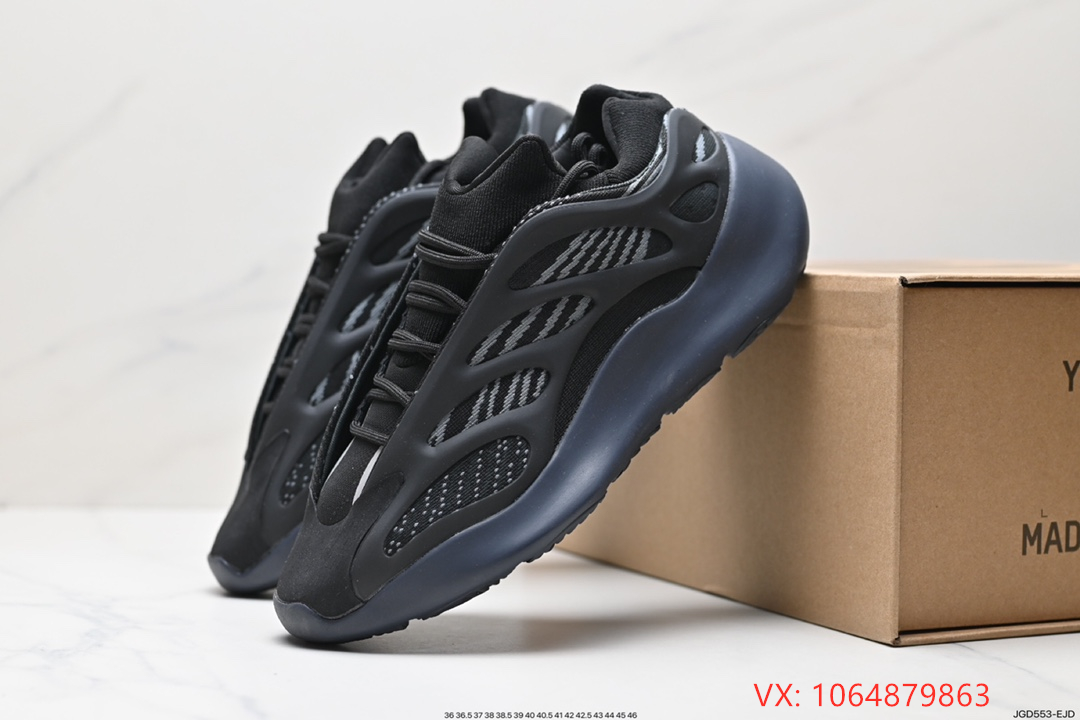
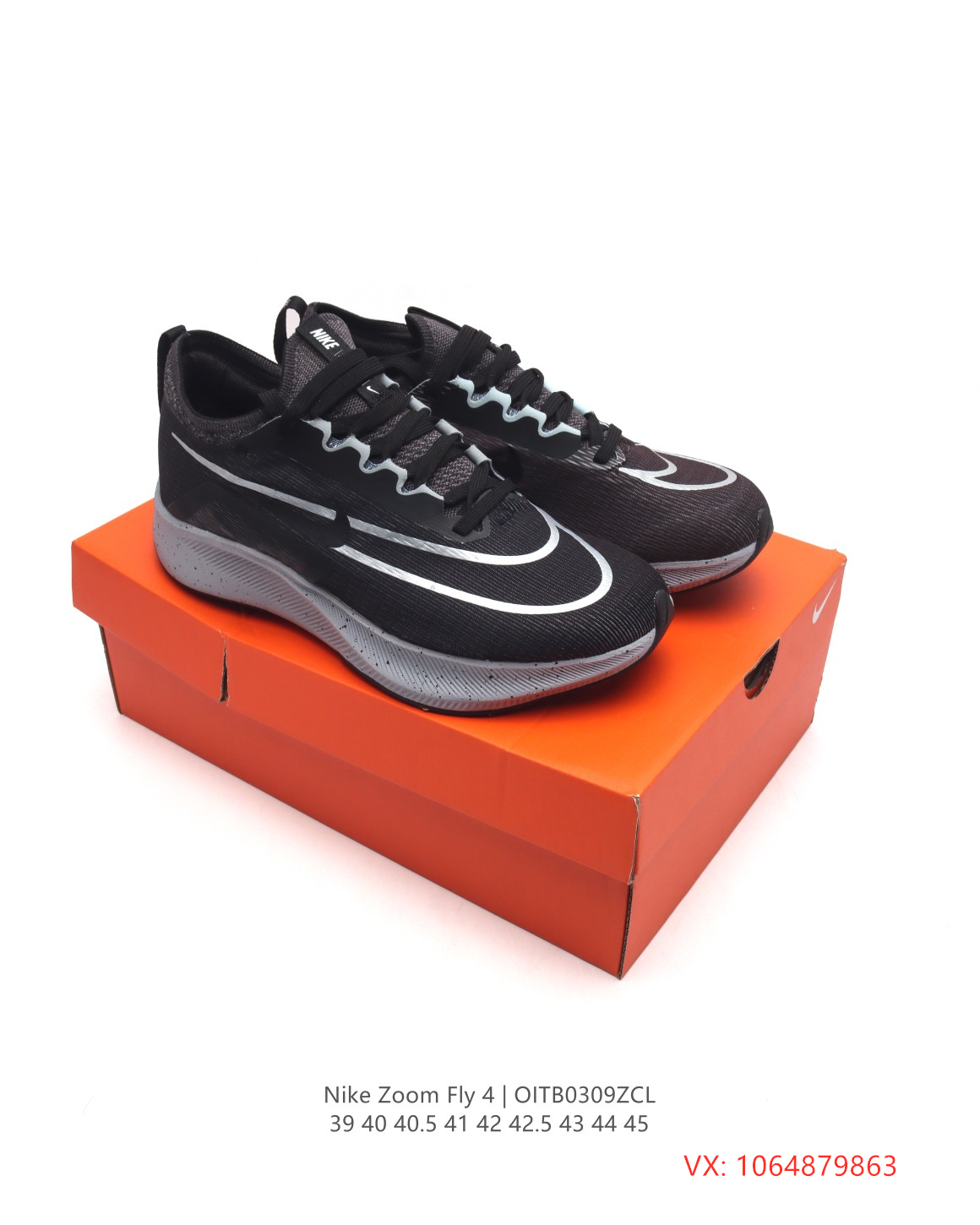
 On-site Visits
 Free Sharing
 Avoid Scams
 Updated Frequently
 For Reference Only