
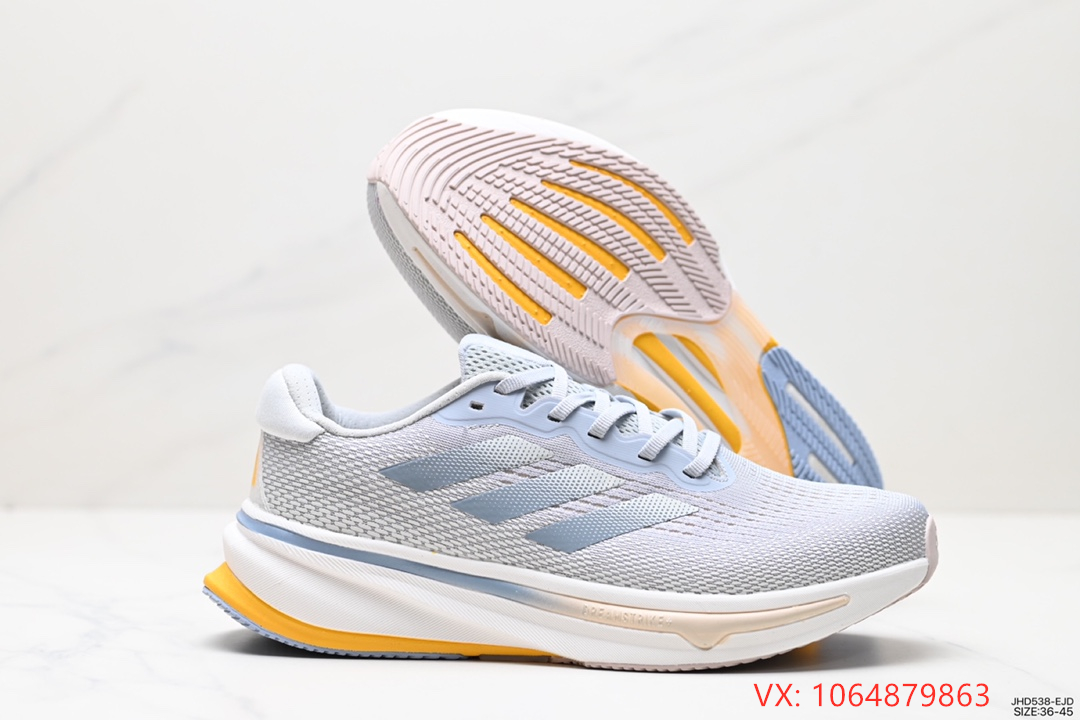
Walking the Floors of Anfu: A Veteran's Guide to Spotting Quality Tiers
Welcome to the real world of footwear sourcing. If you are reading this, you probably already know that "Putian shoes" is a term that carries a lot of weight, and often a lot of confusion, in the global sneaker market. I have been standing on these concrete floors of the Anfu E-commerce City for over fifteen years. I've seen thousands of foreign buyers walk through my door, some with big budgets and clear plans, others completely lost, asking me how to tell if a pair is "high quality" or just another cheap knockoff. Let me be honest with you: there is no magic stamp that says "Genuine." Instead, there is a hierarchy of craftsmanship, materials, and attention to detail that separates the top-tier replicas from the garbage sold on random street corners.
The Myth of the "Grade" Label
First, let's clear up the biggest misconception. You will hear terms like "AAA," "1:1," "Top Tier," or "Mirror Quality" thrown around by agents and sellers online. In my experience running a physical stall, these labels are meaningless marketing fluff designed to confuse new buyers. When a seller tells you they have "1:1" goods, it doesn't mean they are identical to the brand factory; it means they are trying to sell you their best version. The real distinction lies in the specific production batch and the mold used. In Putian, we don't just make one version of a shoe. We might have three different molds for the same model. One uses the original rubber compound, another uses a cheaper substitute, and a third is a complete mess. Your job as a buyer is to identify which mold is being used before you even think about price.
Navigating the Chaos: How to Inspect Shoes On-Site
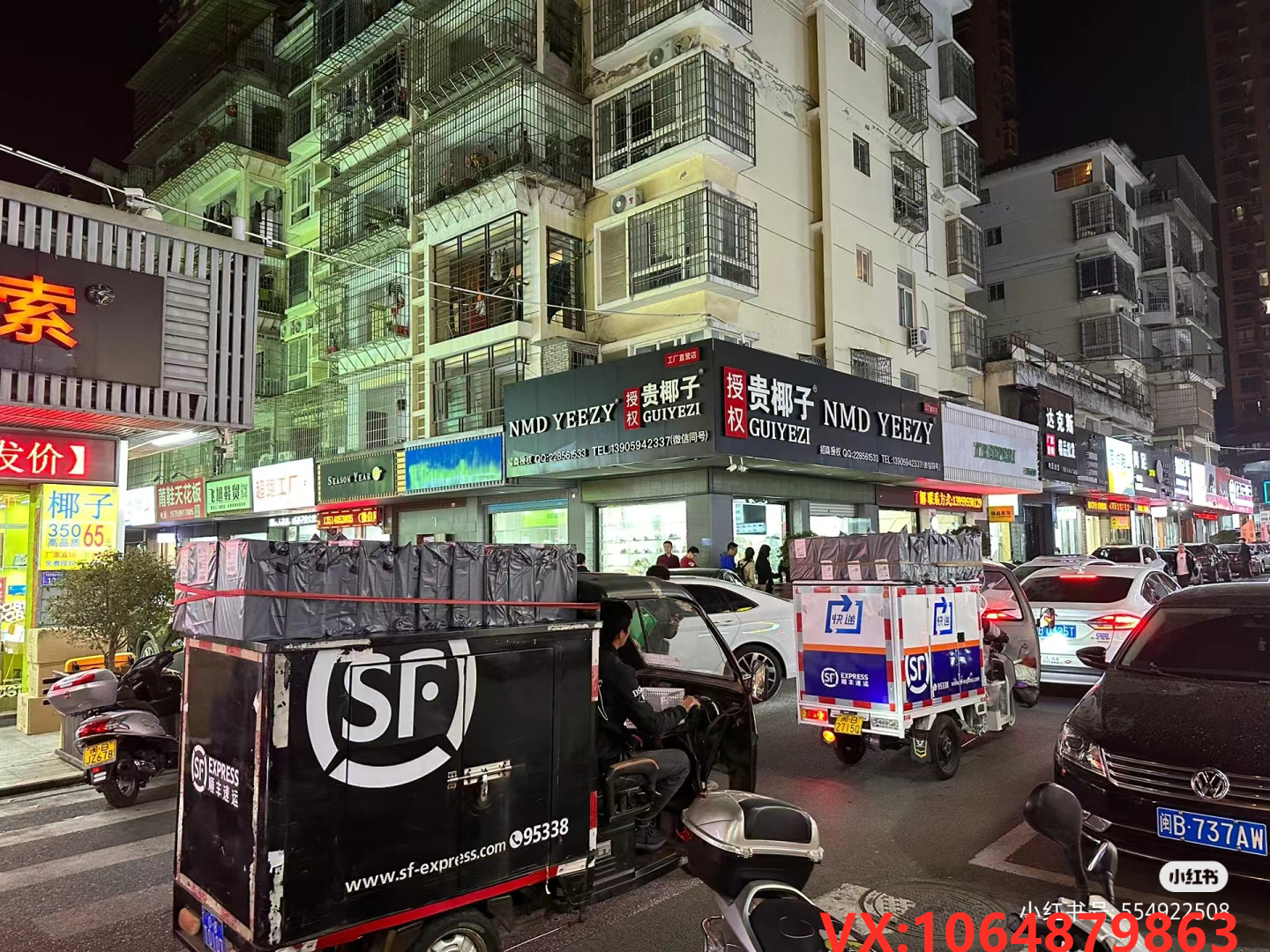
If you are serious about finding reliable suppliers, you cannot rely solely on photos sent via WhatsApp or WeChat. Photos can be edited, angles can be hidden, and lighting can hide flaws. That is why I always tell my international clients: come to Anfu. Walk the floors. The difference between a good deal and a bad one is found in the details you see with your own eyes. When you stand in front of a booth, do not just look at the box. Look at the stitching. Look at the glue lines. Look at the smell.
The Glue Line Test
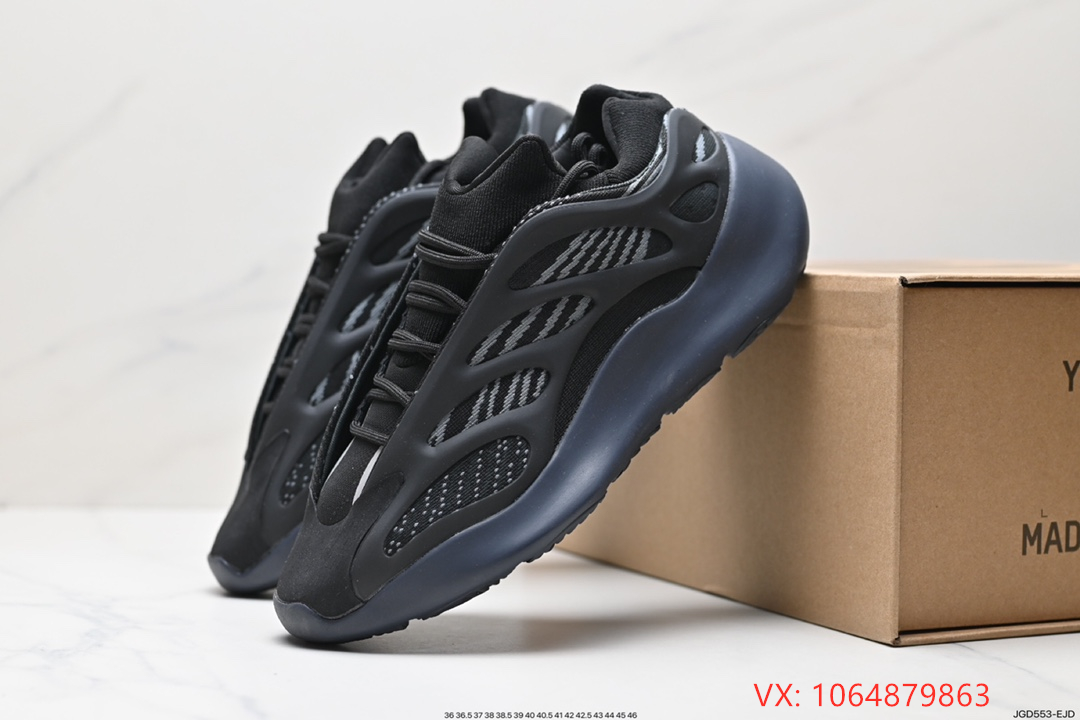
This is the first thing I check when a customer brings a sample to my desk. High-quality Putian shoes, the ones that actually cost more to produce, have clean glue lines. There should be no excess glue oozing out from the midsole to the upper. If you run your finger along the edge and feel rough bumps or sticky residue, that is a sign of a low-tier factory rushing production. The top factories in Putian use automated gluing machines and strict quality control, resulting in a seamless bond. Cheap versions are hand-glued with sloppy precision, leaving visible marks that scream "fake" to anyone who knows what to look for.
Material Feel and Smell
Touch is everything. Premium leather and knit materials used in high-end replicas feel soft, breathable, and consistent. They mimic the texture of the authentic brand almost perfectly. Low-grade versions often feel stiff, plasticky, or uneven. But the most telling sign is the smell. Authentic sneakers and high-quality replicas have a distinct, mild rubber or leather scent. If you open the box and are hit with a strong, chemical, or acrid smell, put the shoe down immediately. That indicates the use of cheap, toxic adhesives and synthetic foams that degrade quickly. I have seen buyers return shipments because of this exact issue after wearing them for a week.
Building Trust: Dealing with Local Suppliers
once you have learned to spot the quality, the next challenge is finding a supplier who won't scam you. Many foreigners get burned by agents who promise the moon but deliver dust. In Anfu, the dynamic is different. You are dealing with people who live and breathe this business every day. They want repeat customers. They want you to come back next season. This is wher your negotiation skills come into play.
Reading the Room at the Booth
When you approach a stall, observe the owner. Are they busy packing orders? Do they have a stack of boxes ready to ship? Or are they just sitting there scrolling on their phone? A busy stall usually means good turnover and reliable stock. Don't be afraid to ask direct questions. Ask them, "Which mold is this?" or "Is this the latest version?" If they hesitate or give a vague answer, move to the next booth. The best suppliers in Putian are transparent. They will show you the differences between their tiers. They might say, "This is the 90% version, but this one here is the 100% version with the correct sole hardness." Listen to them. Their honesty is your best asset.
Sample Before Bulk Order
Never place a bulk order without seeing a sample first. This is non-negotiable. Even if you have bought from this agent before, styles change, and factories switch molds. Always pay for a single pair to inspect the quality personally. once you receive the sample, compare it side-by-side with an authentic pair if possible. Check the size chart, the arch support, and the flexibility of the sole. If the sample passes your inspection, then you can discuss pricing for larger quantities. This step saves you from losing thousands of dollars on a bad batch.
Avoiding Pitfalls: What Every Buyer Must Know
The Putian market is vast, and while it offers incredible value, it is also full of traps. As someone who has seen hundreds of transactions, I want to share a few hard-learned lessons to protect your investment.
Beware of Price Traps
If a price seems too good to be true, it is. There is a reason why some sellers offer "top quality" for $20. They are selling you the lowest tier available. Real craftsmanship costs money. Materials, labor, and quality control all add up. If you are looking for the best Putian shoes, expect to pay a premium compared to the cheapest options. However, you do not need to pay retail prices. The sweet spot is usually between $40 and $80 per pair, depending on the complexity of the design. Anything below that range is likely to disappoint you in terms of durability and comfort.
Shipping and Customs Risks
Another common mistake is ignoring shipping logistics. Many buyers focus only on the shoe quality but forget about the delivery. Ensure your supplier uses a reliable courier that can handle customs declarations properly. Some countries have strict regulations on branded footwear. Work with your supplier to declare the items correctly, perhaps as "sports shoes" or "unbranded footwear" to avoid seizure. Also, ask for tracking numbers immediately. A trustworthy supplier will provide full transparency on the shipping process.
Final Thoughts from the Ground Floor
Sourcing from Putian is not a game of luck; it is a skill. It requires patience, observation, and a willingness to learn the nuances of the trade. The Anfu market is a living ecosystem wher the best deals go to those who know how to navigate it. By focusing on physical inspection, understanding the material differences, and building genuine relationships with local vendors, you can find high-quality products that satisfy your customers. Remember, the goal is not just to buy cheap shoes, but to buy smart. Come to the floor, talk to the owners, and trust your eyes. That is the only way to succeed in this industry.

 On-site Visits
 Free Sharing
 Avoid Scams
 Updated Frequently
 For Reference Only