
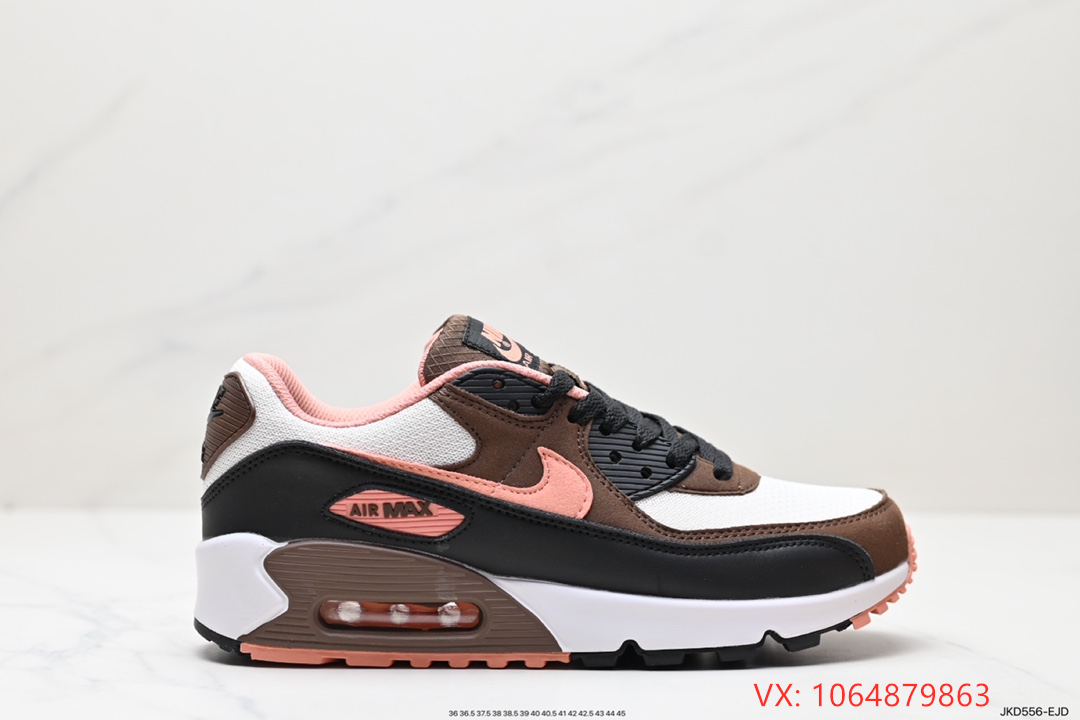
Walking the Floors: My Secrets to Spotting Quality and Sizing in Putian
I have been standing behind the counter at Anfu Street for over fifteen years. While the world talks about "replicas" or "high copies," I just see shoes. To me, this is a massive industrial hub wher real craftsmanship meets global demand. If you are an overseas buyer trying to navigate the chaos of Putian sneaker markets, forget what you read on forums. The only truth is what you see with your own eyes when you walk into these crowded corridors. Many foreigners come here expecting a smooth transaction, but without knowing how to distinguish quality from junk or how to verify sizes, they often leave empty-handed or stuck with bad stock.
The First Rule: Don't Trust the Photos
When I first started dealing with international clients, they would send me photos from Alibaba or WeChat groups asking, "Is this the same as the original?" My answer was always the same: no photo tells the whole story. In our market, there are hundreds of factories producing similar models. A picture might show a perfect stitch, but the leather could be stiff, or the glue smell could be overwhelming. When you visit us physically, you can feel the weight of the sole. High-quality versions use better rubber compounds that don't crack after a month. Cheap ones feel like plastic. You need to touch the upper material. Does it breathe? Is the texture consistent? If you rely solely on images sent by strangers, you are gambling with your money.
Navigating the Maze: Finding the Right Stall
Anfu Street is not a single building; it is a sprawling network of buildings, alleys, and hidden workshops. Most tourists get lost immediately. They end up in stalls selling low-grade goods because those shops advertise loudly on the street. Real high-quality sources are usually tucked away in the back rooms or require a referral. If you are looking for top-tier sneakers, do not stop at the first shop you see. Walk deeper. Look for stalls that have stacks of boxes rather than just display pairs. These are the places that deal in volume and care about their reputation.
Building Trust with Local Bosses
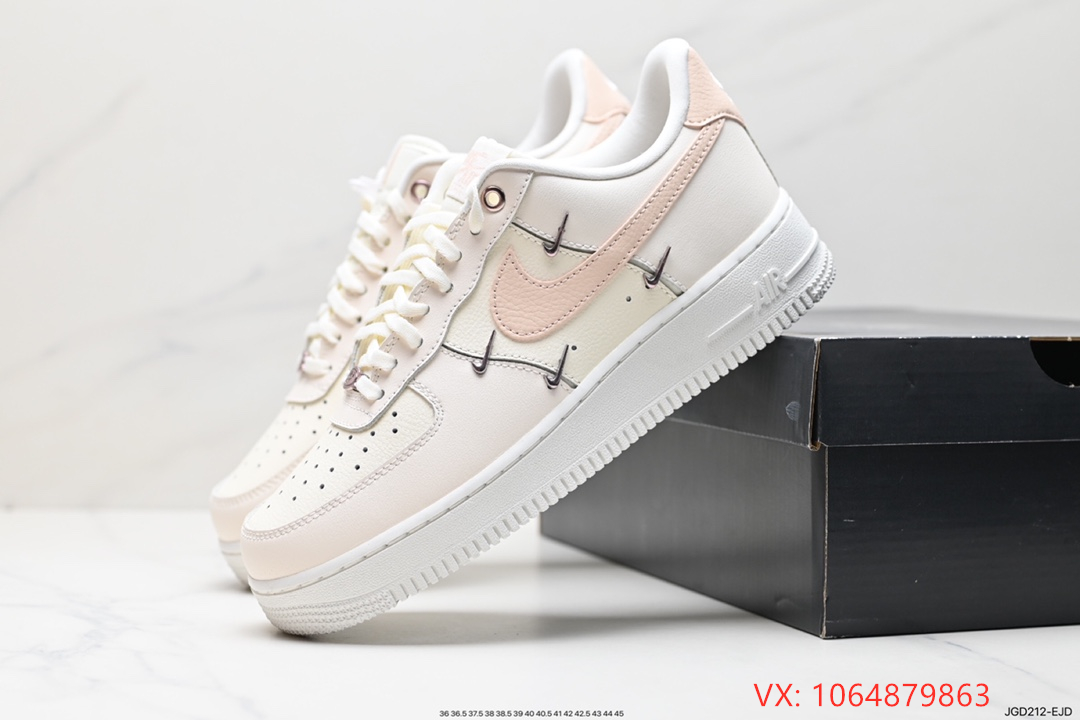
Communication is key. In my experience, the best deals happen when we speak openly. Do not try to bluff about knowing the market if you do not. Tell me exactly what you want. Are you looking for the latest Jordan 4s or classic Air Force 1s? Be specific about the version you want. Some sellers offer "mid-range" quality which is fine for casual wear, while others specialize in "top tier" or "OG" quality that mimics the factory specs almost perfectly. once you establish a rapport, I will show you samples from different batches. This transparency builds trust. If a seller refuses to show you the inside of the shoe or the outsole details, run. That is a red flag.
The Art of Verification: Quality and Sizing
This is wher most buyers fail. They order based on US sizing charts without understanding that Asian manufacturing has its own quirks. Even within the same model, different production lines can have slight variations in last shape. When I help a client check a pair, I look at three things: the stitching, the midsole bonding, and the size tag.
Decoding the Size Tag
Never assume the size printed on the box matches the actual fit. In Putian, we have seen cases wher a "US 10" fits like a "US 9.5." Always ask for the CM (centimeter) measurement of the insole length. This is the only accurate way to determine fit. I keep a measuring tape handy for every customer. Measure the insole from heel to toe. Compare it to your foot length plus a little room for comfort. If the seller hesitates to give you this data, they are likely hiding something. Also, check the QR code or serial number on the tongue label. While these can be faked, consistent formatting across multiple pairs indicates a serious operation.
Inspecting the Craftsmanship
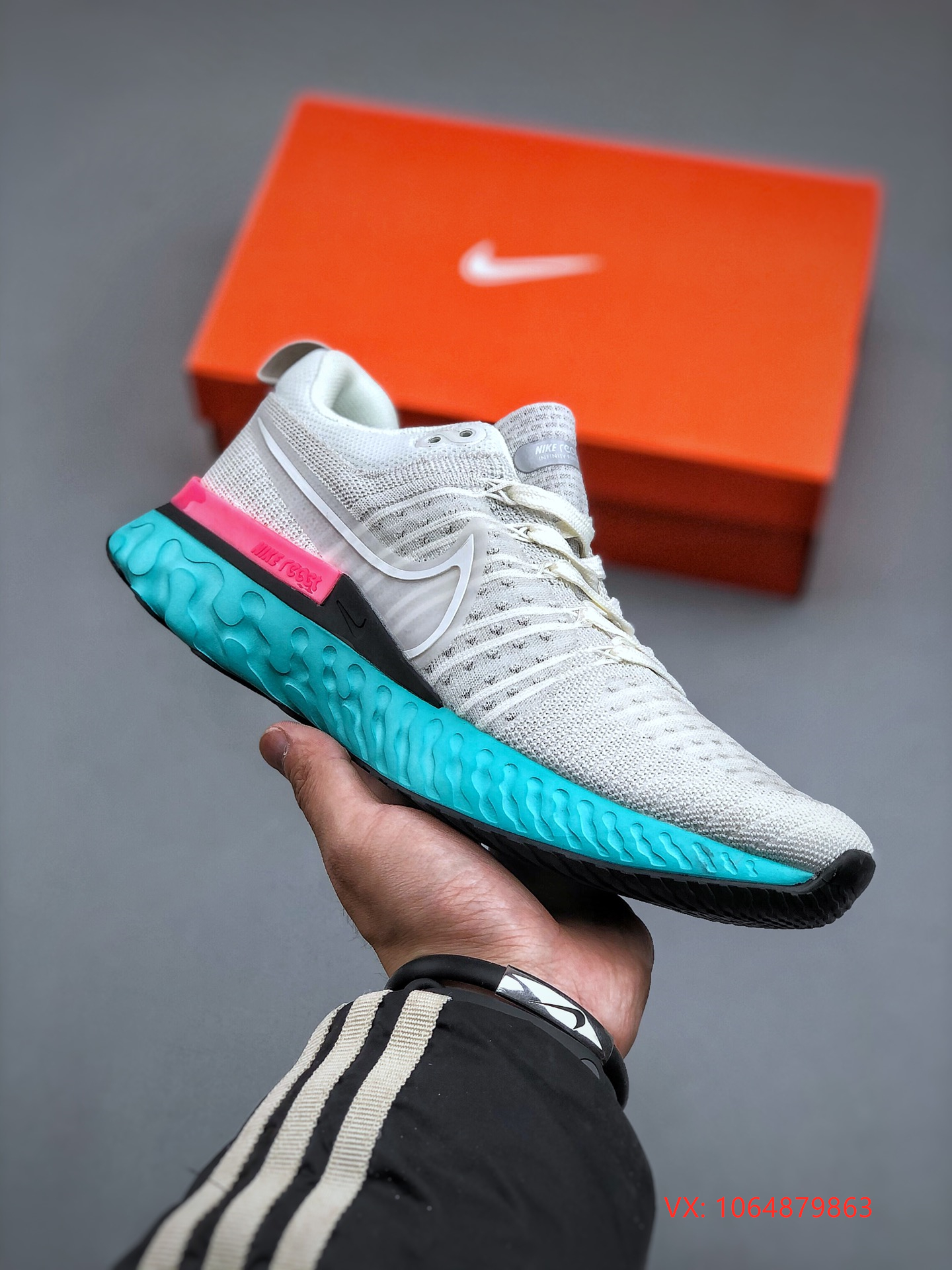
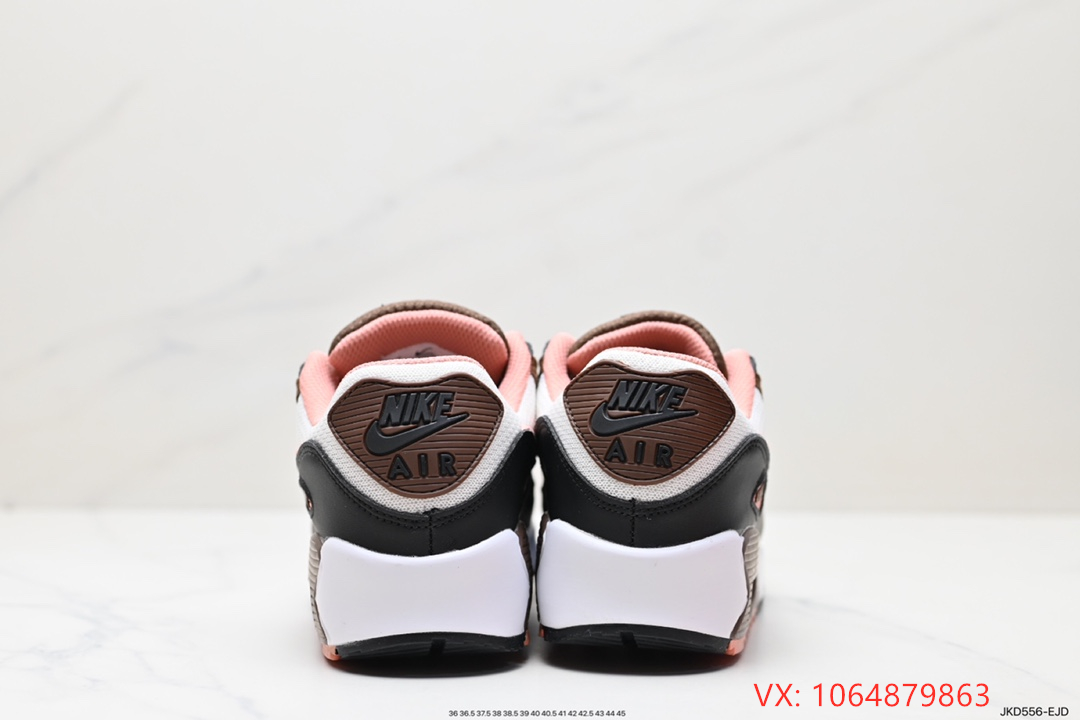
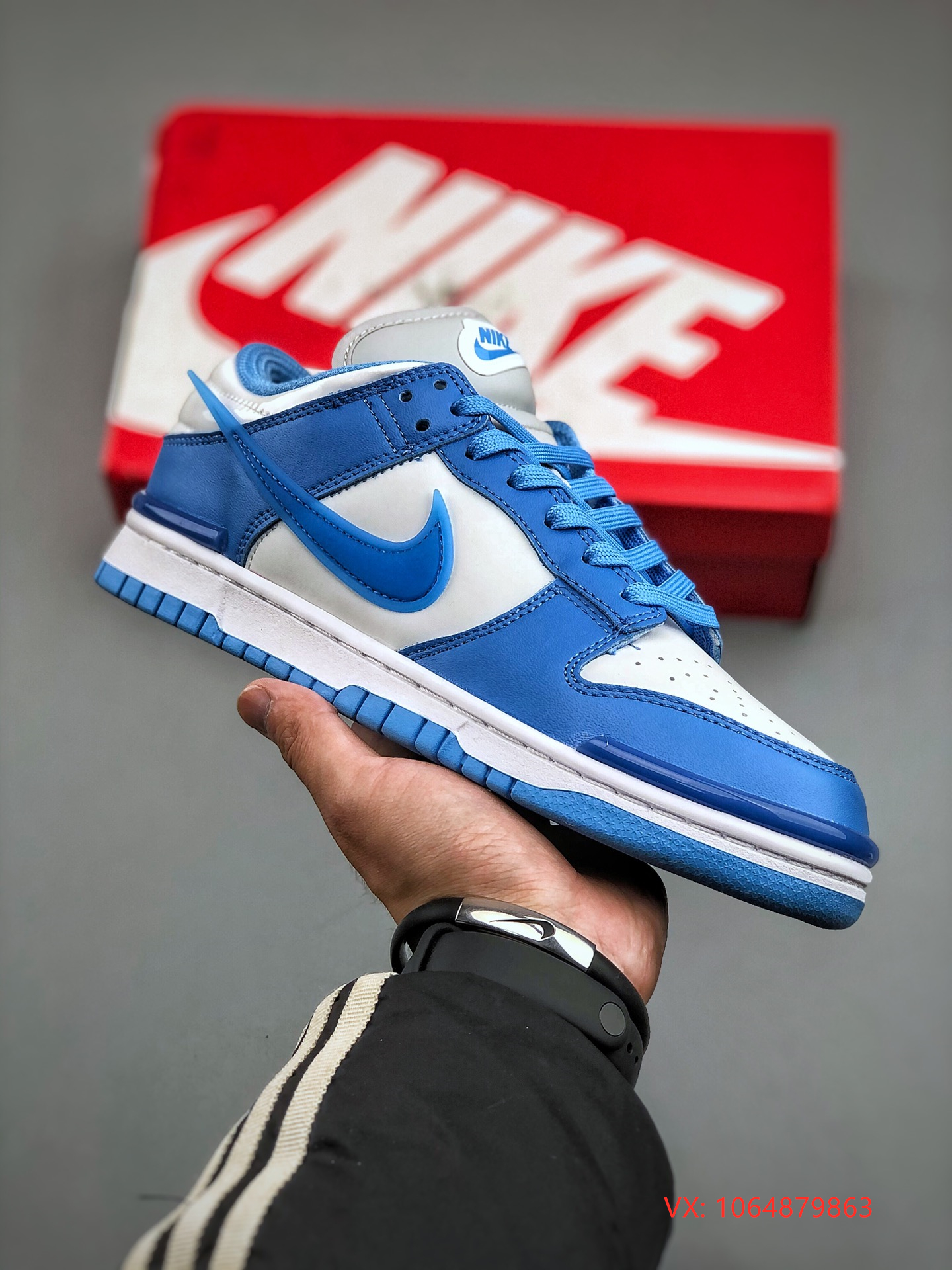
Quality isn't just about looks; it is about durability. When you inspect a shoe, pull on the laces. Check the eyelets. Are they reinforced? Look at the glue lines on the midsole. High-quality versions have clean, thin glue lines that are barely visible. Cheap versions often have excess glue that stains the fabric or creates a rough edge. Smell the shoe. A strong chemical odor means poor materials were used. Good versions smell like leather or standard foam, not harsh solvents. Pay attention to the logo placement. On premium pairs, the Jumpman or Nike swoosh is symmetrical and aligned perfectly with the curves of the shoe. Misalignment is a sign of a rushed, low-cost production run.
Logistics and Avoiding Pitfalls
once you have seleced your shoes, the next challenge is shipping. Many buyers get scammed by agents who promise fast delivery but disappear with the money. Work with established logistics partners who have experience handling international shipments from Fujian province. Ensure you get a tracking number immediately. Also, be wary of "all-inclusive" prices that seem too good to be true. Shipping costs fluctuate, and customs duties vary by country. A transparent supplier will break down the cost of the product, the packaging, and the freight separately.
Final Thoughts for the Overseas Buyer
If you want to succeed in sourcing from Putian, you must treat it like a business trip, not a shopping spree. Come prepared with a list of requirements. Bring a friend who knows the language if possible, or use translation tools wisely. Visit the market during the day when the lights are bright enough to see every detail. Ask questions until you are satisfied. Remember, I am a local boss who wants repeat customers. I want you to sell good shoes so you come back for more. But you must do your homework. Do not settle for the first option. Take your time, compare different stalls, and verify everything before you pay. That is the only way to ensure you get the quality and sizing you expect from the heart of China's sneaker industry.

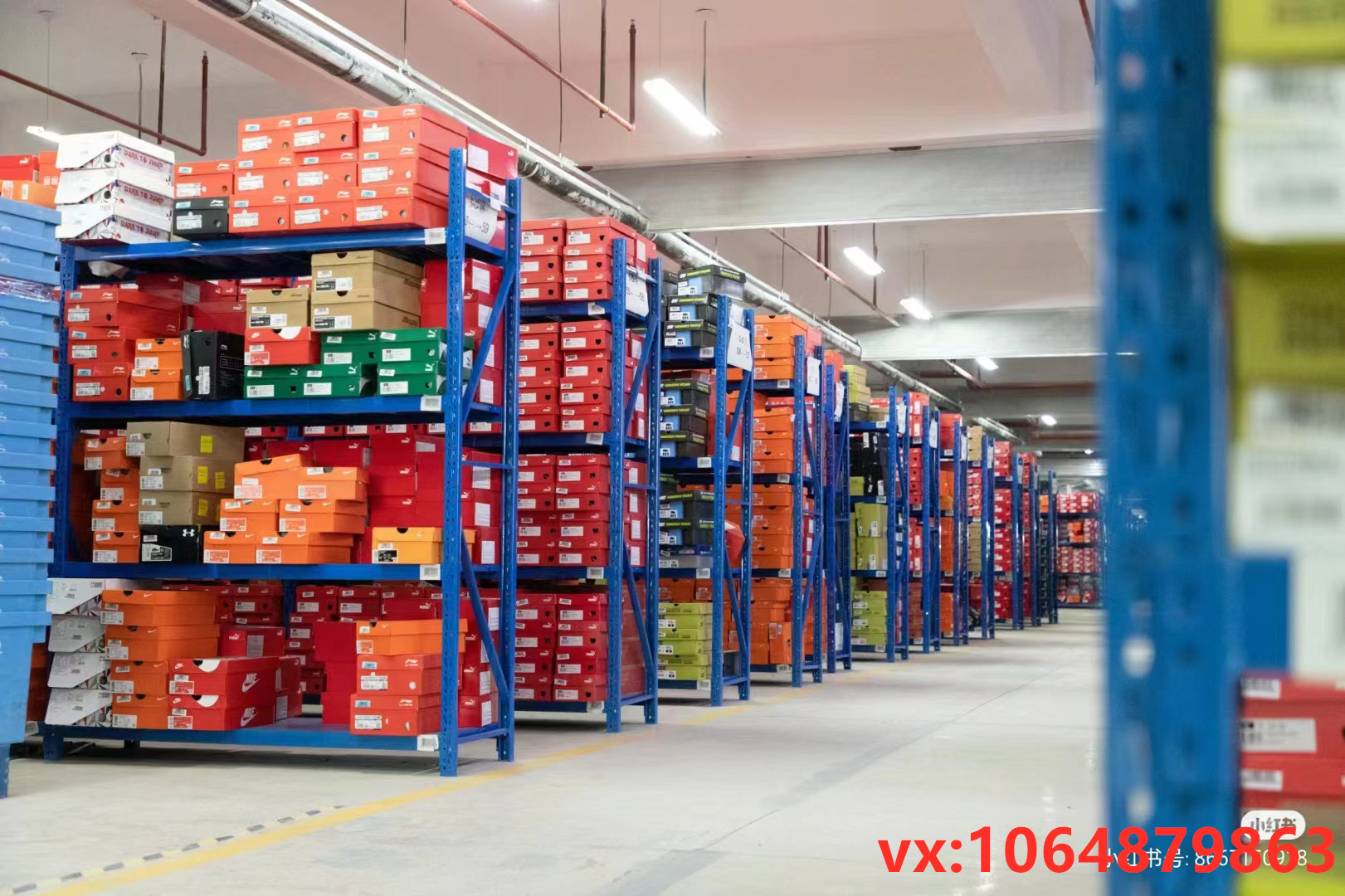
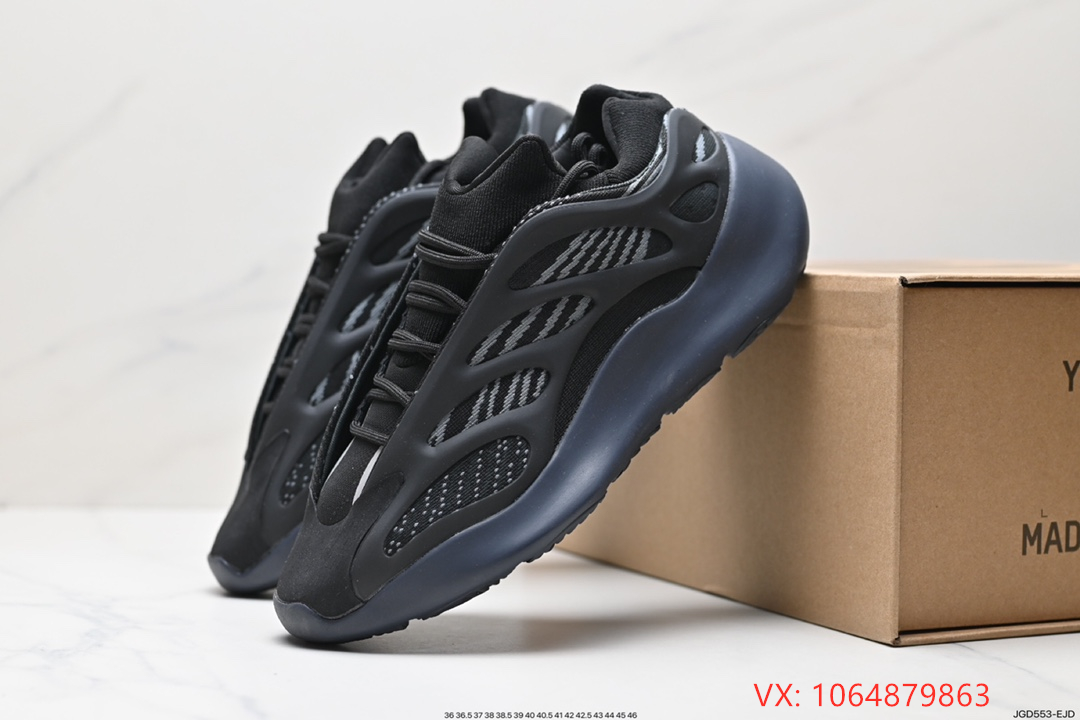
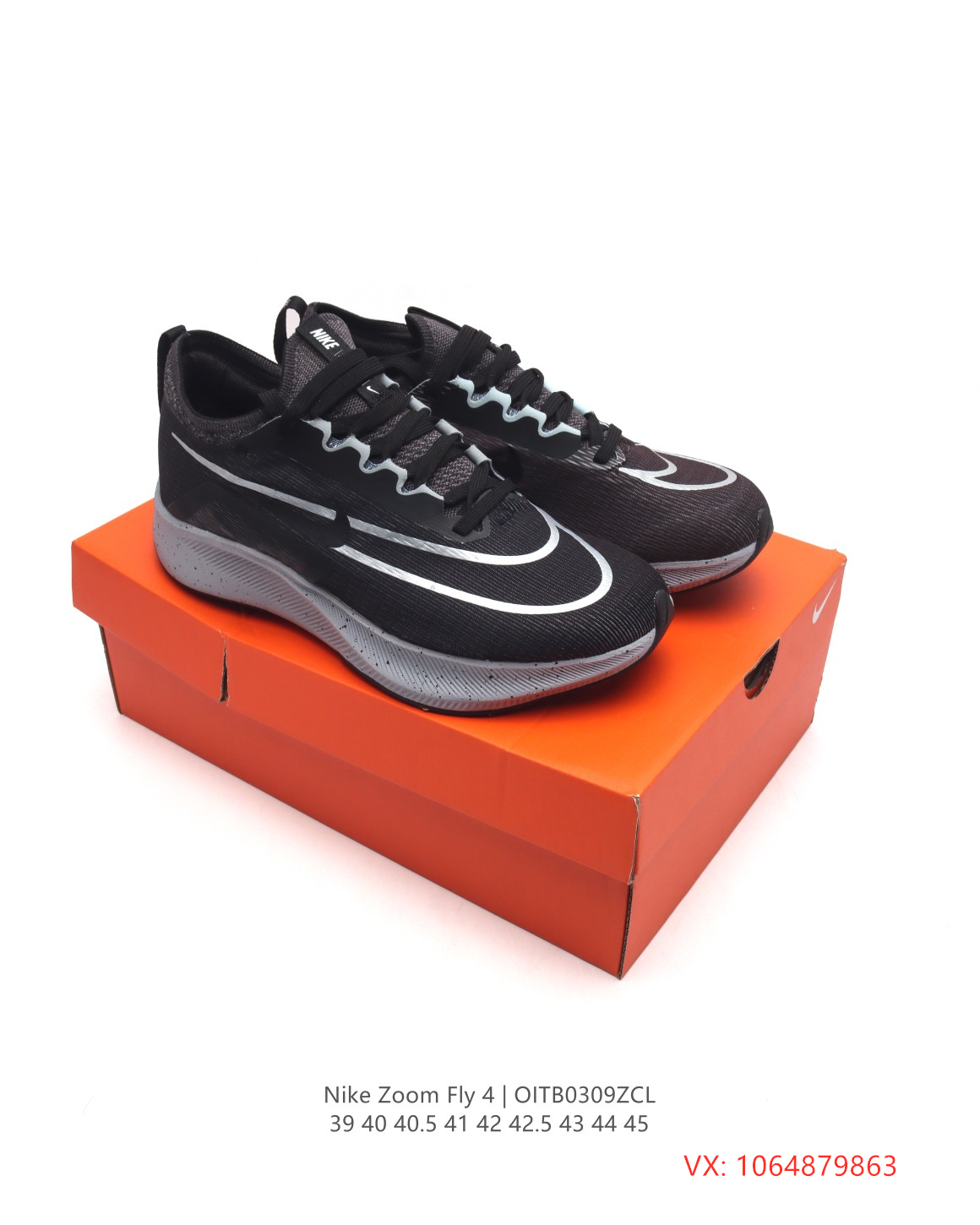
 On-site Visits
 Free Sharing
 Avoid Scams
 Updated Frequently
 For Reference Only