
Walking the Floors of Anfu: A Veteran's Guide to Grading Putian Footwear
I have been standing on these concrete floors in the Anfu Electronic Commerce City for over fifteen years. While the world outside sees "fake" or "replica," we see a complex ecosystem of craftsmanship, materials, and supply chains that rivals any major brand factory. If you are an overseas buyer looking for sources, stop scrolling through random Instagram ads. Those are middlemen trying to mark up prices you don't need to pay. Come here, walk the streets, and let me tell you how we actually grade shoes in this market.
The Myth of the "One Price Fits All"
When foreigners first ask me about Putian sneakers, they want to know the price per pair. I always laugh because there is no single price. In our market, the grading system is the difference between making a profit and losing your shirt. We categorize our inventory into distinct tiers based on the mold, the leather quality, and the glue work. The lowest tier, often called the "market version" or "low-grade," uses cheap synthetic leather and generic molds. These look okay from a distance but fail immediately upon close inspection. They smell like chemicals and fall apart after a month. This is what you see on shady websites selling $40 pairs.
Then you have the "mid-range" options. These use better materials, sometimes genuine leather blends, and tighter stitching. They are decent for casual wear but lack the structural integrity of the top tiers. Finally, there is the "top version" or "1:1 replica." This is wher the real money is made in terms of reputation. These shoes use the exact same molds as the original factories, premium Nappa leather, and even the correct air cushion units if it's an Air Jordan. The only difference is the logo on the box. Understanding this hierarchy is your first step to sourcing correctly.
Navigating the Physical Market: Seeing is Believing
You cannot buy high-quality goods without seeing them. Many buyers try to order blindly via WhatsApp or WeChat, sending photos and hoping for the best. This is a recipe for disaster. The lighting in a warehouse is different from the sunlight on a street corner. When you come to Anfu, you need to inspect the shoe physically. Walk around the stalls. Talk to the owners who have been there since 2010. They will show you the "master samples."
Inspecting the Details That Matter
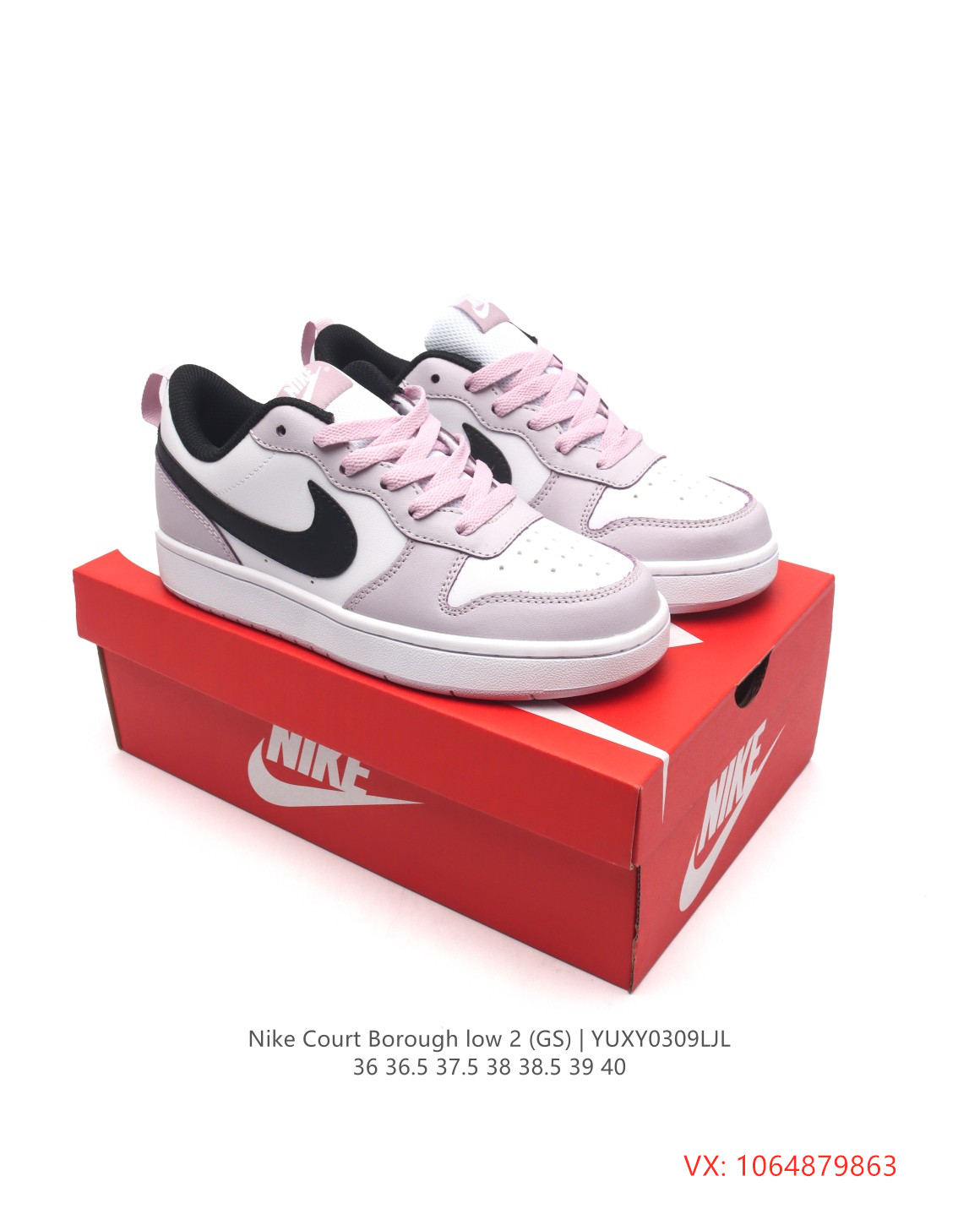
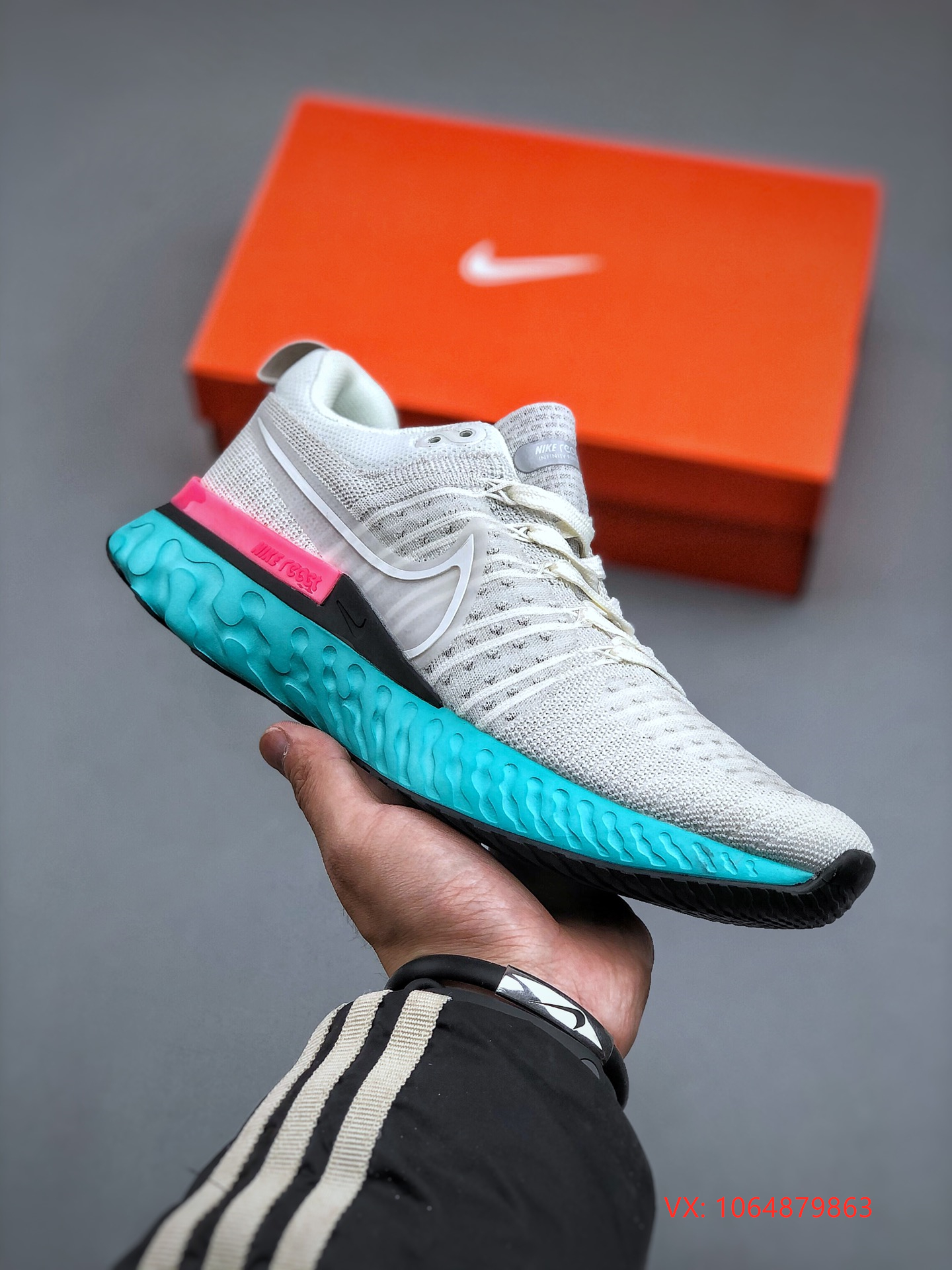
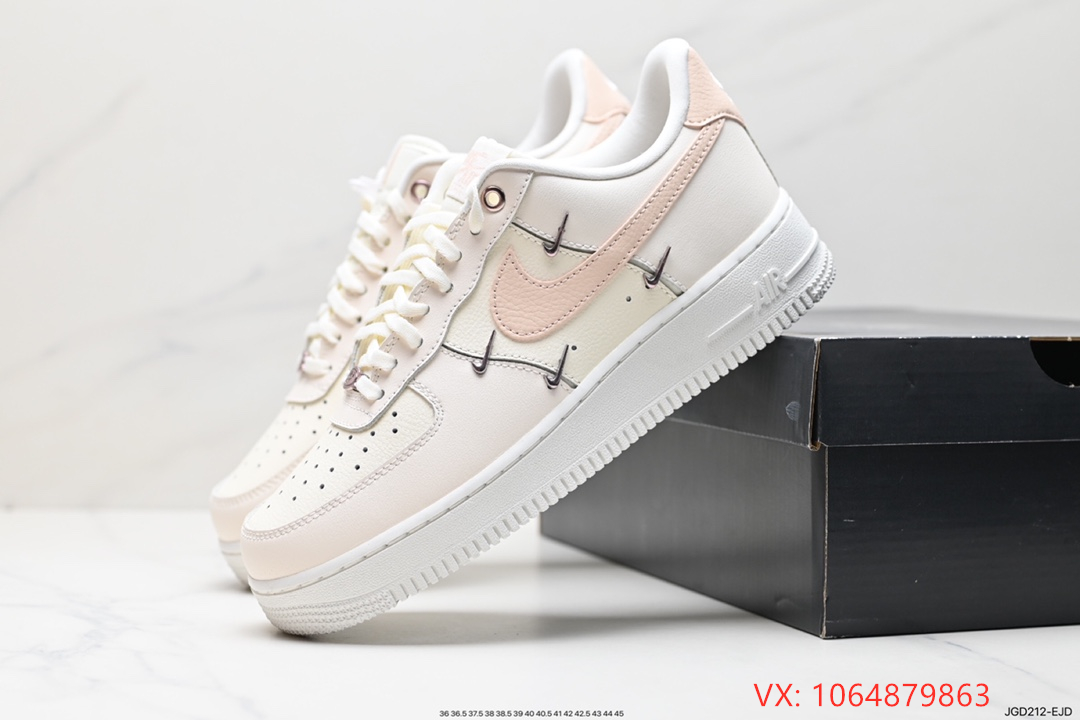
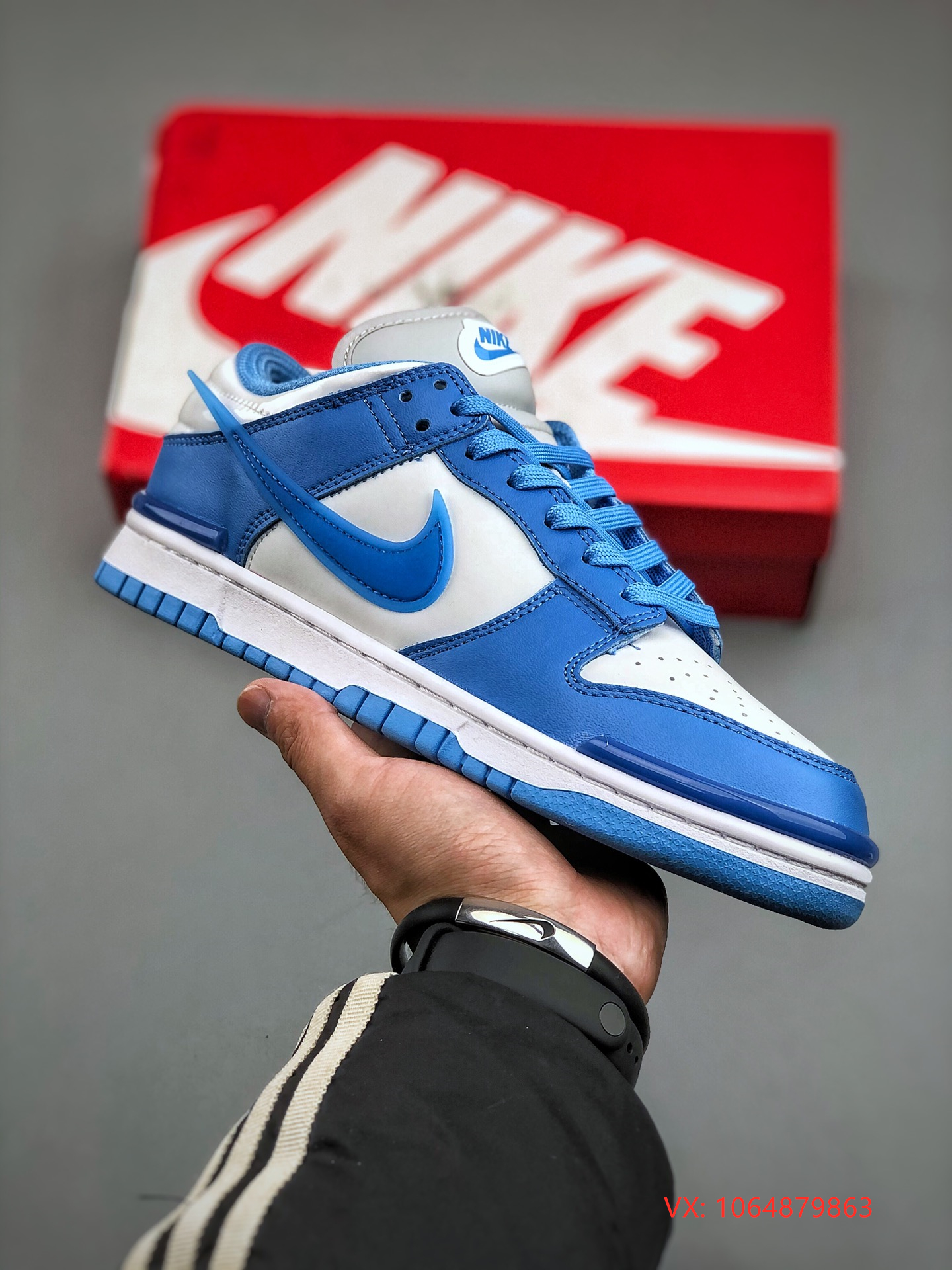
When I am showing a foreign client a pair of high-end replicas, I don't just hand them the box. I make them look at the toe box shape. Does it curve naturally? Is the stitching consistent with the original factory standards? I point out the texture of the leather. Cheap versions feel plastic-like; the top versions feel soft and breathable. Then we check the midsole. In the top tiers, the foam density is identical to the authentic pair. You can press it, and it should bounce back instantly. If it feels hard or spongy, it's a lower grade.
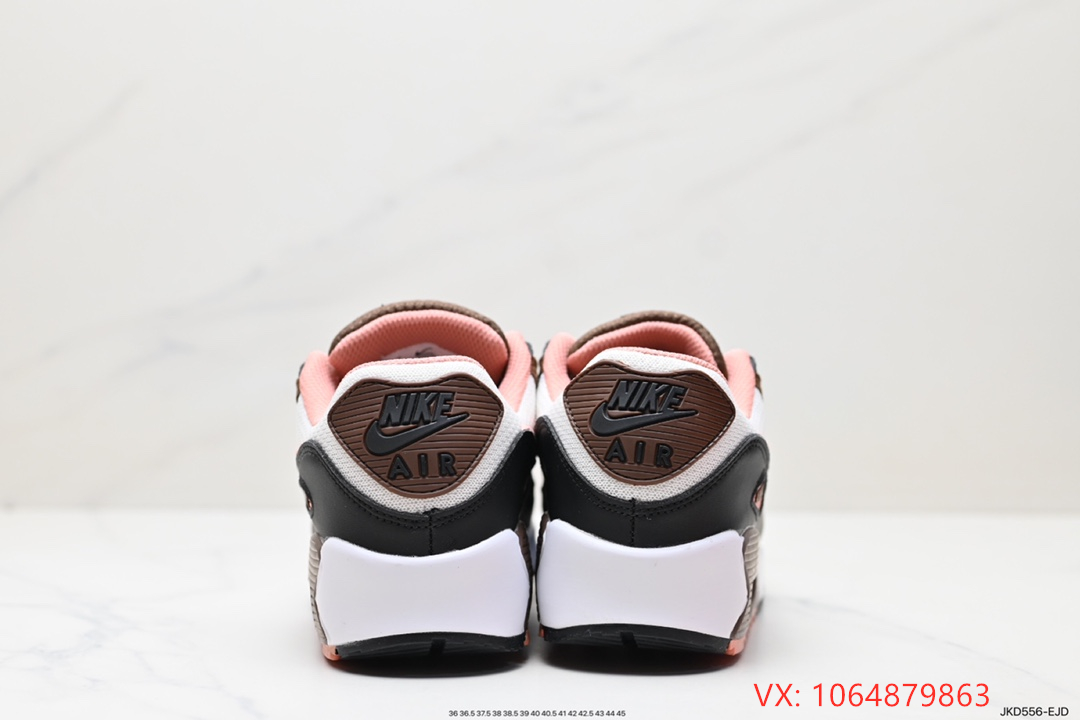
We also look at the heel counter. This is wher most low-grade shoes fail. The support structure must be rigid enough to hold the foot but flexible enough for movement. I run my finger along the stitching lines. If you see loose threads or uneven glue residue, that is a red flag. It means the worker was rushed or the quality control was non-existent. In the top tier, the glue lines are invisible, and the stitching is perfectly straight. This attention to detail is what separates a $50 shoe from a $150 one in our market.
Sourcing Strategy: Building Trust with Local Vendors
once you understand the grades, you need to find the right vendor. Not every stall owner sells the same quality. Some specialize in the budget market, while others focus exclusively on the top-tier replicas. To find the latter, you need to build a relationship. Don't just ask for a catalog. Ask to see their recent shipments. Ask about their return policy for defective items. A good vendor in Anfu will be transparent about the grade of the shoe before you even negotiate the price.
Negotiating and Verifying Orders
When you are ready to place an order, never pay 100% upfront unless you have worked with them for months. Start with a small trial order. This allows you to test their shipping speed, packaging, and the actual quality of the product. When the sample arrives, compare it side-by-side with the authentic version you bought online. Check the weight, the smell, and the fit. If the sample matches the top-tier description, then you can scale up. Remember, communication is key. Use clear photos and videos when discussing specific details with your supplier. Ambiguity leads to mistakes.
Avoiding Scams and Protecting Your Investment
The biggest risk for overseas buyers is getting scammed by fake suppliers claiming to sell top-tier goods. They take your money and send you the low-grade market version. To avoid this, always verify the seller's history. Look for vendors who have been operating in the physical market for years. They have a reputation to protect. Avoid those who only operate online with no physical address. Also, be wary of prices that seem too good to be true. If a top-tier Jordan is being sold for $30, it is not real. The cost of materials and labor simply does not allow for that price point.
The importance of Quality Control
Before you ship a large order, insist on a pre-shipment inspection. Send a photo or video of the shoes before they are boxed. Check the size labels, the color accuracy, and the overall finish. If something looks off, ask for a replacment immediately. A reputable vendor will fix the issue without argument. This process ensures that you receive exactly what you paid for. It also builds trust between you and the supplier, which is crucial for long-term business relationships in the Putian market.
Conclusion: The Real Value of Putian Sourcing
Buying from Putian is not about finding cheap knockoffs; it is about accessing a level of manufacturing excellence that exists globally. By understanding the grading system, visiting the physical markets, and building strong relationships with local vendors, you can source high-quality footwear that meets international standards. The key is patience, due diligence, and a willingness to learn the nuances of the trade. When you walk the floors of Anfu, you are not just buying shoes; you are entering a world of craftsmanship that has evolved far beyond its reputation. Treat it with respect, and you will find a partner who can deliver value that exceeds expectations.

 On-site Visits
 Free Sharing
 Avoid Scams
 Updated Frequently
 For Reference Only